The Mysterious Journey of Heat: Unraveling Your Air Conditioner’s Magic
You’re luxuriating in a cool oasis, the oppressive summer heat a distant memory. You flip the thermostat, and within minutes, the temperature drops. It feels like magic, doesn’t it? But behind that comforting chill lies a remarkably ingenious process – your air conditioner’s mastery of heat. It’s not about creating cold; it’s about effectively relocating heat. Understanding this fundamental principle unlocks the secrets of your AC’s efficiency, its maintenance needs, and even how you can optimize your home’s comfort without overworking your system. So, where does all that heat go? Prepare to embark on a journey into the heart of your cooling system, where refrigerant circulates, pressure changes, and heat is coaxed out of your home and into the great outdoors.
When considering the mechanics of air conditioning, a fascinating article that delves into the science behind heat transfer is available at Freaky Science. It explains how air conditioners work to remove heat from a room and where that heat ultimately goes. To learn more about this intriguing process, you can read the article here: Freaky Science. Understanding these principles can enhance your knowledge of energy efficiency and the importance of proper air conditioning maintenance.
The Refrigeration Cycle: The Heartbeat of Cooling

At the core of every air conditioning system, whether it’s a window unit, a central AC, or a ductless mini-split, lies the refrigeration cycle. This is the fundamental thermodynamic process that allows your AC to function. It’s a closed loop, a continuous journey for a special fluid called refrigerant, designed to absorb heat from your indoor air and release it outside. Think of it as a heat-transferring shuttle service. The refrigerant itself undergoes dramatic changes in temperature and pressure throughout this cycle, enabling it to pick up heat in one place and dump it in another. Understanding the four key components of this cycle – the evaporator, compressor, condenser, and expansion valve – is crucial to grasping how your AC actually cools your home.
The Evaporator: Where the Heat Absorption Begins
Your journey into the world of AC cooling begins indoors, within the part of your system called the evaporator coil. This is where the magic of heat absorption truly happens. You’ve likely felt the cool air blowing from your vents; that air has just passed over these very coils. The evaporator coil is typically located inside your home, either as part of your furnace or in a separate indoor air handler unit. Inside these coils flows the refrigerant, but in a very specific state. At this stage, the refrigerant is a low-pressure liquid that is rapidly turning into a gas.
This phase change is the key. For a liquid to evaporate into a gas, it needs energy. Where does it get this energy? It absorbs it from the warmer air surrounding the evaporator coils. As your AC fan blows the warm air from your home across the frigid evaporator coils, the heat from that air is effectively “sucked up” by the refrigerant. This process cools the air, which is then circulated back into your rooms, lowering the overall temperature of your house. Simultaneously, as the refrigerant absorbs heat, it evaporates, transforming from a liquid into a low-pressure gas. This gas now holds the heat that was once in your home.
The Compressor: The Engine of the Cycle
Once the refrigerant has absorbed the heat and turned into a gas, it needs to be moved to the next stage of its journey. This is where the compressor, often referred to as the “heart” of the AC system, comes into play. Located in the outdoor unit of your central air conditioner, the compressor’s job is to significantly increase the pressure and temperature of the refrigerant gas. Imagine squeezing a sponge; the more you squeeze, the hotter it gets. The compressor does something similar to the refrigerant gas. By compressing it, it raises its temperature to a level much higher than the outdoor air. This superheated, high-pressure gas is now ready to release its absorbed heat.
The compressor is an energy-intensive component, drawing a significant portion of your AC’s power. It’s a powerful electric motor that drives a pump, forcing the refrigerant gas through the system. Without the compressor, the refrigerant would remain a low-pressure gas at a relatively low temperature, incapable of releasing the heat it has collected. Its role is vital in pushing the refrigerant onward to the condenser, where the heat exchange will finally occur outdoors.
The Condenser: The Heat Rejection Hub
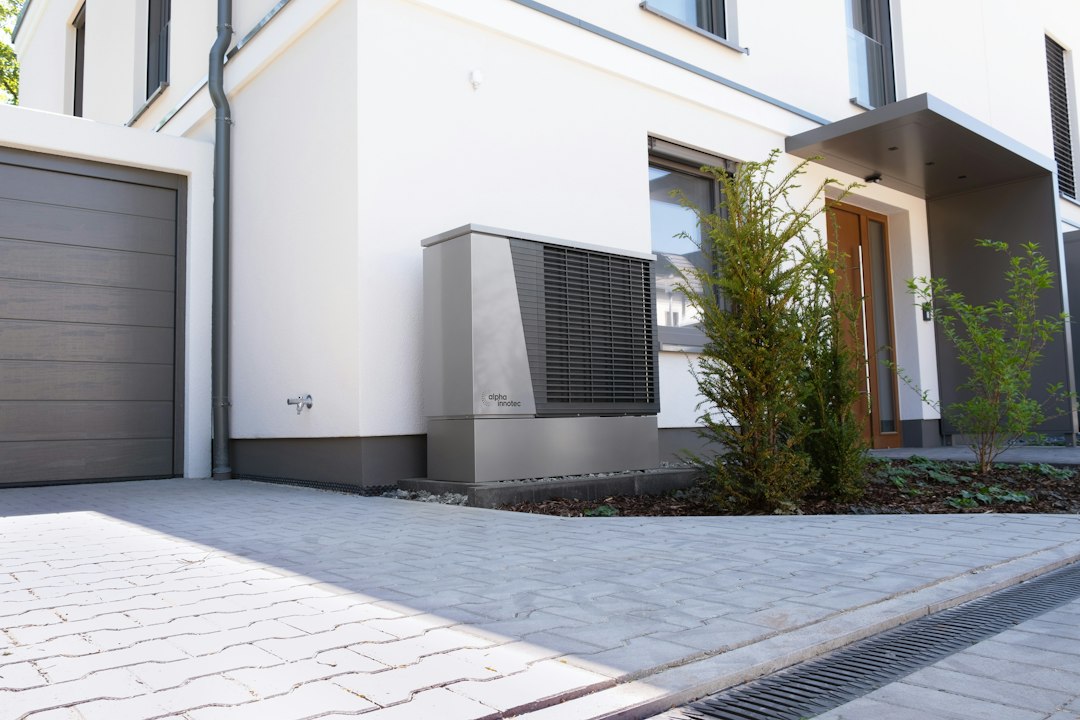
Now that the refrigerant is a hot, high-pressure gas, it’s time to get rid of that unwanted heat. This happens in the condenser coil, also located in your outdoor unit. The condenser coil is a network of tubes, often with fins to increase the surface area, exposed to the outside air. A fan in the outdoor unit blows ambient air across these coils. Because the refrigerant inside the condenser coil is now much hotter than the outside air, heat naturally flows from the hotter refrigerant to the cooler surrounding air.
As the refrigerant loses its heat to the outdoors, it begins to cool down and condense back into a high-pressure liquid. This is a crucial step; the refrigerant needs to return to a liquid state to be able to absorb heat again in the evaporator. Think of it as the refrigerant exhaling the heat it collected from your home. The continuous flow of outside air across the condenser coils facilitates this heat rejection, allowing your AC to keep pulling heat from your indoor environment. This is why it’s so important to ensure the outdoor unit has plenty of airflow and isn’t obstructed by debris or plants.
The Expansion Valve: The Pressure Drop and Temperature Shift
The final piece of the refrigeration cycle is the expansion valve (sometimes called a metering device). This component acts as a gatekeeper, controlling the flow of refrigerant into the evaporator coil. After leaving the condenser as a high-pressure liquid, the refrigerant passes through the expansion valve. This valve creates a sudden drop in pressure. This dramatic pressure reduction causes the refrigerant to cool down significantly, returning it to its cold, low-pressure liquid state, and often partially vaporizing it.
This is the critical step that prepares the refrigerant to absorb heat once again. Imagine letting air out of a pressurized balloon; the escaping air feels cool. The expansion valve orchestrates a similar effect for the refrigerant. By dropping its pressure and temperature, it sets the stage for the refrigerant to be a super-cooled liquid when it re-enters the evaporator coil, ready to begin the cycle anew. The precise control of refrigerant flow and pressure by the expansion valve is essential for maintaining the efficiency and effectiveness of your air conditioner.
The Role of Refrigerant: The Working Fluid of Cooling

Refrigerant is the unsung hero of your air conditioner, the vital substance that makes all the cooling happen. It’s not water, nor is it the same stuff you might find in your car’s radiator. AC refrigerants are specifically designed chemicals that have a low boiling point and a high latent heat of vaporization. This means they can easily change from a liquid to a gas at relatively low temperatures and pressures, and they absorb a substantial amount of heat during this process. Over the years, the types of refrigerants used in AC systems have evolved due to environmental concerns. Older systems might use refrigerants like R-22 (Freon), which are being phased out due to their ozone-depleting properties. Newer systems utilize more environmentally friendly refrigerants like R-410A. Understanding the type of refrigerant your AC uses is important for maintenance and repair, as specific tools and handling procedures are required.
Properties of Effective Refrigerants
The magic of refrigerants lies in their unique thermodynamic properties. Their ability to readily absorb heat from your home and then release it outdoors is due to their low boiling points. At the low pressures found in the evaporator coil, these substances can boil and turn into a gas at temperatures below the comfortable temperature of your indoor air. This allows them to efficiently wick heat away from your living space. Conversely, at the higher pressures created by the compressor, their boiling points rise significantly, allowing them to be cooled down and condensed back into a liquid by the cooler outside air. This cycle of boiling and condensing, absorbing and releasing heat, is what keeps you cool.
The Evolution of Refrigerants: From Freon to Future Innovations
The history of refrigerants is a story of innovation and environmental responsibility. For decades, R-12 and R-22 (commonly known as Freon) were the workhorses of the air conditioning industry. However, scientific discoveries revealed their detrimental impact on the Earth’s ozone layer and their contribution to global warming. This led to international agreements and regulations aimed at phasing out these older refrigerants. The industry responded by developing newer, more ozone-friendly and lower global warming potential (GWP) refrigerants. R-410A became a common replacement for R-22 in residential systems. Currently, the industry is again transitioning to even newer generations of refrigerants, such as R-32 and various hydrofluoroolefins (HFOs), which offer further improvements in environmental performance. When your AC needs servicing, it’s crucial for technicians to use the correct refrigerant for your system, as mixing refrigerants can damage the unit.
Heat Transfer Mechanisms: The Physics of Cooling
Understanding the refrigeration cycle is key, but the actual transfer of heat relies on fundamental physics principles. Heat transfer occurs through three primary mechanisms: conduction, convection, and radiation. Your AC system employs these principles at various points to effectively move heat from your indoor air to the outdoor environment. The design of the coils, the airflow generated by fans, and even the materials used in your home’s construction all play a role in how efficiently heat is transferred into and out of your living space.
Conduction: Heat Through Direct Contact
Conduction is the transfer of heat through direct contact between particles. In your AC, this happens within the metal coils. The refrigerant molecules collide with the molecules of the coil walls, transferring heat energy. Similarly, heat from the air molecules collides with the coil surface, warming the refrigerant. The materials used for the coils are chosen for their excellent thermal conductivity, allowing for efficient heat exchange. Think of a metal spoon left in hot soup; the handle gets hot because heat conducts through the metal.
Convection: Heat Through Fluid Movement
Convection is the transfer of heat through the movement of fluids (liquids or gases). This is perhaps the most visible form of heat transfer in your AC. The fan that blows air across your evaporator coil is a prime example of forced convection. It circulates warm indoor air over the cold coils, picking up heat. In the outdoor unit, another fan blows ambient air across the hot condenser coils, carrying away the rejected heat. Natural convection also plays a role; warm air rises, and cool air sinks, contributing to air circulation within your home and the movement of heat around your AC components.
Radiation: Heat Through Electromagnetic Waves
While less dominant in the direct cooling process of the refrigerant itself, radiation still plays a role in how heat enters your home and how it’s dissipated outdoors. Sunlight is a form of radiant heat that can warm your home’s interior. Conversely, the hot condenser coils in your outdoor unit will radiate some heat into the surrounding environment, though convection is the primary mechanism for heat removal here. Understanding radiant heat is important for home insulation and window treatments, as reducing the amount of radiant heat entering your home can significantly ease the burden on your AC.
When considering the mechanics of air conditioning, many people wonder where the heat goes when an AC cools a room. This fascinating process involves the removal of heat from the indoor air and its transfer outside, but the details can be quite complex. For a deeper understanding of this phenomenon, you might find it helpful to explore an insightful article that explains the science behind cooling systems and their efficiency. You can read more about it in this related article that delves into the principles of thermodynamics and how they apply to everyday appliances.
Maintaining Your AC’s Efficiency: Keeping the Heat Moving
| Metric | Description | Typical Value | Unit |
|---|---|---|---|
| Heat Removed from Room | Amount of heat extracted by the AC from the indoor air | 5,000 – 12,000 | BTU/hr |
| Heat Rejected Outside | Heat expelled to the outdoor environment via the condenser | 5,500 – 13,200 | BTU/hr |
| Electrical Energy Input | Energy consumed by the AC unit to operate compressor and fans | 500 – 1,200 | BTU/hr equivalent |
| Total Heat Output Outside | Sum of heat removed plus electrical energy converted to heat outside | 5,500 – 13,200 | BTU/hr |
| Coefficient of Performance (COP) | Ratio of heat removed to electrical energy consumed | 3 – 5 | Dimensionless |
You’ve learned how your AC moves heat, but for it to do its job effectively and efficiently, it needs proper maintenance. Neglecting your AC is like trying to run a marathon with clogged arteries; it’s going to struggle, use more energy, and eventually break down. Regular cleaning, checks, and professional servicing ensure that the heat transfer processes within your system are not hindered, allowing it to operate at peak performance and saving you money on energy bills.
The Importance of Clean Coils: Evaporator and Condenser
The evaporator and condenser coils are the workhorses of your AC’s heat exchange process. Over time, they can become coated with dust, dirt, and debris. This buildup acts as an insulator, hindering the refrigerant’s ability to absorb heat from your indoor air and reject it outdoors. A dirty evaporator coil means your AC has to work harder and longer to cool your home, leading to increased energy consumption and reduced comfort. Similarly, a dirty condenser coil in the outdoor unit restricts airflow, making it harder for the system to release heat, thus reducing its efficiency and potentially causing it to overheat. Regular cleaning of these coils, either by a homeowner (for the outdoor unit, with caution) or by a professional, is paramount.
Airflow: The Unsung Hero of Heat Transfer
Proper airflow is absolutely critical for your AC’s ability to transfer heat. The fans in both your indoor and outdoor units are responsible for moving air across the coils. If airflow is restricted, the heat transfer process is severely compromised. This can happen for several reasons. Dirty air filters are the most common culprit for restricted indoor airflow. When the filter is clogged, it chokes the supply of air to the evaporator coil, meaning less heat can be absorbed. In the outdoor unit, obstructions like overgrown plants, leaves, or debris can block the condenser coils, preventing the hot refrigerant from effectively releasing its heat. Ensuring clear pathways for airflow around your indoor vents and outdoor unit is a simple yet incredibly effective way to maintain your AC’s efficiency.
Professional Maintenance: A Deep Dive into the System
While simple tasks like changing air filters and keeping the outdoor unit clear are within a homeowner’s reach, a professional HVAC technician can perform deeper maintenance that ensures the entire system is functioning optimally. This includes checking refrigerant levels, inspecting for leaks, cleaning internal components, testing electrical connections, and ensuring the thermostat is calibrated correctly. A professional tune-up can identify small issues before they become major problems, preventing costly repairs and extending the lifespan of your AC. They can also assess the overall health of your system and recommend any necessary adjustments or upgrades.
Optimizing Your Home’s Cooling: Beyond the AC Unit
Understanding where your AC sends the heat is only part of the equation for a cool and comfortable home. You can significantly reduce the workload on your air conditioner by implementing strategies that minimize heat gain into your house in the first place. By creating a more heat-resistant envelope for your home, you’ll not only stay cooler but also save money on your energy bills. Think of it as working smarter, not just harder, with your AC.
Insulation and Sealing: Building a Thermal Barrier
Your home’s insulation and how well it’s sealed are the first lines of defense against unwanted heat. Poor insulation in attics, walls, and crawl spaces allows heat to easily transfer from the hot outside air into your cooler home. Similarly, air leaks around windows, doors, and other openings act like tiny gateways for heat to sneak in. Investing in proper insulation and diligently sealing any air leaks can drastically reduce the amount of heat your AC needs to remove. This means the system runs less often, uses less energy, and provides more consistent comfort.
Window Treatments and Shading: Blocking the Sun’s Rays
Windows are a major source of heat gain in most homes, especially during the summer. Sunlight streaming through windows can dramatically increase the indoor temperature. Utilizing effective window treatments is a simple yet powerful way to combat this. Thick curtains, blinds, or shades can block a significant portion of solar radiation. Exterior shading, such as awnings, pergolas, or even strategically planted trees, can be even more effective, as they stop the sun’s rays before they even reach the window glass.
Smart Thermostat Use and Zoning: Intelligent Cooling
Modern technology offers intelligent ways to manage your home’s cooling. A programmable or smart thermostat allows you to set temperature schedules, so your AC doesn’t have to work as hard when you’re asleep or away from home. Smart thermostats can even learn your habits and adjust automatically. For larger homes or homes with varying occupancy, zoning systems can be a game-changer. These systems allow you to control the temperature in different areas of your house independently, so you’re not wasting energy cooling unoccupied rooms. By intelligently managing when and where you cool, you can achieve optimal comfort while maximizing efficiency.

Your AC Blows Hot Air Outside. Is That Heat From Your Room?
FAQs
1. How does an air conditioner cool a room?
An air conditioner cools a room by removing heat from the indoor air and transferring it outside.
2. Where does the heat go when an air conditioner cools a room?
The heat removed from the indoor air is expelled outside through the air conditioner’s condenser unit.
3. Does an air conditioner create cold air?
No, an air conditioner does not create cold air. Instead, it removes heat from the indoor air, which makes the air feel cooler.
4. Why does an air conditioner produce water when cooling a room?
As the air conditioner removes heat from the indoor air, it also removes moisture. This moisture collects and drips into a pan or is expelled through a drain.
5. How does an air conditioner regulate the temperature in a room?
An air conditioner regulates the temperature in a room by continuously cycling refrigerant through the system, absorbing heat from the indoor air, and releasing it outside.