The Genetic Symphony Behind Feline Hues: Unraveling Coat Color
The vibrant tapestry of feline coat colors is a testament to the intricate dance of genetics. From the deepest ebony to the most delicate calico, each hue and pattern is dictated by a complex interplay of genes. For cat owners, understanding these genetic underpinnings offers a fascinating glimpse into their feline companions’ unique identities and can even shed light on potential health predispositions. This exploration delves into the core genetic mechanisms that give rise to the diverse spectrum of cat coat colors, focusing on the primary pigments, their genetic controls, and the foundational genes that orchestrate their expression.
At the heart of all cat coat coloration lies two fundamental pigments: eumelanin and pheomelanin. Eumelanin is responsible for producing black and brown shades, while pheomelanin generates red and yellow tones. The presence, absence, and dilution of these pigments, governed by specific genes, create the vast array of colors we observe. The most prominent gene dictating the production of these pigments is the Agouti locus (gene A). This gene controls the distribution of eumelanin along the hair shaft. In its dominant form (A), it allows for the expression of bands of pigment, leading to the ticked pattern seen in breeds like the Abyssinian, where each hair has alternating bands of dark and light pigment. The recessive form (a) results in a solid color, as eumelanin is uniformly distributed throughout the hair shaft.
Another crucial locus is the Melanocortin 1 Receptor (MC1R) gene, often referred to as the B locus. This gene acts as a switch, determining whether eumelanin is produced as black or brown. The dominant allele (B) results in black eumelanin, while the recessive allele (b) leads to the production of brown eumelanin, which we see as chocolate or chestnut in many cats. It’s important to note that the gene’s influence is on the type of eumelanin produced, not its presence or absence.
The interplay of these genes, along with others that modify their expression, is what creates the stunning diversity in our feline friends. The solid black cat, for instance, typically carries the recessive “a” allele at the Agouti locus, preventing banding, and at least one dominant “B” allele at the B locus, ensuring black pigment. A solid brown cat, conversely, would have the recessive “a” and two recessive “b” alleles. This foundational understanding sets the stage for exploring the more nuanced variations and complex patterns that make each cat’s coat a unique masterpiece.
When it comes to understanding your feline friend, one important aspect to consider is their coat color, which can often be linked to specific traits and behaviors. For more insights on this topic, you might find the article “What Owners Should Know About Cat Coat Color” particularly enlightening. It delves into the genetics behind various coat colors and patterns, helping owners appreciate the unique characteristics of their cats. To read more, visit this article.
The Palette of Possibilities: Decoding Common Coat Colors
Beyond the fundamental black and brown, a kaleidoscope of colors graces our feline companions. Understanding the genetic basis for these variations allows owners to appreciate the intricate biological processes at play and to identify the likely genetic makeup of their pets. This section explores some of the most prevalent coat colors and patterns, demystifying their origins.
Shades of Black and Brown: The Eumelanin Spectrum
The most basic expressions of eumelanin are solid black and solid brown. A truly solid black cat is homozygous for the recessive allele at the Agouti locus (aa) and has at least one dominant allele at the B locus (BB or Bb). This prevents any banding and ensures the production of black pigment. Conversely, a solid chocolate or brown cat will also be homozygous recessive at the Agouti locus (aa) but will be homozygous recessive at the B locus (bb), resulting in brown eumelanin. Liver and cinnamon are further variations of brown, often linked to specific breed genetics or subtle modifications of the B locus.
The Warmth of Red: Pheomelanin’s Reign
The vibrant reds and oranges seen in cats, from fiery ginger to soft apricot, are due to the expression of pheomelanin. The key gene influencing pheomelanin is the Orange gene, located on the X chromosome. This gene, designated by the symbol O, is responsible for the production of pheomelanin. Females, with two X chromosomes, can be either homozygous for the orange gene (OO), resulting in an orange coat, or heterozygous (Oo), which can lead to tortoiseshell or calico patterns when combined with other genetic factors. Males, with one X and one Y chromosome, will either be orange (O) or not orange (o) depending on the single X chromosome they inherit. This X-linked inheritance is why true ginger males are far more common than ginger females.
Dilution and Beyond: Softening the Hues
The ‘D’ locus, controlled by the Dilution gene, plays a crucial role in softening the intensity of both eumelanin and pheomelanin. The dominant allele (D) results in full expression of the pigment. However, the recessive allele (d) leads to dilution. When eumelanin is diluted, black becomes blue (a greyish hue), and brown becomes lilac or fawn. Similarly, diluted red can appear as cream or apricot. So, a blue cat is genetically a black cat whose pigment has been diluted by the recessive ‘d’ allele. A chocolate point Siamese, for example, is genetically a chocolate cat with a temperature-sensitive gene that dilutes the pigment in cooler extremities.
The Art of Patterns: Stripes, Spots, and Patches
Patterns are created by the interplay of genes that control the distribution and expression of pigment. The Agouti gene (A) is fundamental here. As mentioned, the dominant ‘A’ allele allows for banding, creating the ticked pattern. However, other genes interact with it. The Tabby gene, often referred to as the ‘T’ locus, is responsible for the characteristic stripes, swirls, and spots. There are several alleles within the Tabby gene, including the mackerel tabby (the classic striped pattern), the classic or blotched tabby (with wider, more chaotic patterns), and the spotted tabby. The ticked tabby pattern is essentially a highly modified mackerel tabby where the dark pigment is concentrated in bands at the tips of the hairs.
The Intrigue of Patterns: Beyond Solid Colors

While solid colors offer a sense of understated elegance, it’s the intricate patterns that often capture the imagination. These designs are not random occurrences but are the result of sophisticated genetic mechanisms that dictate how and where pigment is expressed across a cat’s body. This section delves into the genetic secrets behind some of the most captivating feline patterns.
The Mysteries of the Tabby: Stripes, Swirls, and Spots
The term “tabby” refers to a coat pattern, not a breed. This pattern is controlled by the Tabby gene (T locus). The most common tabby pattern is the mackerel tabby, characterized by thin, parallel stripes running down the sides of the cat. The classic tabby, also known as blotched or marbled tabby, features a swirling, bullseye-like pattern on the flanks. Spotted tabbies, as the name suggests, have distinct spots. The genetic underpinnings of these variations are complex and involve interactions with other genes, including the Agouti gene. A ticked tabby, like an Abyssinian, is believed to be a form of tabby where the pigment banding is so fine that it appears as individual hairs with alternating colors. The intensity and color of the tabby markings are also influenced by other genes. For instance, the dilution gene can turn black tabby markings to grey (blue tabby) and brown tabby markings to lilac.
The Enchantment of Tortoiseshell and Calico: A Mosaic of Color
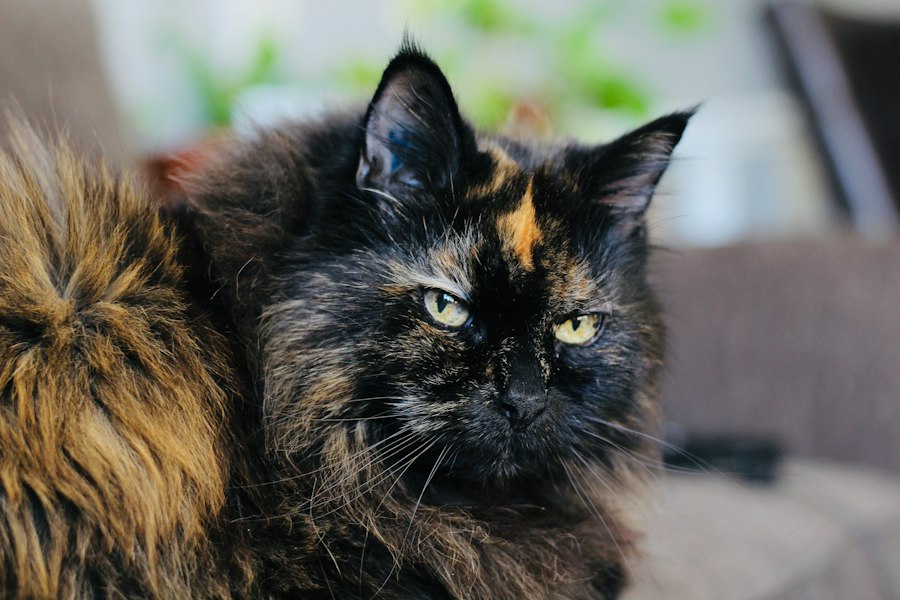
Tortoiseshell and calico cats are almost exclusively female due to the X-linked nature of the gene responsible for orange color. As discussed, the gene for orange color (O) is on the X chromosome. Females have two X chromosomes. If a female is heterozygous for the orange gene (Oo), meaning she has one X chromosome carrying the orange allele and one X chromosome carrying the non-orange allele, a phenomenon called X-inactivation occurs. During embryonic development, one of the X chromosomes in each cell is randomly inactivated. This random inactivation leads to patches of cells expressing the orange color and other patches expressing the non-orange color.
A tortoiseshell cat will have patches of red (or cream if diluted) and black (or blue if diluted) interspersed. A calico cat is essentially a tortoiseshell cat with the addition of white spotting. The white spotting is controlled by a separate gene, the S locus (for piebald spotting). The more dominant alleles at the S locus, the more white a cat will have. A calico will have distinct patches of red, black, and white. The specific arrangement and size of these patches are determined by the timing and pattern of X-inactivation and white spotting gene expression during fetal development, making each calico or tortoiseshell truly unique.
The Elegance of Pointed Patterns: Siamese and Related Breeds
The striking pointed pattern, characterized by darker coloration on the ears, face, paws, and tail, is a fascinating example of temperature-sensitive pigment production. This pattern is a result of a mutation in the Tyrosinase gene, which is involved in melanin production. This mutation creates a temperature-sensitive enzyme that is less active at warmer body temperatures. Therefore, the pigment is produced most effectively in the cooler extremities of the body. This is why Siamese, Burmese, and other pointed breeds have dark points and a lighter body. The specific color of the points (seal, chocolate, blue, lilac) is determined by the underlying base coat genetics. A seal point Siamese, for example, has a genetically black base coat that is expressed as dark points due to the temperature-sensitive mutation.
The Influence of Genes: Modifiers and Their Impact
While the primary genes for pigment and pattern are foundational, a host of modifier genes further refine and diversify feline coat appearances. These genes can subtly alter the intensity, distribution, and even the texture of the fur, adding another layer of complexity and beauty to a cat’s coat. Understanding these modifiers can help explain variations within breeds and even within litters.
Colorpoint Mutations: A World of Temperature-Sensitive Shades
The most well-known example of a temperature-sensitive mutation is responsible for the “pointed” pattern seen in Siamese, Himalayan, and Ragdoll cats. This mutation affects the enzyme tyrosinase, which is crucial for producing melanin. The altered enzyme is less efficient at producing pigment at warmer temperatures. Consequently, pigment production is significantly reduced in the warmer core of the cat’s body, leading to a lighter color. In contrast, the cooler extremities – the ears, face, paws, and tail – can produce more pigment, resulting in the characteristic darker “points.” The actual color of these points (e.g., seal, chocolate, blue, lilac, red, cream) is determined by other genes controlling the base eumelanin and pheomelanin production. For instance, a seal point is genetically a black cat with the pointed mutation, while a chocolate point is a brown cat with the same mutation.
White Spotting: The Genesis of Patches and Tuxedos
The presence and extent of white in a cat’s coat are largely determined by the gene for white spotting, often referred to as the S locus. This gene controls the migration of melanocytes (pigment-producing cells) during embryonic development. Dominant alleles at this locus prevent melanocytes from reaching certain areas of the skin, resulting in unpigmented areas, which appear white. The degree of white spotting can vary dramatically. A cat with a small amount of white, like a locket on the chest, is likely heterozygous for the white spotting gene. Cats with extensive white, such as tuxedo cats or bicolor cats, might be homozygous for certain alleles. The gene responsible for the Irish spotting pattern, which creates a white chest and belly, is also thought to be related to this locus. The precise distribution of white can be quite specific, creating patterns like the “mask” on a Birman’s face or the distinct bib of a tuxedo cat.
Dilution and Beyond: Softening and Intensifying Colors
We’ve touched upon the Dilution gene (D locus) as a modifier that softens colors. The recessive ‘dd’ genotype results in diluted pigments. Black becomes blue (grey), brown becomes lilac or fawn, and red becomes cream. This gene acts on both eumelanin and pheomelanin, meaning a dilute red cat is a cream cat, and a dilute black cat is a blue cat. There are also genes that can intensify colors. For example, the “russet” gene in some breeds can deepen red tones, while other modifiers can influence the richness of brown shades. The subtle interplay of these genes creates the vast spectrum of color intensities we observe.
When it comes to understanding your feline friend, the significance of cat coat color can be quite fascinating. Owners should be aware that a cat’s coat color can sometimes indicate certain health traits or personality characteristics. For more insights on this topic, you can explore a related article that delves deeper into the various aspects of cat coat color and what it might reveal about your pet’s behavior and genetics. Check out this informative piece here to enhance your knowledge and ensure you’re providing the best care for your furry companion.
Understanding Your Cat’s Coat: Practical Implications for Owners
| Aspect | Details | Owner Considerations |
|---|---|---|
| Common Coat Colors | Black, White, Orange, Gray, Brown, Cream, Blue | Recognize your cat’s color for identification and grooming needs |
| Patterns | Solid, Tabby, Tortoiseshell, Calico, Bicolor, Pointed | Patterns can affect shedding and grooming frequency |
| Genetics | Coat color is determined by multiple genes including those for pigment type and distribution | Understanding genetics can help predict kitten colors and health risks |
| Health Implications | Some colors linked to genetic conditions (e.g., white cats with blue eyes may be deaf) | Monitor for breed-specific health issues related to coat color |
| Sun Sensitivity | Light-colored cats may be more prone to sunburn and skin cancer | Limit sun exposure and use pet-safe sunblock if needed |
| Shedding and Grooming | Coat color does not directly affect shedding, but coat length and texture do | Regular grooming is essential regardless of color to maintain coat health |
| Seasonal Changes | Some cats’ coats lighten or darken with seasons | Adjust grooming and care routines seasonally |
| Behavioral Myths | Some believe coat color affects personality, but scientific evidence is limited | Focus on individual cat behavior rather than color-based assumptions |
A cat’s coat is more than just a beautiful display; it can offer insights into their health, ancestry, and even their personality. For owners, understanding the genetics behind coat colors and patterns can foster a deeper appreciation for their feline companions and provide practical benefits.
Health Considerations Linked to Coat Color
While most coat colors are purely aesthetic, certain colors and patterns are statistically associated with specific health conditions. For instance, white cats, particularly those with blue eyes, have a higher incidence of deafness. This is because the gene responsible for white fur can sometimes be linked to the development of the inner ear. Similarly, certain coat color mutations in specific breeds may be linked to other genetic predispositions. For example, some breeds with extensive white spotting might be more prone to certain skin allergies. It’s important to remember that these are statistical associations, and many cats with these coat colors will be perfectly healthy. However, being aware of these potential links can empower owners to be more vigilant about their cat’s health and to consult with their veterinarian if any concerns arise.
Predicting Kittens and Understanding Breed Standards
For breeders, understanding coat color genetics is paramount. It allows them to predict the likely coat colors of offspring and to make informed decisions about mating pairs. Even for non-breeders, this knowledge can be fascinating when observing a litter of kittens. Knowing that the gene for orange is X-linked, for example, helps explain why there are typically more male ginger kittens than female. Furthermore, understanding coat color genetics is crucial for breed standards. Many cat registries have specific requirements and preferences regarding coat color and pattern for certain breeds. For instance, the distinctive pointed pattern is a defining characteristic of Siamese cats, and variations that deviate significantly from this might not conform to breed standards.
Grooming and Coat Care: Tailoring to Needs
While the fundamental principles of grooming apply to all cats, certain coat types associated with specific colors or patterns may have unique care requirements. For example, cats with very dense undercoats, often seen in certain solid colored cats or shaded Persians, might require more frequent brushing to prevent matting. Long-haired cats, regardless of color, will generally need daily brushing. Some color mutations might also affect the texture of the fur. Understanding the specific needs of your cat’s coat, based on its color, pattern, and length, can help you establish an effective grooming routine that keeps their fur healthy, shiny, and comfortable.
The Enduring Fascination of Feline Color
The world of cat coat colors is a vibrant and ever-evolving testament to the power of genetics. From the fundamental pigments to the intricate patterns and subtle modifications, each hue and design tells a story of ancestral lineage and biological artistry. For cat owners, delving into the science behind their feline companions’ coats enriches their understanding and appreciation, transforming them from mere observers to knowledgeable enthusiasts. This journey through eumelanin, pheomelanin, and the intricate dance of genes like Agouti, B locus, and the X-linked Orange gene reveals a universe of possibilities. The subtle influence of modifiers, from the dilution gene to the enigmatic white spotting, further highlights the complexity and beauty inherent in every cat.
Recognizing the genetic underpinnings of coat colors is not just an academic pursuit; it has practical implications. It can alert owners to potential health considerations linked to certain colorations, assist in predicting kitten outcomes for those involved in breeding, and inform tailored grooming routines. The deep black of a Bombay, the striking blue of a Russian Blue, the fiery red of a ginger tabby, or the captivating mosaic of a calico – each is a unique expression of genetic potential. By understanding the “why” behind these colors, owners can forge an even deeper bond with their feline friends, appreciating the remarkable science that paints their furry companions in such breathtaking diversity. The fascination with feline colors is enduring, a constant reminder of the extraordinary genetic symphony playing out in every whiskered creature that graces our lives.
Which Cat Color Lives Longest? The Research Has a Twist
FAQs
What are the different coat colors that cats can have?
There are a wide variety of coat colors that cats can have, including black, white, gray, orange, cream, brown, and many more. Some cats may also have patterns such as tabby stripes, points, or spots.
Do coat colors have any impact on a cat’s personality?
There is no scientific evidence to suggest that a cat’s coat color has any direct impact on their personality. A cat’s behavior and temperament are more influenced by factors such as genetics, early socialization, and individual experiences.
Can coat color affect a cat’s health?
In general, coat color does not have a direct impact on a cat’s health. However, certain coat colors, such as white cats with blue eyes, may be more prone to certain genetic conditions like deafness. It’s important to be aware of any potential health risks associated with specific coat colors.
Are certain coat colors more popular or desirable than others?
Certain coat colors may be more popular or desirable in certain regions or cultures. For example, black cats are often associated with superstitions in some cultures, while orange tabby cats are considered lucky in others. Ultimately, the most important factor in choosing a cat should be their personality and compatibility with your lifestyle.
Can coat color determine a cat’s breed?
While certain coat colors and patterns are more commonly associated with specific cat breeds, coat color alone cannot determine a cat’s breed. It’s important to consider other factors such as physical characteristics, temperament, and genetic background when identifying a cat’s breed.