The allure of a cat’s lifespan, coupled with the human tendency to categorize and find patterns, has led to the proliferation of misleading information regarding cat lifespans based on fur color. While anecdotal evidence and seemingly logical correlations can be persuasive, the scientific reality is far more nuanced. This article aims to dissect the popular notion that certain cat colors live longer than others, exploring the origins of these beliefs, the scientific explanations (or lack thereof), and the true factors that contribute to a cat’s longevity.
The Popular but Unfounded Beliefs About Cat Color and Lifespan
The idea that a cat’s fur color dictates its lifespan is deeply ingrained in some feline enthusiast circles. Often, these beliefs are passed down through generations of pet owners or shared across online forums and social media. The most common assertions revolve around specific colors and their supposed longevity. For instance, black cats are frequently rumored to have shorter lifespans, while orange tabbies are sometimes believed to be more robust and live longer. Similarly, calicos and tortoiseshell cats, with their unique patched coats, might be subject to their own sets of lifespan predictions. These beliefs are rarely accompanied by empirical data or scientific backing, instead relying on a combination of observation, folklore, and confirmation bias. People who own cats of a particular color that happen to live a long time may reinforce the belief, while those whose cats of a supposedly long-lived color pass away prematurely might dismiss it as an anomaly. The visual distinctiveness of certain coat colors, such as the striking black of a panther-like feline or the vibrant orange of a playful tabby, lends itself to imaginative storytelling and the creation of seemingly plausible, albeit inaccurate, myths. This is particularly true when considering the historical context of certain breeds or coat patterns, which might have been associated with different living conditions or care standards in the past.
Black Cats: Myths of Misfortune and Shorter Lives
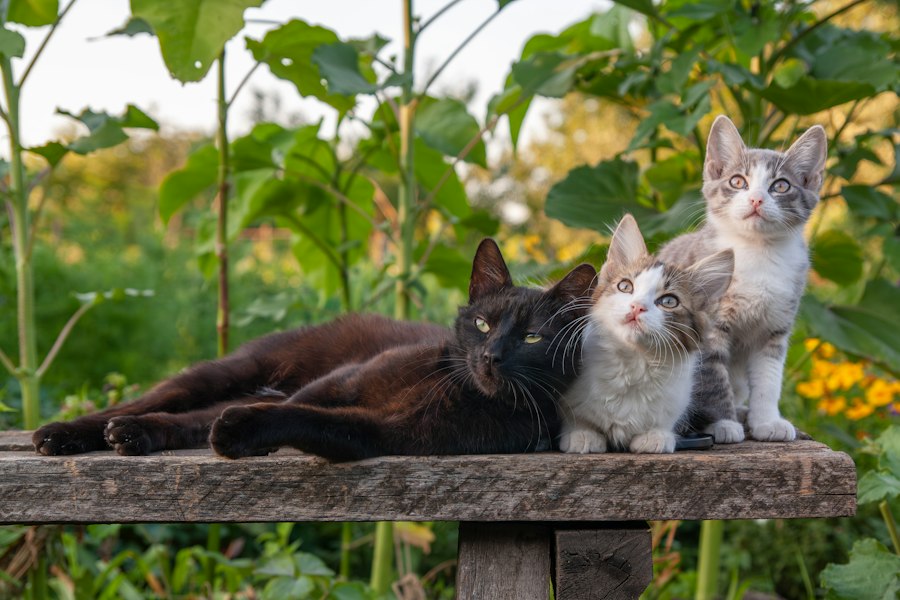
The association of black cats with bad luck is a centuries-old superstition, particularly prevalent in Western cultures. This historical baggage has unfortunately bled into modern perceptions of their health and lifespan. The narrative often suggests that due to these negative associations, black cats are more likely to be mistreated, abandoned, or subjected to less than ideal living conditions. This, in turn, is then extrapolated to suggest they have inherently shorter lifespans. However, there is no scientific evidence to support the claim that black fur color itself leads to a diminished lifespan. The genetic mutation responsible for black fur is a simple dominant gene, and it has no known detrimental effects on a cat’s overall health or aging process. The reality is that shelters often have a surplus of black cats, making them appear more prevalent when considering strays or surrendered animals. This overrepresentation can inadvertently contribute to the perception that they are somehow less fortunate or healthier.
Orange Tabbies: The Myth of the Hardy Survivor
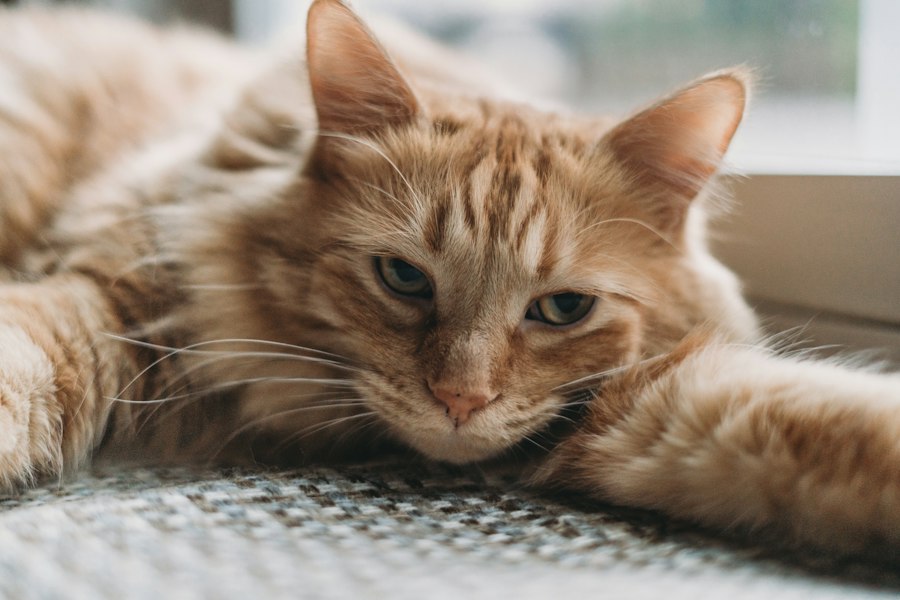
Conversely, orange tabbies often receive a reputation for being particularly hardy and long-lived. This perception might stem from their energetic and often robust personalities. Many people associate their bold nature with good health. While it’s true that some orange tabbies do live long and fulfilling lives, this is not a biological imperative tied to their coat color. The genes responsible for orange coloration are linked to the X chromosome, but this linkage does not confer any specific health advantages or disadvantages that would universally extend their lifespan. The charm and popularity of orange tabbies, similar to any beloved pet, likely play a role in owners providing them with excellent care, which is the true driver of longevity, not the specific shade of their fur.
Calicos and Tortoiseshells: The Unique Patterns and Perceived Fortunes
Calico and tortoiseshell cats, with their distinct tri-color or patched patterns, also fall prey to lifespan myths. These patterns are a result of complex genetic interactions, primarily related to X chromosome inactivation. While these genetic mechanisms are fascinating, they do not directly influence the aging process or disease susceptibility in a way that would dictate lifespan by color. Some folklore might attribute certain temperaments or destinies to these cats based on their striking appearances, but these are purely speculative and lack any scientific foundation. The prevalence of female cats among calicos and tortoiseshells (due to the genetics of coat color inheritance) might lead to certain observational biases if the comparison is not carefully controlled for sex.
While exploring the topic of cat lifespans, one might come across various charts that suggest a correlation between a cat’s color and its lifespan. However, such charts can be misleading, as they often overlook critical factors such as genetics, environment, and overall health. For a deeper understanding of why these color-based lifespan charts can be inaccurate, you can read a related article that discusses the complexities of feline health and longevity at this link.
The Science Behind Cat Lifespans: Genetics and Environment
While fur color is a visually striking trait, it is largely superficial when it comes to determining a cat’s overall health and longevity. The true determinants of how long a cat will live are a complex interplay of genetics, environment, and the quality of care it receives throughout its life. Understanding these factors provides a much more accurate picture than relying on unsubstantiated color-based theories. The genetic makeup of a cat, inherited from its parents, lays the foundation for its predispositions to certain health conditions. However, this is a far more intricate system than simple fur color inheritance.
Genetic Predispositions and Breed-Specific Concerns
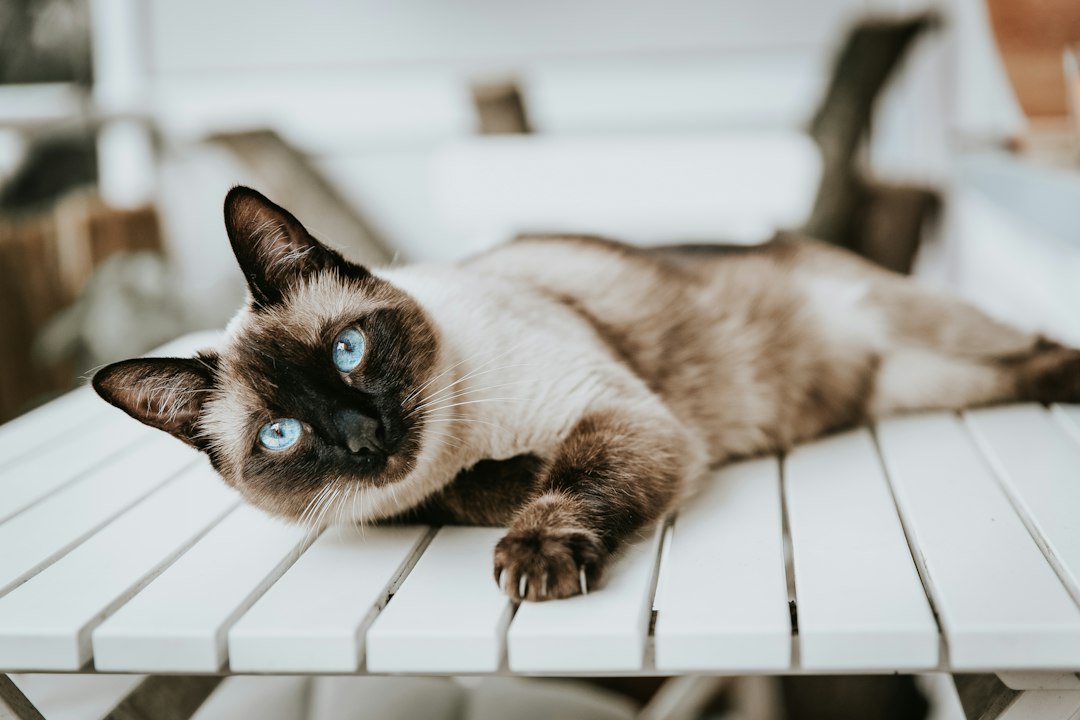
Every cat, regardless of its fur color, carries a unique genetic blueprint. This blueprint can include predispositions to certain inherited diseases. For example, certain purebred cats are known to be more susceptible to specific conditions. Siamese cats, for instance, may have a higher incidence of certain respiratory issues or amyloidosis, while Maine Coons can be prone to hypertrophic cardiomyopathy. These breed-specific genetic concerns are well-documented and have a direct impact on their potential lifespan. However, these are related to the specific genes that define the breed’s physical and sometimes temperamental characteristics, not the genes that dictate fur pigmentation. Even within mixed-breed cats, random genetic mutations and variations can influence their health and resilience. Understanding a cat’s lineage, if known, can offer some insight into potential genetic health concerns, but this is a far cry from generalizing based on coat color. The complex tapestry of genes responsible for everything from organ function to immune response plays a far more significant role than the genes controlling melanin production.
The Overarching Impact of Environment and Lifestyle
The environment in which a cat lives plays an absolutely critical role in its well-being and, consequently, its lifespan. A cat that lives exclusively indoors, protected from predators, traffic accidents, and exposure to infectious diseases prevalent in the outdoor environment, generally has a significantly higher chance of living a longer, healthier life. Indoor cats are also less likely to encounter parasites like fleas and ticks, which can transmit diseases. Their diet is typically controlled, preventing obesity, a common health issue that can lead to diabetes, arthritis, and other ailments. The psychological environment is also important. A cat living in a stress-free home with ample enrichment, social interaction, and regular playtime is likely to be healthier and happier than one living in a chaotic or neglected environment.
The Crucial Role of Veterinary Care and Nutrition
Regular veterinary check-ups are paramount for early detection and management of health issues. Vaccinations protect against deadly diseases, and preventative treatments for parasites can ward off a host of problems. Dental care, though often overlooked, is also vital, as poor oral hygiene can lead to systemic infections. Furthermore, proper nutrition is the cornerstone of good health. A balanced diet formulated for a cat’s age, activity level, and any specific health needs provides the essential nutrients for optimal organ function, a strong immune system, and overall vitality. Cats fed low-quality food or prone to obesity due to overfeeding are at a much higher risk of developing chronic diseases that will shorten their lives. Therefore, the attentive owner who prioritizes regular vet visits, a nutritious diet, and a safe, stimulating environment is the true predictor of a cat’s longevity, irrespective of its fur color.
Debunking the Myths: Why Color Doesn’t Determine Lifespan
The persistent belief that cat color influences lifespan is a prime example of correlation being mistaken for causation. It’s a classic case of observing a few instances and extrapolating a general rule that simply doesn’t hold up under scientific scrutiny. The ease with which these myths spread is a testament to how readily people accept simple explanations for complex phenomena. However, a closer examination reveals that the factors attributed to color are often superficial or misinterpreted, while the true drivers of longevity are far more profound and less visible.
The Absence of Scientific Evidence
Despite the widespread nature of these myths, there is a conspicuous lack of scientific studies that demonstrate a causal link between cat fur color and lifespan. Reputable veterinary organizations and animal welfare groups do not endorse such theories. When researchers study cat lifespans, they focus on factors like genetics (breed, known genetic conditions), lifestyle (indoor vs. outdoor), diet, reproductive status (spayed/neutered), and the presence of chronic diseases. Fur color is simply not a variable that features in their analysis of longevity. If there were a significant biological mechanism by which fur color impacted a cat’s lifespan, it would have been identified and extensively documented by the scientific community long ago. The genetic basis for coat color is well understood, and it is not intertwined with the complex biological processes that govern aging and disease resistance in a way that would favor or disadvantage certain colors.
Misinterpretations of Anecdotal Evidence
Much of the “evidence” supporting these color-based lifespan theories comes from anecdotal observations. A person might have an exceptionally long-lived black cat and believe this proves black cats are robust. Conversely, if their neighbor’s orange tabby passes away young, they might dismiss it as an outlier. This is known as confirmation bias – the tendency to favor information that confirms existing beliefs. Furthermore, the population dynamics of cats can contribute to misinterpretations. For example, black cats are often overrepresented in shelters due to societal superstitions and their commonality in mixed-breed populations. This higher visibility might lead to the perception that they are more prone to shorter lives, when in reality, it is their sheer numbers and potential for being strays that create this impression. Similarly, if a particular coat pattern is less common, any cat of that pattern living a long life might be seen as a remarkable exception, reinforcing the idea of a special quality, rather than simply a healthy cat receiving good care.
The Power of Human Intervention and Care
Ultimately, the most significant factor influencing a cat’s lifespan, overriding any supposed genetic predisposition tied to fur color, is the quality of care it receives. A well-loved, well-fed, and well-cared-for cat of any color has a much higher probability of reaching its potential lifespan. This includes providing a safe environment, appropriate veterinary care, a balanced diet, and mental stimulation. The dedication of an owner to their cat’s well-being is the true equalizer. When we see cats of any color living to be 15, 20, or even 25 years old, it is a testament to the owner’s commitment and the cat’s inherent resilience, not a characteristic dictated by the pigments in its fur. The myths serve as a distraction from the tangible actions that genuinely contribute to feline longevity.
Factors Truly Impacting a Cat’s Longevity
Moving beyond the superficiality of fur color, it’s essential to focus on the concrete elements that contribute to a cat’s lifespan. These factors are not based on speculation or folklore but on established scientific understanding and practical pet care. By understanding and addressing these key areas, cat owners can significantly improve the chances of their feline companions living long, healthy, and happy lives. This involves a holistic approach, considering the cat’s physical health, mental well-being, and the overall environment it inhabits.
Diet and Weight Management: The Foundation of Health
A balanced and appropriate diet is fundamental to a cat’s health. Cats are obligate carnivores, meaning they require nutrients found only in animal products. A diet rich in protein, with the correct balance of fats, vitamins, and minerals, is crucial. Overfeeding, or feeding a diet high in carbohydrates, can lead to obesity, a pervasive problem in domestic cats. Obesity is a gateway to numerous health issues, including diabetes mellitus, osteoarthritis, heart disease, and an increased risk of anesthetic complications. Maintaining a healthy weight throughout a cat’s life is one of the most impactful steps an owner can take to ensure longevity. This involves providing the correct portion sizes, limiting treats, and ensuring the food is of high quality, suitable for the cat’s life stage (kitten, adult, senior). Consulting with a veterinarian about the best diet for an individual cat is highly recommended.
Veterinary Care: Prevention and Early Intervention
Proactive veterinary care is indispensable. Regular check-ups allow veterinarians to monitor a cat’s health, administer vaccinations, and detect potential health problems in their early stages when they are most treatable. Spaying or neutering not only helps control pet overpopulation but also offers significant health benefits, such as reducing the risk of certain cancers (mammary, testicular, ovarian) and eliminating the risk of uterine infections. Dental health is also critical; regular dental cleanings and home care can prevent painful dental diseases that can affect a cat’s overall health and lead to more serious systemic issues. Early intervention for illnesses, whether it’s a chronic condition like kidney disease or an acute infection, can drastically improve prognosis and quality of life.
Environment and Safety: A Secure and Stimulating Home
The environment plays a pivotal role in a cat’s well-being. Indoor-only cats generally live longer than outdoor cats due to reduced exposure to dangers such as traffic accidents, fights with other animals, predation, and infectious diseases. However, indoor cats still require a stimulating environment to prevent boredom and stress. Providing opportunities for climbing, scratching, playing, and resting in safe, elevated spots is essential. Mental stimulation through interactive toys, puzzle feeders, and even supervised interaction with nature through a secure window perch can significantly enhance a cat’s quality of life. A safe and secure home environment also reduces stress, which can have a detrimental impact on a cat’s immune system and overall health. This includes providing adequate resources like litter boxes, food and water bowls, and resting places to minimize competition and conflict, especially in multi-cat households.
While many pet owners may find a cat lifespan chart by color intriguing, it can be misleading due to the numerous factors that influence a cat’s longevity beyond just their fur color. For instance, a recent article discusses how genetics, diet, and environment play crucial roles in determining a cat’s lifespan, regardless of their coat color. This highlights the importance of considering a holistic view of pet care rather than relying solely on superficial traits. To explore more about the various factors affecting a cat’s life expectancy, you can read the article here: Freaky Science.
The Enduring Power of Proper Care Over Color
| Reason | Description | Impact on Lifespan Interpretation |
|---|---|---|
| Genetic Diversity | Cat coat color is determined by a few genes and does not reflect overall genetic health or diversity. | Misleads by implying color directly affects longevity, ignoring broader genetic factors. |
| Environmental Factors | Lifespan is heavily influenced by diet, healthcare, living conditions, and lifestyle rather than color. | Charts ignoring environment may falsely attribute lifespan differences to color alone. |
| Sample Size Bias | Data sets for certain colors may be small or skewed, leading to unreliable averages. | Leads to inaccurate conclusions about lifespan differences between colors. |
| Breed Confounding | Some colors are more common in specific breeds, which have their own lifespan traits. | Color-based charts may conflate breed lifespan with color effects. |
| Health Conditions | Certain health issues are breed-related, not color-related, affecting lifespan. | Misattributes health-related lifespan differences to coat color. |
| Statistical Misinterpretation | Correlation between color and lifespan does not imply causation. | Charts may mislead viewers into believing color causes lifespan differences. |
The persistent myth that cat fur color influences lifespan is a fascinating glimpse into how humans seek patterns and explanations, even when they lack scientific basis. While the vibrant orange of a tabby or the sleek black of a midnight feline might inspire stories and associations, the reality is that these are merely aesthetic variations. The true heroes in a cat’s journey to a long and healthy life are not dictated by the pigments in their fur, but by the dedication and knowledge of their human companions. It is the attentive owner who provides a nutritious diet, ensures regular veterinary care, and fosters a safe and stimulating environment that truly dictates how many joyful years they will share with their beloved feline friend.
The ease with which these color-based myths propagate, often through anecdotal evidence and confirmation bias, highlights the importance of critical thinking and reliance on scientific understanding. While it’s natural to form attachments to our pets and observe unique traits, extrapolating broad conclusions about lifespan based on superficial characteristics is misleading. Instead of perpetuating unfounded beliefs, the focus should remain squarely on the tangible actions that demonstrably contribute to feline well-being. These actions are universal, applying to every cat, regardless of its coat’s hue.
The genetics of coat color are remarkably well-understood, and they do not intersect with the complex biological mechanisms that govern aging, disease resistance, or organ function in a way that would favor one color over another for longevity. The genetic predispositions that do affect lifespan are often breed-specific or related to inherited health conditions, which are far more intricate and scientifically studied. The energy, personality, or perceived “luck” associated with certain colors are often subjective interpretations that fail to account for the multitude of other factors at play.
Ultimately, the narrative of a cat’s lifespan is not written in its fur, but in the quality of its care. A cat receiving optimal nutrition, regular veterinary attention, and a loving, safe environment is poised for a long and fulfilling existence. Conversely, a cat, regardless of its color, living in less-than-ideal circumstances will likely face a shorter lifespan. Therefore, the most effective way to ensure a cat lives a long and healthy life is to invest in its comprehensive well-being, celebrating its individuality and providing the best possible foundation for its health, rather than relying on the unsubstantiated folklore of color-coded destinies. The true magic of a long-lived cat lies in the partnership between the animal and its devoted human, a bond forged not by pigment, but by profound care and commitment.

Which Cat Color Lives Longest? The Research Has a Twist
FAQs
What is a cat lifespan chart by color?
A cat lifespan chart by color is a visual representation that suggests certain coat colors are associated with specific lifespans in cats.
Is there scientific evidence to support the idea that a cat’s coat color affects its lifespan?
No, there is no scientific evidence to support the idea that a cat’s coat color has any direct correlation with its lifespan. Lifespan in cats is influenced by a variety of factors such as genetics, environment, diet, and overall health care.
Why is a cat lifespan chart by color misleading?
A cat lifespan chart by color is misleading because it oversimplifies a complex issue and presents inaccurate information. It can lead to false assumptions about a cat’s health and lifespan based solely on its coat color.
What are some factors that actually influence a cat’s lifespan?
Factors that influence a cat’s lifespan include genetics, breed, overall health, diet, exercise, access to veterinary care, environmental factors, and lifestyle.
How can cat owners ensure their pets live long, healthy lives regardless of coat color?
Cat owners can ensure their pets live long, healthy lives by providing proper nutrition, regular veterinary check-ups, a safe and stimulating environment, plenty of exercise, and lots of love and attention. It is important to focus on overall wellness rather than relying on misleading charts based on coat color.