The allure of feline companionship has captivated humans for millennia. From ancient Egyptian deities to modern internet sensations, cats have held a special place in our lives. While often perceived as a single entity, the domestic cat encompasses a remarkable diversity of breeds, each with its unique physical characteristics, temperaments, and, intriguingly, predispositions to certain health conditions that can influence their lifespan. Research into the status of cat breeds and their associated lifespans is a continuously evolving field, driven by a desire to understand, preserve, and enhance the well-being of these beloved animals. This exploration delves into the complexities of breed differentiation, the factors affecting feline longevity, and the insights gleaned from ongoing scientific inquiry.
The Genesis and Diversification of Cat Breeds
The domestication of the cat, believed to have originated from the African wildcat ( Felis silvestris lybica ), is thought to have occurred in the Fertile Crescent around 9,500 years ago. Initially, cats were valued for their pest control abilities, their presence alongside early agricultural communities proving mutually beneficial. Over time, selective breeding, both intentional and unintentional, began to shape the feline form. Natural mutations, coupled with human preferences for specific traits, laid the groundwork for the distinct breeds we recognize today.
Unraveling the Threads of Ancestry
Early cat populations were largely undifferentiated, with individuals conforming to a general “domestic shorthair” or “domestic longhair” phenotype. The emergence of distinct breeds can be attributed to several key factors. Geographic isolation played a significant role, allowing isolated populations to develop unique genetic profiles. For instance, the development of breeds in colder climates, such as the Norwegian Forest Cat, likely favored traits like thicker coats and larger body size for better insulation. Conversely, breeds originating from warmer regions might exhibit adaptations for heat dissipation.
The Role of Human Intervention in Breed Formation
Intentional selective breeding, often driven by aesthetic preferences or the desire for specific temperamental qualities, became more prominent in the 19th century with the rise of organized cat shows and breed registries. Breeders began to identify and propagate desirable traits, such as coat length and color, body shape, ear set, and tail structure. This led to the formalization of many breeds and the establishment of breed standards. However, this process was not always without consequence. Focusing on a narrow set of genetic traits within a small founding population can inadvertently concentrate genes associated with health problems, a phenomenon known as the “bottleneck effect.”
Defining a Breed: More Than Just Appearance
While appearance is often the most visible aspect of breed differentiation, it is crucial to understand that breeds are also characterized by genetic makeup and, to some extent, behavioral predispositions. Genetic studies have begun to map the evolutionary history of cat breeds, tracing their lineage and identifying specific gene variations that define them. These studies highlight the genetic diversity that exists between breeds, even those that may appear superficially similar. Understanding this genetic landscape is fundamental to appreciating the differences in their health profiles and, consequently, their lifespans.
Recent research into the lifespan and health status of various cat breeds has shed light on the factors that contribute to their longevity. For a deeper understanding of this topic, you can explore the article on cat breed status and lifespan research available at this link. This article provides valuable insights into how genetics, environment, and care practices influence the well-being of our feline companions.
Factors Influencing Feline Lifespan: Beyond Genetics
While breed can certainly play a role in a cat’s health and longevity, it is merely one piece of a complex puzzle. Numerous other factors contribute to how long a feline companion will live, from the care they receive to the environment they inhabit. A comprehensive understanding of these influences is vital for promoting optimal feline well-being.
The Cornerstone of Longevity: Nutrition and Diet
A well-balanced and appropriate diet is paramount for maintaining a cat’s health throughout its life. Cats are obligate carnivores, meaning their bodies are designed to thrive on a diet rich in animal-based protein. Deficiencies or excesses in specific nutrients can lead to a cascade of health issues, impacting everything from immune function to organ health. Research consistently shows that diets formulated to meet the specific nutritional needs of cats, tailored to their life stage (kitten, adult, senior) and any pre-existing health conditions, can significantly contribute to a longer, healthier life. Conversely, diets high in carbohydrates or lacking essential amino acids can contribute to obesity, diabetes, and other metabolic disorders, all of which can shorten lifespan.
The Shield Against Illness: Veterinary Care and Preventative Medicine
Regular veterinary check-ups are not just for when a cat is sick. Proactive veterinary care, including vaccinations, parasite control, dental cleanings, and early disease detection through routine blood work and physical examinations, can prevent many common feline ailments from becoming serious or fatal. The early identification and management of conditions such as kidney disease, hyperthyroidism, and heart conditions can dramatically improve a cat’s quality of life and extend its lifespan. Furthermore, the availability of advanced diagnostic tools and treatment options in modern veterinary medicine has revolutionized the management of feline health.
The Impact of Environment: Indoor vs. Outdoor Living
The debate over indoor versus outdoor cats is long-standing, with significant implications for lifespan. Indoor cats are generally protected from a multitude of dangers that outdoor felines face, including traffic accidents, predation by larger animals, fights with other cats (which can lead to abscesses and the transmission of diseases like FIV and FeLV), exposure to toxins, and extreme weather conditions. While outdoor access can offer enrichment and opportunities for natural behaviors, the risks are substantial. Studies consistently indicate that indoor cats tend to live significantly longer than their outdoor counterparts, often by several years.
The Silent Threat: Stress and Mental Well-being
Just like humans, cats can suffer from the negative effects of stress. A stressful environment, characterized by lack of routine, conflict with other pets or humans, insufficient resources (like litter boxes or feeding stations), or significant changes in their household, can lead to a range of physical and behavioral problems. Chronic stress can suppress the immune system, making cats more susceptible to illness, and can exacerbate existing health conditions. Providing a stable, predictable, and enriching environment is crucial for a cat’s mental and physical well-being, indirectly contributing to its longevity.
Breed-Specific Lifespans: Trends and Observations

While generalizations can be misleading, research and anecdotal evidence have illuminated certain trends in the lifespans of various cat breeds. These observations are often a confluence of genetic predispositions, breed-specific health concerns, and the general care and lifestyle afforded to them. It is important to reiterate that these are trends, and individual cats within any breed can deviate significantly due to the factors discussed previously.
The Endurance of the Domestic Shorthair and Longhair
The ubiquitous domestic shorthair and domestic longhair, often referred to as “mixed breeds” or “moggies,” typically exhibit impressive longevity. Lacking the intense selective breeding that can concentrate genetic weaknesses, these cats generally possess a robust and diverse gene pool. This genetic variability often translates to a lower incidence of specific breed-related health issues. The average lifespan for a healthy domestic cat, with good nutrition and veterinary care, often ranges from 12 to 18 years, with many living well into their early twenties.
Breeds with Noteworthy Longevity
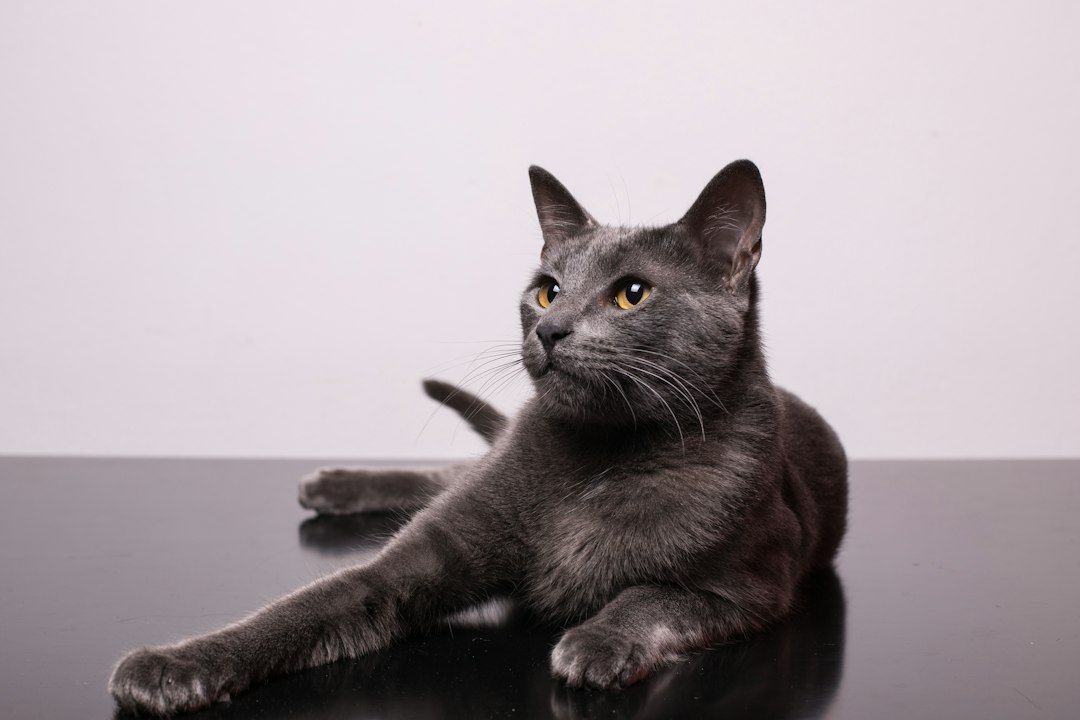
Certain breeds, even those with distinct characteristics, are often noted for their robust health and extended lifespans. The Maine Coon, known for its large size and gentle nature, frequently lives between 10 to 13 years, with many exceeding this. The Abyssinian, an active and intelligent breed, also enjoys a generally long life, often in the range of 10 to 15 years. The Russian Blue, with its striking silver coat, is another breed known for its good health and potential to live 15 years or more. These breeds, while distinct, often share a history that involves less extreme selective pressures compared to some more recent or heavily refined breeds.
Breeds Facing Specific Health Challenges and Shorter Lifespans
Conversely, some breeds, due to their unique physical traits that have been selectively amplified, can be predisposed to certain health conditions that may impact their lifespan.
The Persian and its Respiratory and Ocular Concerns
The Persian cat, with its distinctive flat face (brachycephalic) and luxuriant coat, often faces health challenges. The extreme facial structure can lead to brachycephalic obstructive airway syndrome (BOAS), causing breathing difficulties and heat intolerance. Their large, protruding eyes are also prone to tear staining, infections, and other ocular problems. While a well-cared-for Persian can live 10 to 17 years, these breed-specific issues can require ongoing management and may impact their overall quality of life and lifespan.
The Scottish Fold and its Cartilage Anomalies
The Scottish Fold is instantly recognizable by its folded ears, a trait caused by a genetic mutation affecting cartilage development. While the folding trait is charming to many, it is linked to osteochondrodysplasia, a condition that can affect the bones and cartilage throughout the body. This can lead to arthritis, stiffness, and pain, particularly in the tail, paws, and spine. The average lifespan of a Scottish Fold is often cited as being shorter than many other breeds, typically ranging from 11 to 14 years, due to the potential for these degenerative joint conditions. Responsible breeding practices focus on mitigating the severity of this condition.
The Sphynx and its Skin and Cardiac Predispositions
The Sphynx cat, known for its lack of fur, presents its own set of considerations. While they don’t suffer from the grooming issues of long-haired cats, their exposed skin is prone to sunburn and skin irritations. They also have a higher body temperature, requiring them to seek warmth. More significantly, some lines of Sphynx cats are predisposed to hypertrophic cardiomyopathy (HCM), a common heart disease in cats that can lead to heart failure. The average lifespan for a Sphynx is typically around 10 to 15 years, but diligent monitoring for cardiac health is crucial.
The Complexity of “Average” Lifespans
It is vital to understand that “average” lifespans are statistical figures derived from population data. They do not dictate the fate of any individual cat. A cat from a breed with a potentially shorter average lifespan can live a long and healthy life with excellent care, just as a cat from a breed known for longevity can succumb to illness or accident at a younger age. The individual health history, genetic variability within the breed, and the quality of care received are ultimately the most significant determinants of a cat’s longevity.
Ongoing Research and Future Directions
The scientific community continues to invest in understanding feline health and longevity. Research efforts are focused on a variety of areas, aiming to improve diagnostic capabilities, develop novel treatments, and better understand the genetic underpinnings of health and disease across different breeds.
Genetic Research and Disease Identification
Advanced genetic sequencing technologies are revolutionizing our understanding of feline genetics. Researchers are working to identify specific gene mutations that predispose certain breeds to particular diseases. This knowledge is invaluable for developing genetic screening tests, allowing breeders to make more informed decisions to reduce the incidence of inherited conditions. Furthermore, understanding the genetic basis of traits like coat color, body type, and temperament can help in breeding programs that prioritize health and well-being alongside aesthetic appeal. Projects are underway to create comprehensive feline genome databases, which will serve as a cornerstone for future research.
Advancements in Veterinary Medicine and Therapeutics
The field of veterinary medicine is constantly evolving. Breakthroughs in diagnostics, such as improved imaging techniques (MRI, CT scans) and more sensitive blood tests, allow for earlier and more accurate diagnoses of feline diseases. The development of targeted therapies, including novel medications for conditions like cancer, kidney disease, and autoimmune disorders, is also extending the lives and improving the quality of life for many cats. Research into regenerative medicine and the use of stem cells holds promise for future treatment modalities.
The Role of Breed Registries and Welfare Organizations
Breed registries and feline welfare organizations play a crucial role in collecting data and promoting responsible breeding practices. By tracking health issues within specific breeds and advocating for health testing protocols, these organizations contribute to a better understanding of breed-specific health trends. Their efforts to educate owners and breeders about genetic predispositions and the importance of preventative care are instrumental in improving the overall health and lifespan of cats. Collaboration between researchers, veterinarians, and these organizations is essential for translating scientific findings into practical improvements for feline welfare.
Recent studies on cat breed status and lifespan have shed light on the health and longevity of various feline breeds. For those interested in a deeper dive into this topic, a related article can be found at Freaky Science, which explores the impact of genetics and environment on the lifespan of different cat breeds. Understanding these factors can help prospective cat owners make informed decisions about which breed might be the best fit for their lifestyle and expectations.
Ethical Considerations in Breed Development and Preservation
| Cat Breed | Status | Average Lifespan (Years) | Research Notes |
|---|---|---|---|
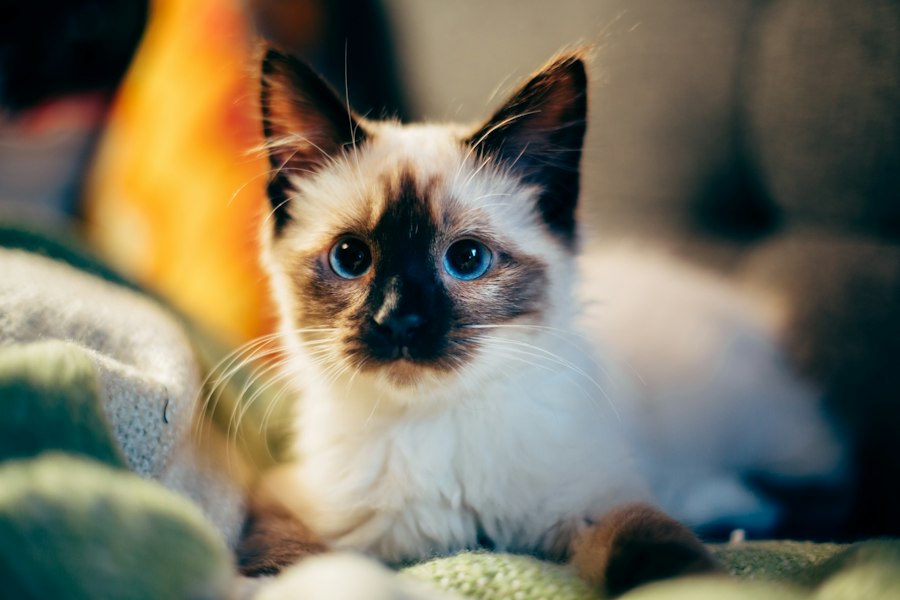
| Siamese | Common | 12-20 | Known for longevity; prone to respiratory issues |
| Maine Coon | Common | 10-13 | Large breed; susceptible to hypertrophic cardiomyopathy |
| Scottish Fold | Rare | 11-14 | Genetic cartilage mutation affects ear fold and joint health |
| Persian | Common | 12-17 | Prone to polycystic kidney disease and respiratory issues |
| Russian Blue | Uncommon | 15-20 | Generally healthy with few breed-specific diseases |
| Bengal | Uncommon | 12-16 | Active breed; some risk of progressive retinal atrophy |
| Ragdoll | Common | 12-17 | Prone to hypertrophic cardiomyopathy and bladder stones |
| British Shorthair | Common | 12-20 | Robust breed; occasional heart and kidney issues |
The pursuit of specific breed characteristics, while often well-intentioned, raises important ethical considerations regarding animal welfare. The emphasis on extreme traits can, in some cases, lead to suffering and compromise a cat’s quality of life. Therefore, the responsible development and preservation of cat breeds must be guided by a commitment to the well-being of the animals.
Prioritizing Health Over Extreme Traits
A fundamental ethical principle in breeding is the prioritization of health and welfare above all else. This means actively discouraging breeding practices that result in traits that cause pain, discomfort, or significantly reduce a cat’s ability to live a normal, healthy life. For breeds where certain traits are linked to health problems, the focus should be on selecting breeding animals with the mildest expression of these traits, or even discontinuing breeding for those specific extreme characteristics altogether if they cannot be managed safely. The development of “functional” or “healthier” variations of breeds that have become compromised by extreme conformation is an ongoing area of discussion.
The Importance of Genetic Diversity
Maintaining genetic diversity within breeds is critical for long-term health and resilience. Over-reliance on a limited number of breeding individuals can lead to a loss of genetic variation, making the population more susceptible to inherited diseases. Responsible breeding programs strive to broaden the genetic base by introducing new bloodlines and avoiding excessive inbreeding. This can be a delicate balance, as it requires careful genetic management to avoid introducing new health issues while still promoting diversity.
Education and Responsible Ownership
Ultimately, the lifespan and well-being of any cat, regardless of breed, are profoundly influenced by the choices of its owner. Educating prospective owners about the specific needs, potential health concerns, and expected lifespan of different breeds is paramount. Responsible ownership involves providing a proper diet, regular veterinary care, a safe and stimulating environment, and ample love and attention. By making informed decisions and committing to providing the best possible care, owners can significantly contribute to their feline companions living long, healthy, and fulfilling lives. The research on cat breed status and lifespan continues to provide invaluable insights, empowering us to better understand and care for these cherished members of our families.

Which Cat Color Lives Longest? The Research Has a Twist
FAQs
What is the current status of cat breed research?
Research on cat breeds is ongoing, with scientists studying various aspects such as genetics, behavior, and health to better understand the different breeds.
How does lifespan vary among different cat breeds?
Lifespan can vary significantly among different cat breeds, with some breeds living longer than others. Factors such as genetics, environment, and healthcare can all influence a cat’s lifespan.
Are there any cat breeds known for their longevity?
Yes, some cat breeds are known for their longevity, with certain breeds such as the Siamese, Russian Blue, and Burmese known to live longer than average.
What factors can affect a cat’s lifespan?
Various factors can affect a cat’s lifespan, including genetics, diet, exercise, environment, and access to veterinary care. Providing proper care and attention can help extend a cat’s lifespan.
How can cat breed research benefit cat owners and breeders?
Cat breed research can benefit cat owners and breeders by providing valuable insights into breed-specific health issues, behavior traits, and care requirements. This information can help owners provide better care for their cats and help breeders make informed decisions to improve the health and well-being of their cats.