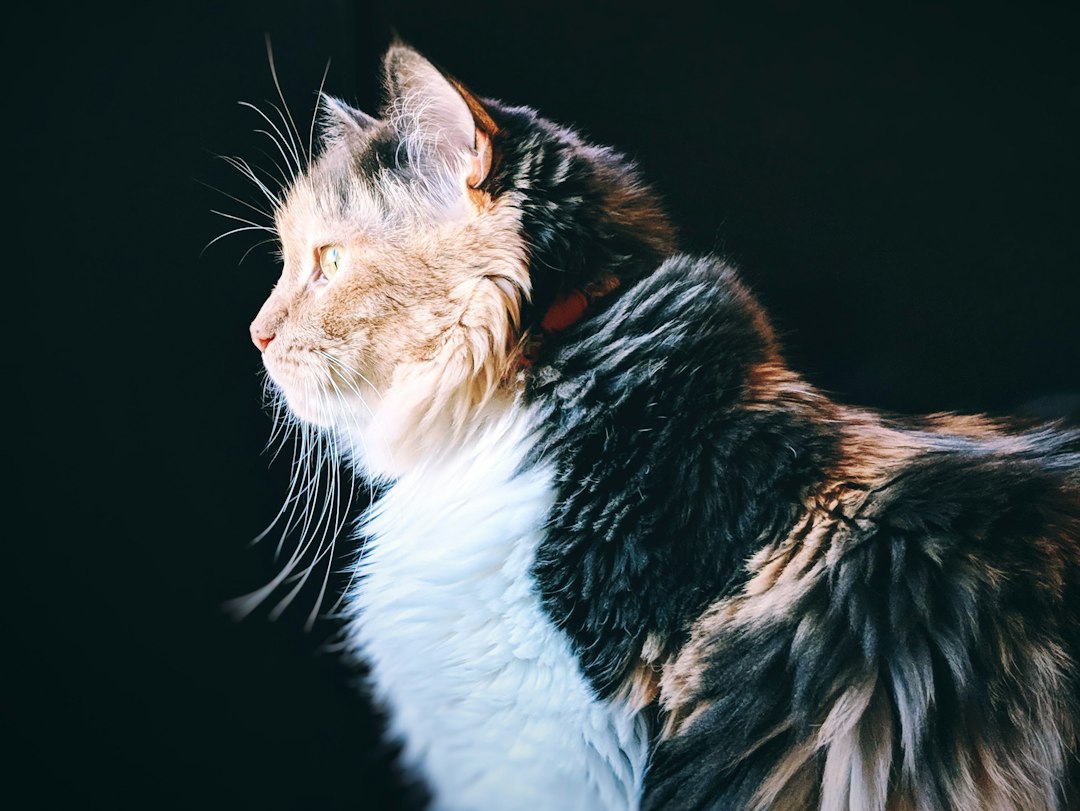
The vibrant spectrum of feline coat colors, from the deepest obsidian to the most delicate calico patterns, is a source of endless fascination for cat enthusiasts. Beyond their aesthetic appeal, however, these variations in fur pigmentation have been observed to correlate with certain health predispositions. While it is crucial to emphasize that coat color is not a direct determinant of a cat’s health status, scientific research and veterinary observations have identified intriguing links that can inform responsible pet ownership and proactive care. Understanding these connections allows owners to be more attuned to potential issues and to provide the best possible environment and medical attention for their beloved companions.
The Genetic Basis of Feline Coat Color and Its Health Implications
The intricate tapestry of a cat’s coat color is woven by a complex interplay of genes, pigments, and their distribution. At the heart of this genetic machinery lies the melanocyte, a specialized cell responsible for producing melanin, the primary pigment responsible for color in mammals. The two main types of melanin, eumelanin (black/brown) and pheomelanin (red/yellow), are dictated by various genes, and their expression, dilution, and patterning create the vast array of feline coat colors we see. Certain genetic pathways that influence pigmentation can, inadvertently, also affect other physiological processes, leading to observable health correlations.
The Role of Melanin and Pigment Genes
Melanin production is a sophisticated biological process. The gene responsible for the production of eumelanin, for instance, is located on the X chromosome. This has significant implications for sex-linked traits, particularly in relation to certain color patterns. The MC1R gene is another critical player, influencing the switch between eumelanin and pheomelanin production. Mutations or variations in these genes, and others controlling the distribution and dilution of pigments, lead to a wide range of colors including black, brown, red (ginger), cream, and their diluted versions like blue (gray) and lilac. The complexity of inheritance patterns, such as those involved in tabby striping, tortoiseshell, and calico coloration, further adds to the diversity.
Understanding Epigenetics and Pleiotropy
Beyond the direct action of pigment genes, epigenetics can also play a subtle role. Epigenetic modifications are changes in gene expression that do not involve alterations to the underlying DNA sequence. Environmental factors and developmental processes can influence these modifications, potentially affecting how pigment genes are expressed and, indirectly, other health-related genes. Furthermore, the concept of pleiotropy, where a single gene influences multiple phenotypic traits, is highly relevant. A gene responsible for pigment formation might also have other functions within the body that are not immediately obvious, and variations in such genes could therefore manifest in both coat color and a predisposition to certain health conditions.
Research has shown that a cat’s coat color can sometimes be linked to its individual health, with certain colors being associated with specific genetic traits. For a deeper understanding of this intriguing relationship, you can explore the article on Freaky Science that discusses how various coat colors may influence health outcomes in cats. To read more about this fascinating topic, visit Freaky Science.
The Unique Case of Orange and Tortoiseshell Cats: Gender and Health
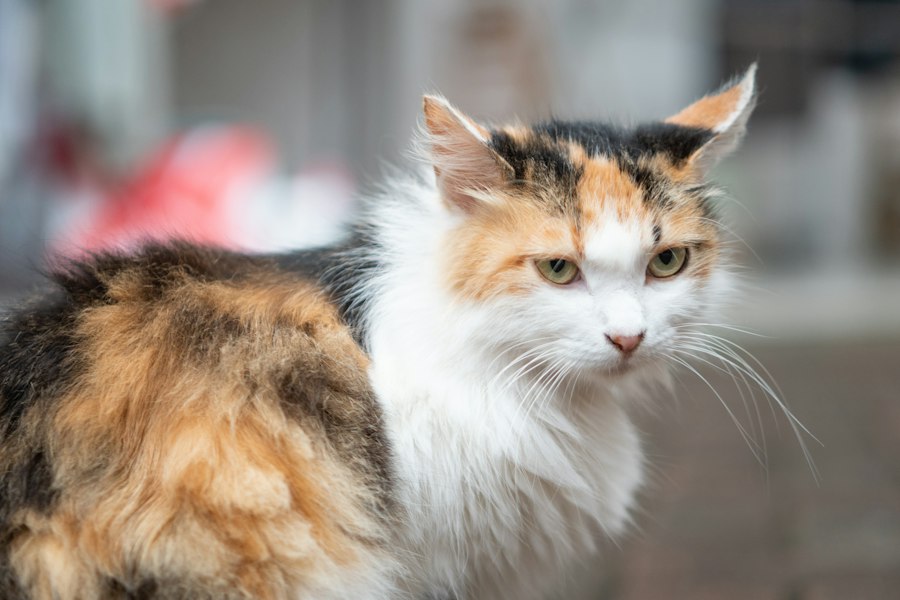
Perhaps the most well-established and striking link between coat color and health in cats involves orange (ginger) and tortoiseshell (and calico, which is a mosaic of white, black, and orange) coloration. This connection is deeply rooted in the genetics of sex determination and the influence of the X chromosome.
The X Chromosome Connection
In mammals, sex is determined by the presence of sex chromosomes. Females typically have two X chromosomes (XX), while males have one X and one Y chromosome (XY). The gene responsible for orange coloration, or more accurately, the gene that determines the production of pheomelanin (red pigment), is located on the X chromosome. This means that if a cat inherits an X chromosome carrying the allele for orange, it will be at least partly orange in color.
Why Are Most Orange and Tortoiseshell Cats Female?
Since females have two X chromosomes, they can inherit different alleles for the orange gene on each. If one X chromosome carries the orange allele and the other carries a non-orange allele (e.g., for black or brown), the resulting cat will display a mosaic pattern of orange and non-orange patches – the characteristic tortoiseshell or calico. This random inactivation of one X chromosome in each cell during development, known as X-inactivation or lyonization, leads to the patchy distribution of colors.
Males, with only one X chromosome, will either inherit the orange allele and be fully orange (or predominantly orange with tabby markings), or they will not inherit it and will be a different color. This explains why the vast majority of orange and tortoiseshell cats are female. Male tortoiseshell or calico cats are rare genetic anomalies, typically resulting from a Klinefelter syndrome-like condition (XXY genotype) which can lead to infertility.
Health Considerations for Orange and Tortoiseshell Felines
While the genetic basis for these coat colors is fascinating, it also brings certain health considerations into focus.
Cancer Predispositions in Orange and Tortoiseshell Cats
Studies have suggested a slightly increased incidence of certain cancers, particularly mammary tumors, in female tortoiseshell and calico cats. The exact mechanisms behind this are still being investigated, but one theory points to the presence of the orange gene on both X chromosomes in some individuals. This increased expression of genes on the X chromosome might, in some cases, influence cellular growth and proliferation pathways, potentially increasing the risk of developing cancerous growths. It is important to note that this is a statistical observation, and many tortoiseshell and calico cats live long and healthy lives without ever developing cancer. However, owners of these cats may wish to be particularly vigilant for any signs of lumps or unusual growths and to maintain regular veterinary check-ups.
Urinary Tract Issues in Male Orange Cats
Although rarer, male orange cats, particularly those with XY chromosomes, can sometimes be more prone to certain urinary tract issues, including urinary stones or blockages. This link is less well-defined than the cancer predisposition in females, and the contributing factors are likely multifaceted, possibly involving genetic predispositions or hormonal influences that might be subtly altered by the expression of genes on the X chromosome. Again, this is a general observation, and many male orange cats have perfectly healthy urinary systems.
Solid White and Deafness: A Pigment and Sensory Connection
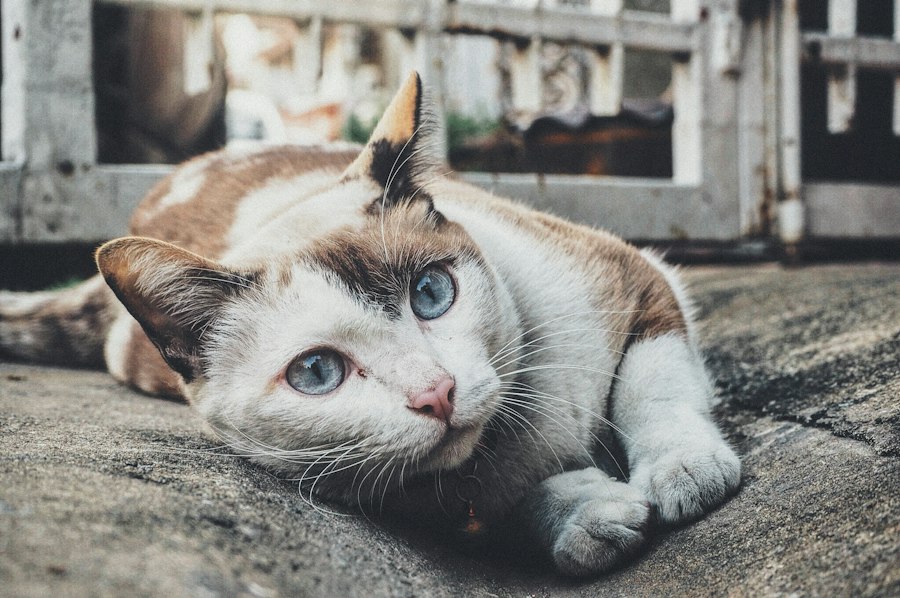
Solid white cats, particularly those with blue eyes, have a well-documented association with deafness. This link stems from the complex genetic interplay that influences both coat color and the development of the inner ear.
The Dominant White Gene (W)
The gene responsible for solid white coloration in cats is known as the dominant white gene (W). When this gene is present, it masks the expression of all other color genes, resulting in a completely white coat regardless of the cat’s underlying genetic color. This gene acts as a “blocker” for pigment production.
The Link Between White Fur and Blue Eyes
In many cases, particularly with the dominant white gene, the same genetic pathway that prevents pigment production in the fur also affects pigment development in the iris of the eye. This can lead to blue eyes. It is important to distinguish between cats that are white due to the dominant white gene and those that are white due to the recessive gene for white spotting (which can result in cats with colored patches underneath their white fur).
The Inner Ear Connection
The development of melanocytes, the cells that produce pigment, is also crucial for the development of the hair cells within the cochlea of the inner ear. These hair cells are responsible for transmitting sound signals to the brain. In cats with the dominant white gene and blue eyes, particularly if they have blue eyes on both sides, there is a significant risk of these melanocytes failing to migrate to or develop properly within the inner ear. This can result in a lack of functional hair cells, leading to congenital deafness.
Genetic Variations and Degrees of Deafness
The likelihood of deafness is highest in solid white cats with two blue eyes. White cats with one blue eye and one of another color (heterochromia) often have hearing impairment in the ear on the blue-eyed side. White cats with no blue eyes are less likely to be deaf, though not entirely immune. There can also be partial deafness or varying degrees of hearing loss. This is a classic example of pleiotropy, where a single gene (dominant white) influences both coat color and a sensory system.
Other Notable Coat Color-Health Associations
While the connections involving orange/tortoiseshell cats and white cats with blue eyes are perhaps the most widely recognized, ongoing research and veterinary observations continue to reveal other subtle links between coat color and health.
Dilute Colors and Potential Sensitivities
Dilute colors, such as blue (gray), lilac, and cream, are essentially lighter versions of black, brown, and red, respectively, due to a dilution gene that lightens the pigment. Some anecdotal evidence and early research suggest that cats with dilute coats might be more prone to certain skin conditions or allergies. The precise mechanisms are not fully understood, but it is hypothesized that the altered pigment structure might make their skin or fur more sensitive to environmental factors or allergens. This is an area that requires further scientific investigation.
Siamese and Colorpoint Cats and Certain Eye Conditions
Siamese and other colorpoint cats, characterized by their darker extremities (ears, face, paws, tail) and lighter bodies, are genetically predisposed to a condition known as progressive retinal atrophy (PRA). This is an inherited degenerative disease of the retina that can lead to blindness. The gene responsible for the colorpoint pattern in these breeds is also linked to the development of the optic nerve and retina. While not all Siamese cats will develop PRA, it is a known health concern within these breeds, and genetic testing is available to screen for the mutation.
Abyssinians and Dental Issues
The Abyssinian breed, known for its ticked coat pattern, has been observed to have a slightly higher predisposition to periodontal disease. The exact reasons for this are not definitively established, but it is speculated that it could be related to genetic factors influencing the overall health of their oral tissues or a subtle predisposition to plaque accumulation. Regular dental care and professional cleanings are therefore particularly important for Abyssinians.
Recent studies have suggested intriguing connections between a cat’s coat color and its overall health, highlighting how certain colors may be linked to specific genetic traits. For those interested in exploring this topic further, a related article discusses the implications of these findings in greater detail, shedding light on the fascinating relationship between feline appearance and well-being. You can read more about it in this insightful piece on freakyscience.com. Understanding these connections can help cat owners make informed decisions about their pets’ care and health management.
Responsible Ownership and Proactive Care
| Coat Color | Common Health Issues | Average Lifespan (Years) | Genetic Considerations | Notes |
|---|---|---|---|---|
| Black | Generally healthy; some studies suggest better immune response | 12-16 | Melanin may provide some UV protection | Often considered robust in health |
| White | Higher risk of deafness and skin cancer | 10-14 | Associated with blue eyes and deafness gene | Sun protection recommended |
| Orange (Ginger) | Prone to obesity and diabetes | 11-15 | Mostly male due to X-linked gene | May have more aggressive behavior |
| Calico/Tricolor | Generally healthy; rare male calicos may have genetic abnormalities | 12-16 | Almost always female; linked to X chromosome | Rare males often sterile |
| Gray (Blue) | Generally healthy; some breeds prone to hypertrophic cardiomyopathy | 12-16 | Color linked to dilution gene | Breed-specific health screening advised |
Understanding the potential links between coat color and health is not about fostering fear or limiting a cat’s potential. Instead, it empowers owners to be more informed and proactive in their approach to feline well-being.
Vigilance and Early Detection
For owners of orange and tortoiseshell cats, maintaining a heightened awareness of any lumps or changes in their pet’s body, especially around the mammary glands, is a prudent measure. Similarly, owners of white cats with blue eyes should be aware of the potential for deafness. Regular veterinary check-ups are crucial for all cats, but for those with known predispositions, these visits become even more important for early detection and intervention.
Tailored Veterinary Care and Genetic Testing
When discussing coat color with a veterinarian, owners can facilitate more tailored care. For example, if a cat is a white cat with blue eyes, the veterinarian might perform a hearing test during kittenhood or advise on strategies for managing a deaf cat. For breeds with known genetic health issues linked to coat color, like Siamese cats and PRA, discussing genetic testing with the vet can help assess risk and plan for long-term eye care.
The Importance of Diet and Lifestyle
While genetic predispositions exist, a cat’s overall health is significantly influenced by their diet, lifestyle, and the environment they live in. A balanced and appropriate diet, regular exercise, a stimulating environment, and prompt veterinary attention for any signs of illness are paramount for all cats, regardless of their coat color. These factors can often mitigate or delay the onset of genetically influenced health problems.
In conclusion, the captivating diversity of feline coat colors is more than just a superficial characteristic. It is a reflection of the intricate genetic blueprint that shapes not only a cat’s appearance but also, in some instances, its susceptibility to certain health conditions. By appreciating these links and working closely with veterinary professionals, cat owners can provide the best possible care, ensuring their feline companions lead healthy, happy, and long lives, adorned in their magnificent, and sometimes telltale, coats.
Which Cat Color Lives Longest? The Research Has a Twist
FAQs
What role does coat color play in a cat’s health?
Coat color in cats does not directly impact their health. It is primarily determined by genetics and does not have a direct correlation with their overall well-being.
Are certain coat colors more prone to health issues in cats?
There is no scientific evidence to suggest that specific coat colors are more prone to health issues in cats. Health concerns are more likely to be influenced by genetics, environment, and individual factors rather than coat color.
Can coat color affect a cat’s susceptibility to certain diseases?
There is no conclusive evidence to support the idea that coat color affects a cat’s susceptibility to certain diseases. Health conditions are typically influenced by a combination of genetic predisposition, lifestyle factors, and overall health status.
Do certain coat colors indicate better health in cats?
There is no direct correlation between coat color and overall health in cats. A cat’s health is determined by various factors such as genetics, diet, exercise, and veterinary care rather than their coat color.
Can coat color impact a cat’s behavior or temperament?
Coat color does not have a direct impact on a cat’s behavior or temperament. A cat’s personality is more influenced by factors such as genetics, early socialization, and individual experiences rather than their coat color.