Understanding the Unique Vulnerabilities of White Cats and Sun-Exposed Skin
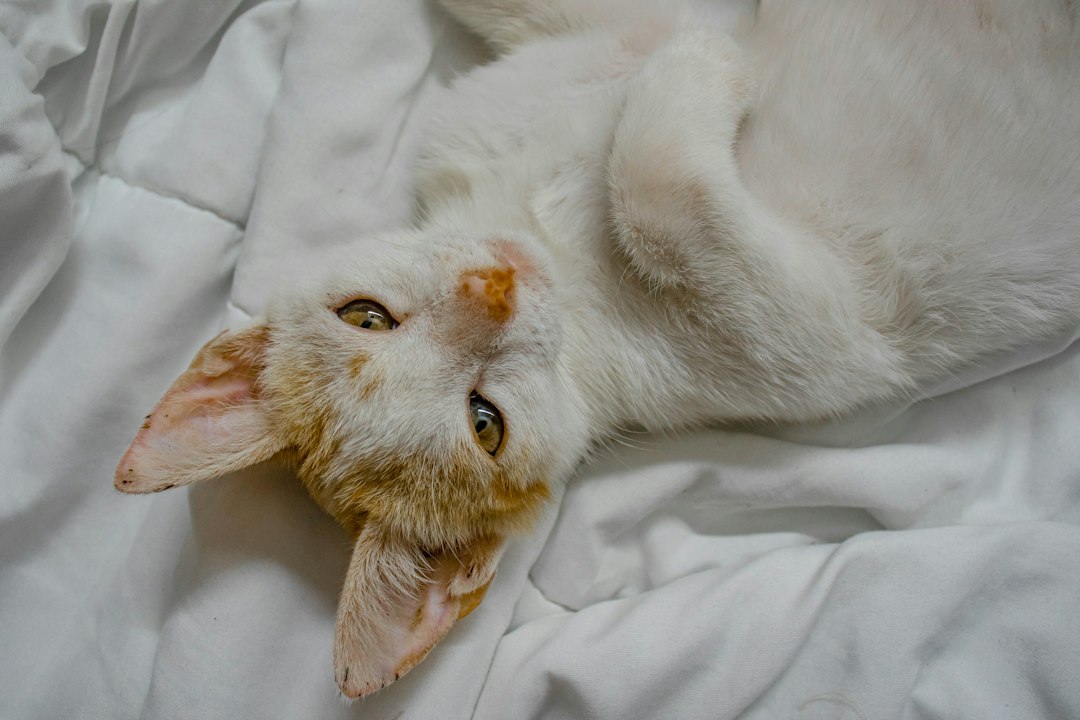
White cats, with their elegant snowy coats and often striking pink noses and ears, are undeniably beautiful. However, this aesthetic appeal comes with a significant caveat: increased susceptibility to sun damage. The very lack of pigment that defines their pristine appearance also renders their skin far more vulnerable to the harmful effects of ultraviolet (UV) radiation from the sun. Unlike cats with darker pigmentation, white cats possess fewer melanocytes, the cells responsible for producing melanin, the natural pigment that acts as a protective shield against UV rays. This deficiency means that sunlight can penetrate their skin more readily, leading to a range of detrimental health issues, from uncomfortable sunburns to more serious conditions like skin cancer. Recognizing these vulnerabilities is the first crucial step in ensuring the well-being of these beloved felines. The pink skin, particularly on their noses, ears, and eyelids, is particularly at risk due to its exposed nature and lack of melanin. These areas are frequently the first to show signs of sun irritation. Furthermore, it’s not just about visible sunburn; prolonged and repeated exposure to UV radiation can cause cellular damage over time, which may not be immediately apparent but can contribute to the development of long-term problems. Therefore, a proactive and informed approach to sun protection is not merely a recommendation but an essential part of responsible pet ownership for owners of white cats.
The Science Behind the Burn: Why White Fur Isn’t Always Enough
While a cat’s fur provides a natural barrier against the elements, it is not an infallible shield against the sun’s intensity, especially for white cats. The fur, particularly if it is sparse or thin, can still allow UV rays to reach the underlying skin. For white cats, the absence of pigment in their skin means that even if the fur offers some minimal protection, the skin itself is unable to defend against the damaging rays. Think of it like wearing a sheer white t-shirt on a very sunny day; while the fabric covers you, it offers very little protection from the sun’s potent rays, and you’re still likely to get a sunburn. Similarly, the fur of a white cat might offer a slight diffusion of sunlight, but it cannot absorb or block the UV radiation effectively. The areas most at risk are those with less fur or thinner fur coverage, and of course, the exposed pink skin. This includes the tips of the ears, the nose, around the eyes, and any areas where the fur might be thinning due to age, grooming habits, or medical conditions. Understanding that fur alone is not sufficient protection is paramount. It highlights the necessity of additional preventative measures, particularly for outdoor-dwelling or sun-loving white felines. The effectiveness of fur as a sunblock is also dependent on its density and length; a thick, luxuriant coat offers more protection than a short, sparse one. For white cats, even with a dense coat, the lack of pigment in the skin remains a critical factor in their vulnerability.
White cats, known for their striking appearance, often face unique challenges when it comes to sun exposure. Their light-colored fur provides little protection against harmful UV rays, making them more susceptible to skin issues such as sunburn and even skin cancer. For a deeper understanding of the risks associated with sun exposure for white cats and tips on how to protect them, you can read the related article at Freaky Science.
Identifying the Signs: Recognizing Sunburn and Sun Damage in White Cats

Observing your white cat for signs of sun exposure is a vital part of their care. Sunburn in cats, much like in humans, can range from mild redness and discomfort to more severe blistering and peeling. The most common areas to check are the tips of the ears, the nose, and any areas of thinly furred skin. Initially, you might notice that your cat is acting uncomfortably, perhaps scratching at their ears or nose more than usual, or licking these areas excessively. Upon closer inspection, you may see redness, warmth to the touch, and a general irritated appearance. In more advanced cases, you might observe flaking skin, crusting, or even open sores. It’s important to remember that cats, being naturally clean animals, will often try to groom away discomfort. This grooming behavior can sometimes mask the early signs of sunburn, making it even more crucial to conduct regular visual checks, especially after periods of extended sun exposure. Beyond immediate sunburn, chronic sun exposure can lead to more insidious damage, such as hyperpigmentation (darkening of the skin) in response to repeated injury, and the development of actinic keratoses – pre-cancerous lesions that appear as rough, scaly patches. These are often found on the ear tips and nose. Recognizing these early warning signs allows for prompt intervention and can significantly reduce the risk of developing more serious conditions.
Subtle Signals: What to Look For Beyond Obvious Redness
While redness is a clear indicator of sunburn, cats can exhibit more subtle signs of sun irritation or damage that owners might overlook. Changes in behavior are often the first clue. A cat that was previously content to bask in a sunny spot might suddenly become restless, move away from the sun frequently, or appear more withdrawn. They might groom themselves excessively in specific areas, indicating localized irritation. You might notice them pawing at their ears or nose, or rubbing their face against furniture more than usual. A decrease in appetite or general lethargy can also be a sign of discomfort, especially if it coincides with recent sun exposure. Physically, look for any changes in the texture or appearance of the skin. Even without overt redness, you might detect a slight puffiness or swelling in the affected areas, particularly the ear tips. In some cases, the fur in areas of repeated sun exposure might become brittle or discolored. For white cats, pay close attention to their nose. If it appears unusually dry, cracked, or is being frequently licked, it’s a sign that it might be sun-irritated. Similarly, the eyelids and the skin around the eyes are sensitive areas; watch for any signs of squinting or excessive blinking, which can indicate discomfort from light sensitivity or irritation. These subtle signals, when observed in conjunction with potential sun exposure, warrant closer investigation and protective measures.
Implementing Protective Measures: Safeguarding Your White Cat from the Sun
Protecting your white cat from the sun involves a multi-faceted approach, combining environmental modifications, behavioral management, and, in some cases, topical applications. The primary goal is to limit direct and prolonged exposure to the sun’s harmful UV rays. This is especially critical during peak sunlight hours, typically between 10 a.m. and 4 p.m. For indoor cats, simply ensuring they have access to shaded areas within the home and keeping curtains or blinds drawn during these times can significantly reduce their risk. If your cat enjoys spending time outdoors, creating shaded sanctuaries in your garden or on your patio is essential. This could include covered porches, under dense bushes, or providing a shaded structure like a pet-friendly umbrella or a canopy.
Creating a Sun-Safe Environment: Indoor and Outdoor Strategies
For indoor white cats, the focus is on managing their environment to minimize sun exposure. While they may enjoy a sunny windowsill, these spots can become intensely hot and expose them to concentrated UV radiation. Providing alternative, cooler resting places away from direct sunlight is key. Investing in light-filtering blinds or curtains can diffuse the intensity of sunlight that enters the home. Reflective window films can also be beneficial in reducing heat and UV penetration. If your cat is an outdoor enthusiast, the strategy shifts to providing ample shaded areas. This means ensuring there are trees, shrubs, or man-made structures that offer complete shade throughout the day. Avoid allowing your cat to have access to large, open areas of direct sun for extended periods. For cats that have a tendency to bask, even in the shade, consider providing them with comfortable, elevated shaded spots. This allows them to observe their surroundings without being directly exposed. If you have a cat that enjoys being outdoors but is particularly sensitive, consider supervised outdoor time in enclosed, shaded cat runs or patios.
Topical Defenses: Sunscreens and Their Appropriate Use
While the idea of applying sunscreen to a cat might seem unusual, it is a highly effective preventative measure for white cats, particularly for their exposed nose, ear tips, and eyelids. It is crucial, however, to use only sunscreens specifically formulated for pets, or those with human-grade ingredients that are non-toxic if ingested. Human sunscreens often contain ingredients like zinc oxide or PABA, which can be harmful to cats if licked off. Always opt for pet-specific sunscreens that are broad-spectrum, meaning they protect against both UVA and UVB rays, and have a high SPF (Sun Protection Factor). The application should be gentle and focused on the most vulnerable areas. A small amount dabbed onto the nose and ear tips is usually sufficient. Many pet-specific sunscreens come in a balm or lotion form that is easy to apply. It is vital to reapply sunscreen as directed on the product, especially after your cat has been in water or has groomed themselves. If your cat shows any signs of irritation or aversion to the sunscreen, discontinue use and consult your veterinarian. Some veterinarians may also recommend specialized UV-protective clothing or accessories for cats with extreme sensitivities, although these are less common. Always introduce any new topical application gradually and monitor your cat for any adverse reactions.
Managing Advanced Cases and Long-Term Prevention
Even with diligent efforts, some white cats may develop more significant sun-related issues, or their owners may need to implement long-term strategies to ensure their continued health. This section delves into managing existing damage and establishing robust preventative routines.
Addressing Skin Lesions and Pre-Cancerous Changes
When signs of sun damage progress beyond simple redness, such as the development of scaly patches, crusting, or persistent sores on the ears or nose, it is imperative to consult a veterinarian. These lesions can be pre-cancerous actinic keratoses or, in more severe cases, have already progressed to squamous cell carcinoma, a common and aggressive form of skin cancer in cats, particularly those with white fur and pink skin. Your veterinarian will be able to accurately diagnose the condition through physical examination and may recommend biopsies to confirm the diagnosis. Treatment options vary depending on the severity and type of lesion. This can include topical treatments, cryotherapy (freezing), laser therapy, or surgical removal for more advanced cancerous growths. Early detection and intervention are key to successful treatment and improving the prognosis for your cat. Regular veterinary check-ups are crucial for monitoring the skin health of white cats and catching any concerning changes early.
The Role of Diet and Supplements in Skin Health
While not a substitute for direct sun protection, a healthy diet and specific supplements can contribute to your white cat’s overall skin health and resilience. A balanced diet rich in essential fatty acids, such as omega-3 and omega-6 fatty acids, can help maintain the integrity of the skin barrier and reduce inflammation. These are often found in high-quality cat foods containing fish oil or flaxseed oil. Some veterinarians may also recommend specific supplements, such as vitamin E, which acts as an antioxidant and can help protect skin cells from UV damage. However, it is crucial to discuss any supplement use with your veterinarian before administering them. Over-supplementation can be harmful, and a veterinarian can advise on appropriate dosages and formulations based on your cat’s individual needs and health status. Ensuring your cat is well-hydrated is also important for healthy skin. Always provide fresh, clean water. A healthy cat is a more resilient cat, and supporting their internal health through nutrition can indirectly aid in their ability to cope with environmental stressors, including sun exposure.
White cats are not only known for their striking appearance but also for their unique susceptibility to sun exposure, which can lead to skin issues. A recent article discusses the importance of protecting pets from harmful UV rays, especially for those with light-colored fur. You can read more about this topic and learn how to keep your furry friends safe by visiting this informative article. By understanding the risks associated with sun exposure, cat owners can take proactive measures to ensure their pets remain healthy and happy.
Beyond the Sun: Holistic Care for Sensitive Felines
| Metric | White Cats | Sun Exposed Skin |
|---|---|---|
| Risk of Sunburn | High due to lack of pigment | High, especially in fair-skinned individuals |
| Common Affected Areas | Ear tips, nose, and around eyes | Face, ears, neck, and hands |
| Susceptibility to Skin Cancer | Increased risk of squamous cell carcinoma | Increased risk of basal cell carcinoma and melanoma |
| Protective Measures | Limit sun exposure, use pet-safe sunscreen | Use sunscreen, wear protective clothing |
| Symptoms of Damage | Redness, scabbing, hair loss | Redness, peeling, blistering |
While sun protection is paramount for white cats, a holistic approach to their care encompasses broader aspects that contribute to their overall well-being and ability to thrive. This includes understanding their behavior, ensuring proper grooming, and maintaining open communication with veterinary professionals.
Understanding Feline Behavior and Sun-Seeking Habits
White cats, like all felines, have distinct behavioral patterns. Some cats are natural sun-worshippers, seeking out warm spots to bask for extended periods. Understanding these tendencies is crucial for implementing effective protection strategies. If you notice your white cat gravitating towards sunny areas, it’s a cue to proactively create shaded alternatives or limit their access to those spots during peak sun hours. Conversely, a cat that suddenly avoids sunlight might be experiencing discomfort or pain, which could be a sign of existing sun damage. Observing changes in their behavior – such as increased lethargy, reluctance to move, or unusual grooming habits – can be early indicators of a problem. Encouraging indoor play and providing stimulating enrichment activities can help redirect their energy and reduce their reliance on sunbathing as a primary pastime. Creating a comfortable and safe environment where they feel secure and can express natural behaviors is fundamental to their overall happiness and health.
The Importance of Regular Grooming and Veterinary Check-ups
Regular grooming is not just about aesthetics; it plays a role in maintaining the health of a white cat’s skin and coat. During grooming sessions, owners have an invaluable opportunity to inspect their cat’s skin for any abnormalities, such as new lumps, bumps, or changes in pigmentation, especially on areas like the ears, nose, and belly. Brushing can also help distribute natural skin oils, contributing to a healthy coat that offers some degree of natural protection. However, it’s important not to over-groom or use harsh grooming products that could irritate sensitive skin. Most importantly, regular veterinary check-ups are non-negotiable for white cats. Veterinarians can perform thorough skin examinations, identify early signs of sun damage or skin cancer, and provide tailored advice on preventative measures and treatment plans. They can also address any other health concerns that may arise, ensuring a comprehensive approach to your white cat’s well-being. Building a strong relationship with your veterinarian is the cornerstone of proactive health management for any pet, and it is particularly vital for felines with specific vulnerabilities like white cats.

Which Cat Color Lives Longest? The Research Has a Twist
FAQs
1. Are white cats more prone to sunburn and skin cancer due to their light fur color?
White cats have a higher risk of sunburn and skin cancer compared to cats with darker fur colors because their light fur provides less protection against harmful UV rays.
2. How can I protect my white cat’s skin from sun damage?
To protect your white cat’s skin from sun damage, provide shaded areas for them to rest in, limit their time outdoors during peak sun hours, and apply pet-safe sunscreen to their ears, nose, and other exposed areas.
3. What are the signs of sunburn in white cats?
Signs of sunburn in white cats may include red or inflamed skin, peeling or flaking, and discomfort when touched. In severe cases, sunburn can lead to blistering and skin lesions.
4. Can white cats develop skin cancer from sun exposure?
Yes, white cats are at a higher risk of developing skin cancer, such as squamous cell carcinoma, due to prolonged sun exposure. Regularly checking your cat’s skin for any unusual lumps, bumps, or sores is important for early detection.
5. Are there any specific breeds of white cats that are more susceptible to sun-related skin issues?
Certain breeds of white cats, such as the Siamese, Turkish Van, and Scottish Fold, may be more prone to sun-related skin issues due to their genetic predisposition. It is important to take extra precautions with these breeds when it comes to sun protection.