The Luminous Allure and Vulnerable Skin of White Felines
White cats, with their striking snowy coats and often mesmerizing blue or odd-colored eyes, captivate the human heart. Their elegance and seemingly ethereal presence have made them beloved companions for centuries. However, this pristine beauty comes with a significant, often overlooked, health consideration: a heightened susceptibility to certain types of cancer, most notably squamous cell carcinoma (SCC). The very trait that makes them so visually arresting – the lack of significant pigmentation – is also a key factor in their increased vulnerability to the damaging effects of ultraviolet (UV) radiation. Understanding this connection is crucial for white cat owners seeking to protect their cherished pets and ensure they live long, healthy lives. This article delves into the intricate relationship between white fur, UV exposure, and the development of squamous cell carcinoma in felines, offering insights into risk factors, early detection, and preventative measures.
Skin squamous cell carcinoma is a significant health concern for white cats, primarily due to their lack of pigmentation, which makes them more susceptible to UV radiation. A related article that delves into this issue can be found at Freaky Science, where it discusses the risks, prevention strategies, and treatment options for this type of cancer in pets. Understanding these factors is crucial for cat owners, especially those with white-furred companions, to ensure their pets remain healthy and protected from potential skin issues.
Unpacking the Biology: Pigmentation and UV Protection
The fundamental reason behind the increased risk of SCC in white cats lies in the biological role of melanin, the pigment responsible for skin and fur color. Melanin acts as a natural sunscreen, absorbing and scattering UV radiation from the sun before it can penetrate the skin and damage cellular DNA. Cats, like humans, have varying levels of melanin, which dictate their coat color and, consequently, their inherent UV protection.
The Absence of Melanin: A Vulnerability Exposed
White cats, by definition, have very little or no melanin in their skin and fur. This lack of pigment means their skin offers minimal defense against the sun’s harmful rays. Areas with less fur coverage, such as the ears, nose, eyelids, and lips, are particularly exposed. Even on seemingly overcast days, UV radiation can penetrate clouds, and reflected light from surfaces like snow or sand can further amplify exposure. This constant, unmitigated bombardment of UV rays can lead to cumulative DNA damage in the skin cells.
The Cellular Cascade: From Sunburn to Cancer
Repeated exposure to UV radiation can trigger a series of cellular changes. Initially, this may manifest as sunburn, characterized by redness, discomfort, and peeling of the skin. However, chronic exposure goes beyond superficial irritation. UV radiation causes mutations in the DNA of skin cells. While the body has mechanisms to repair such damage, with persistent exposure, these repair mechanisms can become overwhelmed. These unrepaired mutations can accumulate over time, leading to uncontrolled cell growth and the formation of precancerous lesions and, eventually, squamous cell carcinoma.
Genetics and Predisposition: Beyond Just Color
While coat color is the primary indicator, genetic factors can also play a role in a cat’s susceptibility. Some breeds or individual cats may have a genetic predisposition to developing skin cancers, regardless of their coat color. However, for white cats, the lack of pigment significantly amplifies the risk posed by any underlying genetic susceptibility. It is the combination of environmental exposure and inherent biological characteristics that creates the highest risk profile.
Squamous Cell Carcinoma: A Closer Look at the Disease
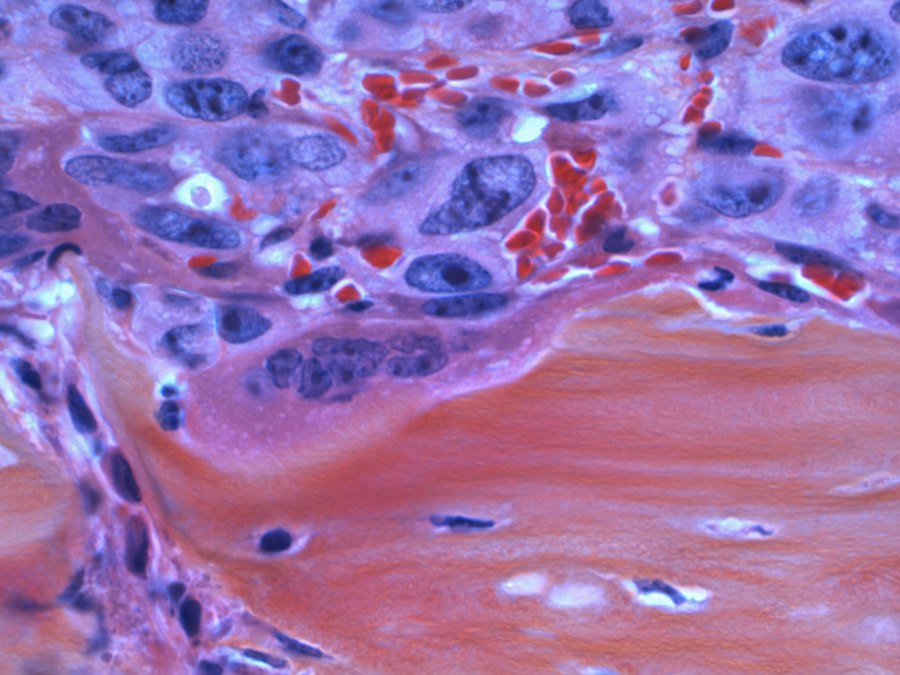
Squamous cell carcinoma (SCC) is a common type of skin cancer that arises from the squamous cells, which form the outer layers of the skin. In cats, SCC most frequently affects the areas with the least fur and therefore the most sun exposure.
Identifying the Signs: What Owners Should Watch For
Early detection is paramount in managing SCC and significantly improves the prognosis for affected cats. White cat owners must be vigilant in regularly inspecting their pets for any suspicious changes on their skin, particularly in the commonly affected areas.
Lesions on the Ears: The Most Common Site
The tips and edges of a white cat’s ears are classic hotspots for SCC development. Owners may observe crusty, scaly, or ulcerated sores that don’t heal. These lesions can initially appear as rough patches or scabs. As the cancer progresses, the area may become inflamed, bleed, or develop a raised, cauliflower-like appearance. It’s important to note that early stages can be subtle, resembling a simple scratch or irritation.
Nasal and Lip Involvement: A Sensitive Area
The nose and lips are also highly vulnerable. Changes on the nose can range from depigmentation and crusting to the development of sores and ulcerations. Similarly, the lips, especially the lower lip, can show signs of SCC. These lesions might appear as red, raw patches or persistent scabs that resist treatment.
Eyelid and Eye Cancers: Protecting the Gaze
The thin skin around the eyelids and the conjunctiva of the eye can also be affected. Signs can include redness, swelling, discharge, or the development of small tumors on the eyelid margins. This can lead to discomfort, squinting, and changes in the appearance of the eye.
The Progression of the Disease: From Precursor to Malignancy
SCC in cats often begins as actinic keratosis, which are precancerous lesions caused by chronic sun damage. These lesions can appear as small, flaky, or crusted areas. If left untreated, they can transform into invasive squamous cell carcinoma. The cancerous cells then begin to invade surrounding tissues and can, in some cases, spread (metastasize) to other parts of the body, although metastasis is less common in cats compared to some other species. However, even without metastasis, SCC can be locally destructive, causing pain and disfigurement.
Diagnosis and Staging: A Veterinary Approach
When a suspicious lesion is identified, a veterinarian will perform a thorough physical examination. Diagnostic procedures typically involve a fine-needle aspirate or, more definitively, a biopsy of the affected tissue. Histopathological examination of the biopsy sample by a pathologist will confirm the diagnosis of SCC and help determine its grade. Staging, if metastasis is suspected, might involve imaging techniques like X-rays or ultrasound to assess for spread to lymph nodes or internal organs.
Environmental Factors and Lifestyle: Mitigating the Sun’s Fury
While a white cat’s inherent lack of pigment is a significant risk factor, environmental influences and lifestyle choices play a critical role in determining their actual exposure to harmful UV radiation. Understanding and modifying these factors can significantly reduce the risk of developing SCC.
The Sun’s Unseen Threat: Understanding UV Exposure Levels
It’s a common misconception that only direct, intense sunlight poses a risk. UV radiation is present even on cloudy days and can be reflected off surfaces, amplifying exposure. Therefore, even indoor cats are not entirely immune, especially if they spend time sunbathing in sunbeams that penetrate windows. Outdoor cats, however, face a significantly higher risk due to prolonged and direct exposure.
Sunbathing Habits: A Double-Edged Sword
Many cats enjoy basking in warm, sunny spots. While this is a natural behavior, for white cats, these periods of leisure can be detrimental. Observing a cat’s favorite sunbathing locations and times can provide valuable clues for intervention. For instance, a cat that consistently naps on a sunny windowsill or spends extended periods in a sun-drenched garden bed is at increased risk.
Geographic Location and Seasonal Variations: The Influence of Latitude
The intensity of UV radiation varies geographically and seasonally. Cats living in regions with higher UV indexes, closer to the equator, or during summer months will experience more potent sun exposure. This means that preventative measures may need to be more stringent during certain times of the year and in specific locations.
Skin squamous cell cancer is a significant concern for white cats, as their lack of pigmentation makes them more susceptible to sun damage and subsequent skin issues. For pet owners looking to understand this condition better, an informative article can be found that discusses the risks and prevention strategies associated with skin cancer in these felines. You can read more about it in this related article, which provides valuable insights into maintaining the health and well-being of white cats.
Prevention and Protection: Safeguarding Your White Companion
| Metric | Value | Notes |
|---|---|---|
| Prevalence | High in white cats | White cats have less melanin, increasing risk |
| Common Locations | Ear tips, nose, eyelids | Areas with less fur and more sun exposure |
| Age of Onset | 7 years and older | Older cats more commonly affected |
| Risk Factors | UV exposure, white coat, outdoor lifestyle | Sunlight is a major contributing factor |
| Common Symptoms | Scaly patches, ulcers, crusting | Lesions often appear on sun-exposed skin |
| Treatment Options | Surgical removal, cryotherapy, radiation | Early detection improves prognosis |
| Prognosis | Good if treated early | Can metastasize if untreated |
Fortunately, the risks associated with white cats and SCC are not insurmountable. With proactive measures and a keen eye for early detection, owners can significantly protect their feline friends. The key lies in minimizing UV exposure and fostering a safe environment.
Creating a Shade-Rich Haven: Indoor Strategies
For indoor cats, it’s essential to manage their access to sunlight. While completely barring them from sunbeams might be undesirable and impractical, owners can take steps to limit prolonged exposure.
Window Treatments: Filtering the Rays
Consider using UV-filtering films on windows that your cat frequently uses for sunbathing. These films can block a significant portion of harmful UV rays while still allowing light to pass through. Alternatively, providing shaded resting spots near sunny windows, such as elevated beds or cozy caves, allows the cat to enjoy the warmth without direct exposure.
Strategic Nap Spots: Offering Alternatives
Encourage your cat to use shaded beds or perches during peak sun hours. By providing appealing and comfortable alternatives in cooler, shaded areas of the house, you can gently guide their napping habits away from direct sun.
Outdoor Safety: Navigating the Sun’s Domain
For cats that do venture outdoors, or for those with access to enclosed outdoor spaces like catios, managing their exposure is paramount.
Limiting Sun Time: The Golden Hours
The most intense UV radiation occurs during the midday hours, typically between 10 AM and 4 PM. If possible, restrict your white cat’s outdoor access during these times. Providing shaded areas within their outdoor enclosure is also crucial. This could include covered porches, dense shrubbery, or specially designed shaded structures.
Sunscreen for Felines: A Controversial but Potential Tool
The use of sunscreen specifically formulated for cats can be a viable option for highly exposed areas like the nose and ear tips. It is crucial to use products that are safe for felines, as many human sunscreens contain ingredients that are toxic to cats if ingested. Always consult your veterinarian before applying any sunscreen to your pet. They can recommend appropriate products and advise on application frequency.
Regular Grooming and Visual Checks: The Owner’s Role
Beyond environmental modifications, consistent vigilance from the owner is a cornerstone of prevention.
The Art of the Pat-Down: A Daily Ritual
Incorporate a brief, gentle pat-down of your cat into your daily routine. While grooming or petting, pay close attention to their ears, nose, eyelids, and lips. Familiarize yourself with the normal appearance of your cat’s skin in these areas so that you can readily identify any subtle changes.
The Importance of Professional Veterinary Care
Regular veterinary check-ups are essential for all cats, but especially for white felines. Your veterinarian can perform a professional skin examination and identify any early warning signs that might be missed by an owner. Discuss your cat’s lifestyle and any concerns you have about sun exposure with your vet. They can provide personalized advice and guidance on preventative care.
Prognosis and Treatment: When SCC Develops
While prevention is the ideal scenario, understanding the treatment options and prognosis for cats diagnosed with squamous cell carcinoma is vital for owners. Early diagnosis and prompt veterinary intervention significantly improve outcomes.
Treatment Modalities: A Multifaceted Approach
The treatment for SCC in cats depends on the stage of the cancer, its location, and the cat’s overall health. A combination of approaches may be used.
Surgical Excision: Removing the Threat
Surgical removal of the tumor is often the primary treatment for localized SCC. The goal is to remove all cancerous cells, along with a margin of healthy tissue, to prevent recurrence. Depending on the size and location of the tumor, surgery can be curative. However, complete removal can be challenging, particularly for tumors on the ear or nose, which can lead to disfigurement.
Radiation Therapy: Targeting Remaining Cells
Radiation therapy can be an effective treatment, either as a standalone option for difficult-to-remove tumors or in conjunction with surgery to eliminate any residual cancer cells. It is often used for SCC on the nose or ears.
Cryotherapy and Topical Treatments: For Early Lesions
For precancerous lesions (actinic keratosis) or very early-stage SCC, cryotherapy (freezing the abnormal cells) or topical chemotherapy agents may be used. These treatments are less invasive and can be effective in preventing the progression to invasive cancer.
Newer Therapies: A Glimmer of Hope
Ongoing research is exploring new treatment modalities, including targeted therapies and immunotherapies, which may offer improved options for cats with more advanced or recurrent SCC in the future.
The Role of Palliative Care: Ensuring Comfort
For cats with advanced SCC or those for whom curative treatment is no longer feasible, palliative care focuses on managing pain and maintaining a good quality of life. This can involve pain medication, wound care, and nutritional support.
Prognosis: Factors Influencing Outcome
The prognosis for a cat with SCC varies widely. Cats diagnosed with early-stage, localized SCC that can be completely removed surgically generally have a good prognosis. Cats with more advanced disease, those with tumors that have invaded surrounding tissues, or those with metastatic disease have a more guarded prognosis. However, even in these cases, with appropriate management, many cats can live comfortably for a period. The owner’s commitment to follow-up care and monitoring for recurrence is crucial for long-term success. The dedication to regular veterinary check-ups, combined with diligent home observation, empowers white cat owners to be their pet’s most effective advocate against this challenging disease.

Which Cat Color Lives Longest? The Research Has a Twist
FAQs
What is skin squamous cell cancer in white cats?
Skin squamous cell cancer is a type of cancer that affects the skin cells of white cats. It is characterized by the uncontrolled growth of squamous cells in the skin.
What are the symptoms of skin squamous cell cancer in white cats?
Symptoms of skin squamous cell cancer in white cats may include skin lesions, ulcers, lumps, or sores that do not heal, bleeding from the affected area, and changes in the appearance of the skin.
What causes skin squamous cell cancer in white cats?
Skin squamous cell cancer in white cats is often caused by exposure to ultraviolet (UV) radiation from the sun. White cats are more susceptible to developing this type of cancer due to their lack of pigmentation in the skin.
How is skin squamous cell cancer diagnosed in white cats?
Skin squamous cell cancer in white cats is typically diagnosed through a combination of physical examination, biopsy of the affected area, and possibly imaging tests such as X-rays or ultrasounds to determine the extent of the cancer.
What are the treatment options for skin squamous cell cancer in white cats?
Treatment options for skin squamous cell cancer in white cats may include surgical removal of the cancerous cells, radiation therapy, chemotherapy, or a combination of these treatments. The specific treatment plan will depend on the extent of the cancer and the overall health of the cat.