The Sun’s Unwanted Rays and Your Feline’s Finery
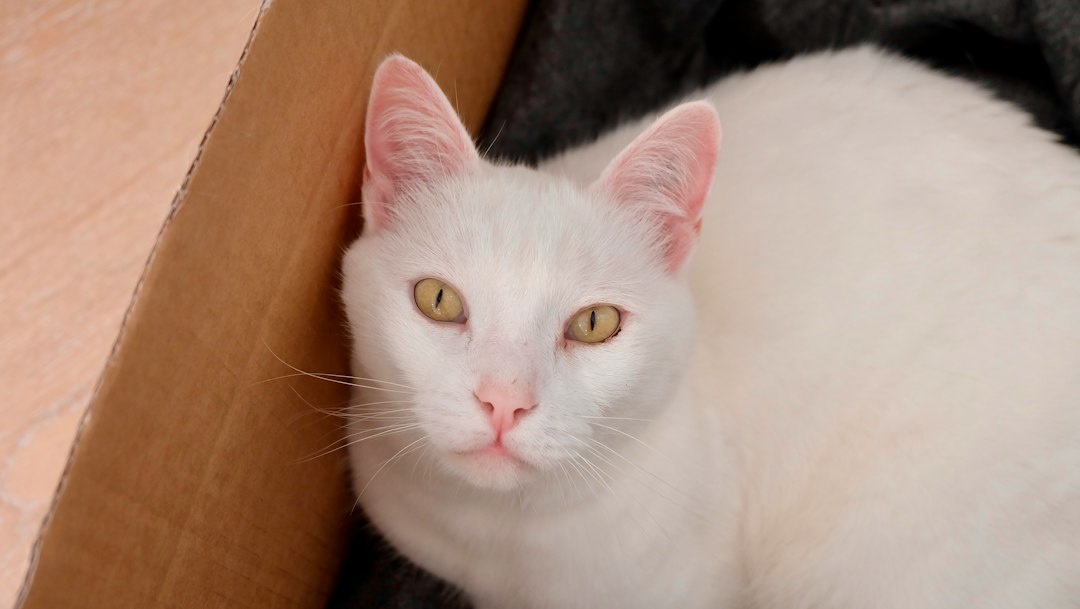
The allure of a pristine white cat is undeniable. Their snowy coats, often complemented by delicate pink ears, evoke a sense of ethereal beauty. However, this striking coloration, while captivating, also presents a unique vulnerability: the sun. Just as human skin can be damaged by ultraviolet (UV) radiation, so too can the sensitive skin on a white cat’s ears. Neglecting to protect these delicate appendages can lead to discomfort, pain, and even long-term health issues for your beloved companion. Understanding the risks and implementing appropriate protective measures is paramount for ensuring your white cat continues to bask in comfort, rather than endure the sting of sunburn. This article will delve into the reasons why white cat ears are particularly susceptible to sun damage, the signs and symptoms to watch out for, and a comprehensive guide on how to shield them from the sun’s harsh embrace.
White cat ears can be a charming accessory, but it’s important to consider the effects of sun exposure on both your skin and the materials used in such items. For more insights on how to protect yourself from harmful UV rays while enjoying outdoor activities, you can read a related article on sun safety tips at Freaky Science. This resource provides valuable information on how to stay safe in the sun, ensuring that your stylish look remains both fun and safe.
Understanding the Vulnerability of White Cat Ears
The very characteristic that makes white cats so visually striking – their lack of pigment – is precisely what makes their ears so susceptible to sun damage. Melanin, the pigment responsible for skin and hair color in most mammals, acts as a natural shield against UV radiation. It absorbs and dissipates the sun’s harmful rays, preventing them from penetrating the skin and causing cellular damage. In white cats, the genetic makeup dictates a deficiency, or complete absence, of melanin in their fur and skin. This means that the delicate skin on their ears, which is often thinly furred or even hairless in some breeds, is directly exposed to the full force of UV rays without its natural protective barrier.
The Role of Melanin in Photoprotection
Melanin is a complex pigment produced by specialized cells called melanocytes. It exists in two primary forms: eumelanin (responsible for black and brown colors) and pheomelanin (responsible for red and yellow colors). In cats with darker coats, these pigments are abundant, providing a robust defense against sun exposure. The density and distribution of melanin within the skin and fur are critical factors in determining an individual’s susceptibility to sunburn. White cats, by definition, have very little to no melanin in the areas that are white. This lack of pigment means that when exposed to sunlight, the UV rays can penetrate the epidermal layers, reaching the dermis and causing damage to cells, blood vessels, and DNA. This damage can manifest in various ways, from immediate redness and inflammation to long-term changes like premature aging of the skin and an increased risk of skin cancer.
Breed Predispositions and Skin Thinness
While all white cats are at risk, certain breeds may have a slightly higher predisposition due to genetic factors or the inherent thinness of their ear skin. For instance, breeds like the Turkish Angora and the Oriental Shorthair, often possessing pure white coats, can have very delicate skin. Even within the broader category of “white cat,” variations exist. Some white cats may have a genetic quirk that leads to a slightly higher concentration of melanocytes in certain areas, offering a marginal degree of protection. However, for the majority of white felines, the lack of pigmentation remains the primary concern. The anatomical structure of the ear itself also plays a role. The ear canal opening and the outer surfaces of the pinnae (the visible ear flaps) are particularly exposed. The thinness of the skin, often exacerbated by sparse fur coverage, makes these areas exceptionally vulnerable to UV penetration. Consequently, the effects of sun exposure can be more pronounced and rapid in these regions compared to other parts of the cat’s body.
Recognizing the Signs of Sunburn on Your Cat’s Ears

Just as you would monitor your own skin for signs of sunburn, it’s crucial to be observant of your white cat’s ears. Early detection of sun damage allows for prompt intervention, minimizing discomfort and preventing more serious complications. The symptoms can range from subtle changes in appearance to more overt signs of pain and inflammation. Familiarizing yourself with these indicators will empower you to protect your feline friend effectively.
Visual Cues: Redness, Crusting, and Scarring
The most immediate and obvious sign of sunburn on a cat’s ears is redness. The normally pale pink or white skin will appear inflamed and flushed. This redness can be uniform across the ear flap or appear in patches. As the sunburn progresses, the skin may become dry and flaky, eventually leading to crusting. These crusts are essentially dead skin cells and dried exudate, formed as the skin attempts to heal. In severe cases, the skin may blister, break, and ooze. Repeated or severe sunburns can lead to chronic inflammation and scarring, which can alter the texture and appearance of the ear permanently. Scarred skin is also often more prone to dryness and irritation, creating a vicious cycle. You might notice your cat repeatedly scratching or rubbing their ears if they are feeling discomfort from these changes.
Behavioral Changes: Discomfort and Avoidance
Beyond the visual cues, your cat’s behavior can also signal sun discomfort. A sunburned cat may exhibit signs of pain and irritation. They might be more reluctant to have their ears touched or groomed, recoiling when you attempt to pet them near their ears. You might observe them pawing at their ears more frequently, or rubbing their head against furniture or your legs in an attempt to soothe the irritation. In more severe cases, a cat might vocalize in pain when their ears are touched or when they are exposed to sunlight. They may also seek out shaded areas more intensely and become less inclined to venture outdoors during peak sunlight hours, even if they are typically an indoor-outdoor cat. This avoidance behavior is a clear indicator that something is wrong and should prompt you to investigate further.
Practical Strategies for Sun Protection
Fortunately, protecting your white cat’s delicate ears from the sun is achievable through a combination of environmental management and specialized products. The goal is to minimize direct sun exposure, particularly during the most intense hours of the day, and to provide a protective barrier when exposure is unavoidable. By incorporating these strategies into your cat’s daily routine, you can significantly reduce their risk of sunburn and ensure their long-term ear health.
Creating a Shaded Sanctuary
The most fundamental approach to sun protection is to limit your cat’s exposure to direct sunlight. This is especially important during the peak UV hours, typically between 10 a.m. and 4 p.m. If your cat enjoys spending time outdoors, ensure they have access to ample shaded areas. This could include covered patios, dense trees, or even specially designed outdoor cat enclosures with shaded sections. Indoors, strategically placed curtains or blinds can block direct sunlight from reaching your cat’s favorite napping spots. If your cat is an indoor-outdoor cat and you are concerned about their exposure when you are not home, consider limiting their outdoor access during the sunniest parts of the day. This might involve keeping them indoors from late morning to late afternoon.
The Role of Sunscreen: When and How to Apply
For white cats who are prone to sun exposure, especially those who enjoy sunbathing or have thin ear fur, a cat-specific sunscreen can be a valuable tool. It is crucial to use a product formulated specifically for cats, as human sunscreens can contain ingredients that are toxic if ingested by felines. Look for sunscreens with a high SPF (Sun Protection Factor) and broad-spectrum protection, meaning it guards against both UVA and UVB rays. When applying, gently spread a thin layer of sunscreen onto the tips and outer edges of your cat’s ears, the areas most exposed to the sun. Avoid getting the sunscreen inside the ear canal. It’s advisable to do a patch test on a small area of skin first to ensure your cat doesn’t have any adverse reactions. Reapplication may be necessary, especially after your cat has been grooming themselves or has been in water. Consult your veterinarian for recommendations on suitable cat-specific sunscreen brands.
Protective Apparel: Hats and Sleeves for Felines
While not as common as sunscreen, specialized protective apparel can also offer an additional layer of defense for your white cat’s ears. There are now commercially available lightweight hats or bonnets designed for cats that can provide shade for their ears. These should be comfortable, well-fitting, and not impede their vision or hearing. For cats with very sparse fur, some owners have experimented with specially designed sleeves or wraps that cover the ear area, although this requires careful introduction and ensuring the cat’s comfort and acceptance. The key is to introduce any form of apparel gradually and positively, associating it with treats and praise. The goal is to create a protective barrier without causing undue stress or discomfort to your feline companion.
White cat ears can be a charming accessory, but it’s important to consider how sun exposure can affect both the ears and your skin. For those who enjoy wearing these playful items outdoors, understanding the impact of UV rays is crucial. To learn more about the effects of sun exposure and how to protect yourself while enjoying the sunshine, check out this informative article on Freaky Science.
Beyond Prevention: Addressing Existing Damage
| Metric | Value | Notes |
|---|---|---|
| Fur Color | White | White fur reflects more sunlight |
| Ear Skin Sensitivity | High | Thin skin with less pigmentation increases UV sensitivity |
| Risk of Sunburn | Elevated | White cats are more prone to sunburn, especially on ears |
| Common Sun Exposure Duration | 1-3 hours/day | Typical outdoor exposure for pet cats |
| Recommended Sun Protection | Shade and limited exposure | Use of pet-safe sunscreen or protective clothing advised |
| Potential Health Issues | Skin cancer (Squamous Cell Carcinoma) | Most common in white cats’ ears due to UV damage |
While prevention is always the best course of action, sometimes sunburn can occur despite your best efforts. In such instances, prompt and appropriate care is essential to alleviate your cat’s discomfort and promote healing. Recognizing the signs of damage and knowing how to respond can make a significant difference in your cat’s well-being. It’s always advisable to consult with your veterinarian if you suspect your cat has sustained significant sun damage or is exhibiting concerning symptoms.
Soothing Treatments for Mild Burns
For mild sunburns characterized by redness and slight tenderness, several soothing treatments can be employed. After ensuring your cat is out of the sun, gently clean the affected area with a cool, damp cloth. You can also apply a thin layer of a pet-safe aloe vera gel (ensure it’s pure aloe and not one with additives that could be harmful if ingested). Aloe vera has natural cooling and anti-inflammatory properties that can provide relief. Another option is to use a calendula-based ointment, which is known for its healing and soothing properties. Avoid using human lotions or creams, as they can contain ingredients that are toxic to cats. Monitor your cat closely for any signs of worsening irritation or infection.
When to Seek Veterinary Assistance
It is crucial to know when to escalate care and seek professional veterinary attention. If your cat’s ears are severely red, blistered, or bleeding, veterinary intervention is necessary. These are signs of a significant burn that requires medical treatment. You should also contact your veterinarian if you notice any signs of infection, such as pus, foul odor, or increased swelling. Furthermore, if your cat is in significant pain, lethargic, or not eating, it indicates a more serious issue that requires a professional diagnosis and treatment plan. Your veterinarian can prescribe pain relief medication, topical antibiotics, or other treatments to manage the burn and prevent complications. They can also assess for any long-term damage or pre-cancerous changes.
Long-Term Considerations and Responsible Pet Ownership
Protecting your white cat’s ears from the sun is not a one-time task; it’s an ongoing commitment to responsible pet ownership. Understanding the long-term implications of sun exposure and incorporating preventative measures as a routine part of your cat’s care will contribute to their overall health and quality of life for years to come. Educating yourself and others about this often-overlooked aspect of feline health is an important step in ensuring the well-being of our beloved white companions.
The Risk of Squamous Cell Carcinoma
The most significant long-term risk associated with repeated and unprotected sun exposure to a white cat’s ears is the development of squamous cell carcinoma (SCC). This is a type of skin cancer that originates in the squamous cells of the epidermis. The tips of the ears are the most common sites for SCC in cats due to their high exposure to UV radiation. Early detection and treatment of SCC are crucial for a good prognosis. However, the best approach is prevention. By diligently protecting your white cat’s ears from the sun throughout their life, you can dramatically reduce their risk of developing this potentially life-threatening condition. Regular veterinary check-ups can help in early detection, but proactive protection is the most effective strategy.
Integrating Sun Protection into Daily Life
Making sun protection a habit for your white cat requires consistent effort. This might involve incorporating a quick application of cat-specific sunscreen into your morning routine before they go outside, or ensuring their favorite shaded spots are always accessible. If you have an indoor cat, even sunlight streaming through windows can contribute to UV exposure over time, so consider tinted window films or ensuring they aren’t habitually basking in direct sun for extended periods. Educate all members of your household about the importance of ear protection for your white cat, ensuring everyone is on board with the preventative measures. Consider it an essential part of grooming and overall health management, just like regular brushing and dental care.
Educating Others and Advocating for Feline Well-being
As a responsible pet owner, you have the opportunity to educate others about the importance of sun protection for white cats. Share your knowledge with friends, family, and fellow cat enthusiasts. Many people are unaware of the risks that UV rays pose to their feline companions, particularly those with white fur. By raising awareness, you can help prevent countless cases of sunburn and skin cancer in cats. Advocate for responsible pet ownership practices and encourage veterinarians to discuss sun protection with owners of white-furred animals. Together, we can ensure that the beauty of our white cats is matched by their good health and comfort, allowing them to enjoy their lives to the fullest, free from the damaging effects of the sun.

Which Cat Color Lives Longest? The Research Has a Twist
FAQs
1. How does sun exposure affect white cat ears?
Sun exposure can cause sunburn on white cat ears due to their lack of pigmentation, making them more susceptible to UV damage.
2. Are white cat ears more prone to skin cancer from sun exposure?
Yes, white cat ears are at a higher risk of developing skin cancer from sun exposure compared to cats with darker pigmentation.
3. How can I protect my white cat’s ears from sun damage?
You can protect your white cat’s ears by keeping them indoors during peak sun hours, applying pet-safe sunscreen, or providing shaded areas for them to rest in.
4. What are the signs of sun damage on white cat ears?
Signs of sun damage on white cat ears include redness, peeling, blistering, or the development of sores. If you notice any of these signs, consult a veterinarian.
5. Can white cat ears recover from sun damage?
In some cases, white cat ears can recover from sun damage with proper care, such as keeping them out of the sun and applying soothing ointments. However, it’s important to seek veterinary advice for severe cases.