
The distinctive elegance of a white cat, with its pristine fur and often piercing blue eyes, is a familiar and beloved sight to many. However, this striking appearance can sometimes be associated with a complex health concern: deafness. For decades, researchers have been delving into the intricacies of white cat deafness, seeking to understand its genetic basis, prevalence, and the underlying physiological mechanisms. This endeavor is not merely an academic pursuit; it holds significant implications for cat welfare, breeding practices, and the broader understanding of sensory development in mammals. The “Understanding White Cat Deafness Study” represents a collective effort to unravel these mysteries, providing valuable insights into how genetics influence the development and function of the auditory system, particularly in feline companions.
The Genetic Blueprint of White Coats and Deafness
The most significant contributing factor to deafness in white cats is a well-established genetic link. This connection primarily revolves around the genes responsible for coat color and the development of pigmentation. The dominant white (W) gene is a key player, masking the expression of all other coat colors. This gene is epistatic, meaning it overrides other genes that determine color. However, the W gene’s influence extends beyond fur pigmentation. It is intricately linked to the development of melanocytes, the cells responsible for producing melanin, the pigment found in skin, fur, and also in the inner ear.
The Role of Melanocytes and the Inner Ear
Melanocytes play a crucial role in the development and maintenance of the cochlea, the spiral-shaped cavity of the inner ear responsible for hearing. Specifically, melanocytes are found in the stria vascularis, a highly vascularized tissue within the cochlea that produces endolymph, an important fluid for auditory function. When the W gene is present and expressed, it can lead to a deficiency or absence of melanocytes in the stria vascularis. This lack of pigment cells disrupts the normal development and function of the cochlea, ultimately resulting in hearing loss, often referred to as congenital sensorineural deafness.
Piebaldism and White Spotting Patterns
While the dominant white gene is a direct cause of deafness in some white cats, other genetic factors can also contribute. The piebald gene, responsible for white spotting patterns, can also be associated with deafness, particularly when the white spotting is extensive. In these cases, the white patches on the head, especially around the ears, are more likely to indicate an underlying cochlear abnormality. The degree of white spotting and its location can provide clues about the potential for hearing loss. Studies have consistently shown a higher incidence of deafness in cats with extensive white markings on their heads and faces.
The Link with Eye Color
The connection between white fur, blue eyes, and deafness in cats is a well-documented phenomenon. The same genes that influence coat color and pigmentation can also affect the development of the iris, the colored part of the eye. In cats with the W gene, or significant piebaldism, the lack of melanin in the iris can result in blue eyes. Furthermore, the genetic pathways involved in melanocyte migration and development can affect both the ears and the eyes simultaneously. This explains why white cats with blue eyes, particularly those with two blue eyes (bilateral blue irises), are statistically more likely to be deaf. The presence of one blue eye and one of a different color (e.g., green or amber) can indicate unilateral deafness, meaning the cat is deaf in the ear on the same side as the blue eye.
Recent studies have shed light on the genetic factors contributing to deafness in white cats, revealing a fascinating connection between coat color and hearing ability. For those interested in exploring this topic further, a related article that delves into the science behind this phenomenon can be found at Freaky Science. This resource provides additional insights into the genetics of feline coloration and its implications for auditory health, making it a valuable read for cat enthusiasts and researchers alike.
Prevalence and Risk Factors

Understanding the prevalence of deafness in white cats is crucial for informed decision-making regarding breeding and pet ownership. While not all white cats are deaf, the risk is significantly elevated compared to cats with other coat colors. Various studies have attempted to quantify this risk, and while exact percentages can vary depending on the studied population and methodology, the general trend is clear: the likelihood of deafness increases with the presence of white fur, particularly on the head, and the presence of blue eyes.
Breed Predispositions
Certain cat breeds are more prone to inheriting the genes associated with white fur and deafness due to their breed standards and historical breeding practices. The Turkish Angora and the Persian are two prominent examples. These breeds are often selectively bred for their white coats, and consequently, a higher proportion of individuals within these breeds may exhibit deafness. However, it is important to note that deafness can occur in any cat breed with white fur and the genetic predisposition. Domestic shorthairs and longhairs with white coats are also susceptible.
The Significance of Bilateral Deafness
Deafness in cats can be unilateral (affecting one ear) or bilateral (affecting both ears). Bilateral deafness is more commonly associated with the genetic factors linked to white fur and blue eyes. Cats with bilateral deafness are completely unable to hear. Unilateral deafness, while less impactful than bilateral deafness, can still affect a cat’s ability to locate sounds, react to their environment, and can sometimes lead to behavioral changes. The presence of two blue eyes in a white cat is a strong indicator of a high probability of bilateral deafness.
Environmental Factors vs. Genetic Predisposition
It is important to distinguish between genetic deafness and deafness caused by other factors. While the “Understanding White Cat Deafness Study” primarily focuses on the genetic underpinnings, it’s worth acknowledging that other causes of deafness in cats exist. These can include chronic ear infections, exposure to ototoxic medications, aging, or trauma. However, the specific focus on white cat deafness highlights the significant role of inherited genetic traits in this particular population. The genetic predisposition significantly outweighs potential environmental influences in the context of congenital deafness in white felines.
Diagnosing and Assessing Hearing Loss
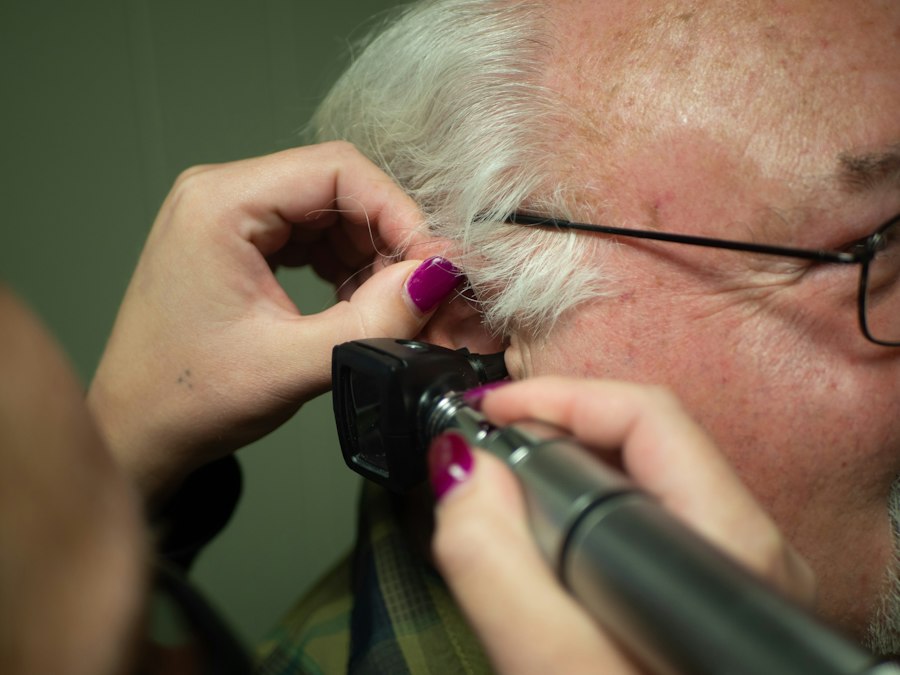
Accurate diagnosis and assessment of hearing loss in cats are essential for providing appropriate care and management strategies. Veterinarians employ various methods to determine if a cat is deaf, ranging from simple observational tests to more sophisticated audiological evaluations. Early detection allows owners to adapt their homes and interactions to ensure their deaf feline companion can live a full and happy life.
Behavioral Observation and Screening Tests
The initial assessment often begins with simple behavioral observations. A veterinarian might observe the cat’s reactions to sudden loud noises, such as a clap of hands or a dropped object, from behind the cat where it cannot see the stimulus. A deaf cat will likely not react to these sounds. Another common screening test involves using a high-frequency whistle that is inaudible to humans but can be heard by most cats. If the cat does not show any ear twitching or head turning in response, it could indicate hearing loss. Owners can also perform these tests at home, but professional veterinary assessment is always recommended for a definitive diagnosis.
Advanced Audiological Examinations
For a more precise diagnosis, especially in research settings or when making breeding decisions, veterinarians can utilize advanced audiological examinations. The gold standard for diagnosing deafness in cats is the Brainstem Auditory Evoked Response (BAER) test. This non-invasive test measures the electrical activity in the brainstem in response to auditory stimuli. Electrodes are placed on the cat’s head, and a computer records the brain’s response to clicks presented through small earphones. The BAER test can accurately determine the presence and degree of hearing loss, and importantly, can differentiate between unilateral and bilateral deafness.
Implications of Deafness for Feline Well-being
While deafness itself is not a painful condition, it can significantly impact a cat’s quality of life if not properly managed. A deaf cat may be more prone to startling, which can lead to accidental injury or stress. They might not hear approaching dangers, such as cars or predators, making them vulnerable if allowed outdoors. Furthermore, communication can be a challenge, as they rely more heavily on visual cues and vibrations. Understanding these implications is crucial for owners of deaf cats to provide a safe and enriching environment.
Managing and Caring for Deaf Cats
Living with a deaf cat can be a rewarding experience, but it requires a shift in understanding and approach to ensure their safety and well-being. The “Understanding White Cat Deafness Study” not only aims to unravel the genetic causes but also implicitly guides owners on how to best care for these special felines. With appropriate adaptations and increased awareness, deaf cats can lead vibrant and fulfilling lives.
Creating a Safe Environment
The primary concern for deaf cats is their safety. Indoor living is strongly recommended for deaf cats to protect them from the dangers they cannot hear. If outdoor access is a necessity or desired, a secure “catio” or enclosed outdoor space is ideal. Within the home, owners need to be mindful of potential hazards. For example, vibrating the floor before entering a room can alert a sleeping deaf cat to your presence, preventing them from being startled. Ensuring all doors and windows are secure is also paramount.
Communication Strategies
Effective communication is key to building a strong bond with a deaf cat. Since they cannot hear verbal commands, owners must rely on visual cues and tactile stimulation. This can include using hand signals for common commands like “come” or “sit,” and teaching them through positive reinforcement. Gently touching the cat’s side or tail can get their attention before initiating a visual cue. Vibrating collars, designed to provide a gentle vibration as a signal, can also be useful for recall, especially in larger homes or yards.
Enrichment and Play
Deaf cats are just as playful and intelligent as their hearing counterparts. Enrichment activities are vital for their mental and physical stimulation. Toys that engage their sense of sight and touch are excellent choices. Feather wands, laser pointers (used cautiously to avoid frustration), and puzzle feeders can provide hours of entertainment. Owners should also consider incorporating scent-based play and opportunities for climbing and exploring. Gentle grooming and petting also provide important tactile interaction.
Veterinary Care Considerations
Regular veterinary check-ups are essential for all cats, including deaf ones. While they may not respond to auditory cues from the vet, they can still experience pain and illness. Owners should inform their veterinarian about the cat’s deafness so that appropriate communication strategies can be employed during visits. This might involve using visual cues or gentle physical guidance. Vaccinations and parasite control remain crucial for maintaining their overall health.
Recent studies have shed light on the genetic factors contributing to the phenomenon of deafness in white cats, revealing intriguing connections between coat color and auditory function. For those interested in exploring this topic further, a related article can be found at Freaky Science, which delves into the science behind feline genetics and the implications for breeding practices. Understanding these connections not only enhances our knowledge of animal biology but also raises awareness about the care needs of affected cats.
Future Directions and Implications of the Study
| Metric | Description | Value/Result | Notes |
|---|---|---|---|
| Sample Size | Number of white cats studied | 150 | Includes both deaf and hearing cats |
| Deafness Prevalence | Percentage of white cats with congenital deafness | 65% | Higher in cats with blue eyes |
| Eye Color Correlation | Relation between eye color and deafness | Blue eyes: 85% deafness rate | Non-blue eyes: 20% deafness rate |
| Genetic Marker Identified | Presence of W gene mutation linked to deafness | Confirmed | W gene responsible for white coat and deafness |
| Age of Onset | Age when deafness is detectable | At birth | Congenital deafness, no progressive loss observed |
| Hearing Test Method | Technique used to assess hearing | BAER (Brainstem Auditory Evoked Response) | Standard for diagnosing deafness in cats |
| Impact on Behavior | Observed behavioral changes in deaf cats | Increased startle response, cautiousness | Adaptation varies by individual |
The “Understanding White Cat Deafness Study” is not a static endeavor. Ongoing research and advancements in genetic technology promise to further illuminate the complex interplay between genes, pigmentation, and sensory development. The findings of these studies have far-reaching implications, extending beyond the feline world to potentially inform our understanding of similar conditions in other species, including humans.
Genetic Screening and Responsible Breeding
One of the most significant practical implications of ongoing research is the development of genetic screening tools. As the specific genes and mutations responsible for white cat deafness become more clearly identified, it will become possible to screen breeding cats for these markers. This will empower breeders to make informed decisions, reducing the incidence of deafness in future generations and promoting responsible breeding practices. This proactive approach can significantly improve the welfare of white cats.
Understanding Sensory Development in Mammals
The study of white cat deafness offers a valuable model for understanding general principles of sensory development. The intricate relationship between melanocytes and the inner ear in cats can provide insights into the developmental pathways that are conserved across different mammalian species. This research could potentially shed light on the causes of congenital hearing loss in humans and other animals, paving the way for new diagnostic and therapeutic interventions.
The Ethical Considerations of Breeding for Appearance
The “Understanding White Cat Deafness Study” also prompts important ethical discussions regarding breeding practices. While white cats are admired for their beauty, the potential for associated health issues like deafness raises questions about the prioritization of aesthetics over welfare. The study encourages a more holistic approach to breeding, where genetic health is considered alongside desired physical traits. This fosters a greater appreciation for the well-being of animals.
Advancements in Treatment and Management
While congenital deafness is generally irreversible, ongoing research may, in the future, explore potential therapeutic interventions. This could range from advanced assistive devices to gene therapy, though these are still largely in the realm of speculative research for felines. In the interim, the focus remains on refining management strategies and enhancing the quality of life for deaf cats through improved understanding and specialized care. The collective knowledge gained from such studies is instrumental in this ongoing pursuit.

Which Cat Color Lives Longest? The Research Has a Twist
FAQs
What is the study about?
The study explores the link between white coat color in cats and deafness.
What are the key findings of the study?
The study found that white cats with blue eyes are more likely to be deaf compared to white cats with non-blue eyes.
How common is deafness in white cats with blue eyes?
Approximately 65-85% of white cats with blue eyes are deaf in at least one ear.
Is deafness in white cats with blue eyes hereditary?
Yes, deafness in white cats with blue eyes is often linked to a genetic mutation that affects the development of the inner ear.
Are there any preventive measures for deafness in white cats with blue eyes?
There are no known preventive measures for deafness in white cats with blue eyes, as it is primarily a genetic condition. Regular veterinary check-ups can help in early detection and management of deafness in affected cats.