The Silent Snowfall: Understanding White Cat Hearing Loss
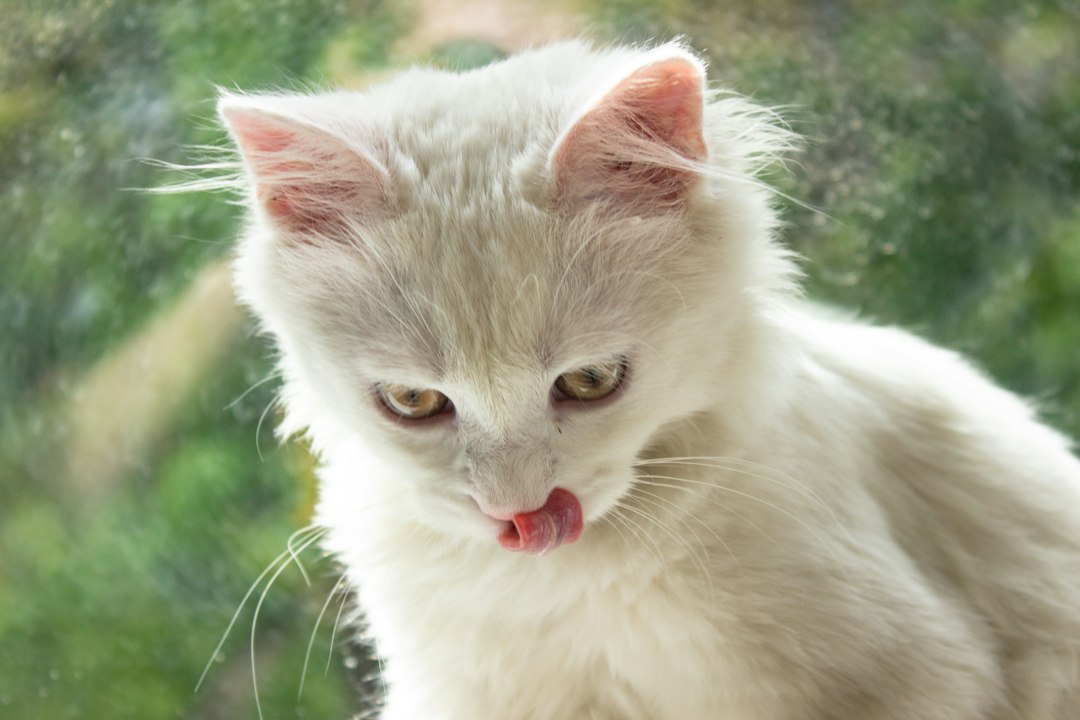
The allure of a pure white cat is undeniable. Their snowy coats, often paired with striking blue or odd-colored eyes, evoke an image of elegance and purity. However, this aesthetic appeal is intrinsically linked to a genetic trait that, for many white felines, comes with a significant caveat: the potential for deafness. Uncovering the truth behind white cat hearing loss requires a deep dive into genetics, anatomy, and the practical realities of caring for these special creatures. It’s a story of a beautiful genetic quirk that can cast a shadow of silence over a cat’s world, a situation that many owners either unknowingly accept or are deeply concerned about. Understanding the underlying causes, recognizing the signs, and implementing appropriate care are paramount to ensuring a high quality of life for these often-misunderstood companions. The journey to comprehension begins with exploring the genetic blueprint that makes these cats so striking, and the unintended consequences that can follow.
Many people wonder if all white cats have hearing loss, a topic that has garnered attention in the veterinary community. Interestingly, a related article discusses the genetic factors that contribute to this phenomenon and offers insights into the health of white cats. For more information on this subject, you can read the article here: Understanding White Cats and Hearing Loss.
The Genetic Tapestry of White Fur and Hearing

The striking white coat of many cats, particularly those with blue eyes, is not merely a cosmetic feature. It’s a direct manifestation of specific genetic pathways that influence pigment production and, critically, the development of the inner ear. The gene responsible for dominant white (W) is a powerful one, capable of masking all other color genes. However, this dominance comes at a cost. The same gene or closely linked genes that dictate the absence of pigment in the fur also play a crucial role in the development of the cochlea, the spiral cavity of the inner ear that houses the auditory ossicles and the organ of Corti, responsible for converting sound vibrations into nerve impulses.
The Dominant White Gene and Its Impact
The dominant white gene (W) is epistatic, meaning it overrides the expression of other genes. If a cat inherits even one copy of the W gene, its fur will be white, regardless of its underlying genetic color. This is why you can have white cats that, if their white gene were absent, would otherwise be black, ginger, or tabby. The W gene’s influence isn’t limited to pigmentation. It is believed to interact with or directly affect the development of melanocytes, the cells responsible for producing melanin, the pigment that gives color to skin, fur, and eyes. Crucially, melanocytes also play a vital role in the development of the inner ear.
The Role of Melanocytes in Auditory Development
In the developing embryo, melanocytes migrate to various parts of the body, including the skin, the iris of the eye, and the stria vascularis of the inner ear. The stria vascularis is a highly vascularized tissue within the cochlea that is essential for maintaining the electrochemical gradient necessary for hearing. It produces endolymph, a fluid rich in potassium ions, which is vital for the proper functioning of the hair cells in the organ of Corti. When the dominant white gene is active, it can lead to a deficiency or absence of melanocytes in the stria vascularis. This lack of pigment cells can result in a poorly developed or non-functional stria vascularis, thereby impairing the cochlea’s ability to transmit sound signals to the brain.
The Blue-Eyed Connection: A Crucial Indicator
The link between white fur and deafness is most pronounced in cats with blue eyes. While not all white cats are deaf, and not all deaf cats are white, the combination of pure white fur and blue eyes significantly increases the probability of hearing impairment. This is because the gene responsible for blue eyes in white cats is often linked to the dominant white gene, or the same gene is responsible for both traits. The presence of blue eyes in a white cat suggests that the genetic anomaly affecting pigment production has also impacted the inner ear. It’s a visible clue that warrants further investigation into the cat’s auditory capabilities. However, it’s important to remember that not all blue-eyed white cats are deaf. Some may have partial hearing, while others may be completely unaffected. Conversely, white cats with non-blue eyes, such as green or amber, are less likely to be deaf, but it is not impossible. The genetic interplay is complex and can lead to varying degrees of hearing loss.
Recognizing the Subtle Signs of Deafness

For an owner, the realization that their beloved white cat might be hearing impaired can be a gradual and sometimes distressing process. Deafness in cats, unlike in humans, often lacks obvious outward signs, especially if the cat has been deaf from birth and has learned to compensate. It requires keen observation and an understanding of typical feline behaviors. Early detection is crucial for implementing appropriate management strategies and ensuring the cat’s safety and well-being. The signs can be subtle, easily mistaken for other personality traits or quirks.
Behavioral Clues to Consider
One of the most common indicators of hearing loss is a lack of reaction to sounds that would typically alert a hearing cat. This can include a dog barking, a doorbell ringing, a vacuum cleaner starting, or even the sound of a can opener. A deaf cat might not twitch its ears in response, startle, or look up when these sounds occur. They may also be less responsive to their name being called, often requiring a visual cue or physical touch to gain their attention. This can sometimes be misinterpreted as the cat being aloof or independent.
Differences in Vocalization and Response
Another tell-tale sign can be changes in vocalization. Some deaf cats may vocalize more loudly than usual, as they cannot hear their own voice and therefore cannot regulate its volume. Conversely, others may become unusually quiet, as they don’t have the auditory feedback to encourage vocalization. Their play behaviors might also be affected. They might be more prone to being ambushed, as they cannot hear approaching dangers. When startled by something they didn’t see, their reaction might be more extreme due to the sudden sensory input.
The Importance of a Veterinary Check
While behavioral observations are invaluable, a definitive diagnosis of deafness should always be made by a veterinarian. They have the tools and expertise to assess hearing in cats. Routine veterinary check-ups are an excellent opportunity to discuss any concerns about your cat’s hearing. A veterinarian can perform basic hearing tests and, if necessary, recommend more specialized audiological evaluations. This professional assessment is critical, as misinterpreting signs can lead to delayed intervention and potentially put the cat at risk.
Living Harmoniously: Practical Care for Deaf White Cats
The diagnosis of hearing loss in a white cat does not diminish their capacity for love, companionship, or a fulfilling life. In fact, many deaf cats become incredibly attuned to their owners and their environment, relying heavily on sight, touch, and scent. The key to their well-being lies in adapting the home environment and the owner’s interactions to accommodate their unique needs. With thoughtful adjustments, deaf white cats can thrive and bring immense joy to their families.
Safety First: Creating a Secure Environment
The primary concern for any deaf cat is safety. Without the ability to hear approaching dangers, they are vulnerable to accidents. Owners must cat-proof their homes diligently. This means ensuring windows and doors are securely closed, especially on upper floors. Outdoor access should be strictly supervised or provided in a secure catio. Harness training for walks should be approached with extreme caution and only in enclosed, safe areas, as they cannot hear approaching cars or other hazards.
Communication Beyond Sound
Owners of deaf cats develop unique communication methods. Visual cues are paramount. Using hand signals, pointing, and body language can effectively convey instructions and affection. Flashing lights can be used to get their attention, similar to how a doorbell might be activated. Gentle touches, like a soft tap on the floor or a gentle stroke, can also be used to alert them to your presence. Consistency is key in establishing these new communication patterns.
Enrichment and Engagement
Deaf cats can lead incredibly rich and stimulating lives. Their reliance on other senses can even heighten their engagement with the world. Interactive toys that involve movement and scent, puzzle feeders, and regular play sessions are vital for mental and physical stimulation. Owners can also engage their cats through tactile stimulation, such as gentle grooming or massage, which can strengthen the bond and provide a sense of security.
Many people wonder if all white cats experience hearing loss, a topic that has garnered attention in various studies and articles. Interestingly, a related article discusses the genetic factors that contribute to this phenomenon and how it affects different breeds. For those looking to explore this subject further, you can read more about it in this insightful piece on Freaky Science. Understanding the connection between coat color and auditory health can help cat owners make informed decisions regarding their pets’ care.
The Spectrum of Hearing Loss: Not Always Total Silence
| Metric | Data/Information |
|---|---|
| Percentage of white cats with hearing loss | Approximately 65-85% |
| Percentage of white cats with blue eyes and deafness | Up to 90% |
| Percentage of white cats with one blue eye and deafness | About 40-60% (deaf in the ear on the blue-eyed side) |
| Percentage of white cats with non-blue eyes and deafness | Less than 10% |
| Genetic cause | Dominant white (W) gene linked to deafness |
| Hearing loss type | Congenital sensorineural deafness |
| Are all white cats deaf? | No, not all white cats have hearing loss |
It’s a common misconception that all white cats with the genetic predisposition for deafness are entirely devoid of hearing. In reality, hearing loss in these cats exists on a spectrum, ranging from complete deafness in both ears to partial hearing loss in one or both ears. The degree of hearing impairment can vary significantly, even among cats with similar genetic backgrounds. Understanding this spectrum is crucial for accurate assessment and appropriate care.
Complete Deafness: A World of Silence
For cats with complete deafness, the auditory canals are entirely non-functional. They do not receive or process any sound signals. While this may seem a profound disability, these cats adapt remarkably well. They often become exceptionally observant, relying on visual cues and vibrations to navigate their world. Their owners learn to communicate through a combination of visual signals, touch, and scent, forging a deep and unique bond.
Partial Hearing: Glimmers of Sound
Some white cats exhibit partial hearing loss. This can mean they can hear certain frequencies or volumes of sound, but not others. For instance, they might be able to detect low-frequency sounds but not high-pitched ones, or they might only respond to very loud noises. In cases of unilateral deafness (deafness in only one ear), the cat may still be able to hear, but their ability to localize sound may be impaired. This can make it harder for them to pinpoint the source of a noise.
Recognizing the Nuances: The Importance of Testing
Differentiating between complete and partial deafness, or identifying unilateral deafness, can be challenging without professional assessment. A veterinarian can perform basic hearing tests, such as observing a cat’s reaction to a sound or using specialized equipment. For a more definitive diagnosis, an Auditory Brainstem Response (ABR) test can be performed. This test measures the electrical activity in the brain in response to sound, providing an accurate assessment of hearing function. Understanding the specific nature of the hearing loss allows for more tailored care and management strategies.
Beyond the White Coat: Addressing Misconceptions and Promoting Awareness
The association between white fur and deafness in cats, while scientifically grounded, has unfortunately led to some widespread misconceptions. One prevalent myth is that all white cats are deaf, which can lead to unnecessary apprehension and even abandonment of these beautiful animals. Another is that deaf cats are inherently sickly or have other health problems. Dispelling these myths and raising awareness is vital for ensuring that white cats, regardless of their hearing status, are loved and cared for responsibly.
Challenging the “All White Cats Are Deaf” Fallacy
It is imperative to reiterate that not all white cats are deaf. Many white cats have perfect hearing. The genetic link is strong, but it is not an absolute determinant. Responsible breeders screen their cats for deafness, and many owners adopt white cats without knowing about the potential for hearing loss, only to discover their cat is perfectly fine. Likewise, many deaf cats are not white. Deafness can occur in cats of any color due to various causes, including infections, trauma, and age-related hearing loss.
Debunking the Myth of Sickness
Deafness itself is not a disease. It is a condition. A deaf cat can be just as healthy and robust as a hearing cat. The genetic trait that predisposes some white cats to deafness does not automatically mean they will suffer from other health complications. Like any cat, they require regular veterinary care, a balanced diet, and a safe environment. Focusing on their needs and providing them with love and attention is far more beneficial than succumbing to unfounded fears.
The Power of Education and Responsible Ownership
Promoting awareness about white cat hearing loss is a collective responsibility. Educating potential adopters about the genetic links, the signs of deafness, and the practicalities of caring for a deaf cat empowers them to make informed decisions. Reputable breeders play a crucial role by screening their lines and being transparent about the genetic predispositions of their cats. Rescue organizations and shelters can also be instrumental in educating the public and ensuring that deaf cats find loving and knowledgeable homes. Ultimately, every cat deserves a chance at a happy and healthy life, and understanding the nuances of white cat hearing loss is a significant step towards achieving that goal. By fostering knowledge and compassion, we can ensure that these striking felines, whether they hear the world or experience it in silence, are cherished members of our families.