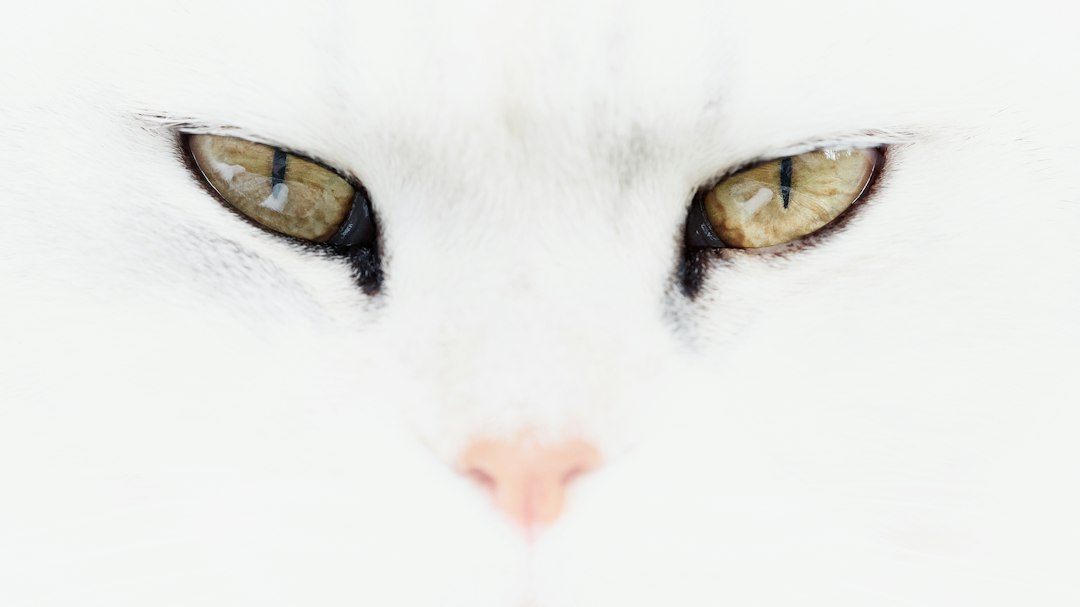
The allure of the blue-eyed white cat is undeniable. Their striking azure gaze, often set against a pristine white coat, evokes an image of ethereal beauty and gentle grace. However, behind this captivating appearance lies a fascinating and complex relationship with genetics, particularly concerning a predisposition to deafness. For centuries, breeders and cat enthusiasts have observed this correlation, and modern science has begun to unravel the intricate genetic mechanisms at play. Understanding the genetics of blue eyes and white fur in cats, and their connection to hearing, is crucial for responsible breeding practices and for appreciating the unique characteristics of these remarkable felines.
The Genetics of White Fur: A Mask of Pigment
The presence of a predominantly white coat in cats is not a simple absence of color, but rather the result of specific gene interactions that prevent pigment from reaching the fur. The most significant genetic factor influencing a white coat is the dominant gene W (for white).
The Dominant White (W) Gene
The W gene is a dominant epistatic gene, meaning that if a cat inherits even one copy of the W allele, it will express a white coat, masking the expression of other color genes. This means a cat with the genotype WW or Ww will be white, regardless of the other coat color genes it carries. The W gene essentially acts like a switch that turns off the production and distribution of pigment to the fur cells. This explains why white cats can still carry the genetic blueprint for various colors and patterns, such as black, tabby, or calico, which might only become apparent through genetic testing or in offspring if bred with a non-white cat.
Epistasis and the Masking Effect
Epistasis is a phenomenon where one gene masks or modifies the expression of another gene. In the case of the dominant white gene, it overrides the effects of genes responsible for pigment production. For instance, a cat could possess the genes for black fur (B) and agouti (A), but if it also has the W gene, it will appear entirely white. This makes identifying the underlying genetic color of a white cat challenging without pedigree information or genetic analysis.
The Piebald Spotting (S) Gene and its Role
While the W gene is responsible for complete white, another gene, the S gene (for piebald spotting), plays a role in creating patches of white on a colored background. This gene is responsible for the white markings seen in breeds like the tuxedo cat or the van pattern in Turkish Vans. The S gene is a semi-dominant gene. Cats with two copies of the S allele (SS) tend to have more extensive white spotting, while cats with one copy (Ss) have less. Cats with no S alleles (ss) have minimal or no white spotting.
White Spotting Patterns
The S gene determines the distribution and amount of white. Different alleles and modifier genes can influence the extent and location of these white patches, leading to a wide variety of patterns. The interaction between the W gene and the S gene can be complex. A cat with the W gene will be entirely white, overriding any potential for spotting from the S gene. However, if a cat has the S gene and does not have the W gene, it will display white patches in varying degrees.
White cats with blue eyes are often associated with a genetic trait that can lead to deafness. This intriguing connection has been explored in various studies, highlighting how the lack of pigment in their fur and eyes can affect their hearing abilities. For more in-depth information on this topic, you can read the related article at Freaky Science, which delves into the science behind the genetics of white cats and their unique characteristics.
The Connection Between White Fur, Blue Eyes, and Deafness

The presence of white fur and blue eyes in cats is often linked to the same genetic pathways that can influence hearing. This connection is not coincidental and is rooted in the development of melanocytes, the cells responsible for producing pigment in the skin, fur, and eyes, as well as in the inner ear.
Melanocyte Migration and Auditory Health
Melanocytes play a critical role in the development and function of the inner ear, specifically the stria vascularis, a structure within the cochlea essential for producing the electrical signals that the brain interprets as sound. During embryonic development, melanocytes migrate from their origin in the neural crest to various parts of the body, including the skin, fur follicles, eyes, and the inner ear.
The Spotting Gene and Inner Ear Development
It is believed that genes responsible for white spotting, including the dominant white (W) gene and potentially certain alleles of the piebald spotting (S) gene, can interfere with the normal migration or development of melanocytes in the inner ear. When melanocytes are absent or dysfunctional in the stria vascularis, the inner ear cannot produce the necessary fluid composition to support auditory function, leading to deafness.
Blue Eyes as a Visual Indicator
Blue eyes in cats are often a consequence of the absence of melanin (pigment) in the iris. This can occur due to the dominant white (W) gene, which prevents pigment from reaching the iris, or through specific genes related to eye color that are not directly linked to fur color but can be inherited alongside genes for white fur and deafness.
The “K” Locus and Blue Eyes
While the W gene causes a lack of pigment throughout the body, including the eyes, there are other genetic factors that can result in blue eyes without necessarily causing complete white fur. For instance, certain alleles at the “K” locus (which controls the expression of black/brown pigment) can, in conjunction with other genes, lead to blue irises, particularly in specific breeds. However, in the context of white cats and deafness, the absence of pigment due to the W gene is the most common culprit for blue eyes.
The Unilateral and Bilateral Deafness Spectrum
The degree of deafness in cats with white fur and blue eyes can vary. Some cats may be completely deaf in both ears (bilateral deafness), while others may be deaf in only one ear (unilateral deafness).
Unilateral Deafness and Compensatory Hearing
Cats with unilateral deafness are often able to compensate remarkably well, and their deafness might go unnoticed for a long time. The brain is adept at processing auditory information, and a hearing ear can often pick up sufficient cues. However, it’s important for owners to be aware of the possibility and observe for any subtle signs, such as a lack of reaction to sounds from a specific direction or a tendency to startle easily.
Bilateral Deafness and Management
Bilateral deafness is more pronounced and requires specific management strategies to ensure the cat’s safety and well-being. These cats cannot rely on hearing for warnings of danger, such as approaching traffic or predators. Owners of deaf white cats often implement visual cues and ensure secure environments, such as keeping them indoors or in enclosed gardens.
The K-Locus and Other Genetic Modifiers

While the dominant white (W) gene is a primary driver of white fur and often associated with blue eyes and deafness, other genetic factors, particularly those influencing the K-locus, can also play a role. The K-locus genes control the expression of the gene for black pigment (B).
Dominant Black (K) and its Influence
The dominant allele KB at the K-locus results in a solid black or brown coat, completely masking the tabby pattern. If a cat carries KB, it will be solid colored. However, the gene for yellow (e) is epistatic to the K-locus, meaning if a cat has the genotype ee, it will be red (orange) regardless of its K-locus genes.
Interaction with White Spotting Genes
The K-locus genes interact with genes for white spotting. For example, a cat with the KB allele and the S gene will exhibit solid black fur with white patches. The specific combination of genes at the K-locus can influence the distribution of pigment and thus the extent of white spotting, indirectly affecting the likelihood of deafness.
The Role of Non-Dominant White Genes
Beyond the dominant W gene, there are other genes that can contribute to a white phenotype, often in conjunction with spotting. For instance, the recessive gene “c” (albino) results in a complete lack of pigment, leading to white fur and pink eyes. However, albinism is distinct from the white fur and blue eyes associated with deafness in the majority of cases.
Recessive White and Albino Cats
Albino cats are genetically different from dominant white cats. They lack tyrosinase, an enzyme essential for pigment production, resulting in a complete absence of color in fur and eyes. Albino cats typically have pink or very pale blue eyes and are not usually associated with the same degree of deafness as dominant white cats with blue eyes.
Breeding Considerations for White Cats
For breeders and owners of white cats, understanding the genetic predispositions is paramount for responsible practice. While the striking appearance of a blue-eyed white cat is desirable to many, the potential for deafness cannot be ignored.
Genetic Testing and Health Screening
Responsible breeders will often perform genetic testing on their breeding stock to understand their genetic makeup concerning white spotting and other genes that might be linked to deafness. Furthermore, audiometric testing, such as the Brainstem Auditory Evoked Response (BAER) test, is crucial for assessing the hearing of kittens.
BAER Testing Protocol
BAER testing is a non-invasive procedure that measures the electrical activity in the auditory pathway of the brain in response to sound. This test can accurately detect deafness even in young kittens and can differentiate between unilateral and bilateral deafness. Reputable breeders will test all white kittens, especially those with blue eyes, to identify any hearing impairments.
Ethical Breeding Practices and Information Dissemination
Breeders should be transparent with potential buyers about the genetic health of their kittens, including any known hearing status. This ensures that prospective owners are fully informed and can make responsible decisions. Educating the public about the genetics of white cats and deafness is also vital to prevent the perpetuation of myths and to promote the welfare of these animals.
Preventing Over-Breeding of Genetically Predisposed Individuals
While the goal isn’t to eliminate white cats, breeders should be mindful of breeding two white cats with blue eyes together, as this increases the probability of producing deaf offspring. Selective breeding, prioritizing individuals with good hearing, even within white coat patterns, is a key aspect of ethical practice.
Many people are fascinated by the unique characteristics of white cats with blue eyes, particularly their tendency to be deaf. This intriguing phenomenon has been the subject of various studies and articles, shedding light on the genetic factors that contribute to this condition. For more detailed insights, you can read a related article that explores the connection between coat color, eye color, and hearing abilities in cats by visiting Freaky Science. Understanding these traits can help cat owners provide better care for their pets and appreciate the beauty of these striking animals.
Living with a Deaf White Cat
| Metric | Value | Notes |
|---|---|---|
| Percentage of White Cats with Blue Eyes | Approximately 10-15% | Varies by breed and population |
| Incidence of Deafness in White Cats with Blue Eyes | Up to 65% | Higher than in white cats with other eye colors |
| Incidence of Deafness in White Cats with One Blue Eye | Approximately 40% | Deafness often affects the ear on the blue-eyed side |
| Incidence of Deafness in White Cats with Non-Blue Eyes | Approximately 17-22% | Lower than in blue-eyed white cats |
| Genetic Cause | W (White) gene and OCA2 gene interaction | Associated with lack of melanocytes in the inner ear |
| Effect of Deafness | Unilateral or Bilateral | Can affect one or both ears |
| Testing Method | BAER (Brainstem Auditory Evoked Response) | Standard test for diagnosing deafness in cats |
Despite the challenges, deaf white cats can lead fulfilling and happy lives. With understanding, appropriate care, and a few adjustments, their owners can provide them with a safe and enriching environment.
Communication and Environmental Adaptations
Owners can develop effective communication methods using visual cues, hand signals, and vibrations. Training can be done using positive reinforcement and visual rewards. Modifying the home environment to ensure safety is also crucial. This might include reinforcing doors and windows to prevent escapes, using baby gates to create safe zones, and ensuring the cat is always supervised when outdoors, if it is allowed.
Building Trust and Bond
Deaf cats often develop very strong bonds with their owners, as they rely heavily on visual cues and a sense of security provided by their human companions. Their heightened sense of touch and their ability to sense vibrations can also lead to unique forms of interaction. Patience, love, and understanding are the cornerstones of a successful relationship with a deaf feline friend.
Enrichment and Play
Deafness does not diminish a cat’s need for mental and physical stimulation. Interactive toys, puzzle feeders, and regular play sessions can keep them engaged and prevent boredom. Observing their body language and understanding their individual preferences is key to providing enriching experiences. Their other senses, particularly sight and touch, become even more acute, and they can be stimulated through visual toys, feather wands, and even scented items.
The Joy of a Unique Companion
Many owners of deaf white cats will attest to the profound joy and unique companionship these animals offer. Their resilience, their capacity for love, and their ability to adapt make them truly special members of the family. While the genetic link to deafness is an important consideration, it should not overshadow the wonderful qualities that these beautiful cats possess. Their striking appearance and their devoted nature make them unforgettable companions for those who understand and embrace their unique needs.

Which Cat Color Lives Longest? The Research Has a Twist
FAQs
What causes white cats to have blue eyes and be deaf?
White cats with blue eyes are often born deaf due to a genetic link between the gene that causes their white coat and the gene responsible for their blue eyes. This genetic combination can lead to abnormalities in the development of the inner ear, resulting in deafness.
Are all white cats with blue eyes deaf?
Not all white cats with blue eyes are deaf, but a significant percentage of them are. Studies have shown that about 60-80% of white cats with blue eyes are deaf in one or both ears.
Can deafness in white cats with blue eyes be prevented?
Deafness in white cats with blue eyes cannot be prevented, as it is a genetic trait. However, responsible breeding practices can help reduce the likelihood of deafness in white cats with blue eyes by avoiding mating two cats with the genetic predisposition for deafness.
How does deafness affect white cats with blue eyes?
Deafness can have a significant impact on white cats with blue eyes, as they rely heavily on their other senses to compensate for their lack of hearing. They may be more easily startled and have difficulty communicating with other cats or humans.
Are white cats with blue eyes more prone to health issues other than deafness?
White cats with blue eyes are not necessarily more prone to health issues other than deafness. However, they are more susceptible to sunburn and skin cancer due to their lack of pigmentation in their skin and fur, so it is important to protect them from prolonged sun exposure.