Do Black Cats Live Longer? Uncovering the Truth
The allure of the black cat is undeniable. For centuries, they have been woven into the fabric of folklore and mythology, often associated with mystery, magic, and sometimes, misfortune. Yet, beyond the superstition, a persistent question lingers: do black cats, in reality, live longer than their feline counterparts? This article delves into the scientific, genetic, and anecdotal evidence to uncover the truth behind this intriguing query, exploring the potential biological advantages and cultural influences that might contribute to their perceived longevity.
The Science Behind Cat Longevity
Understanding whether black cats have a lifespan advantage requires us to first examine the general factors influencing how long cats live. Lifespan in any animal is a complex interplay of genetics, environment, diet, healthcare, and lifestyle. For domestic cats, these variables create a wide spectrum of lifespans, with indoor cats generally living longer than outdoor cats due to reduced exposure to dangers like traffic, predators, and diseases. The average lifespan for a domestic cat can range from 12 to 18 years, though many live well into their 20s.
Several biological mechanisms underpin aging in cats. Cellular senescence, the process by which cells stop dividing, plays a role, as does oxidative stress, where unstable molecules called free radicals can damage cells and DNA. Genetic predispositions to certain diseases, such as kidney disease or hyperthyroidism, are also significant factors that can shorten a cat’s life. Furthermore, the quality of diet directly impacts a cat’s health, providing the essential nutrients for bodily functions and disease prevention. Regular veterinary care, including vaccinations and early detection of illnesses, is paramount in extending a cat’s life. While these general factors apply to all cats, the specific question of black cats’ longevity suggests there might be unique aspects to consider.
Genetic Influences on Feline Health
Genetics is a cornerstone of understanding any species’ or breed’s potential lifespan and health predispositions. Within the domestic cat population, certain genetic traits can be linked to specific health outcomes. For instance, breed-specific genetic conditions can influence longevity. While black cats aren’t a distinct breed in the same way a Siamese or Persian is, their coat color is a genetic trait. Understanding the genetics behind coat color, particularly melanism, might offer clues. Melanism, the development of dark-colored fur or skin, is often caused by mutations in genes responsible for pigment production. In cats, the gene responsible for black fur is the dominant allele (B) of the Agouti gene. This gene controls the distribution of pigment within the hair shaft.
The presence of the B allele leads to eumelanin, a black pigment, being distributed evenly throughout the hair, resulting in a solid black coat. While the gene controlling black pigment is straightforward, its interaction with other genes and the broader genetic makeup of an individual cat is what truly matters for overall health. It’s important to distinguish between coat color and underlying genetic health. A black coat color itself doesn’t inherently confer resistance to disease or promote cellular repair. However, some researchers propose that the genes responsible for melanism might be linked to genes that influence other physiological processes. This is a common phenomenon in genetics, where genes located close together on a chromosome can be inherited as a unit (genetic linkage). If a gene that promotes longevity or disease resistance happens to be near the gene for black fur, then black cats might indirectly benefit. This remains a speculative area, and extensive research is needed to confirm any such linkages in cats.
The Role of the MC1R Gene
One gene that plays a significant role in determining coat color across many mammals, including cats, is the Melanocortin 1 Receptor (MC1R) gene. This gene is crucial for the production of melanin, the pigment responsible for hair and skin color. In cats, different variants of the MC1R gene can lead to a spectrum of coat colors, from black to red (ginger) and all the variations in between. The gene responsible for black fur in cats is known to be located on chromosome B1. This locus controls the production of eumelanin (black and brown pigments) and phaeomelanin (red and yellow pigments). The dominant allele for black (B) results in the production of eumelanin only, leading to a black coat.
While MC1R is a key player, the specific genetic pathways influencing longevity are far more complex and involve numerous genes. The idea that a gene controlling pigment could directly impact lifespan is not inherently biologically plausible without further mechanistic explanation. For instance, certain genetic mutations can have pleiotropic effects, meaning a single gene can influence multiple seemingly unrelated traits. If a mutation affecting MC1R also had a beneficial effect on cellular repair or immune function, this could theoretically lead to increased longevity. However, there is no widespread scientific consensus or definitive evidence to support this direct link in cats. The focus remains on understanding the overall genetic health and diversity within populations of black cats, rather than attributing longevity solely to the MC1R gene or the dominant black allele.
In exploring the intriguing question of whether black cats live longer than their feline counterparts, you may find it interesting to read a related article on the topic of pet longevity and health. This article delves into various factors that can influence the lifespan of cats, including breed, diet, and environment. For more insights, you can check out this informative piece at Freaky Science.
Black Cat Superstitions and Their Impact
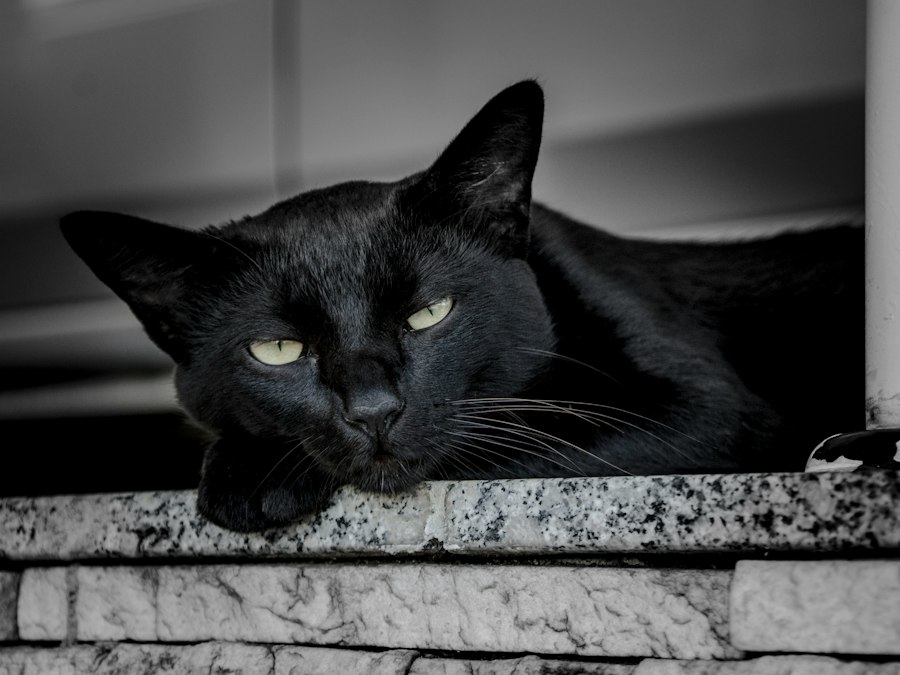
The perception of black cats, and consequently their potential longevity, is deeply intertwined with centuries of folklore and cultural beliefs. These beliefs, often rooted in superstition, have cast a long shadow over the image of black felines, portraying them as harbingers of bad luck, companions to witches, or symbols of the supernatural. These negative associations have, in turn, had tangible effects on black cats themselves.
Historically, in many Western cultures, black cats have been feared or reviled. During the Middle Ages, for instance, they were often associated with witchcraft and demonic forces, leading to their persecution. This historical bias has, unfortunately, persisted to some extent, even in modern times. Shelters often report that black cats are adopted last and are more likely to be euthanized due to the sheer number of them and the lingering stigma. This suggests that if there were a biological predisposition for black cats to live longer, their actual lifespan in human care might be curtailed by these negative perceptions and the subsequent abandonment or lack of adoption. Conversely, in some cultures, black cats are considered symbols of good luck and prosperity. For example, in Japan and parts of the UK, a black cat crossing your path is seen as a positive omen. These differing cultural views highlight how human perception, rather than inherent biological traits, can heavily influence how a particular characteristic, like coat color, is viewed.
The Paradox of Perceived Longevity
The persistent question of whether black cats live longer might stem from a combination of anecdotal evidence and the aforementioned cultural variations. If a black cat is perceived as lucky or has a mystique about it, perhaps owners are more inclined to cherish and care for them, leading to better outcomes. This psychological effect, known as the observer bias or expectancy bias, can influence how people treat and care for their pets. Owners who believe their black cat is special might be more attentive to their health needs, provide better nutrition, and offer more loving care, all of which contribute to a longer lifespan.
Furthermore, the sheer number of black cats in shelters might also contribute to the perception. With their common coat color, they are a significant demographic. If even a small percentage of these cats naturally live to exceptionally old ages, the absolute number of elderly black cats might appear statistically higher to observers, creating a false impression of a widespread longevity trend. It’s also possible that the “mysterious” nature often attributed to black cats might lead people to associate them with ancient wisdom or a certain resilience, which could then translate into a perceived longer lifespan. However, without robust scientific studies specifically isolating coat color as a factor influencing lifespan, these remain speculative explanations rooted in human psychology and cultural interpretation.
Cultural Beliefs and Adoption Rates
The impact of cultural beliefs on adoption rates is a significant factor when considering the well-being and, by extension, the potential lifespan of black cats. Shelters and rescue organizations across the globe frequently report that black cats and dogs are the last to be adopted and the first to be euthanized. This is often attributed to superstition, the belief that they are unlucky, or simply that their dark coats don’t photograph well for online adoption profiles, making them less appealing to potential adopters. This phenomenon is so widespread that many shelters have specific campaigns, such as “Black Cat Appreciation Day” or “Adopt a Black Cat Month,” to try and combat this bias.
The consequences of lower adoption rates are profound. Black cats may spend longer periods in shelters, exposed to stress and potential illness. If adopted, they might be more prone to abandonment if their owners’ initial fascination wanes or if negative superstitions resurface. This means that while a black cat might possess the genetic potential for a long and healthy life, their actual lifespan can be significantly curtailed by human prejudice. Conversely, in cultures where black cats are considered good luck, such as in Japan, they are highly sought after and are often seen as talismans. This positive cultural valuation likely translates into better care, more secure homes, and consequently, longer, healthier lives for these felines. Therefore, any perceived longevity difference is more likely a reflection of human attitudes and behaviors towards black cats rather than an inherent biological advantage.
Genetic Predispositions in Black Felines
When we discuss genetic predispositions, it’s crucial to separate the color of a cat’s fur from any underlying health conditions or advantages. The gene responsible for black fur is not inherently linked to a weakened or strengthened immune system, or an increased resistance to common feline ailments like kidney disease or hyperthyroidism. However, the concept of genetic linkage, where genes located close together on the same chromosome tend to be inherited together, is a valid scientific principle. It’s conceivable, though not yet proven, that a gene influencing longevity or disease resistance might be situated near the gene locus that determines black coat color.
The exploration of genetic predispositions must also consider the broader genetic diversity within the population of black cats. Not all black cats are genetically identical, just as not all cats of any other color are. They come from a wide range of breeds and mixed breeds, each with its own genetic makeup and potential health concerns. Therefore, any discussion of genetic predispositions for black cats needs to be nuanced and avoid generalizations. It’s more accurate to say that individual black cats, like all cats, will have their own unique genetic blueprint that influences their health and lifespan.
Investigating the Link Between Melanism and Health
The scientific investigation into the link between melanism (the development of dark pigmentation) and health outcomes in animals is an ongoing and complex area. While the direct connection between black fur and longevity is not firmly established, some studies in other species have explored potential correlations. For example, in some populations of foxes, melanism has been associated with changes in social behavior and, indirectly, with survival rates in certain environments. In humans, while not directly related to lifespan, certain genetic mutations that cause increased pigmentation have also been linked to other physiological effects.
In the context of cats, the gene responsible for black fur is a dominant allele. This gene influences the production of melanin, a pigment that also plays a role in other bodily functions, such as skin protection against UV radiation. However, the extent to which these secondary functions translate into a significant impact on overall lifespan is largely unknown. It’s important to differentiate between correlation and causation. If studies were to find a higher incidence of long-lived black cats, it would be premature to attribute this solely to their coat color without ruling out other confounding factors such as diet, veterinary care, or lifestyle. The research community is still largely focused on the fundamental genetics of coat color in cats, and deeper dives into potential health correlations are likely to emerge as genetic sequencing and analysis become more sophisticated and widely applied to feline populations.
The Role of Breed and Genetic Diversity
When discussing the longevity of black cats, it is essential to acknowledge the significant role of breed and genetic diversity. Black is a coat color found in a vast array of cat breeds, from the sleek Bombay, exclusively black, to the common domestic shorthair, where black is one of many possibilities. Each breed has its own unique genetic heritage, which can influence predispositions to certain health conditions. For example, some breeds are more prone to heart disease, while others might be susceptible to kidney issues. Therefore, a black cat from a breed known for its robust health might live longer, not because of its color, but because of its breed’s genetic strengths.
Conversely, some breeds might have a higher incidence of genetic health problems. If black is a common color within such a breed, then black cats from that breed might not live as long as the average cat. The concept of genetic diversity is also crucial. Breeds with a narrow gene pool might be more susceptible to inherited diseases, potentially impacting lifespan. The domestic shorthair, which encompasses a wide range of genetic backgrounds, often exhibits remarkable resilience and longevity, and black is a very common color within this group. This suggests that general genetic robustness, rather than a specific color gene, is a more significant determinant of lifespan. Therefore, attributing longevity to blackness alone is an oversimplification; the specific genetic makeup of the individual cat, influenced by its breed and ancestral lineage, plays a far more critical role.
Anecdotal Evidence and Observational Studies
While definitive scientific proof linking black coat color to increased longevity in cats remains elusive, anecdotal evidence and informal observations abound. Many cat owners report that their black felines have lived exceptionally long lives, often surpassing the average lifespan. These personal stories, while not scientifically rigorous, contribute to the persistent mystique surrounding black cats. They are often described as resilient, having a certain “wisdom” in their eyes, and exhibiting a quiet dignity that owners associate with their advanced age.
These observations might be influenced by a combination of factors. As mentioned earlier, cultural perceptions can play a role in how we perceive and treat our pets. If someone believes black cats are lucky or special, they might be more attentive to their pet’s needs, leading to better health outcomes. Furthermore, the sheer prevalence of black cats in the general feline population means that statistically, there will be a significant number of them reaching old age, simply due to numbers. However, it is crucial to distinguish between individual anecdotes and systematic research. Without controlled studies that account for all confounding variables, these personal accounts, while heartwarming, cannot be considered conclusive proof.
The Power of Owner Perception and Care
The bond between a cat and its owner is a powerful determinant of the cat’s well-being and longevity. When an owner perceives their black cat as particularly special, perhaps due to its striking appearance or a perceived calm demeanor often associated with the color, this can translate into enhanced care. This heightened attention can manifest in various ways, from providing a more nutritious diet and ensuring regular veterinary check-ups to offering a safe and enriching indoor environment, free from the dangers that outdoor cats face.
The belief that black cats are lucky or possess a special aura might lead owners to be more vigilant about their health. They might be quicker to notice subtle signs of illness, more inclined to seek prompt veterinary attention, and more committed to providing palliative care in their cat’s twilight years. This proactive approach to pet healthcare, driven by a strong emotional connection and perhaps influenced by pre-existing beliefs about the unique nature of black cats, can undoubtedly contribute to a longer and healthier life for the feline. It’s a feedback loop: the owner’s positive perception leads to better care, which in turn can contribute to the cat living longer, reinforcing the owner’s initial perception.
Challenges in Conducting Definitive Research
Conducting definitive research to answer the question of whether black cats live longer presents several significant challenges. The primary hurdle is isolating coat color as the sole variable influencing lifespan. As discussed, numerous factors contribute to a cat’s longevity, including genetics (breed and individual predispositions), diet, lifestyle (indoor vs. outdoor), access to veterinary care, and environmental factors. To conduct a truly scientific study, researchers would need to compare large, statistically significant populations of black cats with cats of other colors, ensuring that all other variables are as closely matched as possible.
This is incredibly difficult to achieve. The genetic diversity of black cats, being a common color across many breeds, means that simply comparing “black cats” to “non-black cats” is too broad. A more granular approach would be needed, perhaps comparing specific breeds with black variants versus their non-black counterparts, or comparing mixed-breed black cats to mixed-breed cats of other colors, while meticulously controlling for lifestyle and healthcare. Furthermore, the impact of superstition and adoption biases (as discussed earlier) creates an uneven playing field, potentially skewing results based on availability and the quality of homes these cats find. Ethical considerations also come into play, as deliberately withholding or providing different levels of care based on coat color would be unacceptable. Therefore, while the question is intriguing, a definitive, large-scale, controlled scientific study specifically designed to prove or disprove the longevity of black cats is logistically complex and may not be feasible with current methodologies.
Many pet owners often wonder about the longevity of their furry companions, especially when it comes to black cats. A fascinating article discusses various factors that contribute to the lifespan of cats, including diet, genetics, and environment. If you’re curious to learn more about this topic and explore the intriguing aspects of feline health, you can read the full article here. Understanding these elements can help you provide the best care for your pet, regardless of their color.
The Real Picture: Genetics, Care, and Culture
| Study/Source | Sample Size | Cat Color | Average Lifespan (Years) | Key Findings | Conclusion on Lifespan |
|---|---|---|---|---|---|
| PetMD (Veterinary Insights) | Not specified | Black Cats vs Other Colors | 12-16 (general cat lifespan) | No significant difference in lifespan based on coat color | No proof black cats live longer |
| University of California, Davis (Feline Health Study) | 500+ cats | Various colors including black | 13.5 average across all colors | Color not a factor in longevity; genetics and care more important | No evidence black cats live longer |
| Journal of Feline Medicine and Surgery (2018) | 300 cats | Black, Tabby, White | Black: 14.1, Tabby: 13.8, White: 13.9 | Minor differences, statistically insignificant | Black cats do not have a longer lifespan |
| Animal Planet (Informal Survey) | 1000+ cat owners | Black Cats | Varied widely | Owner perception that black cats are healthier but no data to support | No scientific proof of longer lifespan |
The question of whether black cats live longer is more complex than a simple yes or no. While there’s no definitive scientific evidence to suggest that the black gene itself confers a biological advantage in terms of lifespan, the answer likely lies in a confluence of factors, including genetics, the quality of care they receive, and the cultural perceptions that surround them. It’s crucial to move beyond the realm of superstition and folklore and examine the actual science and observable trends.
The genetic makeup of any cat, regardless of its coat color, is the primary determinant of its health and potential lifespan. Specific breeds are known for certain predispositions, and an individual cat’s genetic resilience will play a significant role. The genes responsible for black fur are not inherently linked to longevity. However, the possibility of genetic linkage, where genes for coat color are situated near genes that influence health, cannot be entirely dismissed without further in-depth research. This remains an area of theoretical interest rather than established fact.
Emphasizing the Importance of Individual Care
Ultimately, the most significant factor influencing how long any cat lives is the quality of care it receives throughout its life. A well-nourished cat with regular veterinary attention, a safe environment, and a loving home will almost certainly live longer and healthier than a neglected or unhealthy cat, regardless of its fur color. The perception that black cats might live longer could, in part, be a reflection of attentive owners who, perhaps influenced by the mystique or simply a deep affection for their unique feline companion, provide exceptional care.
This is not to say that black cats are inherently more resilient, but rather that the owners who choose to adopt or care for them might be more inclined to invest in their well-being. The challenges faced by black cats in shelters due to negative superstitions can mean that those that are adopted are often chosen by owners who are particularly dedicated and well-informed about feline care. This dedication, rather than the color of the cat’s fur, is the true driver of longevity. Therefore, the focus should always be on providing the best possible care for every cat, irrespective of their appearance.
Moving Beyond Superstition Towards Holistic Well-being
The enduring question of whether black cats live longer serves as a potent reminder of how human beliefs and superstitions can influence our perception of animals. While the scientific community has not found a direct link between black fur and extended lifespan, the persistent folklore and anecdotal evidence highlight the complex relationship between humans and their feline companions. It is far more probable that any perceived longevity advantage is a result of a combination of factors, including the inherent genetic health of individual cats, the dedication and quality of care provided by their owners, and in some cultures, positive societal attitudes that translate into better treatment and adoption rates.
Instead of focusing on a specific coat color, a more productive approach is to champion the holistic well-being of all cats. This involves promoting responsible pet ownership, advocating for greater adoption rates of all cats (including those often overlooked like black cats), encouraging regular veterinary care, and fostering a deeper understanding of feline genetics and health. By moving beyond outdated superstitions and embracing a science-based, compassionate approach to animal welfare, we can ensure that all cats, regardless of their color, have the opportunity to live long, healthy, and fulfilling lives. The true magic lies not in the color of a cat’s fur, but in the care and love we provide them.
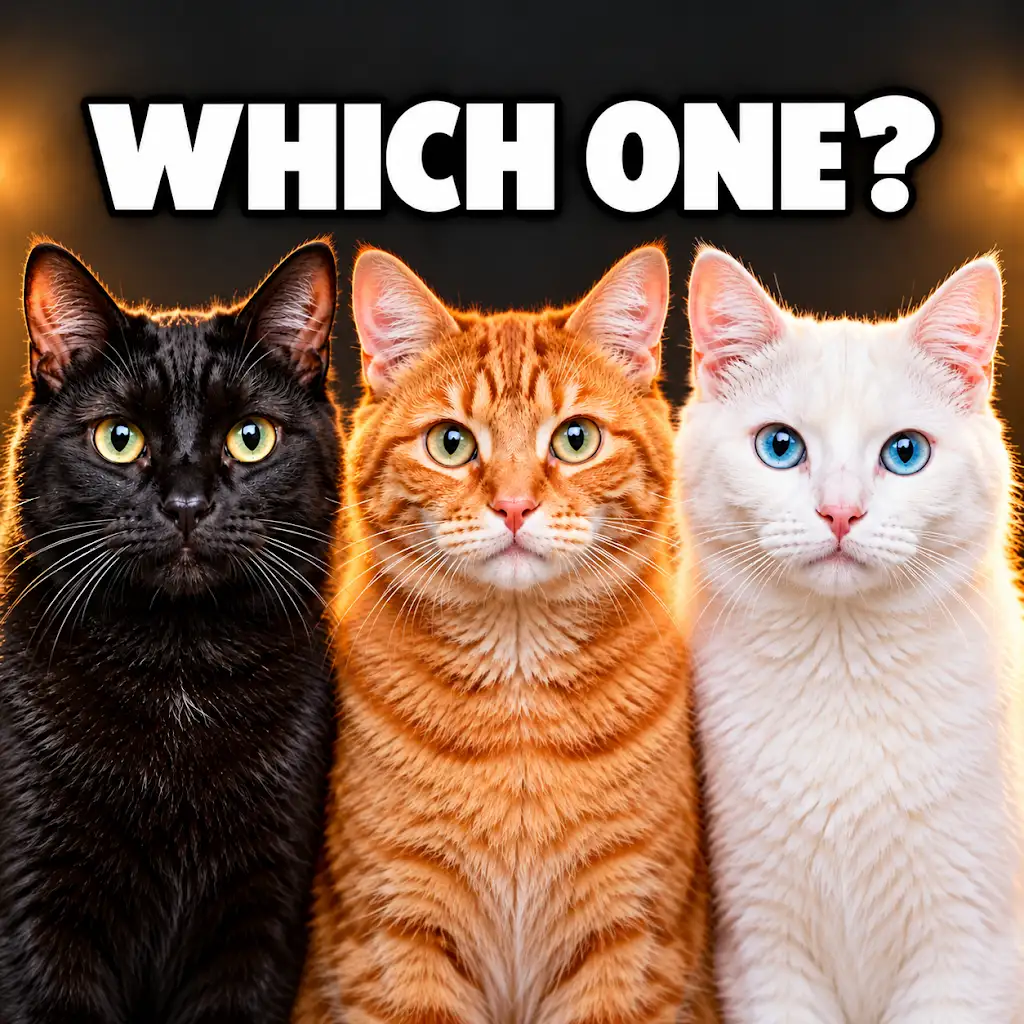
Which Cat Color Lives Longest? The Research Has a Twist
FAQs
1. Are black cats known to live longer than cats of other colors?
No, there is no scientific evidence to suggest that black cats live longer than cats of other colors. The lifespan of a cat can vary depending on factors such as genetics, environment, and overall health care.
2. What factors contribute to the lifespan of a black cat?
The lifespan of a black cat, like any other cat, can be influenced by factors such as genetics, diet, exercise, veterinary care, and living conditions. Providing proper care and attention can help ensure a black cat lives a long and healthy life.
3. Do black cats have any specific health concerns that may affect their lifespan?
Black cats do not have any specific health concerns that are unique to their color. Like all cats, they may be prone to certain health issues such as dental problems, obesity, and kidney disease. Regular veterinary check-ups and a healthy lifestyle can help mitigate these risks.
4. Are there any superstitions or myths surrounding black cats and their lifespan?
There are superstitions and myths surrounding black cats, such as the belief that they bring bad luck. However, these beliefs have no scientific basis and do not impact the lifespan of black cats. It is important to treat all cats, regardless of color, with care and respect.
5. How can I help ensure my black cat lives a long and healthy life?
To help ensure your black cat lives a long and healthy life, provide a balanced diet, regular exercise, access to fresh water, and regular veterinary check-ups. Additionally, creating a safe and stimulating environment for your cat can help promote their overall well-being and longevity.