
The allure of the black cat is undeniable. Often shrouded in mystery and folklore, these sleek, midnight-hued felines have captivated human imagination for centuries. While their mystical associations are plentiful, a question often arises among animal lovers and the curious alike: are black cats, by virtue of their unique coloration, inherently healthier than their counterparts? This inquiry delves into the realm of genetics, common misconceptions, and the scientific understanding of feline health, seeking to separate myth from observable reality. The perception of health can be influenced by various factors, from superficial observations to deeply rooted genetic predispositions. Understanding the genetic basis of coat color in cats, particularly the gene responsible for black pigmentation, is the first step in unraveling this complex question.
The Genetics of Black Fur: More Than Just a Color
The striking black coat of a feline is a result of a specific gene that influences melanin production. Melanin is the pigment responsible for coloration in both animals and humans, and in cats, the gene responsible for black fur is known as the Agouti gene, or more precisely, the dominant allele B for black pigment. This allele interacts with other genes to determine the distribution and intensity of the pigment. When the B allele is present and dominant, it leads to the production of eumelanin, the dark pigment responsible for black and brown coloration. This genetic makeup is not inherently linked to any particular health advantage or disadvantage. It is simply a variation in the genetic code that manifests as a particular coat color.
The Role of Melanism in Feline Coat Color
Melanism, the evolutionary trait that results in the production of dark-colored pigment in an animal’s skin and hair, is the phenomenon behind black cats. In cats, melanism is often caused by a mutation in a specific gene. This mutation typically leads to an overproduction of melanin, resulting in a uniformly dark coat. The prevalence of melanism varies across different cat breeds and geographical regions. For instance, black panthers, which are melanistic leopards or jaguars, are a well-known example of this trait in larger felines. In domestic cats, the genetic pathway is well-understood and is not, in itself, indicative of a compromised immune system or an increased susceptibility to illness.
Understanding the Agouti Gene and its Variants
The Agouti gene plays a crucial role in determining whether a cat’s fur will be solid-colored or patterned. The dominant A allele in the Agouti gene typically results in tabby patterns, where bands of pigment are distributed along the hair shaft. The recessive a allele, however, leads to solid coloration. When it comes to black fur, the B allele for black pigment is dominant over the b allele for brown. So, a cat with at least one dominant B allele will have black fur, provided other genes don’t interfere. The gene responsible for black fur itself does not confer any special protective qualities. It is a straightforward genetic expression, akin to a cat having blue eyes or a specific ear shape.
In exploring the health and well-being of cats, one intriguing topic is whether black cats are healthier than their feline counterparts. A related article that delves into various aspects of cat health, including the potential advantages of different coat colors, can be found on Freaky Science. This article provides insights into the genetics and health traits associated with black cats, making it a valuable read for cat owners and enthusiasts alike. For more information, you can check out the article here: Freaky Science.
Examining Common Health Beliefs and Misconceptions

The notion that black cats are healthier often stems from anecdotal observations and a blend of old superstitions with modern interpretations. One common misconception is that their dark fur offers them some sort of protection from the sun, thus reducing their risk of skin cancer. However, this is largely untrue. While darker fur may absorb more sunlight, it doesn’t inherently provide a shield against UV radiation. In fact, any cat, regardless of coat color, can be susceptible to sun-induced skin damage, especially those with thin fur or pink skin on their ears and noses.
The Myth of Sun Protection and Dark Fur
The idea that black fur is inherently protective against the sun is a fallacy. While a darker coat might absorb more solar radiation, it doesn’t act as a sunscreen. The primary risk of sun exposure for cats comes from prolonged and unprotected exposure to ultraviolet (UV) rays, which can lead to sunburn and, in severe cases, skin cancer. Cats with thin fur, white fur, or light-colored skin on exposed areas like the ears and nose are at a higher risk. Black cats, with their uniformly dark fur, may appear less susceptible at first glance, but this is a superficial observation. Their skin underneath can still be damaged by UV radiation. Responsible pet ownership involves providing adequate shade and limiting direct sun exposure, particularly during peak hours, for all cats, irrespective of their coat color.
Superstitions vs. Scientific Evidence: Separating Fact from Fiction
Historically, black cats have been associated with witchcraft and bad luck in many Western cultures. This negative folklore, though largely debunked by modern society, may have, in some subtle ways, contributed to a lingering perception that these cats are somehow different or perhaps more resilient, as they have historically survived persecution. Conversely, in some cultures, black cats are seen as good luck charms, bringing prosperity and protection. These superstitions, however, have no basis in scientific fact regarding their health. There is no evidence to suggest that a cat’s perceived luck or misfortune is linked to its genetic makeup or its susceptibility to diseases. The health of a cat is determined by a complex interplay of genetics, diet, environment, and veterinary care, not by its color.
Anecdotal Evidence: The Pitfalls of Personal Experience
Many cat owners who have shared their lives with black cats might attest to their pets being particularly robust. However, anecdotal evidence, while heartwarming, is not a reliable source for scientific conclusions. The health and longevity of a pet are influenced by numerous factors, including the quality of care it receives, its diet, its lifestyle (indoor vs. outdoor), and its individual genetic predispositions. A black cat living in a loving home with excellent nutrition and regular vet check-ups is likely to be healthy, just as a cat of any other color in similar circumstances would be. Conversely, a cat of any color, if neglected or facing genetic predispositions, may experience health issues. Therefore, attributing health solely to coat color based on personal experiences is a leap of logic unsupported by evidence.
Investigating Potential Genetic Predispositions and Resistances

While the gene for black fur itself doesn’t confer health benefits, it’s worth exploring if there are any indirect genetic links or patterns observed in populations of black cats. This involves looking at broader genetic profiles and breed-specific health concerns. Certain breeds are predisposed to particular health issues, and if black coloration is common within those breeds, it might lead to a mistaken association. However, focusing on the color itself as a determinant of health is generally not scientifically sound.
Breed-Specific Health Concerns and Coat Color
It is crucial to differentiate between coat color and breed. Many cat breeds have varying coat colors, including black. For example, the Bombay cat is exclusively black, bred to resemble a miniature panther. The Persian cat, on the other hand, can come in a multitude of colors, including black, but is known for its own set of health concerns, such as brachycephalic syndrome (breathing difficulties due to a flattened face) and polycystic kidney disease. The presence of black fur in a breed with known health issues doesn’t make the black cats within that breed healthier; they are simply subject to the same genetic predispositions as their non-black breedmates. Similarly, if a breed is generally robust, its black members will likely inherit that general good health.
Exploring the Possibility of Indirect Genetic Links
While the pigment gene itself doesn’t confer health, it’s a theoretical possibility that genes influencing coat color might be located on chromosomes close to genes that affect health. This phenomenon is known as genetic linkage. However, extensive research into feline genetics has not identified any significant or consistent genetic linkages between the black coat gene and traits that would indicate superior health or disease resistance across the general domestic cat population. The genetic pathways for coat color and major health parameters are generally independent.
Immune System Function: Coloration and Immunity
The immune system is a complex network of cells, tissues, and organs that work together to defend the body against disease. There is no scientific evidence to suggest that the gene responsible for producing black pigment has any direct impact on the strength or efficiency of a cat’s immune system. The immune response is largely determined by genetics unrelated to coat color, as well as by factors like nutrition, stress levels, and exposure to pathogens. While some studies in other species have explored links between pigmentation and immune function, these are often highly specific and do not translate to a general rule that darker animals are inherently more immune. For cats, coat color is not a determinant of immune health.
Environmental Factors and Their Impact on Feline Well-being
The health of any cat, regardless of its coat color, is profoundly influenced by its environment. This includes factors such as diet, lifestyle, exposure to toxins, and access to veterinary care. A well-cared-for black cat is likely to be healthier than a poorly cared-for cat of any other color. This highlights the importance of responsible pet ownership in ensuring the well-being of our feline companions.
The Crucial Role of Diet and Nutrition
A balanced and species-appropriate diet is fundamental to a cat’s health. Providing high-quality protein, essential fatty acids, vitamins, and minerals supports a strong immune system, healthy skin and coat, and optimal organ function. Whether a cat is black, white, tabby, or any other color, its nutritional needs remain the same. Deficiencies or excesses in diet can lead to a wide range of health problems, from obesity and diabetes to skin conditions and organ failure. Therefore, the color of a cat’s fur has no bearing on its dietary requirements or the impact of nutrition on its health.
Lifestyle Choices: Indoor vs. Outdoor and Their Health Implications
A cat’s lifestyle plays a significant role in its overall health and longevity. Indoor cats are generally protected from many dangers, such as traffic accidents, fights with other animals, exposure to parasites and infectious diseases, and predation. While outdoor cats may experience a more stimulating environment, they face higher risks. These risks are universal and do not discriminate based on coat color. A black cat that roams freely outdoors may be more susceptible to injuries or illnesses than a black cat that lives exclusively indoors. The same applies to cats of all other colors.
The Importance of Regular Veterinary Care
Preventative veterinary care is paramount for maintaining a cat’s health. Regular check-ups, vaccinations, parasite control, and prompt attention to any signs of illness are essential. Veterinarians can diagnose and treat a wide array of conditions, ensuring that cats receive the care they need to live long and healthy lives. The effectiveness of veterinary care is not influenced by the cat’s coat color. A black cat receiving thorough veterinary attention is just as likely to benefit from it as any other cat.
When considering the health of different cat breeds, many pet owners often wonder if black cats are healthier than their more colorful counterparts. A fascinating article explores this topic in depth, providing insights into the genetics and common health issues associated with various feline coats. For those interested in learning more about the health aspects of black cats, you can read the full article here. Understanding these factors can help ensure that all cats, regardless of their color, receive the best care possible.
Conclusion: Black Cats Are Not Inherently Healthier, But They Deserve Love
| Health Metric | Black Cats | Other Cats | Notes |
|---|---|---|---|
| Average Lifespan (years) | 12-15 | 12-15 | No significant difference observed |
| Incidence of Genetic Disorders | Similar to general cat population | Varies by breed | Black coat color not linked to genetic disorders |
| Immune System Strength | No conclusive evidence | No conclusive evidence | Coat color does not affect immunity |
| Prevalence of Skin Conditions | Comparable | Comparable | Black fur may offer slight UV protection |
| Overall Health | Depends on breed and care | Depends on breed and care | Health influenced more by genetics and environment |
In conclusion, the notion that black cats are healthier than other cats is a myth not supported by scientific evidence. Their striking black coat is a result of specific genetic expressions that do not confer any inherent health advantages or disadvantages. While anecdotal evidence might suggest otherwise, it is crucial to rely on scientific understanding and responsible pet care practices. The health of any feline is a multifaceted outcome, influenced by genetics, diet, lifestyle, and veterinary care. Black cats, like all cats, are individuals with unique health profiles. Their beautiful, dark coats are a matter of genetic happenstance, not a sign of superior resilience. Ultimately, every cat, regardless of its color, deserves a loving home, proper care, and the chance to live a long, healthy, and happy life. The focus should always be on providing the best possible environment and care for all our feline companions, celebrating their individuality and ensuring their well-being.
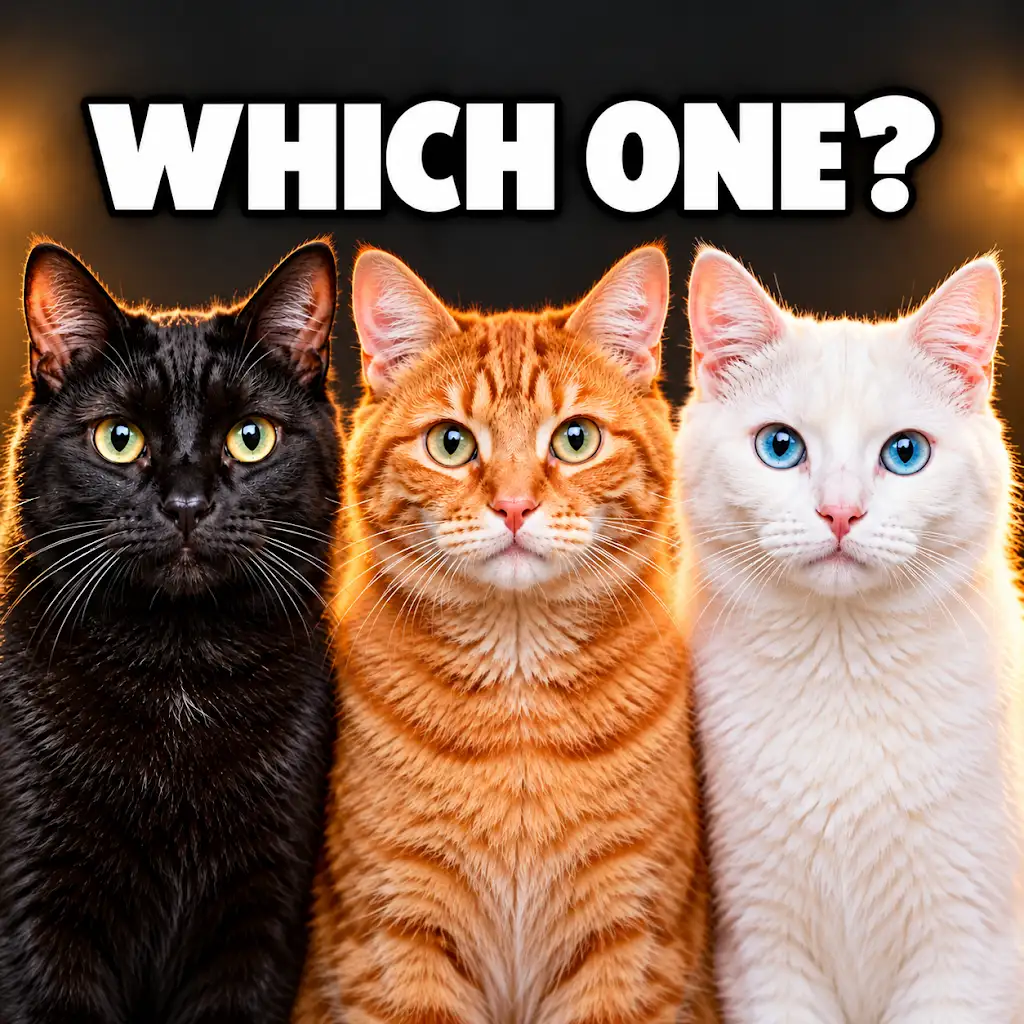
Which Cat Color Lives Longest? The Research Has a Twist
FAQs
1. Are black cats healthier than other cats?
Black cats are not inherently healthier than other cats solely based on their coat color. Health is determined by a variety of factors including genetics, environment, and proper care.
2. Do black cats have any specific health advantages over other cats?
There is no scientific evidence to suggest that black cats have any specific health advantages over other cats. Health outcomes are more closely tied to individual genetics and lifestyle factors.
3. Are black cats more prone to certain health conditions?
There is no evidence to suggest that black cats are more prone to specific health conditions compared to other cats. Like all cats, they may be susceptible to common feline health issues such as dental problems, obesity, and kidney disease.
4. Do black cats require any special care to maintain their health?
Black cats do not require any special care solely based on their coat color. Providing regular veterinary check-ups, a balanced diet, exercise, and a safe environment are essential for maintaining the health of all cats, regardless of their color.
5. Are there any superstitions or myths surrounding the health of black cats?
There are superstitions and myths surrounding black cats, such as being associated with bad luck or witchcraft. However, these beliefs have no scientific basis and do not impact the health of black cats in reality.
There are superstitions and myths surrounding black cats, such as being associated with bad luck or witchcraft. However, these beliefs have no scientific basis and do not impact the health of black cats in reality.