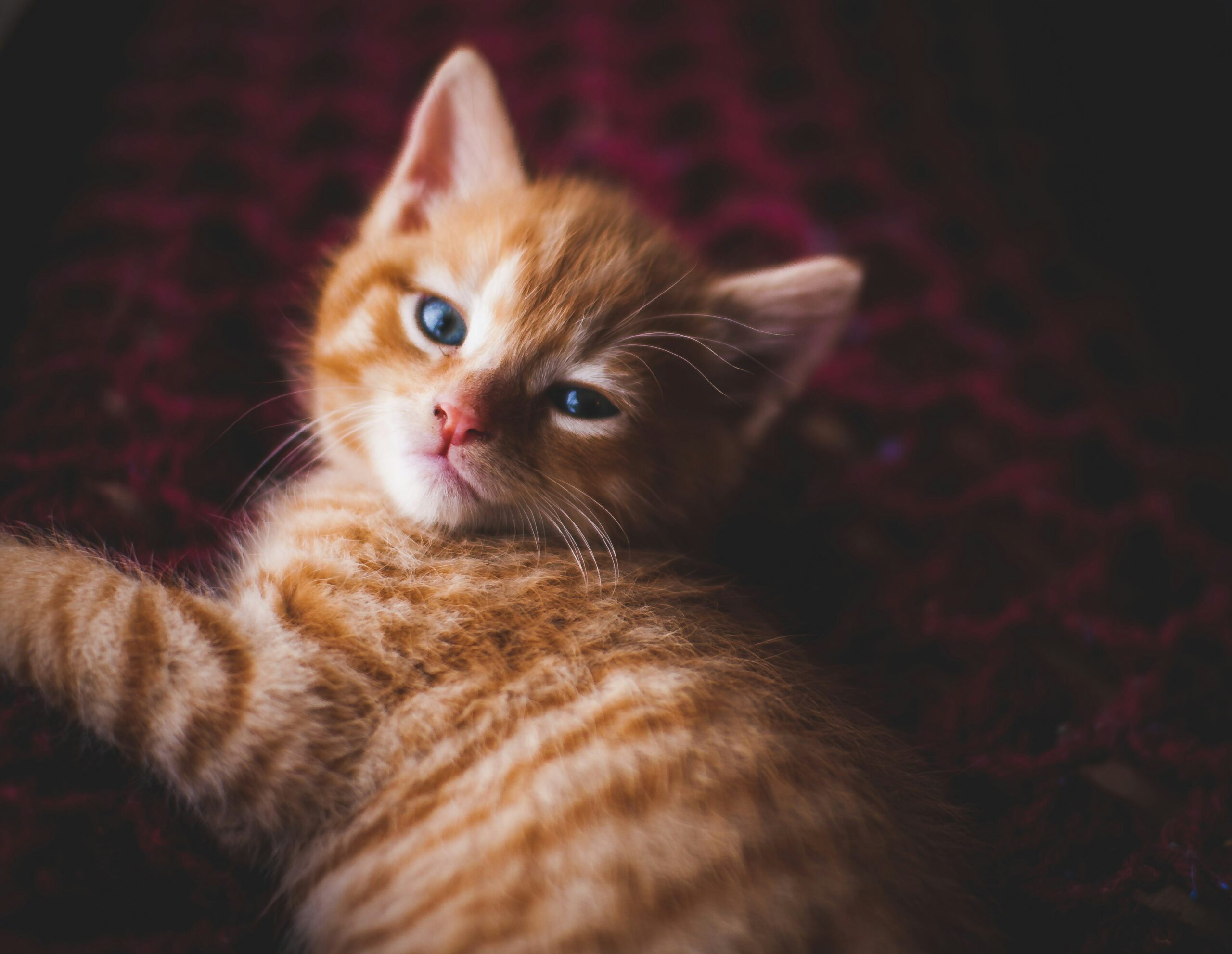
The Myth of the Mirrored Lifespan: Can a Cat’s Coat Color Predict Longevity?
The notion that a cat’s outward appearance might hold clues to its future has long captivated human imagination. From the watchful gaze of a Siamese to the robust build of a Maine Coon, different breeds and coat patterns evoke distinct associations. Among these, the question of whether a cat’s fur color or markings can predict its lifespan is a persistent one, sparking curiosity among pet owners and casual observers alike. While it’s tempting to believe in such simple correlations, a closer examination of scientific understanding and practical observations reveals a more nuanced reality. The lifespan of a feline is a complex tapestry woven from genetic predispositions, environmental factors, and the quality of care it receives, rather than being dictated by the hue of its fur.
In exploring the intriguing question of whether a cat’s appearance can predict its lifespan, it is worth considering related insights found in the article on feline health and longevity. This article delves into various factors that influence a cat’s lifespan, including genetics, diet, and environment. For more information, you can read the full article here: Freaky Science.
Genetics and the Unseen Blueprint: Inherited Traits and Longevity

While coat color itself doesn’t directly influence a cat’s lifespan, the genes responsible for those colors can sometimes be linked to other genetic traits that do have an impact on longevity. This is where the superficial observation of fur can lead to deeper, albeit indirect, connections.
The Polymorphism of Pigmentation Genes
The vast array of cat coat colors and patterns is a testament to the intricate workings of genetics. Genes dictate the production and distribution of melanin, the primary pigment responsible for a cat’s fur color. Different alleles (variants of a gene) for these pigmentation genes lead to the diverse expressions we see, from solid black to calico and tabby patterns. For instance, the gene for orange color (O) is located on the X chromosome. This explains why orange cats are predominantly male (XY), as they only need one copy of the O allele, while females (XX) need two copies to be fully orange. The gene for white spotting (S) can lead to cats with large patches of white, and the gene for dilution (D) can transform black fur into blue or grey. Understanding these genetic underpinnings is the first step in appreciating how appearance is determined.
Pleiotropy and Associated Health Conditions
Pleiotropy is a phenomenon where a single gene influences multiple phenotypic traits. In cats, some genes that affect coat color might also be pleiotropic, influencing other aspects of the cat’s physiology. While this is a complex area of ongoing research, there are instances where certain colorations are associated with a higher incidence of specific health issues. For example, white cats with blue eyes have a higher predisposition to deafness. This deafness, while not directly impacting lifespan, can affect a cat’s quality of life and its ability to navigate its environment safely. Similarly, some genetic conditions that affect coat texture or color might be loosely linked to metabolic or immune system functions, which in turn can influence overall health and longevity. However, it is crucial to emphasize that these are statistical associations, not deterministic rules. Many white, blue-eyed cats live long, healthy lives, and many cats with other coat colors experience health problems. The link is often weak and influenced by numerous other factors.
Breed-Specific Genetic Predispositions
Purebred cats, by their very nature, are the result of selective breeding, which can concentrate certain genes within a population. This can lead to breed-specific genetic predispositions to certain health conditions. For example, certain breeds are known to be more prone to kidney disease, heart conditions, or specific types of cancer. While the breed’s appearance is often a defining characteristic, it’s the underlying genetic makeup associated with that breed that influences its susceptibility to these ailments, not the specific fur color within that breed. A black Persian might be genetically predisposed to Polycystic Kidney Disease (PKD), just as a white Persian might be. The color is incidental; the genetic predisposition is the concern for longevity. Therefore, while breed is a significant factor in discussing potential lifespan, it’s not the coat color itself that is the predictor.
Environmental Influences: The Crucial Role of Lifestyle and Care
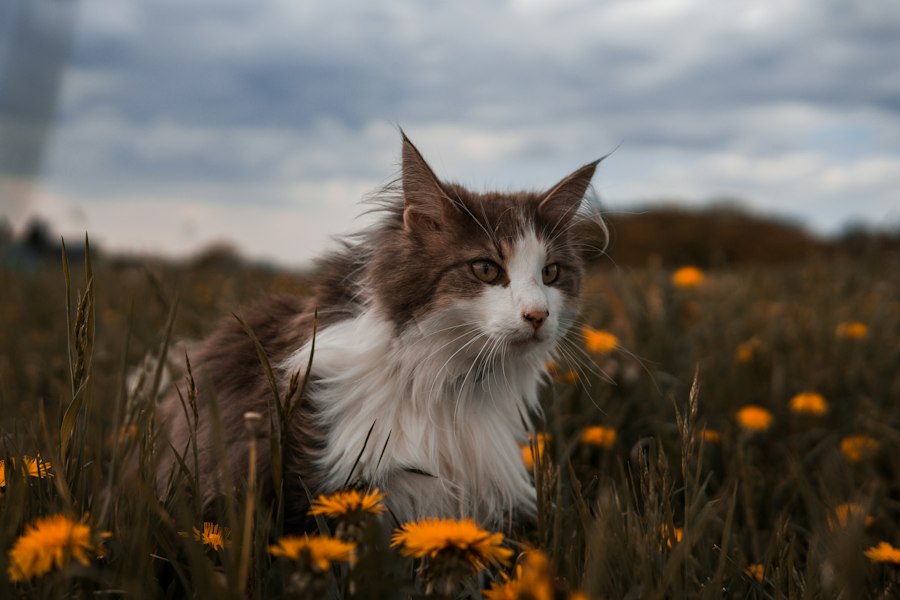
Even the most genetically robust feline can have its lifespan curtailed by an unfavorable environment and inadequate care. These external factors often play a more significant role than any perceived visual cue.
Nutrition and Diet: Fueling a Healthy Life
A cat’s diet is perhaps the most critical environmental factor influencing its health and longevity. A balanced diet provides essential nutrients, vitamins, and minerals that support all bodily functions, from immune system strength to organ health. Conversely, a diet lacking in crucial nutrients or high in unhealthy fillers can lead to obesity, nutritional deficiencies, and a weakened immune system, making the cat more susceptible to illness. Studies have consistently shown that cats fed high-quality, species-appropriate diets tend to live longer and healthier lives. This holds true regardless of a cat’s fur color. A meticulously fed black cat will likely outlive a poorly nourished tabby, not because of its color, but because of its superior diet.
Veterinary Care: Prevention and Early Intervention
Regular veterinary check-ups are paramount for detecting and treating health issues before they become serious. Vaccinations, parasite control, dental care, and prompt attention to any signs of illness can significantly extend a cat’s lifespan. Early diagnosis and treatment of conditions like hyperthyroidism, diabetes, or cancer can dramatically improve prognosis. A cat’s appearance has no bearing on its need for these essential veterinary services. A sleek, well-groomed Siamese requires the same preventative care as a shaggy Maine Coon. The proactive approach to health, facilitated by vigilant owners and skilled veterinarians, is a far greater predictor of longevity than any visual characteristic.
Lifestyle and Safety: Avoiding Perils
A cat’s lifestyle and the safety of its environment are also significant determinants of its lifespan. Indoor cats generally live much longer than outdoor cats. This is due to a reduced risk of accidents (such as being hit by a car), fights with other animals, exposure to diseases and parasites, and poisoning from environmental toxins. Confining a cat to a safe, stimulating indoor environment, with opportunities for play and enrichment, is a proactive measure that directly contributes to a longer and safer life. A cat’s propensity for indoor living or its bravery in venturing outdoors is not linked to its fur color. A cautious ginger tabby will likely live longer than an adventurous black cat if the latter is allowed to roam freely in a dangerous environment.
Popular Myths and Misconceptions: Separating Fact from Folklore
Over generations, various anecdotal beliefs have emerged regarding the link between a cat’s appearance and its lifespan. These are often rooted in limited observations and have little scientific backing.
The ‘Lucky’ Colors: Anecdotal Evidence and Superstition
Certain coat colors are often imbued with superstitious significance. For instance, black cats have historically been associated with both good and bad luck in different cultures. In some Western traditions, they are seen as omens of misfortune, while in others, particularly in the UK and Japan, they are considered symbols of good fortune. Similarly, calico and tortoiseshell cats, predominantly female, are sometimes believed to bring good luck. These are cultural beliefs and superstitions, not biological determinants of lifespan. A black cat that is well-cared for will likely live a long life, just as a calico cat facing neglect will not be spared hardship due to its coloring. These beliefs often stem from historical folklore rather than any observable phenomenon.
The Significance of Eye Color: A Rare Correlation
While not directly related to fur color, there is a well-documented, albeit specific, correlation between eye color and a health condition that can impact lifespan. As mentioned earlier, white cats, particularly those with blue eyes, have a significantly higher incidence of congenital deafness. This genetic link arises from the same gene that controls white spotting and can affect the development of the cochlea. While deafness itself doesn’t shorten a cat’s life, it can make them more vulnerable to dangers, such as traffic, if they are allowed outdoors. This is a genetic linkage, not a direct prediction of lifespan based on eye color alone. Furthermore, many white, blue-eyed cats are not deaf and live perfectly normal, long lives. The key here is the underlying genetic mechanism, not simply the color of the iris.
Breed Stereotypes and Their Influence
Breed stereotypes, often tied to physical appearance, can sometimes lead to assumptions about lifespan. For example, larger breeds like Maine Coons are sometimes perceived as being hardier and living longer, while smaller, more delicate-looking breeds might be thought to be more fragile. These are generalizations and can be misleading. While some breeds do have different average lifespans due to their inherent genetic predispositions to certain health issues, the specific visual characteristics of the breed (like coat length or ear shape) are not the determining factor. A long-lived breed can still suffer from health problems that shorten its life, and a breed with a generally shorter lifespan can be an outlier and live for many years with excellent care.
Many pet owners often wonder if a cat’s appearance can provide insights into its lifespan. A related article explores various factors that influence a cat’s longevity, including genetics, diet, and overall health. You can read more about these intriguing aspects in the article found here. Understanding these elements can help cat owners make informed decisions to enhance their feline companions’ quality of life.
Scientific Perspectives: What the Research Suggests
| Appearance Feature | Correlation with Lifespan | Notes |
|---|---|---|
| Coat Condition | Moderate Positive | Shiny, well-groomed fur often indicates good health and potentially longer lifespan. |
| Body Weight | Strong Negative | Overweight cats tend to have shorter lifespans due to related health issues. |
| Eye Clarity | Moderate Positive | Clear, bright eyes can indicate youth and good health. |
| Teeth Condition | Moderate Positive | Healthy teeth and gums are signs of good overall health. |
| Activity Level (Appearance of Muscle Tone) | Strong Positive | Muscular, active cats generally live longer. |
| Coat Color | No Significant Correlation | Color or pattern does not reliably predict lifespan. |
While direct correlations between fur color and lifespan are scarce in scientific literature, research does shed light on factors that do influence longevity, and these often indirectly touch upon the genetic underpinnings of appearance.
Research into Aging in Felines
Scientific studies on feline aging focus on various biological markers, genetic factors, and environmental influences. Research into the aging process in cats looks at cellular senescence, telomere shortening, and the accumulation of age-related diseases. These studies aim to understand the fundamental mechanisms of aging in felines, with the ultimate goal of improving health and extending lifespan. While specific fur colors are rarely the focus of such studies, the genetic pathways that determine coat color could theoretically be explored in conjunction with other genetic factors influencing aging. However, this remains a speculative area.
The Role of Breed in Longevity Studies
As previously discussed, breed plays a more significant role in longevity studies than coat color. Research often compares the average lifespans of different cat breeds, identifying breeds that are generally predisposed to longer or shorter lives due to specific genetic health concerns. For instance, breeds known for their robust health and lack of significant inherited diseases, such as the Ragdoll or Siamese (though Siamese can be prone to certain conditions), often exhibit longer average lifespans compared to breeds with a higher prevalence of specific genetic ailments. These studies highlight the importance of genetic makeup inherited through lineage, not superficial appearance.
Exploring Genetic Markers of Health and Disease
Ongoing research in feline genetics aims to identify specific genes and markers associated with various health conditions. This includes research into genetic predispositions for common feline diseases like hypertrophic cardiomyopathy (HCM), polycystic kidney disease (PKD), and certain types of cancer. While these studies don’t focus on coat color genes, advancements in genetic sequencing and analysis could, in the future, reveal subtle links between genes that influence pigmentation and genes that affect overall health and longevity. However, such discoveries would likely be complex and involve multiple genetic interactions, rather than a simple color-to-lifespan equation.
Conclusion: A Holistic Approach to a Feline’s Future
Ultimately, the idea of a cat’s appearance predicting its lifespan is largely a myth. While there can be indirect genetic links between genes responsible for coat color and other physiological traits that might influence health, these are complex and not definitive. The true determinants of a cat’s longevity lie in a combination of its genetic inheritance (often breed-related), the quality of care it receives throughout its life, and the environment in which it lives.
The True Predictors of a Long and Happy Life
When considering a cat’s potential lifespan, a holistic approach is far more accurate. The most significant factors are:
- Genetics: While not tied to coat color, a cat’s inherent genetic makeup, particularly for purebreds, can predispose it to certain health conditions. Responsible breeding practices that screen for genetic diseases are crucial.
- Nutrition: A high-quality, balanced diet is fundamental for maintaining optimal health and preventing many diet-related illnesses.
- Veterinary Care: Regular check-ups, vaccinations, prompt treatment of illnesses, and preventative care are essential for early detection and management of health issues.
- Lifestyle and Safety: Providing a safe, stimulating environment, particularly keeping cats indoors, significantly reduces the risk of accidents and exposure to diseases.
- Love and Attention: A cat that is well-loved, stimulated, and free from chronic stress is likely to be a healthier and happier cat, which can indirectly contribute to a longer life.
Beyond the Fur: Focus on Well-being
Instead of searching for predictive signs in a cat’s fur, responsible pet owners should focus on providing the best possible environment and care for their feline companions. Understanding a cat’s individual needs, whether they are a sleek black cat, a fluffy white Persian, or a multi-colored tabby, is paramount. By prioritizing nutrition, regular veterinary care, a safe environment, and plenty of affection, owners can significantly contribute to their cat enjoying a long, healthy, and fulfilling life. The beauty of a cat lies not just in its outward appearance, but in the richness of its life, which is shaped by the care and dedication of its human guardians.
