
The Misleading Nature of Coat Color in Predicting Lifespan
The Allure of the Black Coat: A Common Misconception
For generations, a certain mystique has surrounded animals with dark coats, particularly dogs and cats. Folklore and anecdotal evidence have often linked black coloration to a more robust constitution, a longer lifespan, or even a heightened sense of intuition. This perception is deeply ingrained in many cultures, fueled by stories of loyal black hounds or enigmatic black cats gracing the thresholds of wise elders. The deep, lustrous sheen of a black coat can evoke a sense of power, resilience, and even a touch of the supernatural, leading many to believe that such animals are inherently hardier and thus destined for longer lives. This belief, while often well-intentioned and rooted in a desire to associate positive traits with a striking appearance, unfortunately, often stands in stark contrast to scientific understanding and statistical realities.
The prevalence of this misconception can be attributed to several factors. Visually, a dark coat can mask certain signs of aging or illness that might be more apparent on lighter fur. A graying muzzle, for instance, might blend seamlessly into a black coat, making it harder for an untrained eye to notice the subtle signs of advanced age. Similarly, minor skin lesions or early signs of disease might be less conspicuous against a dark background. This visual camouflage can, in turn, reinforce the perception of a uniformly healthy and enduring animal. Furthermore, in some breeds, certain coat color variations might be more prevalent in individuals that have historically been bred for specific working roles or desirable genetic traits, which could indirectly be associated with longevity due to careful selection within those lines. However, this is a complex genetic interplay and not a direct correlation with coat color itself.
The romanticized image of the “black dog” or “black cat” in literature and popular culture also plays a significant role. These characters are often depicted as wise, protective, and long-lived companions, further solidifying the association in the public consciousness. The idea that a dark coat signifies something special, something beyond the ordinary, makes the notion of a longer lifespan a natural extension of this perceived uniqueness. However, as with many popular beliefs, the reality is often far more nuanced and less directly tied to superficial characteristics. Understanding the biological and genetic factors that truly influence an animal’s lifespan is crucial to dispelling these long-held but ultimately unfounded assumptions about the predictive power of coat color.
Recent studies have shown that coat color in animals can be a misleading indicator of lifespan, as various genetic and environmental factors play a more significant role in determining longevity. For a deeper understanding of this topic, you can read a related article that explores the complexities of animal lifespan and the misconceptions surrounding coat color by visiting Freaky Science. This article delves into the science behind lifespan determinants and challenges common assumptions, providing valuable insights for both researchers and animal enthusiasts alike.
Genetics and Coat Color: A Complex Symphony

The intricate tapestry of genetics governs an animal’s coat color. Far from being a simple switch, the expression of pigment in fur is a complex interplay of multiple genes, each contributing to the final shade, pattern, and intensity. These genes dictate the production and distribution of melanin, the primary pigment responsible for dark coloration. Dominant and recessive genes, gene interactions (epistasis), and even the influence of modifier genes all contribute to the vast spectrum of colors observed in the animal kingdom. For instance, the presence of dominant genes for black pigment is a fundamental aspect of many dark coats, but this alone does not guarantee a longer life.
Within a single species, different breeds can exhibit a wide array of coat colors, each with its own specific genetic underpinnings. A golden retriever’s warm hue is due to genes that promote the production of pheomelanin, while a black Labrador’s deep shade is a result of eumelanin. These genetic pathways, while distinct, are not inherently linked to lifespan-determining genes. The genes responsible for coat color are generally separate from those that influence cellular repair mechanisms, immune system function, or susceptibility to age-related diseases. Therefore, the genetic blueprint for a black coat is, in itself, largely irrelevant to the genetic factors that contribute to an animal’s overall health and longevity.
Furthermore, breed-specific genetic predispositions play a far more significant role in lifespan than coat color. Certain breeds, regardless of their coat color, are genetically predisposed to specific health conditions. For example, some large breeds, regardless of whether they are black, brown, or white, are prone to bloat or hip dysplasia. Similarly, small breeds, again independent of their coat color, may be more susceptible to dental issues or heart conditions. These breed-specific genetic vulnerabilities, honed over centuries of selective breeding for specific traits or appearances, are the primary drivers of average lifespan within those breeds, not the color of their fur. The idea that a specific color gene could confer a longevity advantage is, from a genetic perspective, a leap of faith unsupported by current scientific understanding.
Environmental Factors: Shaping a Life’s Trajectory

While genetics lays the foundation for an animal’s potential, environmental factors are the architects of its lived experience and, consequently, its lifespan. The notion that coat color might offer some inherent protection or advantage against the rigors of the environment is largely unsubstantiated. In fact, in some instances, certain coat colors can even present minor challenges. For example, animals with very dark coats might be more susceptible to overheating in direct sunlight, particularly those with thick fur. This is not a direct threat to lifespan, but it highlights how coat color is a physical characteristic with environmental interactions, rather than a determinant of biological resilience.
The most significant environmental influences on lifespan are multifaceted and interconnected. Nutrition stands as a cornerstone. A balanced diet, appropriate for the animal’s age, breed, and activity level, provides the essential nutrients for growth, repair, and immune function. Conversely, a diet deficient in vital vitamins and minerals, or one that is excessively high in unhealthy fats and carbohydrates, can lead to obesity, organ damage, and a shortened lifespan, regardless of whether the animal sports a black coat or a white one. Access to clean water is equally critical for maintaining bodily functions and preventing dehydration-related complications.
Beyond nutrition, regular veterinary care is paramount. Proactive health measures, such as vaccinations, parasite control, and annual check-ups, can detect and treat potential health issues in their early stages, preventing them from escalating into life-threatening conditions. Early diagnosis and intervention are crucial for managing chronic diseases and ensuring a good quality of life, thereby contributing to a longer lifespan. A black cat that receives prompt veterinary attention for a developing kidney issue will likely live longer than an equally dark-furred cat whose illness goes undiagnosed and untreated. The care provided is the deciding factor, not the color of its fur.
Furthermore, lifestyle and safety play a pivotal role. An animal that is kept indoors and protected from hazards like traffic, predators, and extreme weather conditions will generally have a longer lifespan than one that is allowed to roam freely with minimal supervision. This includes providing a safe and stimulating environment that meets the animal’s physical and mental needs. Regular exercise, mental enrichment through play and training, and a loving, secure home all contribute to an animal’s overall well-being and longevity. The color of the animal’s coat has no bearing on its ability to navigate these environmental influences.
Disease Susceptibility and Coat Color: A Lack of Correlation
The belief that a dark coat somehow confers immunity or reduced susceptibility to disease is one of the most persistent myths surrounding coat color. Scientific research and veterinary observations have consistently failed to establish any meaningful correlation between coat color and an animal’s predisposition to common illnesses. The complex biological mechanisms that govern an animal’s health are not dictated by the presence or absence of specific pigment molecules in its fur.
Infectious diseases, for instance, are caused by pathogens such as viruses, bacteria, and parasites. An animal’s immune system, its genetic makeup, and its exposure to these pathogens are the primary determinants of whether it becomes infected and how severely it is affected. The color of its fur does not influence the ability of a virus to invade its cells or a bacterium to replicate within its tissues. Similarly, chronic diseases like diabetes, heart disease, and cancer are influenced by a multitude of factors including genetics, diet, lifestyle, and environmental exposures, none of which are directly tied to coat pigmentation.
While certain breeds might exhibit a higher incidence of specific diseases, this is due to genetic predispositions inherent to that breed, not their coat color. For example, some breeds with predominantly dark coats might be prone to certain genetic conditions, but this is a consequence of the overall genetic makeup of the breed, not a direct effect of the genes controlling coat color. Conversely, other breeds with lighter coats may suffer from different genetic ailments. To attribute disease susceptibility or resistance to coat color is to oversimplify a complex biological reality and ignore the multitude of more influential factors.
The anecdotal evidence that might seem to support such a link is often based on flawed observation or confirmation bias. Owners might notice a black dog succumbing to illness and, due to the pre-existing belief, attribute it to its color, overlooking other more likely causes. Conversely, a long-lived black animal might be seen as proof of its supposed resilience, while a short-lived lighter-colored animal reinforces the opposite assumption, all without considering the myriad of other contributing factors to each individual animal’s fate. A robust scientific approach requires controlled studies and statistical analysis, which, in the case of coat color and disease susceptibility, do not yield any significant correlations.
Research has shown that coat color can be a misleading indicator of an animal’s lifespan, as various factors contribute to longevity beyond mere appearance. For instance, a related article discusses how genetics, environment, and diet play crucial roles in determining lifespan, making it essential to look beyond superficial traits. Understanding these complexities can help us appreciate the diverse factors influencing an animal’s health and longevity. To explore more about this topic, you can read the full article here.
Focusing on What Truly Matters: Health and Well-being
| Factor | Description | Impact on Lifespan Interpretation | Example |
|---|---|---|---|
| Genetic Variation | Coat color is determined by specific genes that do not necessarily correlate with genes affecting lifespan. | Misleads by implying a direct link between color and longevity, which is often absent. | Black cats and orange cats have similar average lifespans despite color differences. |
| Environmental Factors | External conditions like diet, healthcare, and living environment greatly influence lifespan. | Coat color ignores these factors, leading to inaccurate lifespan assumptions. | Two dogs of the same breed but different coat colors may have different lifespans due to care quality. |
| Breed-Specific Traits | Some breeds have coat colors linked to genetic disorders affecting lifespan, but this is breed-specific. | Generalizing coat color as a lifespan indicator across breeds is misleading. | Merle coat pattern in some dog breeds is associated with health issues, but not all coat colors have such links. |
| Statistical Correlation vs Causation | Observed correlations between coat color and lifespan may be coincidental or due to confounding variables. | Assuming causation from correlation leads to incorrect lifespan predictions. | Studies showing darker-coated animals live longer may be influenced by sample bias. |
| Physical Health Indicators | Coat condition (shine, texture) can indicate health, but color alone does not. | Color is a superficial trait and does not reflect underlying health status affecting lifespan. | A healthy white-coated animal can live longer than a poorly cared-for darker-coated one. |
Given the lack of scientific evidence supporting a link between coat color and lifespan, it becomes clear that focusing on superficial traits can distract from the factors that genuinely contribute to an animal’s longevity and quality of life. The energy and attention spent on perpetuating or debunking color-related myths could be far better directed towards understanding and promoting the core elements of animal well-being.
The first and most crucial area of focus is preventative healthcare. Regular veterinary check-ups are not a luxury but a necessity. These appointments allow veterinarians to monitor an animal’s overall health, administer necessary vaccinations and parasite control, and detect subtle signs of illness before they become serious. Early detection of conditions like dental disease, kidney problems, or heart murmurs can significantly improve treatment outcomes and extend an animal’s life. Furthermore, discussing an animal’s diet, exercise, and behavior with a veterinarian can provide tailored advice for optimal health.
Secondly, a species-appropriate diet is fundamental. Understanding the specific nutritional needs of cats and dogs, and providing high-quality food that meets those needs, is essential for maintaining healthy organ function, a strong immune system, and optimal energy levels. This includes considering factors like age, activity level, and any existing health conditions. Avoiding overfeeding and providing the correct balance of proteins, fats, carbohydrates, vitamins, and minerals can prevent many diet-related health issues, including obesity, diabetes, and gastrointestinal problems, all of which can significantly impact lifespan.
Thirdly, mental and physical stimulation are vital for an animal’s overall well-being. Providing opportunities for exercise, play, and training helps to keep animals physically fit and mentally engaged. Boredom and lack of stimulation can lead to behavioral issues, anxiety, and even depression, which can indirectly affect an animal’s health. Engaging an animal in activities that challenge its mind and body not only enriches its life but can also contribute to its physical health by maintaining muscle mass, cardiovascular function, and cognitive health as it ages.
Ultimately, the color of an animal’s coat is a cosmetic characteristic that holds no predictive power regarding its lifespan. True longevity and a high quality of life are achieved through diligent care, attentive observation, responsible ownership, and a commitment to addressing an animal’s physical and emotional needs. By shifting our focus from superficial traits to the fundamental aspects of health and well-being, we can ensure that all animals, regardless of their appearance, have the best possible chance at a long, happy, and healthy life.
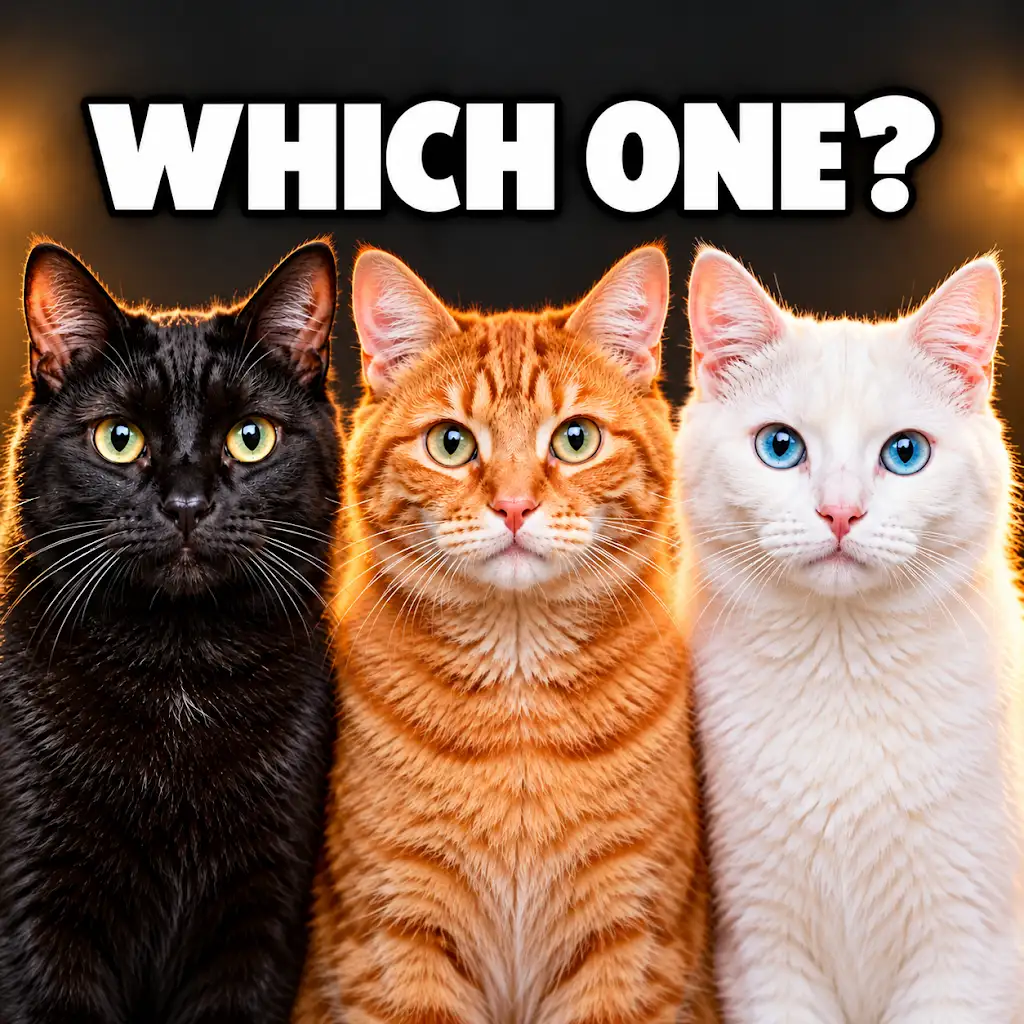
Which Cat Color Lives Longest? The Research Has a Twist
FAQs
What is coat color?
Coat color refers to the color of an animal’s fur or hair, which can vary greatly among different species and breeds.
How is coat color related to lifespan?
Coat color is not a reliable indicator of an animal’s lifespan. While some studies have suggested a correlation between coat color and lifespan in certain species, such as dogs, there are many other factors that play a much larger role in determining an animal’s lifespan.
What are some factors that can influence an animal’s lifespan?
Factors such as genetics, breed, size, diet, exercise, environment, and overall health have a much greater impact on an animal’s lifespan than coat color.
Why is coat color considered a misleading lifespan clue?
Coat color is considered a misleading lifespan clue because it is not a direct or significant factor in determining how long an animal will live. Using coat color as a sole indicator of lifespan can lead to inaccurate assumptions.
Are there any exceptions where coat color may be linked to lifespan?
While there may be some studies that suggest a correlation between coat color and lifespan in certain species or breeds, these correlations are not strong enough to be used as a reliable indicator of lifespan. It is important to consider multiple factors when assessing an animal’s overall health and lifespan.