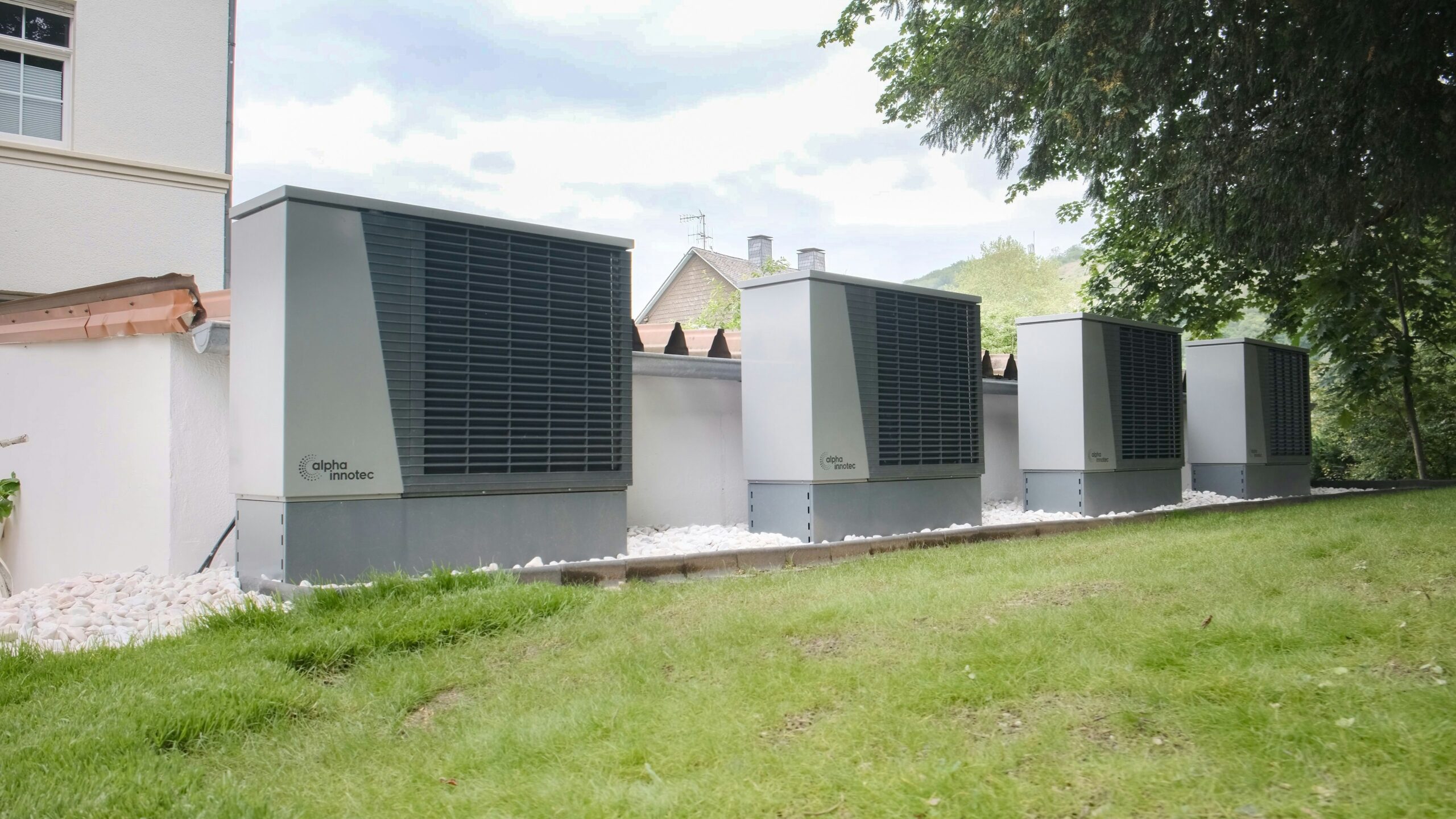
You’ve likely heard the terms “heat pump” and “air conditioner” tossed around when discussing home comfort systems. You might even have one or both installed in your dwelling. But do you truly understand how they work, and more importantly, how they relate to each other? For many, the distinction remains a bit fuzzy, leading to confusion when it comes time to make purchasing decisions or understand your energy bills. This article aims to demystify these two essential pieces of climate control technology, illuminating their core principles, highlighting their similarities and differences, and ultimately helping you grasp the nuanced relationship between them.
The Fundamental Science of Cooling
At its heart, any system designed to cool your home, whether it’s an air conditioner or a heat pump operating in cooling mode, relies on a fundamental thermodynamic principle: the refrigeration cycle. Think of it like a carefully orchestrated dance of refrigerant, a special fluid that can absorb and release heat as it changes state from liquid to gas and back again. This cycle is powered by a compressor, which is the hardworking engine of the system.
The Role of Refrigerant
The refrigerant is the star of the show. It’s a substance with a very low boiling point, meaning it readily turns into a gas at relatively low temperatures and pressures. This property is key to its ability to move heat. In the cooling process, the refrigerant starts as a low-pressure liquid. As it flows through an evaporator coil, which is typically located inside your home, it absorbs heat from the indoor air. This absorbed heat causes the liquid refrigerant to boil and turn into a low-pressure gas. Imagine it like a sponge soaking up moisture, but in this case, the “moisture” is heat. The indoor air, now cooler, is then blown back into your living spaces by a fan.
The Compressor’s Crucial Function
Once the refrigerant has absorbed heat and become a gas, it’s sent to the compressor. This is where the magic really happens. The compressor, driven by an electric motor, significantly increases the pressure of the refrigerant gas. This increase in pressure also dramatically raises its temperature. Think of it like squeezing a sponge that’s filled with warm water – the water doesn’t just get compressed; its temperature also rises. This superheated, high-pressure gas is now ready to shed the heat it has absorbed.
Heat Rejection in the Outdoor Unit
The hot, high-pressure refrigerant gas then flows to the outdoor unit, where it passes through a condenser coil. This coil is exposed to the outside air. Because the refrigerant is significantly hotter than the outdoor air, heat naturally transfers from the refrigerant to the surroundings. As the refrigerant loses heat, it condenses back into a high-pressure liquid. A fan in the outdoor unit helps to facilitate this heat transfer by blowing outdoor air across the condenser coils. This is why you often feel warm air being expelled from the back of your air conditioner.
Expansion and the Cycle’s Return
Finally, the high-pressure liquid refrigerant passes through an expansion valve (sometimes called a throttling device). This valve restricts the flow of the refrigerant, causing a sudden drop in pressure. This pressure drop, in turn, causes a significant decrease in temperature. The now cold, low-pressure liquid refrigerant is then ready to flow back to the evaporator coil inside your home, and the entire cycle begins anew. This continuous loop of absorbing heat indoors and releasing it outdoors is the fundamental principle behind air conditioning.
Heat pumps and air conditioners are often compared due to their similar functions in regulating indoor temperatures. Both systems utilize refrigerants to transfer heat, but while air conditioners are primarily designed to cool indoor spaces by removing heat, heat pumps can reverse this process, providing both heating and cooling capabilities. For a deeper understanding of how these systems work and their differences, you can read more in this related article: Understanding Heat Pumps and Air Conditioners.
Decoding the Heat Pump’s Dual Nature
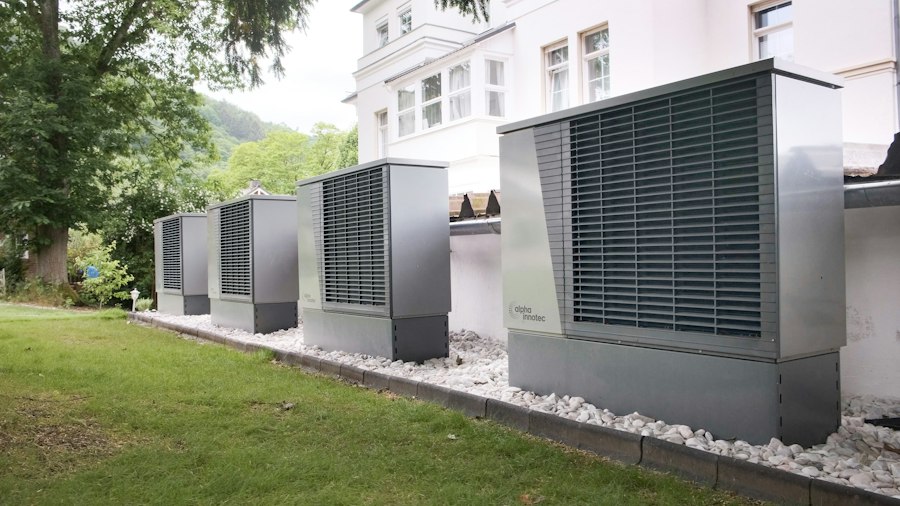
A heat pump, unlike a conventional air conditioner, is a versatile piece of equipment that can both cool your home in the summer and heat it in the winter. This dual functionality is achieved by its ability to reverse the direction of the refrigerant flow. The core components – compressor, condenser, evaporator, and expansion valve – are essentially the same as in an air conditioner, but the way they are utilized changes depending on the season.
The Reversing Valve: The Key Innovation
The crucial component that allows a heat pump to switch between heating and cooling is the reversing valve. This electrically controlled valve acts like a traffic controller for the refrigerant. In cooling mode, it directs the refrigerant flow exactly as it would in a standard air conditioner, absorbing heat from inside and releasing it outside. However, when you switch the heat pump to heating mode, the reversing valve changes the direction of the refrigerant.
Heating Mode Explained
When a heat pump is in heating mode, the roles of the indoor and outdoor coils are reversed. The outdoor coil now acts as the evaporator, absorbing heat from the outside air, even when it’s cold. The refrigerant, in its liquid state, flows through the outdoor coil. As it absorbs heat from the ambient air, it turns into a gas. This low-pressure gas then travels to the compressor, where it’s pressurized and its temperature rises significantly, just as in cooling mode. This superheated gas then flows to the indoor coil, which now acts as the condenser. Here, it releases its heat into your home’s air, warming it. The refrigerant then condenses back into a liquid, passes through the expansion valve, and the cycle repeats. The cleverness lies in the fact that even in cold outdoor temperatures, there is still thermal energy to be extracted.
Cooling Mode: The Familiar Process
In cooling mode, the heat pump operates identically to a conventional air conditioner. The reversing valve is set to direct the refrigerant flow to send heat from inside your home to the outside. The indoor coil acts as the evaporator, absorbing heat from your indoor air, while the outdoor coil acts as the condenser, releasing that heat to the outdoors. This simplicity is part of why heat pumps are such an efficient solution for year-round comfort.
Key Similarities: Shared DNA

Despite their functional differences, heat pumps and air conditioners share a surprising amount of common ground. Understanding these similarities can help clarify their relationship and highlight where their technologies overlap.
Shared Components and Principles
As mentioned, both systems are built around the same fundamental components: a compressor, a condenser coil, an evaporator coil, and an expansion valve. They both utilize the refrigeration cycle to move heat from one location to another. The physics governing the phase changes of the refrigerant and the principles of heat transfer are identical in both devices when operating in cooling mode. This shared foundation means that many of the manufacturing processes, maintenance procedures, and even troubleshooting techniques are similar for both types of systems.
The Importance of Refrigerant
The refrigerant itself is another major point of similarity. Both air conditioners and heat pumps rely on specialized refrigerants (like Freon or newer, more environmentally friendly alternatives) that have the necessary properties to facilitate the heat transfer process. The type and amount of refrigerant are critical for the efficient operation of both systems, and leaks can be detrimental to their performance and the environment.
Electrical Power and Controls
Both systems are powered by electricity. The compressor, fans, and control systems all require electrical input to function. You’ll find similar electrical wiring, circuit boards, and control panels in both an air conditioner and a heat pump. The thermostat you use to set your desired temperature also interfaces with both systems in a comparable way, initiating calls for cooling or heating as needed.
Distinguishing Differences: Where They Diverge
While the similarities are significant, the differences between a heat pump and an air conditioner are what truly define their distinct roles in home comfort. These differences primarily stem from the heat pump’s ability to reverse its operation.
The Direction of Heat Transfer
This is the most significant divergence. An air conditioner is a unidirectional device; it is designed solely to move heat from inside your home to the outside. Its sole purpose is cooling. A heat pump, on the other hand, is bidirectional. It can move heat from inside to outside (cooling) or from outside to inside (heating). This “reversible” nature is its defining characteristic and the source of its versatility.
Seasonal Capabilities
Consequently, their seasonal capabilities differ drastically. An air conditioner is exclusively a summer appliance, providing relief from the heat. A heat pump, however, is a year-round solution. It provides air conditioning in the warmer months and acts as a primary heating source during the colder months. This means a homeowner with a heat pump typically doesn’t need a separate furnace for heating, although supplemental heating might be necessary in extremely cold climates.
Complexity and Cost
The added functionality of a heat pump, specifically the reversing valve and the associated control mechanisms, makes it a more complex system than a standard air conditioner. This increased complexity generally translates to a higher upfront purchase price. While the initial investment for a heat pump is typically greater than for an equivalent-sized air conditioner, its ability to provide both heating and cooling can lead to long-term cost savings on energy bills, especially in regions with moderate climates.
A heat pump is often compared to an air conditioner because both systems operate on similar principles of heat exchange. While an air conditioner is designed to cool indoor spaces by removing heat, a heat pump can reverse this process, providing both heating and cooling capabilities. For a deeper understanding of how these two systems function and their differences, you can explore this informative article on Freaky Science, which delves into the mechanics and efficiency of heat pumps and air conditioners.
Practical Implications and Choosing the Right System
| Aspect | Heat Pump | Air Conditioner | Relation |
|---|---|---|---|
| Primary Function | Heats and cools indoor spaces | Cools indoor spaces | Both use refrigeration cycle to transfer heat |
| Operation Mode | Reversible (heating and cooling) | One-way (cooling only) | Heat pump can operate as an air conditioner in cooling mode |
| Components | Compressor, condenser, evaporator, expansion valve, reversing valve | Compressor, condenser, evaporator, expansion valve | Heat pump has an additional reversing valve to switch modes |
| Energy Efficiency | High efficiency for both heating and cooling | Efficient cooling only | Heat pump provides energy-efficient heating compared to electric heaters |
| Use Cases | Year-round climate control | Seasonal cooling | Heat pump can replace an air conditioner and provide heating |
Understanding the relationship between heat pumps and air conditioners has direct implications for your home comfort decisions and your energy efficiency goals. The choice between the two, or understanding what you currently have, can impact your budget, your environmental footprint, and your overall satisfaction with your home’s climate control.
When is a Heat Pump the Better Choice?
Heat pumps are particularly well-suited for climates with moderate heating and cooling demands. In regions where winters aren’t extremely frigid and summers aren’t excessively hot, a heat pump can efficiently handle both your cooling and heating needs, often at a lower operating cost than separate air conditioning and heating systems. They are also an excellent choice for homeowners looking to reduce their reliance on fossil fuels for heating, as they operate using electricity. Many modern heat pumps are highly efficient, achieving significant energy savings compared to older technologies.
When Might an Air Conditioner Suffice?
If you live in a region with very mild summers and very cold winters, a heat pump might not be the most cost-effective or efficient solution on its own. In such climates, a heat pump’s heating capacity might diminish significantly in extremely low temperatures, requiring supplemental heating from another source, like a furnace. In these scenarios, a standalone air conditioner paired with a separate, robust heating system might be a more practical and financially sound choice. The upfront cost of an air conditioner is also lower, which can be a deciding factor for some homeowners.
The Hybrid Approach: Best of Both Worlds
For homeowners in regions with more extreme temperature variations, a “hybrid” or “dual-fuel” system can be an attractive option. This approach combines a heat pump with a traditional furnace. The heat pump handles the heating and cooling during milder weather, operating efficiently. However, when temperatures drop below a certain threshold where the heat pump’s efficiency declines, the system automatically switches over to the furnace for heating. This hybrid approach leverages the efficiency of the heat pump for the majority of the year while ensuring ample heating power when it’s needed most, offering a balance of efficiency and robust performance. Ultimately, understanding the relationship between these two technologies empowers you to make an informed decision that best suits your climate, your budget, and your comfort preferences.

Your AC Blows Hot Air Outside. Is That Heat From Your Room?
FAQs
What is a heat pump?
A heat pump is a device that can both heat and cool a space by transferring heat from one location to another. It operates by extracting heat from the air outside and transferring it inside to heat a space, or vice versa to cool a space.
How is a heat pump related to an air conditioner?
An air conditioner is a type of heat pump that is specifically designed to cool a space by transferring heat from inside to outside. Both heat pumps and air conditioners use the same basic principles of heat transfer, but they are designed to operate in different ways to achieve different results.
Can a heat pump be used as an air conditioner?
Yes, a heat pump can be used as an air conditioner by simply reversing the direction of the refrigerant flow. In cooling mode, the heat pump will extract heat from inside the space and transfer it outside, effectively cooling the space.
What are the benefits of using a heat pump over an air conditioner?
One of the main benefits of using a heat pump over an air conditioner is that a heat pump can provide both heating and cooling functions, making it a more versatile and energy-efficient option. Heat pumps are also more environmentally friendly as they do not rely on burning fossil fuels to generate heat.
Are there any drawbacks to using a heat pump instead of an air conditioner?
One potential drawback of using a heat pump is that it may be less effective in extremely cold climates, as the efficiency of heat pumps decreases as the outdoor temperature drops. In such cases, a supplemental heating source may be needed to maintain comfortable indoor temperatures.