
The Feline Longevity Debate: Unpacking Male vs. Female Cat Lifespans
The question of how long a cat will live is a common concern for any devoted pet owner. While many factors contribute to a cat’s overall health and longevity, a frequently asked question revolves around the potential differences in lifespan between male and female felines. While the disparities might not be as dramatic as one might initially assume, there are indeed nuanced distinctions influenced by biological factors, behavioral patterns, and societal influences. Understanding these differences can help owners provide the best possible care tailored to their cat’s individual needs, ultimately maximizing their furry companion’s years of happy existence. This article delves into the intricacies of male and female cat lifespans, exploring the scientific underpinnings, practical considerations, and the surprising complexities that shape feline longevity.
Research has shown that there are notable differences in the lifespans of male and female cats, with female cats generally living longer than their male counterparts. This phenomenon can be attributed to various factors, including genetics, behavior, and health risks associated with male cats. For a deeper understanding of these differences and other fascinating insights about cat longevity, you can read more in this related article at Freaky Science.
Biological and Hormonal Influences on Feline Lifespan
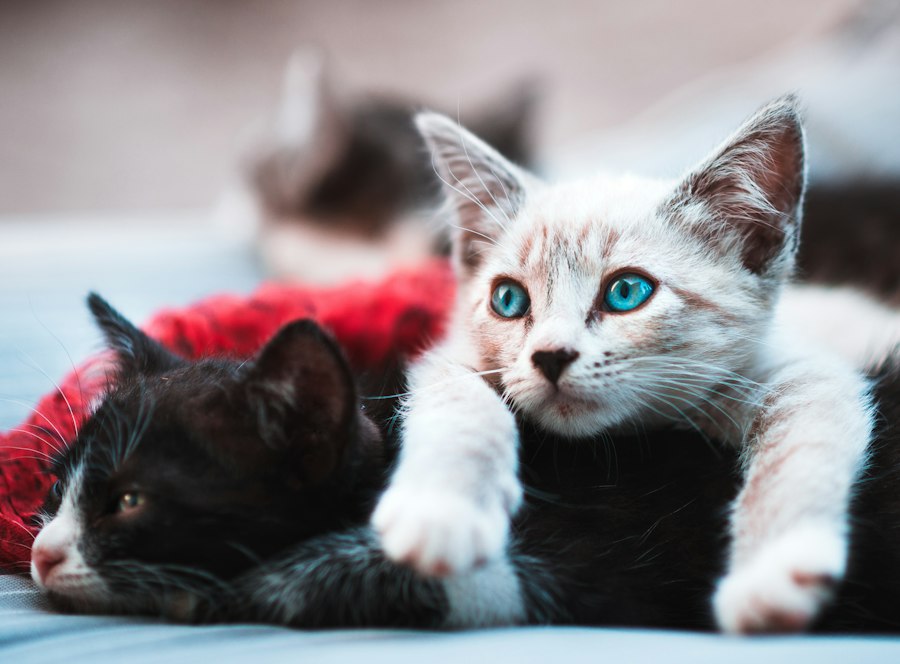
The inherent biological makeup of male and female cats plays a significant role in shaping their potential lifespans. These differences are largely dictated by sex hormones and the resulting physiological and behavioral characteristics they engender. While generalizations are always risky when discussing individual animals, understanding these general tendencies provides a valuable framework for appreciating the subtle variances in how male and female cats navigate their lives and the potential impact on their longevity.
The Impact of Neutering and Spaying
Perhaps the most significant and quantifiable difference in lifespan between male and female cats is directly attributable to the practice of neutering and spaying. These common veterinary procedures, performed on millions of pets annually, have profound implications for both health and behavior, and consequently, for longevity.
Benefits of Spaying Female Cats
Spaying, the surgical removal of a female cat’s ovaries and uterus, is a critical intervention with demonstrable positive effects on her lifespan. The most immediate and impactful benefit is the elimination of the risk of reproductive cancers, specifically ovarian and uterine cancers, which can be fatal. Furthermore, spaying prevents pyometra, a life-threatening uterine infection that is common in unspayed females and can necessitate emergency surgery. Beyond cancer prevention, spaying also eliminates the hormonal fluctuations associated with heat cycles. These cycles, while natural, can lead to increased stress, behavioral issues like yowling and restlessness, and a greater propensity for roaming in search of a mate, thus increasing their exposure to dangers. By preventing unwanted pregnancies, spaying also removes the health risks associated with carrying and delivering kittens, such as complications during birth and the nutritional demands of lactation. The overall reduction in hormonal cycles and the elimination of reproductive diseases contribute significantly to a longer, healthier life for spayed females.
Advantages of Neutering Male Cats
Neutering, the surgical removal of a male cat’s testicles, similarly offers substantial benefits that contribute to a longer and safer life. The most prominent advantage is the prevention of testicular cancer, a relatively common malignancy in intact males. Neutering also dramatically reduces the risk of prostate cancer and eliminates the behavioral urges associated with intact males. This includes the strong drive to roam and seek out mates, which exposes them to a myriad of dangers such as traffic accidents, fights with other animals, and exposure to infectious diseases. Intact males are also more prone to territorial marking through spraying urine, which can lead to stress and conflict within multi-cat households or even with neighbors. The reduction in aggressive behaviors, particularly fighting with other males, is another significant factor. These fights can result in serious injuries, abscesses, and the transmission of feline immunodeficiency virus (FIV) and feline leukemia virus (FeLV), both of which can drastically shorten a cat’s lifespan. By curbing these hormonally driven behaviors and preventing specific cancers, neutering significantly enhances the safety and longevity of male cats.
Hormonal Differences and Their Broader Effects
Beyond the direct impact of reproductive procedures, the inherent hormonal profiles of males and females can subtly influence their predispositions and behaviors. While neutering/spaying mitigates many of these, some underlying tendencies can still be observed.
Testosterone and Aggression in Males
Testosterone, the primary male sex hormone, is strongly linked to aggression, territoriality, and a desire to compete for resources and mates. While neutering significantly reduces these drives, residual tendencies can persist. This can manifest as increased risk-taking behavior, a greater likelihood of engaging in territorial disputes, and a general inclination towards exploring wider territories when allowed outdoors. These behaviors, even in a neutered male, can still pose risks that might not be as prevalent in females.
Estrogen and Maternal Instincts in Females
Estrogen, the primary female sex hormone, is linked to reproductive cycles and maternal instincts. While spaying eliminates the cyclical hormonal surges, the underlying physiological programming can still influence some behaviors. However, the impact on lifespan is far more positive due to the elimination of reproductive health risks. The inclination towards nurturing and caring for offspring, while a powerful biological drive, does not inherently pose the same life-threatening risks as the aggressive and roaming behaviors often associated with intact males.
Behavioral Differences and Their Influence on Longevity

The behavioral patterns that differentiate male and female cats, often influenced by their hormonal makeup, can have a direct impact on their safety and thus their lifespan. Understanding these tendencies is crucial for owners to implement preventative measures and ensure a secure environment.
The Roaming Tendency: A Greater Risk for Males?
As previously mentioned, intact male cats possess a powerful drive to roam and establish territories. This instinct, even in neutered males, can lead to a greater propensity for venturing beyond the perceived safety of their homes.
Outdoor Dangers and Increased Exposure
When cats are allowed to roam freely outdoors, their lifespan is invariably curtailed. They face a multitude of dangers, including traffic accidents, encounters with predators (such as coyotes or larger dogs), the risk of being poisoned, and the potential for contracting infectious diseases through fights or contact with contaminated environments. Historically, male cats, driven by territorial instincts and the desire to seek out mates, have been documented as having a higher propensity for roaming than females. While spaying and neutering significantly reduce this drive in both sexes, the ingrained nature of these behaviors means that even neutered males may exhibit a stronger inclination to explore their surroundings beyond established boundaries. This increased exposure to external threats directly translates to a higher mortality rate for roaming cats, a risk that has traditionally been more pronounced in males.
Territorial Disputes and Fights
Intact male cats are notorious for their aggressive territorial disputes. These fights can be brutal, leading to deep wounds, abscesses, and the transmission of serious diseases. Even neutered males can engage in territorial squabbles, though typically with less intensity. However, the instinct to defend their perceived territory can still lead them into potentially dangerous situations. Female cats are generally less prone to initiating or engaging in such aggressive territorial battles. While they can be protective of their kittens or their own immediate territory, their disputes are often less physically confrontational than those of males. This difference in aggressive interaction means that males, even when neutered, may face a slightly elevated risk of injury and disease transmission due to their behavioral predispositions.
Indoor vs. Outdoor Lifestyles: A Universal Factor
It is paramount to reiterate that the single most impactful factor in determining a cat’s lifespan is whether they live an indoor-only lifestyle or have outdoor access. Regardless of sex, indoor cats live significantly longer, healthier lives.
The Safety of a Controlled Environment
An indoor-only lifestyle offers unparalleled protection against the numerous dangers that lurk outdoors. Traffic, predators, poisons, territorial fights, and the spread of infectious diseases are largely eliminated. This controlled environment allows cats to live out their natural lifespan without the constant threat of external harm. Therefore, while there may be subtle differences in inherent risks between male and female cats, the choice to keep a cat indoors dramatically levels the playing field and contributes to a significantly extended lifespan for both sexes. A well-enriched indoor environment that caters to a cat’s natural instincts for play, exploration, and social interaction is crucial for their well-being and longevity.
Health Considerations and Disease Predispositions
While neutering and spaying address many sex-specific health risks, there are other inherent biological differences and predispositions that can influence the health and longevity of male and female cats. These can range from metabolic differences to specific disease vulnerabilities.
Urinary Tract Health: A Common Concern for Both
Urinary tract issues are a common concern for cats of both sexes, but certain conditions may present with slightly different frequencies or severity depending on gender.
Bladder Stones and Infections
Female cats, due to their shorter and wider urethra, are generally considered to be at a slightly higher risk of developing urinary tract infections (UTIs) compared to males. The anatomy makes it easier for bacteria to ascend into the bladder. However, both males and females can suffer from bladder stones (urolithiasis). The primary concern with bladder stones in males arises from the potential for obstruction. Their narrower urethra is more susceptible to blockage by stones, which is a life-threatening emergency requiring immediate veterinary intervention. While females can also experience painful urination and potential blockages, the anatomical predisposition makes it a more critical concern for males. Dietary management and adequate hydration are crucial for preventing urinary issues in both sexes.
Kidney Disease and Age-Related Illnesses
Kidney disease is one of the most common ailments affecting older cats, and its prevalence is not significantly dictated by sex. However, other age-related illnesses may show subtle variations.
Cardiovascular Health and Other Age-Related Conditions
While not a stark difference, some studies suggest potential subtle variations in cardiovascular health or the development of certain age-related conditions between males and females. However, these are often overshadowed by lifestyle factors, diet, and genetics. The overall incidence of age-related diseases like arthritis, cognitive dysfunction, and various organ failures is a natural part of the aging process for all cats and is more heavily influenced by overall health management rather than sex alone. Regular veterinary check-ups, a balanced diet, and maintaining a healthy weight are paramount in mitigating the impact of age-related illnesses for both male and female cats, thereby extending their quality of life and longevity.
Research has shown that there are notable differences in lifespan between male and female cats, with females often living longer than their male counterparts. This phenomenon can be attributed to various factors, including genetics and behavior. For a deeper understanding of this topic, you can explore a related article that discusses the various influences on cat longevity. If you’re interested in learning more about the factors affecting cat lifespan, check out this insightful piece here.
Factors Beyond Sex: The Overarching Determinants of Lifespan
| Metric | Male Cats | Female Cats | Notes |
|---|---|---|---|
| Average Lifespan (Indoor Cats) | 12-15 years | 13-16 years | Females tend to live slightly longer indoors |
| Average Lifespan (Outdoor Cats) | 5-7 years | 6-8 years | Outdoor females generally have a marginally longer lifespan |
| Impact of Neutering/Spaying | Neutered males live 2-3 years longer | Spayed females live 2-3 years longer | Neutering/spaying reduces risks of certain diseases |
| Common Causes of Death | Infections, trauma, kidney disease | Kidney disease, infections, cancer | Male cats more prone to trauma-related deaths |
| Behavioral Factors Affecting Lifespan | More territorial and roaming behavior | Less roaming, more cautious | Male roaming increases risk of accidents |
It is crucial to emphasize that while sex-based differences exist, they are often less significant than a multitude of other factors that contribute to a cat’s overall lifespan. Focusing solely on sex can obscure the more critical elements that influence feline longevity.
The Paramount Importance of Veterinary Care
Access to consistent and quality veterinary care is arguably the single most important factor in a cat’s lifespan. From preventative medicine to prompt treatment of illnesses, a veterinarian is an indispensable partner in ensuring a cat lives a long and healthy life.
Preventative Medicine and Early Detection
Regular veterinary check-ups, vaccinations, deworming, and flea and tick prevention are the cornerstones of preventative medicine. These measures protect cats from a vast array of infectious diseases and parasitic infestations that can be fatal or debilitating. Furthermore, a skilled veterinarian can detect subtle signs of illness or disease in their early stages, when treatment is most effective and often less invasive. This proactive approach can prevent minor issues from escalating into life-threatening conditions, significantly extending a cat’s lifespan.
Prompt Treatment of Illness and Injury
When cats do fall ill or suffer an injury, timely and appropriate veterinary intervention is critical. Delaying treatment can allow diseases to progress, injuries to worsen, and pain to become unbearable. Whether it’s a sudden illness, a chronic condition, or an accidental injury, prompt professional care can make the difference between a full recovery and a tragic outcome. This is true for both male and female cats, and the availability and accessibility of veterinary services directly impact their potential for longevity.
Nutrition, Environment, and Genetics: A Holistic Approach
Beyond veterinary care, a cat’s daily life, encompassing their diet, living environment, and genetic makeup, plays a profound role in their overall health and lifespan.
The Role of a Balanced Diet
A high-quality, species-appropriate diet is fundamental to a cat’s well-being. Proper nutrition provides the essential vitamins, minerals, and proteins necessary for all bodily functions, from immune system support to organ health. A diet rich in animal protein, low in carbohydrates, and with adequate moisture content is crucial. Conversely, poor nutrition can lead to obesity, diabetes, kidney problems, and a weakened immune system, all of which can significantly shorten a cat’s lifespan. This is universally true for both male and female cats.
Environmental Enrichment and Stress Reduction
A stimulating and safe environment is vital for a cat’s mental and physical health. For indoor cats, this means providing opportunities for play, exploration, scratching, and perching. Interactive toys, climbing structures, and regular play sessions can prevent boredom, reduce stress, and promote physical activity, contributing to a healthier weight and a more robust immune system. A stress-free environment is also crucial, as chronic stress can negatively impact a cat’s health and immune function. Creating a positive and enriching living space benefits cats of all ages and sexes.
Genetic Predispositions and Breed-Specific Concerns
Genetics are an inherent factor in a cat’s lifespan. Certain breeds are predisposed to specific health conditions, and some individual cats may inherit genetic traits that make them more or less susceptible to certain diseases. For instance, some breeds are more prone to heart disease or kidney issues. While these predispositions can influence lifespan, responsible breeding practices and attentive ownership can help mitigate some of these risks. Understanding a cat’s genetic background can help owners be more vigilant for potential health concerns and implement targeted preventative measures.
Bridging the Gap: Maximizing Lifespan for All Cats
While acknowledging the subtle differences in lifespan potential between male and female cats, the ultimate goal for any responsible pet owner remains the same: to provide the best possible care that maximizes their cat’s health, happiness, and longevity, regardless of sex. The differences, while present, are often dwarfed by the impact of proactive ownership.
The Power of Responsible Ownership
Responsible cat ownership encompasses a commitment to understanding and addressing all aspects of a cat’s well-being. This means making informed decisions about their diet, environment, healthcare, and safety.
Proactive Health Management and Preventative Care
The emphasis must always be on proactive health management. This includes consistent veterinary care, proper nutrition, maintaining a healthy weight, and providing a safe and enriching environment. By staying informed about common feline health issues and working closely with a veterinarian, owners can effectively manage their cat’s health and address potential problems before they become serious.
The Ethical Imperative of Spaying and Neutering
The evidence overwhelmingly supports the practice of spaying and neutering for both health and behavioral reasons. Beyond the significant lifespan benefits discussed earlier, these procedures also contribute to population control, preventing the tragic overpopulation of homeless animals. Therefore, the ethical imperative for responsible owners is to ensure their cats are spayed or neutered at the appropriate age. This single decision has a profound and overwhelmingly positive impact on a cat’s potential for a long and healthy life, irrespective of whether they are male or female.
In conclusion, while statistical averages might indicate slight variations in lifespan between male and female cats, the overarching determinants of longevity are largely universal. Responsible ownership, encompassing comprehensive veterinary care, a balanced diet, a safe and stimulating environment, and the crucial step of spaying or neutering, forms the bedrock of a long and fulfilling life for any feline companion. By focusing on these holistic approaches, owners can ensure that their beloved cats, whether male or female, have the best possible chance to thrive for many years to come.

Which Cat Color Lives Longest? The Research Has a Twist
FAQs
What is the average lifespan of a male cat compared to a female cat?
The average lifespan of a male cat is typically around 12-14 years, while female cats tend to live slightly longer, with an average lifespan of 14-16 years.
What factors contribute to the differences in lifespan between male and female cats?
Several factors can contribute to the differences in lifespan between male and female cats, including genetics, lifestyle, diet, and overall health care.
Do male cats have a higher risk of certain health issues that may affect their lifespan?
Yes, male cats are more prone to certain health issues such as urinary tract problems and kidney disease, which can impact their lifespan if not properly managed.
Are there any specific care recommendations to help male cats live longer?
Providing regular veterinary check-ups, a balanced diet, plenty of exercise, and a stress-free environment can help male cats live longer and healthier lives.
Can spaying or neutering affect the lifespan of male and female cats?
Spaying or neutering can have a positive impact on the lifespan of both male and female cats by reducing the risk of certain health issues and preventing unwanted pregnancies.