The Whispering Fans: Unraveling the Dual Nature of Your Air Conditioner
You’ve likely felt it – that refreshing wave of cool air washing over you on a sweltering day. It’s a magical feeling, isn’t it? You flip a switch, and suddenly, your personal oasis emerges from the oppressive heat. But have you ever stopped to wonder how this marvel of modern engineering actually works? It’s not just one magic box humming away, you see. Your air conditioner, that silent guardian of your comfort, is actually a sophisticated system with a fascinating duality, powered by two distinct, yet intimately connected, coils. This isn’t a mere coincidence; it’s a carefully orchestrated dance of thermodynamics, a cooling mystery that unfolds within the metal heart of your home’s climate control.
Think of your air conditioner as having two personalities, or perhaps, two essential tasks. One is the “dirty work” – the absorbing of heat from your living space. The other is the “clean-up” – the expelling of that heat back into the environment. And the stars of this show, the unsung heroes of your cool haven, are the evaporator coil and the condenser coil. They might look similar from a distance, those finned metal tubes, but their roles are as different as night and day, or rather, as cool air and hot exhaust. Understanding these two coils is the key to unlocking the mystery of your air conditioner’s magic, demystifying the process and giving you a newfound appreciation for the technology that keeps you chill.
Air conditioners are designed with two coils, known as the evaporator coil and the condenser coil, to efficiently transfer heat and maintain optimal indoor temperatures. The evaporator coil absorbs heat from the indoor air, while the condenser coil releases that heat outside. For a deeper understanding of the mechanics behind air conditioning systems and the importance of these two coils, you can read a related article at Freaky Science.
The Indoor Sorcerer: The Evaporator Coil’s Heat-Stealing Prowess

Picture this: you’re standing in your living room, the sun beating down relentlessly outside. The air feels thick and sluggish. You venture towards the vent where the cool air emanates, and you can practically feel the temperature dropping as you approach. This is the domain of the evaporator coil, the unsung hero that resides within your indoor unit. It’s the part that directly interacts with the air you breathe, the part responsible for drawing the heat out of your home. Its job is to be a relentless heat sponge, and it performs this task with remarkable efficiency, all thanks to a seemingly simple yet powerful scientific principle: evaporation.
The evaporator coil is essentially a network of tubes, often made of copper, through which a special refrigerant circulates. This refrigerant, under normal circumstances within this coil, is in a low-pressure, liquid state. Think of it like a very cold, very potent liquid. As your air conditioner’s fan draws the warm air from your room across the fins of the evaporator coil, something magical happens. The warm air, with its abundance of heat energy, transfers this heat to the colder refrigerant flowing within the tubes. This heat transfer causes the refrigerant to begin its phase change – it starts to evaporate, transitioning from a liquid to a gas.
The Evaporation Enigma: How Phase Change Delivers Coolness
This transition from liquid to gas, the very act of evaporation, is an energy-intensive process. It requires energy to break the molecular bonds holding the refrigerant in its liquid form and to turn it into a gas. Where does this energy come from? It comes directly from the heat in your room. As the refrigerant absorbs this heat and evaporates, it effectively “steals” the warmth from the air that is passing over it. This is the fundamental principle that cools your home. The air, having lost its heat to the refrigerant, becomes significantly cooler before being blown back into your living space. It’s a continuous cycle of absorption and transformation.
The evaporator coil is designed with a large surface area, thanks to its numerous fins. These fins dramatically increase the contact between the warm room air and the cold refrigerant, maximizing the efficiency of heat transfer. Imagine trying to cool a swimming pool by dipping a single ice cube in it versus dumping a whole block of ice. The evaporator coil is like that block of ice, presenting a vast surface for heat absorption. As the refrigerant absorbs heat and turns into a gas, it also picks up moisture from the air. This is why you’ll often see condensation forming on the evaporator coil and why your air conditioner acts as a dehumidifier. This moisture is then collected and drained away, further contributing to your comfort.
The Fan’s Crucial Role: Orchestrating the Airflow
It’s not just the coil itself, though. The evaporator coil’s effectiveness is inextricably linked to the indoor fan. This fan is the workhorse that continuously pulls the warm, humid air from your rooms and pushes it across the frigid surface of the evaporator coil. Without this constant circulation, the air immediately surrounding the coil would quickly become cool, and the heat transfer would grind to a halt. The fan ensures a steady supply of warm air, allowing the refrigerant to continuously absorb heat and complete its cooling mission. The speed of this fan can often be adjusted, influencing how quickly your room cools and the overall airflow. It’s a partnership: the coil does the cooling, and the fan distributes it.
The evaporator coil is typically located within your indoor air handler or furnace. It’s often the component that you can see when you open up the panel on your indoor unit. It’s usually a rectangular metal box filled with tubes and fins. This is the part that’s directly responsible for making your home feel like a sanctuary on a hot day. Its quiet, persistent work is the foundation of your indoor comfort, a silent sorcerer performing its magic right under your nose.
The Outdoor Outcast: The Condenser Coil’s Heat-Dumping Duty

Now, you might be wondering, what happens to all that heat the evaporator coil has so diligently absorbed? If it just stayed in the refrigerant, your air conditioner would quickly become saturated and ineffective. This is where the second, often overlooked, component of your cooling system comes into play: the condenser coil. Located in the outdoor unit of your air conditioner, this coil has the opposite, yet equally vital, job. It’s the heat-expeller, the part that takes the heat absorbed from your home and dumps it unceremoniously into the outside world. It’s the unsung hero that prevents your indoor oasis from becoming an indoor sauna.
The condenser coil, like the evaporator coil, is a network of tubes with fins, designed to maximize surface area for heat transfer. However, the magic happening here is a reversal of the evaporator’s process. The refrigerant, now a hot, high-pressure gas, flows into the condenser coil. This gas still holds all the heat it absorbed from your indoor air. The condenser coil’s job is to release this heat to the surrounding outdoor air. This is achieved through a combination of the outdoor fan and the natural tendency for heat to move from a warmer object to a cooler one.
The Heat Rejection Riddle: Releasing the Captured Warmth
As the hot refrigerant gas circulates through the condenser coil, the outdoor fan kicks in, drawing in ambient air from outside and blowing it across the coil’s fins. This outdoor air, though it might be hot, is generally cooler than the refrigerant gas inside the coil. Consequently, heat transfers from the refrigerant to the outdoor air. This heat transfer causes the refrigerant to cool down and, more importantly, to condense back into a liquid state. This phase change from gas to liquid, the opposite of evaporation, releases the heat that was absorbed indoors.
The condenser coil’s design, with its extensive fins, is crucial for efficient heat rejection. The larger the surface area, the more effectively heat can be transferred to the outdoor air. You’ve probably noticed how the outdoor unit of your air conditioner always feels warm, and you can often feel hot air being blown out of it. This is the condenser coil doing its job, expelling the heat that would otherwise make your home unbearable. It’s a crucial step that allows the entire cooling cycle to continue. Without this efficient heat dumping, the refrigerant would quickly reach a point where it could no longer absorb more heat, rendering your air conditioner useless.
The Compressor’s Role: The Heartbeat of the Cycle
While the condenser coil is responsible for rejecting heat, it’s the compressor that provides the necessary driving force to move the refrigerant through the entire system and to manipulate its pressure and temperature. The compressor, often referred to as the “heart” of the air conditioning system, is located in the outdoor unit. It receives the low-pressure refrigerant gas from the evaporator coil and compresses it, significantly increasing its pressure and temperature. This hot, high-pressure gas is then sent to the condenser coil to release its heat. After passing through the condenser, the refrigerant, now a cooler liquid, moves to the expansion valve, which reduces its pressure and temperature before it re-enters the evaporator coil. The compressor’s continuous operation is what keeps the refrigerant circulating and the entire cooling cycle in motion.
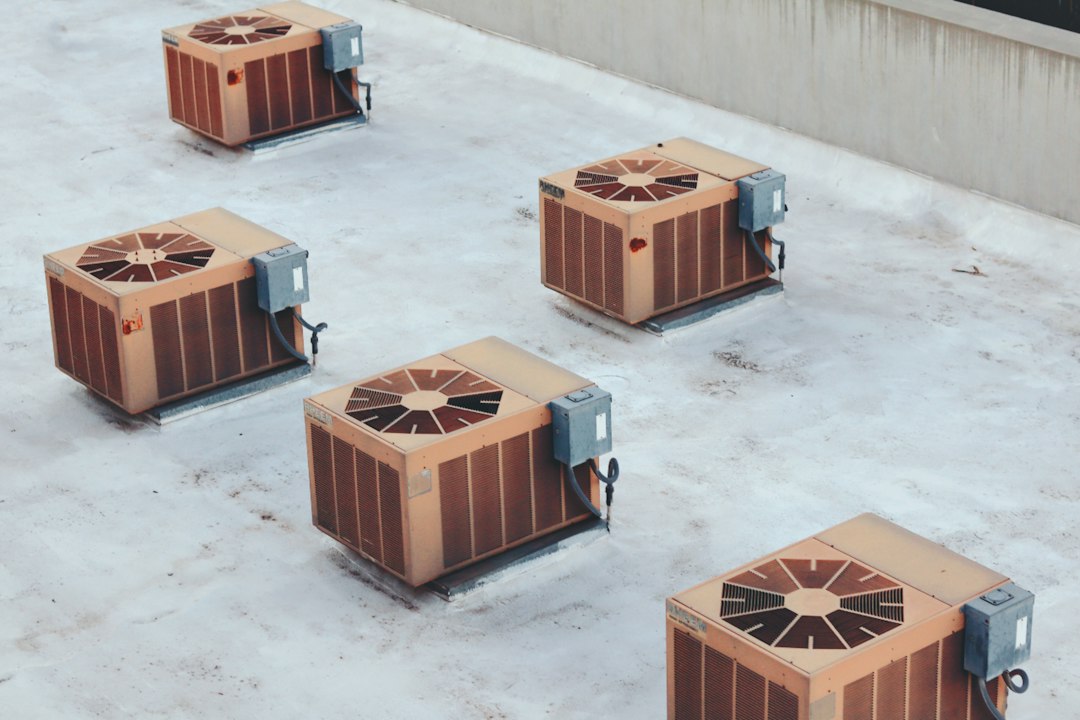
The condenser coil is the component that often makes your outdoor air conditioning unit noisy. The fan and the compressor work together, and the constant expulsion of hot air can create a distinct hum. This is the sound of your air conditioner working hard to keep you cool, shedding the unwanted heat so that the indoor magician can continue its work. It’s an essential part of the system, often taken for granted, but without its diligent heat-dumping duties, your indoor comfort would be a fleeting dream.
The Unseen Connection: Refrigerant and the Expansion Valve
So, you have the evaporator coil absorbing heat indoors, and the condenser coil releasing that heat outdoors. But how does the refrigerant make this journey, transforming from a cold liquid to a hot gas and back again, while maintaining the precise conditions needed for cooling? The answer lies in a critical component that bridges the gap between the two coils: the expansion valve (also known as the metering device). This seemingly small part plays a monumental role in orchestrating the refrigerant’s magical transformation.
The expansion valve is strategically placed between the condenser coil and the evaporator coil. Its primary function is to regulate the flow of refrigerant and, more importantly, to reduce its pressure and temperature. After the refrigerant has condensed into a high-pressure liquid in the condenser coil and traveled through the refrigerant lines, it reaches the expansion valve. Here, as the high-pressure liquid is forced through a narrow opening, its pressure is drastically reduced. This sudden drop in pressure causes a rapid cooling effect, a phenomenon known as the Joule-Thomson effect.
The Pressure Drop: Catalyzing the Cooling Transformation
Think of it like spraying an aerosol can. When you spray it, the propellant inside, which is under pressure, is released into the atmosphere. The rapid expansion of the propellant causes it to cool down significantly, which is why aerosol cans can feel cold to the touch when used for an extended period. The expansion valve works on a similar principle. As the liquid refrigerant passes through its restricted opening, it vaporizes partially and cools down dramatically, becoming a very cold mixture of liquid and gas at low pressure. This cold, low-pressure refrigerant then enters the evaporator coil, ready to absorb the heat from your indoor air and complete the cooling cycle.
The expansion valve is often a thermostatic device, meaning it adjusts the amount of refrigerant flowing based on the temperature of the refrigerant returning from the evaporator coil. This ensures that the evaporator coil is always filled with the correct amount of refrigerant to maximize heat absorption without becoming flooded or starved. It’s a finely tuned mechanism that precisely controls the refrigerant’s state, allowing the entire cooling system to operate efficiently. Without the expansion valve, the refrigerant wouldn’t be able to transition from a high-pressure liquid to a low-pressure liquid-gas mixture, and the cooling process would be impossible.
Refrigerant’s Journey: A Closed-Loop Adventure
The refrigerant itself is the lifeblood of this entire system. It’s a special chemical compound designed to absorb and release heat at the temperatures and pressures encountered within an air conditioner. Historically, refrigerants like Freon were used, but due to environmental concerns, newer, more eco-friendly refrigerants are now prevalent. Regardless of the specific type, its journey is a continuous, closed-loop adventure. It circulates from the evaporator to the compressor, then to the condenser, through the expansion valve, and back to the evaporator, tirelessly repeating the process of heat absorption and rejection.
The refrigerant lines, the copper pipes that connect the indoor and outdoor units, are also crucial. These lines carry the refrigerant in its various states between the coils. They are insulated to prevent heat exchange with the surrounding environment, ensuring that the refrigerant maintains its intended temperature as it travels. The efficient movement of refrigerant through these lines, under the precise control of the expansion valve and driven by the compressor, is what allows the evaporator and condenser coils to perform their specialized roles.
Air conditioners are designed with two coils, known as the evaporator coil and the condenser coil, to efficiently transfer heat and maintain a comfortable indoor environment. The evaporator coil absorbs heat from the indoor air, while the condenser coil releases that heat outside. This dual-coil system is essential for the cooling process, ensuring that your home remains at a pleasant temperature even during the hottest days. For a deeper understanding of how these components work together, you can read more in this informative article on Freaky Science.
The Symphony of Cooling: How the Coils Work in Harmony
| Coil Type | Function | Location | Key Metric | Purpose |
|---|---|---|---|---|
| Evaporator Coil | Absorbs heat from indoor air | Inside the air handler or indoor unit | Temperature drop of 10-15°F | To cool and dehumidify indoor air |
| Condenser Coil | Releases heat to the outside air | Outside unit | Heat rejection rate of 12,000-24,000 BTU/hr | To expel absorbed heat and condense refrigerant |
You’ve explored the individual talents of the evaporator coil and the condenser coil, understanding their distinct roles in the grand scheme of cooling. But the true magic of your air conditioner lies not just in their individual brilliance, but in their seamless collaboration. They are not isolated performers; they are integral parts of a sophisticated symphony, each playing its part to create the harmonious cool environment you enjoy. The interplay between these two coils, governed by the principles of thermodynamics and the mechanics of the refrigeration cycle, is what makes your air conditioner such an effective cooling machine.
The process begins with the refrigerant in a low-pressure, liquid state within the evaporator coil. As warm air from your home is drawn across this coil by the indoor fan, the refrigerant absorbs heat and begins to evaporate into a low-pressure gas. This is the cooling phase, where your indoor space is stripped of its unwanted warmth. This now-heated refrigerant gas then travels through the refrigerant lines to the compressor in the outdoor unit. The compressor increases the pressure and temperature of the refrigerant, transforming it into a hot, high-pressure gas.
The Continuous Cycle: Evaporation and Condensation in Tandem
From the compressor, this hot gas flows into the condenser coil. The outdoor fan then blows ambient air across the condenser’s fins, transferring the heat from the refrigerant to the outside air. As the refrigerant releases its heat, it cools down and condenses back into a high-pressure liquid. This liquid then travels through the refrigerant lines to the expansion valve. The expansion valve reduces the pressure and temperature of the refrigerant, preparing it to re-enter the evaporator coil as a cold, low-pressure liquid, ready to begin the cycle anew.
This entire process is a continuous loop. The evaporator coil is constantly absorbing heat from your indoor environment, and the condenser coil is constantly rejecting that heat to the outdoors. The compressor drives the circulation and pressure changes, and the expansion valve meticulously controls the refrigerant’s state. It’s a finely tuned dance where every component relies on the others. If the evaporator coil fails to absorb heat, the condenser coil has nothing to reject. If the condenser coil cannot reject heat, the evaporator coil will become saturated, and cooling will cease. The two coils are inseparable partners in the art of comfort.
Beyond the Basics: Factors Affecting Coil Performance
The efficiency and longevity of these coils, and thus your entire air conditioning system, depend on a variety of factors. Regular maintenance is paramount. Dust and debris can accumulate on the fins of both the evaporator and condenser coils, acting as an insulating layer that hinders heat transfer. This is why you’ll often see recommendations to clean your air conditioner’s coils. A dirty evaporator coil will struggle to absorb heat effectively, leading to reduced cooling and increased energy consumption. Similarly, a dirty condenser coil will have difficulty releasing heat, causing the system to work harder and potentially overheat.
The refrigerant level is another critical factor. Too little refrigerant will result in inadequate cooling, while too much can damage the compressor. Proper installation also plays a significant role. Ensuring the refrigerant lines are correctly sized and insulated, and that the coils are properly mounted, contributes to optimal performance. Even the ambient temperature outside can impact the condenser coil’s efficiency. On extremely hot days, the condenser will have a harder time rejecting heat, and your air conditioner might struggle to keep up with the cooling demand. Understanding these nuances helps you appreciate the delicate balance that keeps your cooling system running smoothly.
Maintaining Your Cooling Guardians: Preserving the Coils’ Potency
You’ve now journeyed through the inner workings of your air conditioner, unraveling the distinct yet interdependent roles of the evaporator and condenser coils. You understand how they collaborate to transform warm, humid air into the refreshing coolness that makes your home a haven. But this technological marvel, like any complex machine, requires care and attention to perform at its best and to last for years to come. Neglecting your air conditioner’s coils is akin to neglecting your own well-being – it leads to decreased performance, increased costs, and ultimately, premature failure. Preserving the potency of these cooling guardians is not just about comfort; it’s about smart energy use and long-term savings.
The most crucial aspect of maintaining your coils is ensuring they are kept clean. Think of the fins on both coils as tiny radiators. Just as you wouldn’t expect a car radiator clogged with leaves and dirt to cool an engine effectively, you can’t expect your air conditioner coils to work efficiently when they are covered in grime. This dust, dirt, and debris act as insulators, creating a barrier that impedes the vital transfer of heat. This means your air conditioner has to work harder and run longer to achieve the desired temperature, leading to higher energy bills and increased wear and tear on the system.
The Evaporator’s Cleanliness: A Breath of Fresh Air
The evaporator coil, residing inside your home, is susceptible to collecting dust, pet dander, mold spores, and other airborne particles. Over time, these contaminants can build up on the fins, reducing airflow and hindering the coil’s ability to absorb heat. A dirty evaporator coil can also contribute to poor indoor air quality and even spread allergens throughout your home. Regular cleaning of your air filter is the first line of defense. A clean filter prevents a significant amount of dust from reaching the evaporator coil in the first place. Beyond that, occasional professional cleaning of the evaporator coil itself is highly recommended. This usually involves using specialized cleaning solutions to break down the accumulated grime and rinsing it away, ensuring that the coil can freely absorb the heat from your indoor air.
The Condenser’s Defense: Battling the Outdoor Elements
The condenser coil, exposed to the elements outdoors, faces its own set of challenges. It’s bombarded by leaves, grass clippings, pollen, and general outdoor debris. This buildup can severely restrict airflow through the coil, making it difficult for the refrigerant to release its heat effectively. A clogged condenser coil can lead to the refrigerant overheating, which can cause damage to the compressor and other components. Periodically inspecting the condenser coil and gently clearing away any visible debris is important. You can often use a garden hose to spray water through the fins from the inside out to dislodge dirt. However, care must be taken not to bend the delicate fins, as this can also impede airflow. For a thorough cleaning, professional service is often the best option.
Professional Check-ups: The Unsung Heroes of Coil Longevity
While DIY maintenance like cleaning air filters and gently rinsing the condenser coil can make a difference, professional servicing by a qualified HVAC technician is invaluable. Technicians have the specialized tools and knowledge to thoroughly clean both coils, ensuring that all contaminants are removed. They can also inspect the coils for any signs of damage, such as bent fins or corrosion, and address these issues before they become major problems. Furthermore, a technician can check the refrigerant levels, which is crucial for proper coil function. They can also inspect the entire refrigeration cycle, ensuring that the expansion valve is functioning correctly and that there are no leaks in the refrigerant lines. Regular professional maintenance, typically recommended once a year before the cooling season begins, is the best way to ensure your evaporator and condenser coils remain potent, your air conditioner operates efficiently, and you enjoy consistent, reliable cooling for years to come.
