The Invisible Engine of Comfort
You’re probably reading this in a space where the air feels just right. Not sticky and oppressive, but comfortably cool, perhaps with a gentle whisper of circulating air. You might not even be actively thinking about it, but a sophisticated piece of technology is working tirelessly to maintain that feeling. That’s the magic, and the science, of your air conditioner. It’s not just a box that blows cold air; it’s a marvel of engineering that actively manipulates the very essence of heat to bring you relief. When the mercury climbs outside, and the sun beats down relentlessly, your air conditioner becomes your personal sanctuary, your guardian against the sweltering heat. It’s a modern necessity, a silent hero that allows you to live, work, and sleep in comfort, regardless of the weather’s temperament. Understanding how it achieves this feat isn’t just for the technically inclined; it unlocks a deeper appreciation for the technology that so seamlessly integrates into our lives.
The Fundamental Principle: Heat Transfer
At its core, an air conditioner is a heat pump. This might sound counterintuitive, as we typically associate pumps with moving liquids. However, in the context of air conditioning, the “pump” is moving heat. The fundamental principle it exploits is the natural tendency of heat to flow from warmer areas to cooler areas. Your air conditioner doesn’t create cold; it removes heat from your indoor environment and expels it elsewhere, usually outside. Think of it like a bucket brigade for heat. Your air conditioner’s system acts as the brigade, picking up heat from the air inside your home and transporting it to the outside air. This process relies on a few key components working in concert, each playing a vital role in this intricate dance of temperature regulation.
To gain a deeper understanding of how air conditioners work and the principles behind heat transfer, you can explore a related article that delves into the science of cooling systems. This resource provides valuable insights into the mechanisms that allow air conditioners to effectively manage indoor temperatures. For more information, visit Freaky Science.
The Refrigerant Cycle: The Heart of the Operation
The real genius of your air conditioner lies in its refrigerant cycle. This is where the magic of heat transfer is orchestrated. A special fluid, called a refrigerant, circulates through a closed-loop system within your AC unit. This refrigerant has a unique property: it can easily change from a liquid to a gas and back again at relatively low temperatures and pressures. This ability to evaporate and condense is the key to its ability to absorb and release heat. The cycle involves four main stages, each facilitated by specific components: the evaporator, the compressor, the condenser, and the expansion valve. Understanding these stages is like understanding the heartbeat of your cooling system.
Evaporation: Absorbing the Heat Inside
The journey of heat removal begins in the evaporator coil, typically located inside your home. Here, the refrigerant, which has just passed through the expansion valve, is a cold, low-pressure liquid-gas mixture. As the warm air from your home is drawn across the evaporator coils (thanks to your air handler’s fan), the refrigerant absorbs the heat from that air. This absorption causes the refrigerant to evaporate, transforming from a liquid into a gas. Imagine the heat from your room being “soaked up” by the refrigerant as it boils and turns into vapor. This process effectively cools the air that is then blown back into your living space, creating that desired cool breeze. The more heat the refrigerant absorbs, the more efficient the cooling process becomes. This is the stage where your comfort is directly being manufactured.
Compression: Increasing the Pressure and Temperature
Once the refrigerant has absorbed the heat from your indoor air and turned into a low-pressure gas, it moves to the compressor. This is often referred to as the “heart” of the air conditioning system. The compressor’s job is to take this low-pressure, gaseous refrigerant and compress it. This compression significantly increases both the pressure and the temperature of the refrigerant. Think of squeezing a sponge; it becomes denser and potentially warmer. In the case of the refrigerant, this compression heats it up considerably, making it much hotter than the outdoor air. This superheated, high-pressure gas is now ready to release its heat. Without the compressor, the refrigerant would not reach the necessary temperature and pressure to effectively shed its absorbed heat to the outside environment. It’s the engine that drives the entire heat transfer process.
Condensation: Releasing the Heat Outside
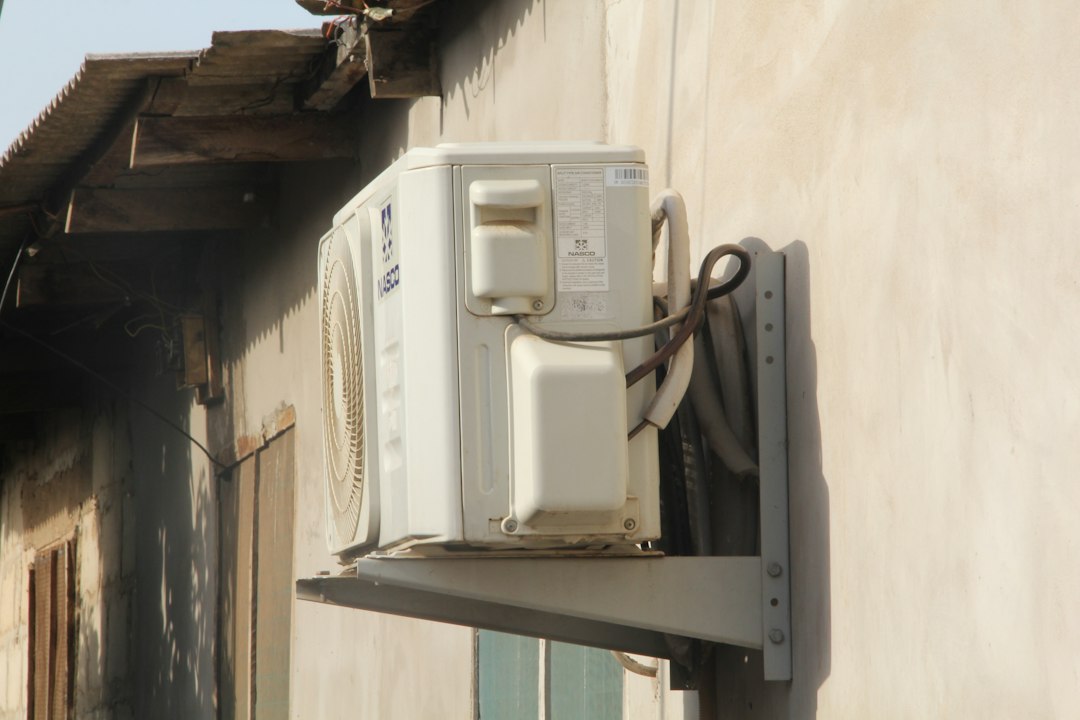
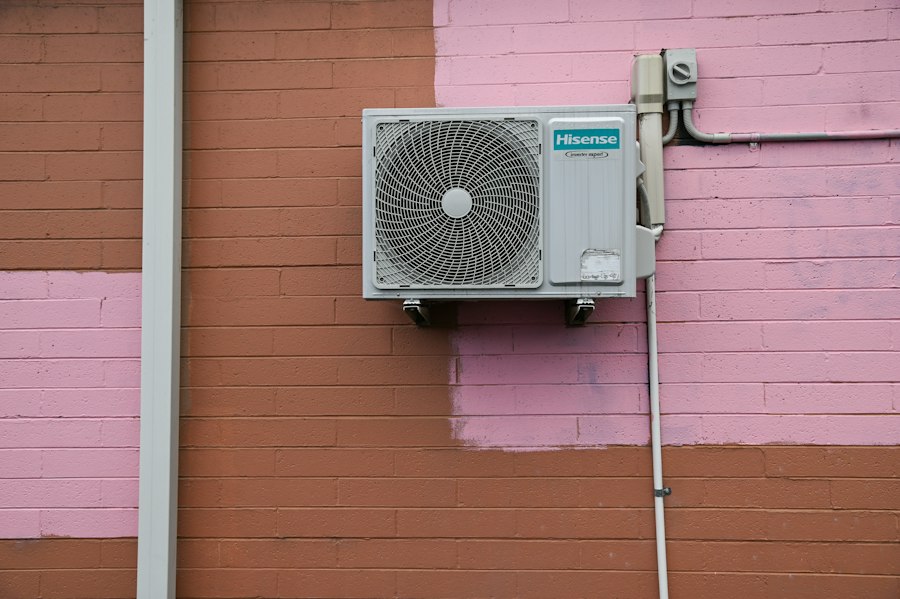
The hot, high-pressure refrigerant gas then travels to the condenser coil, which is usually located in the outdoor unit of your air conditioner. Here, the refrigerant is hotter than the outside air. As the warm outdoor air is blown across the condenser coils (often by the outdoor unit’s fan), the heat from the refrigerant is transferred to the outdoor air. This transfer of heat causes the refrigerant to condense back into a high-pressure liquid. It’s like steam cooling down and turning back into water. This is where the heat that was removed from your home is ultimately expelled. The effectiveness of this stage is crucial; if the condenser can’t effectively release the heat, the entire system will struggle to cool your home. The constant flow of air across these coils is vital for efficient operation.
Expansion: Preparing for Another Cycle
Finally, the high-pressure liquid refrigerant flows through the expansion valve (also known as a metering device). This valve dramatically reduces the pressure of the liquid refrigerant. As the pressure drops, the temperature of the refrigerant also plummets, transforming it back into a cold, low-pressure liquid-gas mixture. This chilled refrigerant is now ready to re-enter the evaporator coil and begin the cycle anew, ready to absorb more heat from your indoor air. The expansion valve acts as a gatekeeper, controlling the flow of refrigerant and preparing it for its next mission of heat absorption. This continuous loop ensures that your air conditioner can maintain a consistent cool temperature throughout your living space.
The Supporting Cast: Fans, Filters, and Ducts
While the refrigerant cycle is the engine, several other components are essential for the efficient operation of your air conditioner. These supporting players ensure that the cool air reaches you and that the system remains clean and functional. You interact with some of these components daily, often without a second thought.
Understanding how to follow the heat through an air conditioner can greatly enhance your ability to maintain a comfortable indoor environment. For a deeper dive into this topic, you might find it helpful to read a related article that explains the principles of heat transfer and air conditioning systems. This resource provides valuable insights that can aid in troubleshooting and optimizing your cooling system. To explore more, check out this informative piece on heat transfer in air conditioning.
The Air Handler and Fan: Circulating the Cool Air
The air handler unit is the part of your system that directly interacts with your indoor environment. Its primary role is to circulate the air. A powerful fan within the air handler draws warm air from your rooms, passes it over the cold evaporator coils, and then blows the now-cooled air back into your home through the ductwork. The speed and efficiency of this fan directly impact how quickly and evenly your home is cooled. A well-designed air handler ensures consistent airflow, preventing hot or cold spots and maximizing the comfort of your entire house. You can often feel its presence as a gentle flow of air from your vents.
The Air Filter: The Guardian of Air Quality
Perhaps the most accessible component for you to maintain is the air filter. Located within the air handler, the filter’s primary job is to trap airborne particles like dust, pollen, pet dander, and other debris. This not only protects the internal components of your air conditioner from clogging and damage but also significantly improves the quality of the air you breathe. A clean filter allows for optimal airflow, ensuring that your AC unit can work efficiently. A clogged filter restricts airflow, forcing the system to work harder, consume more energy, and ultimately reduce its cooling capacity. Regularly changing or cleaning your air filter is one of the simplest yet most impactful maintenance tasks you can perform.
Ductwork: The Veins of Your Cooling System
The ductwork is the network of channels that distributes the conditioned air throughout your home. These metal or flexible tubes act as the arteries, carrying the cool air from the air handler to individual rooms and returning warmer air back to be re-conditioned. The design and integrity of your ductwork are crucial for efficient cooling. Leaks in the ducts can lead to significant energy loss, as cooled air escapes into unconditioned spaces like attics or crawl spaces. Poorly designed or undersized ducts can also lead to uneven cooling and reduced airflow. Ensuring your ductwork is properly sealed and insulated is vital for maximizing the effectiveness of your air conditioner and minimizing energy waste.
Energy Efficiency: Balancing Comfort and Cost
As you’ve learned, your air conditioner is a sophisticated machine that works tirelessly to keep you cool. However, this comfort comes at a cost, primarily in terms of energy consumption. Understanding how your air conditioner uses energy and what factors influence its efficiency is key to managing your utility bills and minimizing your environmental impact. Fortunately, advancements in technology have made modern air conditioners significantly more energy-efficient than their predecessors.
Understanding SEER and EER Ratings
When you’re looking to purchase a new air conditioner or assess your current one, you’ll encounter energy efficiency ratings. The two most common are the Seasonal Energy Efficiency Ratio (SEER) and the Energy Efficiency Ratio (EER). SEER measures the cooling output of an air conditioner over a typical cooling season, relative to the energy it consumes. A higher SEER rating indicates greater energy efficiency. For example, a unit with a SEER of 15 will be more efficient than one with a SEER of 10. EER, on the other hand, measures efficiency at a specific outdoor temperature. Both ratings provide valuable insights into how much electricity your unit will consume. Generally, higher SEER and EER ratings mean lower operating costs and a smaller environmental footprint.
The Role of Thermostat Settings and Maintenance
Your thermostat is your primary interface with your air conditioner, and how you use it significantly impacts energy consumption. Setting your thermostat too low forces your AC to work harder and longer to achieve and maintain that temperature. Gradual adjustments, rather than drastic drops, are more energy-efficient. During times when you’re away from home or sleeping, programming your thermostat to a slightly higher temperature can lead to substantial energy savings. Beyond thermostat settings, regular maintenance is paramount for maintaining energy efficiency. As mentioned, clean filters are vital. However, professional tune-ups that include cleaning the coils, checking refrigerant levels, and ensuring proper airflow can prevent minor issues from becoming major energy drains. A well-maintained system operates at peak efficiency, keeping you cool without unnecessarily high energy bills.
Smart Technology and the Future of Cooling
The evolution of air conditioning technology continues with the integration of smart features. Smart thermostats, for instance, can learn your habits and automatically adjust temperatures for optimal comfort and energy savings. They can also be controlled remotely via your smartphone, allowing you to pre-cool your home before you arrive or turn off the unit when you forget. Some advanced systems even incorporate variable-speed compressors and fans, which can adjust their output precisely to meet cooling demands, rather than simply cycling on and off at full power. This precise control further enhances energy efficiency and provides a more consistent and comfortable indoor environment. The future of cooling promises even more intelligent and sustainable solutions, further refining the technology that keeps you so comfortably cool.

Your AC Blows Hot Air Outside. Is That Heat From Your Room?

FAQs
What is the purpose of an air conditioner?
An air conditioner is designed to cool and dehumidify the air in a specific space, providing a more comfortable environment for occupants.
How does an air conditioner work to cool a room?
Air conditioners use a refrigeration cycle to remove heat from the air inside a room. The process involves transferring heat from inside to outside, resulting in cooler air circulating back into the room.
What role does the refrigerant play in the cooling process?
The refrigerant in an air conditioner absorbs heat from the indoor air as it evaporates and releases heat to the outdoor air as it condenses. This cycle allows the air conditioner to cool the indoor space effectively.
Why is it important to follow the heat through an air conditioner?
Following the heat through an air conditioner helps understand how the cooling process works and how heat is transferred from inside to outside. This knowledge can help in troubleshooting issues and ensuring the air conditioner operates efficiently.
What are some common signs that indicate an air conditioner may not be functioning properly?
Common signs of air conditioner issues include reduced cooling capacity, strange noises, unusual odors, and increased energy consumption. It is important to address these issues promptly to prevent further damage and ensure optimal performance.