The Intriguing Chromosomal Dance Behind the Orange Tabby
The vibrant marmalade, the fiery ginger, the soft apricot – orange cats are a beloved sight in homes around the world. Their distinctive coloration, often accompanied by bold tabby markings, has captivated humans for centuries. But beneath the surface of their appealing hues lies a fascinating genetic story, one intricately linked to the very machinery of sex determination in mammals. The prevalence of orange coloration, and the often-observed phenomenon that most orange cats are male, is a direct consequence of how their X and Y chromosomes interact. Decoding the genetics of the orange cat X chromosome reveals a beautiful interplay of alleles, gene expression, and evolutionary advantage, painting a compelling picture of how a simple coat color can be so profoundly tied to an animal’s biological sex. This exploration delves into the fundamental principles of X-linked inheritance, the specific genes involved in feline coat coloration, and the statistical anomalies that make the orange male so common.
Recent studies have shed light on the intriguing genetics of orange cats, particularly focusing on the role of the X chromosome in determining their coat color. This fascinating topic is explored in detail in the article found at Freaky Science, which discusses how the orange coloration is linked to a specific gene located on the X chromosome. Understanding this genetic mechanism not only enhances our knowledge of feline genetics but also highlights the complexities of inheritance patterns in animals.
The Foundation of Sex and Color: X and Y Chromosomes
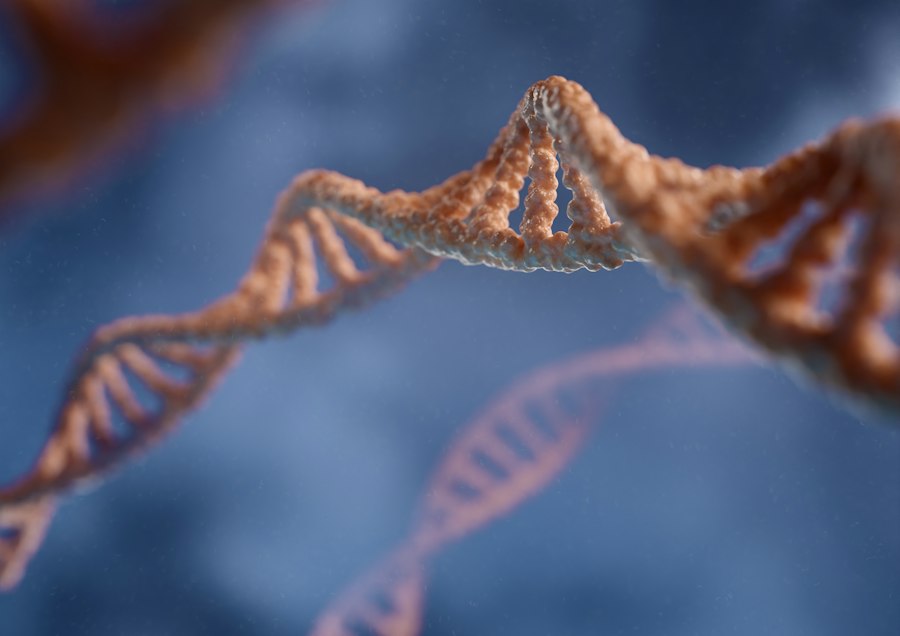
In most mammals, including domestic cats, the determination of biological sex is a chromosomal affair. Females possess two X chromosomes (XX), while males have one X chromosome and one Y chromosome (XY). This seemingly simple difference is the bedrock upon which a wealth of genetic information is carried, and it has profound implications for how traits are inherited. The Y chromosome, being significantly smaller and carrying fewer genes than the X, is primarily responsible for male development. The X chromosome, on the other hand, is a larger, gene-rich entity, carrying hundreds of genes that influence a wide range of bodily functions, some of which are unrelated to sex.
X-Linked Inheritance: A Different Rulebook
When it comes to traits encoded on the X chromosome, the rules of inheritance differ from those on autosomal chromosomes (chromosomes 1 through 18 in cats). Because males have only one X chromosome, they possess only one copy of any gene located on it. This means that whatever allele (a specific variant of a gene) is present on their single X chromosome will be expressed, regardless of whether it is dominant or recessive. In contrast, females, with two X chromosomes, have two copies of these genes. For a recessive trait to be expressed in a female, she must inherit the recessive allele on both of her X chromosomes. If she inherits one dominant and one recessive allele, the dominant trait will be expressed, and she will be a carrier of the recessive allele.
This fundamental difference in the number of X chromosomes is crucial for understanding why orange coloration is so much more common in male cats. The gene responsible for producing the orange pigment (phaeomelanin) is located on the X chromosome.
The Role of the Y Chromosome
The Y chromosome in cats, as in other mammals, plays a pivotal role in sex determination. It carries the SRY (Sex-determining Region Y) gene, which triggers the development of male reproductive organs. However, the Y chromosome carries very few other genes, and importantly, it does not carry the gene for orange coat color. This means that a cat’s Y chromosome has no direct influence on whether it will be orange. The genetic blueprint for orange lies solely within the X chromosome.
The Gene for Orange: A Crucial X-Linked Player
The striking orange coloration seen in many felines is not a simple matter of one gene. Instead, it’s the result of the interplay between genes that control pigment production and genes that determine how those pigments are distributed and expressed. The key player in the “orange” trait is a gene located on the X chromosome, often referred to as the O gene. This gene doesn’t directly produce the orange pigment itself, but rather it influences the production of melanin, the pigment responsible for hair color.
The O Gene Alleles: O and o
The O gene exists in two primary alleles relevant to this discussion: the dominant allele O (or OR) and the recessive allele o (or oR).
- **The O (Orange) Allele:** This allele is responsible for the production of phaeomelanin, the reddish-yellow pigment that gives cats their orange, red, or cream coloration. When this allele is present, it triggers the production of this pigment.
- **The o (Non-Orange) Allele:** This allele does not trigger the production of phaeomelanin. Instead, it allows for the production of eumelanin, the black or brown pigment.
The expression of these alleles is the foundation of the sex-linked orange coloration.
Dominance and Recessiveness in Action
The crucial aspect of the O gene is its pattern of inheritance. The allele for orange (O) is dominant over the allele for non-orange (o). This means that if a cat inherits at least one O allele, it has the potential to be orange.
- Males (XY): A male cat has only one X chromosome. Therefore, his coat color will be determined by the single allele present on that X chromosome.
- If his X chromosome carries the O allele (genotype XOY), he will be orange.
- If his X chromosome carries the o allele (genotype XoY), he will be non-orange (black, brown, or their dilute forms).
- Females (XX): A female cat has two X chromosomes. Her coat color depends on the combination of alleles she inherits on both of them.
- If she inherits two O alleles (genotype XOXO), she will be orange.
- If she inherits two o alleles (genotype XoXo), she will be non-orange.
- If she inherits one O allele and one o allele (genotype XOXo), she will be a carrier of the orange gene. In this case, due to the dominance of the O allele, she will outwardly appear non-orange. However, she can pass the O allele to her offspring.
The Calico and Tortoiseshell Enigma: A Mosaic of Color
The pattern of X-linked inheritance also explains the striking and beautiful coat patterns of calico and tortoiseshell cats. These cats are almost exclusively female, a direct consequence of the genetic mechanism that creates their patched coloration. This phenomenon is a beautiful demonstration of a biological process called X-inactivation, also known as Lyonization.
X-Inactivation: Silencing One X Chromosome
In female mammals with two X chromosomes, one of the X chromosomes in each cell is randomly inactivated during embryonic development. This is a crucial process that ensures females, despite having twice the genetic material on their X chromosomes, do not produce twice the amount of protein from X-linked genes compared to males. Once an X chromosome is inactivated in a particular cell, all its descendants will also have that same X chromosome inactivated.
The Birth of Patches: A Random Process
The inactivation of one X chromosome is random. In some cells, the X chromosome inherited from the mother might be inactivated, while in others, the X chromosome inherited from the father might be inactivated. This random cellular lottery is the key to the mosaic patterns seen in calico and tortoiseshell cats.
Consider a female cat with the genotype XOXo.
- In some patches of her skin, the X chromosome carrying the O allele will be active, and the X chromosome carrying the o allele will be inactive. These cells will produce phaeomelanin, resulting in orange fur.
- In other patches of her skin, the X chromosome carrying the o allele will be active, and the X chromosome carrying the O allele will be inactive. These cells will produce eumelanin, resulting in black or brown fur.
The result is a cat with distinct patches of orange and patches of black or brown.
Calico vs. Tortoiseshell: A Matter of Pattern and White Spotting
The distinction between calico and tortoiseshell cats is primarily one of pattern and the presence of white spotting.
- Tortoiseshell (often called “torties”): These cats have a mottled or brindled pattern of orange and black (or brown) with little to no white. The patches are often intermingled rather than clearly defined.
- Calico: These cats are characterized by distinct, large patches of orange, black (or brown), and white. The white spotting is controlled by a separate gene that is not sex-linked. The presence of white spotting breaks up the mosaic of orange and black, creating the iconic tri-color pattern.
Both tortoiseshell and calico patterns are almost exclusively found in females because they require the presence of two different alleles for coat color on the X chromosome (XOXo) to manifest.
Recent studies have shed light on the intriguing genetics of orange cats, particularly focusing on the role of the X chromosome in determining their distinctive coat color. This fascinating topic is explored in detail in an article that discusses how the orange coloration is linked to a specific gene located on the X chromosome, which can lead to interesting patterns of inheritance. For more insights into this genetic phenomenon, you can read the full article here. Understanding these genetic principles not only enhances our knowledge of feline biology but also helps explain the prevalence of orange cats in our homes.
The Statistical Lean Towards Males: Why Orange is Predominantly a Male Trait
| Metric | Description | Value/Details |
|---|---|---|
| Gene Location | Chromosome where the orange coat color gene is located | X chromosome |
| Gene Symbol | Symbol for the orange gene | O (O allele for orange, o for non-orange) |
| Alleles | Variants of the orange gene | O (orange), o (non-orange) |
| Sex Linkage | Inheritance pattern of the orange gene | X-linked |
| Male Genotype | Possible genotypes for male cats | XO (orange), Xo (non-orange) |
| Female Genotype | Possible genotypes for female cats | XOXO (orange), XoXo (non-orange), XOXo (tortoiseshell/calico) |
| Phenotype Expression | How the orange gene affects coat color | O allele produces orange pigment (pheomelanin); o allele produces black/brown pigment (eumelanin) |
| Calico/Tortoiseshell Occurrence | Result of heterozygous females | Occurs in females with XOXo genotype due to X-inactivation |
| Male Calico/Tortoiseshell Frequency | Rarity of male cats with calico/tortoiseshell pattern | Very rare; usually XXY (Klinefelter syndrome) |
The genetic explanation for the prevalence of orange male cats is a direct consequence of the X-linked nature of the O gene. While females can be orange, the genetic requirements for a female to be orange are more stringent than for a male.
The Probability Equation
Let’s consider the probability of producing an orange cat from a mating. We’ll assume a common scenario where the father is orange (XOY) and the mother is a carrier for orange (XOXo).
- Father’s contribution: He will always pass on his X chromosome (carrying O) to his daughters and his Y chromosome (carrying no color gene) to his sons.
- Mother’s contribution: She can pass on either her XO chromosome or her Xo chromosome to her offspring with a 50% probability for each.
Now, let’s look at the offspring:
- Daughters (XX):
- If the mother passes on XO (50% chance), and the father passes on XO, the daughter will be XOXO (orange).
- If the mother passes on Xo (50% chance), and the father passes on XO, the daughter will be XOXo (a tortoiseshell or calico carrier, not fully orange).
- Sons (XY):
- If the mother passes on XO (50% chance), and the father passes on Y, the son will be XOY (orange).
- If the mother passes on Xo (50% chance), and the father passes on Y, the son will be XoY (non-orange).
In this scenario, 50% of the daughters are orange, and 50% of the sons are orange. However, the daughters are fully orange (XOXO), while the sons are orange due to having a single XO chromosome.
The Odds Favoring Orange Males
The statistical lean towards male orange cats arises because it’s easier to be an orange male than an orange female. A male only needs one copy of the O allele on his single X chromosome. A female, however, needs two copies of the O allele (XOXO) to be fully orange. If she has one O and one o (XOXo), she will be a tortoiseshell or calico, and will not be uniformly orange.
Consider a general population of cats. A male cat inherits his X chromosome from his mother. If his mother is orange or a tortoiseshell/calico carrier, he has a significant chance of inheriting the O allele. For a female to be orange, she must inherit an O allele from both her father and her mother. This “double dose” requirement for females means that, on average, there are more orange males than orange females in the cat population. While it’s estimated that around 80% of orange cats are male, female orange cats do exist, they just have to be homozygous for the orange allele (XOXO).
Beyond the Basics: Other Factors and Interesting Insights
While the X-linked inheritance of the O gene is the primary driver of orange coat color and the male bias, other genetic factors and biological phenomena contribute to the complexity and fascination surrounding these felines.
Dilution and Other Pigment Modifiers
The intensity of the orange color can vary widely. Some orange cats are a deep, fiery red, while others are a pale cream. This variation is due to other genes that modify the expression of the primary orange pigment. The gene for coat color dilution, for instance, can lighten the vibrant orange to a softer cream or apricot. This dilution gene is also autosomal, meaning it’s not located on the sex chromosomes, and its interaction with the orange gene creates the spectrum of orange shades we see.
Furthermore, the tabby pattern itself is controlled by a separate set of genes, which are also autosomal. The presence of tabby markings on an orange cat is very common, leading to the iconic “marmalade tabby” look. The genes for tabby patterns can interact with the genes for color, influencing how the stripes and swirls manifest over the orange base.
The “Tabby” Gene and its Interaction
The classic tabby pattern, with its swirls, stripes, and blotches, is a dominant trait. Cats with at least one dominant allele for the tabby pattern will display these markings. The gene for mackerel tabby (striped) is dominant over the blotched or classic tabby pattern. The genes for the tabby pattern are autosomal, meaning they are on non-sex chromosomes, and they act independently of the sex-linked orange gene. This is why an orange cat can be either a classic tabby, a mackerel tabby, or even a spotted tabby (though spotting is often considered a variation of the tabby pattern).
Evolutionary Considerations and Conservation
While not a direct genetic mechanism, the prevalence of orange males might have some subtle evolutionary implications. In species where males are the dispersing sex, a trait that is expressed more readily in males could potentially be spread more easily through a population. However, for coat color, the primary drivers are likely mate selection and camouflage, and the genetic predisposition is a more direct explanation for the observed ratio.
The Rarity of the Orange Male Carrier
It is important to note that a male cat cannot be a “carrier” of the orange gene in the same way a female can. Since males only have one X chromosome, any allele present on that chromosome is expressed. Therefore, an orange male (XOY) is not a carrier; he is simply orange. If he mates with a non-orange female (XoXo), all his daughters will be carriers (XOXo) and will display the tortoiseshell or calico pattern, while all his sons will be non-orange (XoY).
The genetics of the orange cat X chromosome offer a fascinating glimpse into the fundamental principles of inheritance and the intricate ways in which genes can influence observable traits. The statistical dominance of orange males, the mosaic patterns of calicos and torties, and the spectrum of shades are all elegantly explained by the interplay of X-linked genes and the biological realities of sex determination. This chromosomal dance is not just about color; it’s a testament to the complex and beautiful tapestry of life encoded within our feline companions.
Which Cat Color Lives Longest? The Research Has a Twist
FAQs
What is the significance of the X chromosome in orange cat genetics?
The X chromosome plays a crucial role in determining the orange coloration in cats. It carries the gene responsible for producing the orange pigment called pheomelanin.
How does the inheritance of the orange color gene work in male cats?
Male cats have one X chromosome and one Y chromosome. Since the gene for orange color is located on the X chromosome, male cats only need to inherit one copy of the gene to display the orange coloration.
Can female cats be orange if they inherit the orange color gene?
Yes, female cats can be orange if they inherit the orange color gene on both X chromosomes. This is because female cats have two X chromosomes, so they can display the orange coloration if they inherit the gene on both chromosomes.
Are there other factors besides the X chromosome that influence the orange color in cats?
Yes, besides the X chromosome, there are other genes that can influence the shade of orange in cats. These genes can interact with the orange color gene to produce variations in the intensity and pattern of orange coloration.
Can two orange cats produce non-orange kittens?
Yes, two orange cats can produce non-orange kittens if they both carry recessive genes for a different color. In this case, the kittens may inherit the non-orange color gene from both parents and display a different coloration.