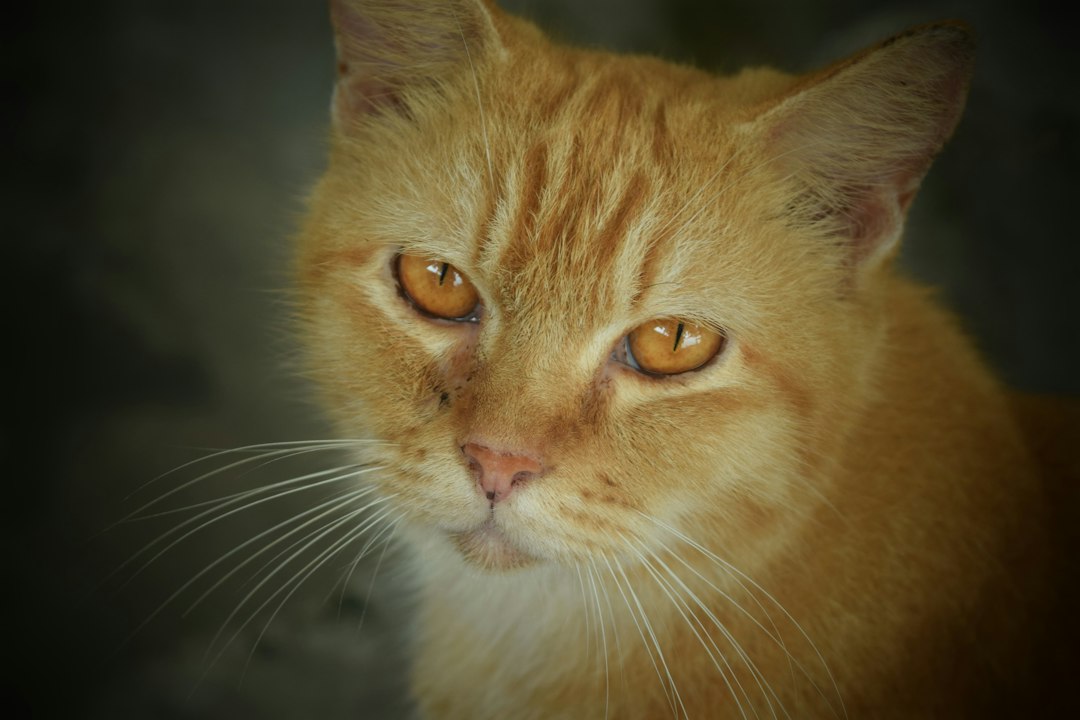
The world of feline genetics is a fascinating and often complex tapestry, woven with threads of inheritance, mutation, and the ever-present mystery of why things are the way they are. Among the myriad coat color patterns and genetic expressions in domestic cats, few are as readily recognizable and as consistently observed as the prevalence of male individuals within the orange tabby population. While it might seem a simple observation, the reasons behind this phenomenon are rooted in the intricate dance of chromosomes and the specific genes that dictate fur coloration.
Unraveling the Chromosomal Code of Orange
The explanation for the disproportionate number of male orange cats lies in the fundamental biological differences between male and female mammals: the sex chromosomes. In most mammals, including cats, females possess two X chromosomes (XX), while males have one X and one Y chromosome (XY). These sex chromosomes carry genes that influence a multitude of traits, and crucially for our discussion, they also carry genes that determine coat color.
The gene responsible for the orange coloration, often referred to as the “O” gene or the agouti signaling protein (ASIP) gene locus, is located specifically on the X chromosome. This gene acts as a switch, controlling the production of pheomelanin, the pigment responsible for red and yellow hues in fur. The alternative allele, “o,” does not produce this orange pigment. Therefore, an individual’s combination of X chromosomes dictates whether they will be orange.
The XX Dilemma for Females
For a female cat to display the classic orange tabby pattern, she needs to inherit the orange gene from both her mother and her father. Since females have two X chromosomes, they can have one of three genotypes related to the orange gene: OO (homozygous for orange), Oo (heterozygous, carrying both orange and non-orange alleles), or oo (homozygous for non-orange). A female with the OO genotype will be a vibrant orange tabby. A female with the oo genotype will not be orange. However, it’s the heterozygous Oo genotype that introduces an interesting wrinkle. In females with this genotype, a process called X-chromosome inactivation occurs. This is a random event in which one of the two X chromosomes in each cell is silenced or inactivated. Consequently, in some cells, the X chromosome carrying the orange allele will be active, producing orange pigment, while in others, the X chromosome carrying the non-orange allele will be active, producing other colors like black or brown. This mosaic effect is what gives rise to the characteristic patches and brindling of tortoiseshell and calico cats, where patches of orange and black (or other colors) are distinctly visible. While some tortoiseshell cats might have large areas of orange, the true, solid orange tabby pattern is less common in females because it requires two “O” alleles.
The XY Advantage for Males
Male cats, with their XY chromosomal makeup, have a much simpler genetic equation when it comes to expressing the orange gene. Since they only have one X chromosome, they only need to inherit the orange allele (O) on that single X chromosome to display the orange tabby pattern. Their Y chromosome does not carry a gene for coat color in this context. Therefore, any male cat inheriting an X chromosome with the “O” allele will be orange. This means that the inheritance of the orange gene from their mother is the sole determinant of their orange coloration. If the mother carries the orange gene on her X chromosome, there is a 50% chance that her male offspring will inherit that X chromosome and thus be orange. This fundamental difference in sex chromosome composition creates a significant statistical advantage for males to express the orange phenotype.
Many cat enthusiasts have often wondered why a significant majority of orange cats are male. This intriguing phenomenon can be attributed to the genetics of coat color in felines, particularly the X chromosome’s role in determining orange pigmentation. For a deeper understanding of this topic, you can explore the article on the science behind cat coloration and genetics at Freaky Science.
The Genetics of the Tabby Pattern
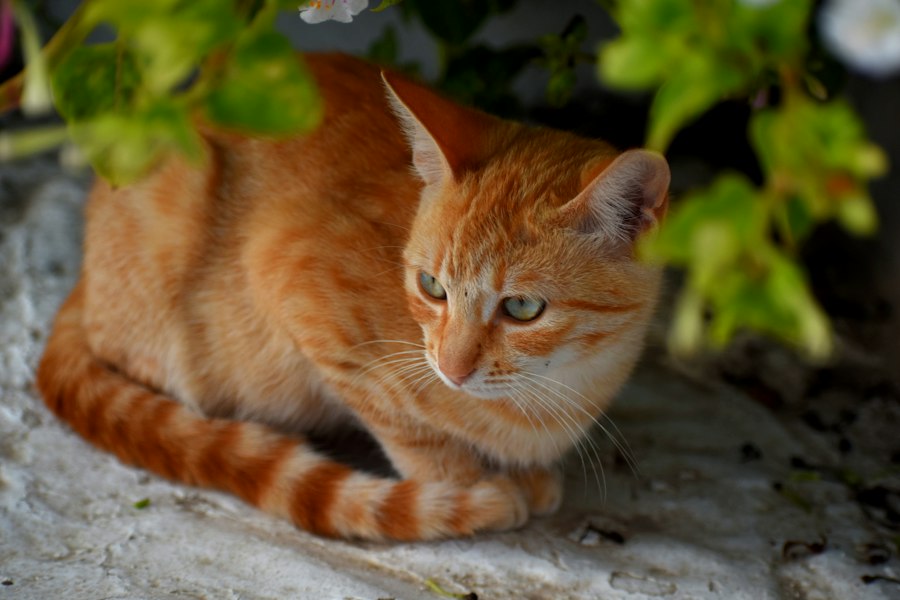
It is important to clarify that the question of male dominance in orange cats refers specifically to the color orange, not the tabby pattern itself. The tabby pattern, characterized by stripes, swirls, and spots, is controlled by different genes, most notably the agouti gene (ASIP) and the tabby pattern locus (tabby gene, TA). The agouti gene regulates the distribution of pigment within individual hairs, creating the banded appearance characteristic of tabby coats. The tabby gene locus, on the other hand, determines the specific pattern of markings – classic (blotched), mackerel (striped), spotted, or ticked.
The orange coloration is a pigment type, while the tabby pattern is a distribution of that pigment. Orange cats are almost invariably tabbies because the genes that control tabby patterns interact with the orange pigment. Even if an orange cat has very faint tabby markings, the underlying genetic predisposition for the tabby pattern is present. This is why it is rare to see a solid, non-patterned orange cat. The orange gene dictates the production of pheomelanin, and the tabby genes then dictate how that pheomelanin is expressed in a pattern. The common understanding of “orange cat” usually implies an orange tabby, and it is within this combined phenotype that the male dominance is most striking.
The Role of the Agouti Gene
The agouti gene plays a crucial role in determining whether a cat’s coat will display tabby markings or be solid. The dominant allele for the agouti gene (A) allows for the expression of tabby patterns. The recessive allele (a) results in a solid coat color, masking the tabby markings. In orange cats, the pheomelanin pigment is produced, and the agouti gene allows for the banding of this pigment along the hair shaft, creating the characteristic stripes or swirls of the tabby pattern. If a cat were genetically predisposed to a solid coat (aa genotype), and also carried the orange gene, it might theoretically appear as a solid orange cat. However, the orange gene itself is so strongly linked with the expression of tabby markings that such solid orange cats are exceedingly rare. Thus, the vast majority of orange cats, male or female, will exhibit some form of tabby pattern.
The Tabby Pattern Loci
Beyond the agouti gene, specific genes at the tabby pattern locus (TA) further define the type of tabby marking. These genes are not directly linked to sex chromosomes. Therefore, both male and female cats can inherit any of the tabby patterns – mackerel, classic, spotted, or ticked – independently of their sex. The prevalence of male orange cats is not due to them being more likely to inherit a specific type of tabby pattern, but rather their increased likelihood of being orange in the first place, combined with the fact that orange cats are almost always tabbies.
Beyond Genetics: Environmental and Behavioral Factors
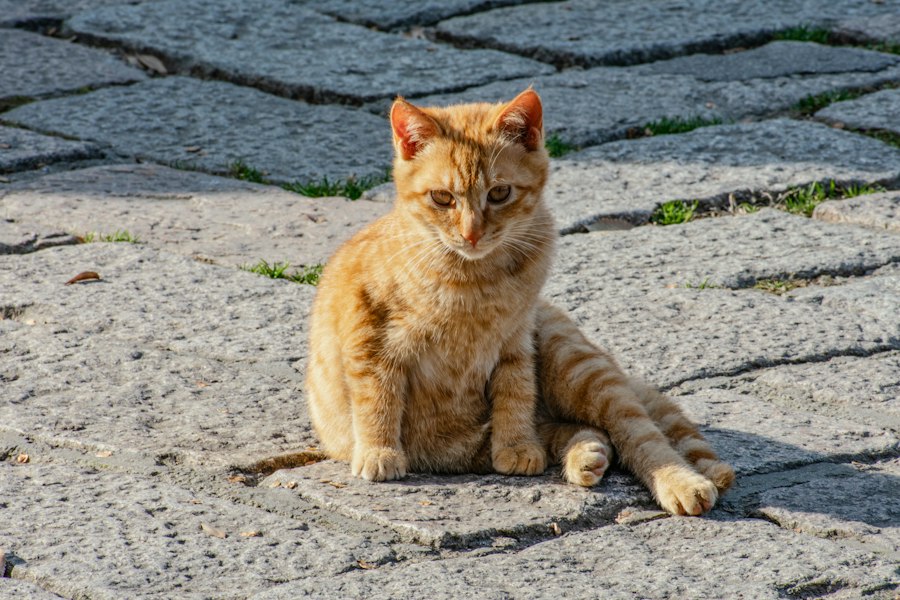
While genetics undeniably form the bedrock of the male dominance in orange cats, it is also worth considering if any other factors might contribute to this observed phenomenon, even if to a lesser extent. While definitive scientific evidence is scarce, some anecdotal observations and theories have been proposed regarding environmental and behavioral influences. These are, of course, secondary to the primary genetic driver.
Maternal Influence and Litter Size
One speculative line of thought considers potential maternal influences or differences in litter dynamics. While not a direct genetic mechanism for sex determination, some researchers have explored whether there might be subtle variations in the uterine environment or resource allocation that could, in extremely rare instances, favor the development of one sex over another within a litter of a particular genetic makeup. However, this is highly speculative and lacks strong empirical support in the context of orange cat prevalence.
Similarly, considerations around litter size and sex ratios within litters have been explored in animal populations. While not specific to orange cats, some studies suggest that in certain species, resource availability or stress levels can subtly influence the sex ratio of offspring. It is conceivable, though not proven, that such factors could create minor fluctuations in the observed numbers of male versus female orange cats over large populations. These are, however, unlikely to be the primary drivers of the significant male skew.
Social Dynamics and Perception
Another area of exploration, though purely observational and not scientifically rigorous, relates to how humans perceive and interact with cats. It is possible that the striking and easily identifiable nature of orange tabby cats, coupled with their often bold and friendly personalities (which are also anecdotally associated with orange cats), leads to them being more readily noticed, adopted, and thus, reported in observational studies. If male orange cats, perhaps due to perceived temperament or simply their greater numbers, are more likely to be kept as pets, this could inadvertently create a feedback loop in observational data. This is a sociological rather than a biological factor, but it might play a minor role in how we perceive the prevalence.
The Calico Conundrum: A Female-Dominated Counterpart
To further solidify the understanding of sex-linked inheritance in feline coat color, it is instructive to examine the inverse phenomenon: the rarity of male calico or tortoiseshell cats. The genetic basis for calico and tortoiseshell patterns is intrinsically linked to the same X-chromosome inactivation process that affects heterozygous orange females.
Calico cats are characterized by distinct patches of three colors: white, black (or variations like blue or chocolate), and orange (or cream). Tortoiseshell cats have a mottled or brindled mix of black and orange. Both patterns arise from the heterozygous state for the orange gene (Oo) in females. As discussed earlier, the random inactivation of one X chromosome in each cell leads to a mosaic expression of the colors.
The XX Requirement for Multi-Color Patches
For a cat to display these multi-colored patches, it requires the presence of both the gene for orange color (O) and the gene for non-orange color (o) to be expressed simultaneously in different cells. Since the orange gene is on the X chromosome, this means that a cat needs at least two X chromosomes to achieve this differential expression. Females, with their XX chromosomes, are perfectly equipped for this. If they are heterozygous (Oo), then X-inactivation will result in the distinct patches of color.
The XY Barrier for Males
Males, with their XY chromosomes, typically have only one X chromosome. If this X chromosome carries the orange allele (O), they will be orange. If it carries the non-orange allele (o), they will be some other color (black, grey, etc.). For a male to be calico or tortoiseshell, he would need to possess both an orange-producing X chromosome and a non-orange-producing X chromosome, while still maintaining male XY sex chromosomes. This is a rare genetic anomaly known as Klinefelter syndrome in cats (XXY). In these rare XXY male cats, one X chromosome can carry the orange gene, and the other X chromosome can carry a different color gene, leading to the expression of both colors and thus, a male calico or tortoiseshell. However, these XXY males are often sterile and significantly less common than typical XY males or XX females. The prevalence of these conditions is so low that male calicos and tortoiseshells are exceptionally rare, highlighting the direct link between X chromosomes and these color patterns.
Many cat enthusiasts often wonder why a significant number of orange cats are male, and this phenomenon can be attributed to genetics. The gene responsible for the orange coat color is located on the X chromosome, which means that male cats, having only one X chromosome, are more likely to express this color. In contrast, female cats have two X chromosomes, making it less common for them to be orange. For a deeper understanding of this intriguing topic, you can read more in this related article that explores the genetics behind cat coat colors.
Practical Implications and Breeding Considerations
| Metric | Value | Explanation |
|---|---|---|
| Percentage of Orange Cats that are Male | 80% | Most orange cats are male due to genetic factors linked to the X chromosome. |
| Percentage of Orange Cats that are Female | 20% | Females require two copies of the orange gene, making orange females less common. |
| Gene Responsible for Orange Color | O (Orange) gene | Located on the X chromosome, it controls the production of orange pigment. |
| Chromosome Inheritance Pattern | X-linked | Males (XY) need only one copy of the O gene to be orange; females (XX) need two. |
| Probability of Male Cat Being Orange | ~50% | Since males have one X chromosome, if it carries the O gene, the cat is orange. |
| Probability of Female Cat Being Orange | ~25% | Females must inherit the O gene from both parents to be orange. |
The understanding of the genetic basis for orange cat coloration has practical implications for cat breeders and enthusiasts alike. Knowing that the gene for orange is X-linked allows for predictable breeding outcomes, though with certain limitations.
Breeding Strategies for Orange Cats
When breeding for orange kittens, breeders understand that the mother must carry the gene for orange. If the mother is an orange tabby (genotype OO), all her offspring will inherit an orange-determining X chromosome. Her male offspring (XY) will be orange. Her female offspring (XX) will also inherit the orange X chromosome from their mother. If the father is also orange, then all female kittens will be orange (OO). If the father is not orange, then female kittens will be heterozygous (Oo) and will likely be tortoiseshell or calico due to X-chromosome inactivation.
If the mother is a tortoiseshell or calico (heterozygous Oo), she has a 50% chance of passing on the orange X chromosome to any kitten. Therefore, she has a 50% chance of producing orange male kittens and a 25% chance of producing orange female kittens (if the father also contributes an orange X chromosome, which is only possible if the father is orange). Conversely, she has a 50% chance of producing non-orange male kittens and a 25% chance of producing non-orange female kittens. The father’s genetic contribution is crucial for determining the sex and color of female offspring.
Misconceptions and Myths
Despite the clear genetic explanation, several myths and misconceptions persist around orange cats. One common myth is that orange cats are inherently more friendly or docile than other cats. While many orange cats do exhibit friendly personalities, this is likely a result of the genetic predisposition for orange color being linked to genes that also influence temperament. However, temperament is a complex trait influenced by a multitude of genes and environmental factors, so it’s not solely dictated by the orange gene. Another myth suggests that orange cats are somehow more intelligent, a claim that lacks any scientific basis. The beauty of their coloration is often the most striking and memorable aspect, leading to strong associations that can foster such beliefs. The reality remains that genetics, specifically the location of the orange gene on the X chromosome, is the most significant factor behind the overwhelming majority of orange cats being male. The intricate interplay of chromosomes, genes, and biological processes paints a clear, albeit complex, picture of this enduring feline mystery.
Which Cat Color Lives Longest? The Research Has a Twist
FAQs
1. Are most orange cats male?
Yes, the majority of orange cats are male. It is estimated that around 80% of orange cats are male.
2. Why are most orange cats male?
The orange color in cats is linked to the X chromosome. Male cats have only one X chromosome, so if they inherit the orange gene, they will display the orange color. Female cats, on the other hand, need two copies of the orange gene to be orange, making them less common.
3. Can female cats be orange?
Yes, female cats can be orange, but it is less common. Female cats need to inherit the orange gene from both parents to display the orange color, while male cats only need one copy of the gene.
4. Are all male orange cats sterile?
No, not all male orange cats are sterile. The orange color gene is not linked to sterility in cats. Sterility in male cats can be influenced by other factors, such as genetics or health issues.
5. Are there any health differences between male and female orange cats?
There are no specific health differences between male and female orange cats solely based on their color. Health issues in cats can be influenced by various factors, including genetics, environment, and individual health conditions.