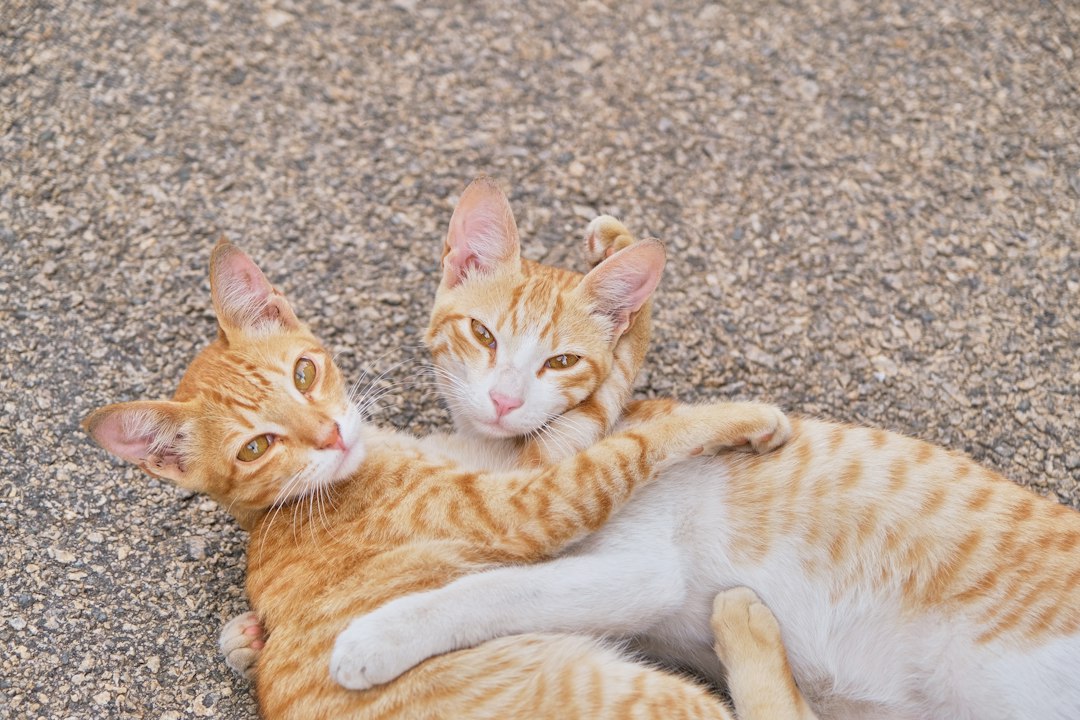
The Whispers of Orange Fur: Unraveling the Gender Imbalance in Ginger Felines
The world of domestic cats is a tapestry woven with a thousand colors, patterns, and personalities. Among these, the ginger tabby, with its characteristic swirls and stripes of orange, ginger, and cream, holds a special place in many hearts. However, lurking beneath the universally beloved aesthetic of the orange cat is a fascinating, and often surprising, biological reality: a significant gender bias. While people of all genders enjoy the companionship of these fiery felines, the very genetic blueprint that dictates their stunning coloration leans overwhelmingly towards one sex. This article will delve into the scientific underpinnings of this phenomenon, exploring the genetics at play, the historical and anecdotal observations that have long hinted at this imbalance, and the implications for both cat lovers and those who study feline populations.
The Genetic Dance of Calico and Orange
At the heart of the orange cat’s gender leanings lies a fundamental principle of genetics: the role of sex chromosomes. In mammals, including cats, sex is determined by a pair of chromosomes, XX for females and XY for males. The gene responsible for orange coloration, often referred to as the “O” gene, is located on the X chromosome. This seemingly simple chromosomal location has profound consequences for how orange fur color is expressed.
The X-Linked Inheritance of Orange Pigmentation
The O gene acts as a switch that determines whether a cat produces the orange pigment (pheomelanin). Crucially, there are two alleles for this gene: O (dominant) and o (recessive). When the O allele is present, it leads to the production of orange pigment. When the o allele is present, it allows for the expression of other colors, such as black or brown.
For a male cat, the genetic equation is straightforward. He has one X chromosome and one Y chromosome (XY). If his single X chromosome carries the O allele, he will be orange, regardless of the Y chromosome. If his X chromosome carries the o allele, he will not be orange (he will be black, brown, or a dilute version of these). Therefore, a male cat needs only one copy of the O allele to be orange.
Females, on the other hand, have two X chromosomes (XX). To be fully orange, a female cat must have the O allele on both of her X chromosomes. This means she must inherit an O allele from her mother and an O allele from her father. Her genotype for orange color would be OO. If she inherits one O allele and one o allele (Oo), she will be a mosaic of colors. This is because, in female mammals, one of the X chromosomes in each cell is randomly inactivated early in development. This process, known as X-inactivation or lyonization, ensures that females have the same amount of genetic material from their X chromosomes as males. In a heterozygous female (Oo), some cells will express the orange allele (O), leading to orange patches, while other cells will express the non-orange allele (o), leading to patches of black, brown, or cream. This is the genetic basis for calico and tortoiseshell patterns, which are almost exclusively found in females.
Why the Skew? Probability and Chromosomal Makeup
The disparity in the probability of expressing orange fur becomes clear when considering the genotypes. For males, inheriting an O allele on their single X chromosome is a matter of chance, with approximately a 50% probability if the mother carries at least one O allele. For females, however, to be only orange, both X chromosomes must carry the O allele (OO). This requires inheriting an O from both parents, a less probable event. The overwhelming majority of females with at least one O allele will be heterozygous (Oo) and thus display the characteristic patches of calico or tortoiseshell.
This genetic mechanism directly explains why the vast majority of cats identified as “orange” are male. A male cat with the genotype XO (where X carries the O allele) will be orange. A female cat with the genotype XO will be calico or tortoiseshell, displaying patches of orange alongside other colors. Only a female with the genotype OO will be uniformly orange. This genetic reality dictates that roughly 80% of orange cats are male, with only about 20% being female.
Recent studies have suggested that orange cats are more likely to be male, a phenomenon attributed to the genetics of coat color. For those interested in exploring this topic further, you can read a related article that delves into the science behind cat coloration and gender. Check it out here: Freaky Science.
Anecdotal Evidence and Historical Observations
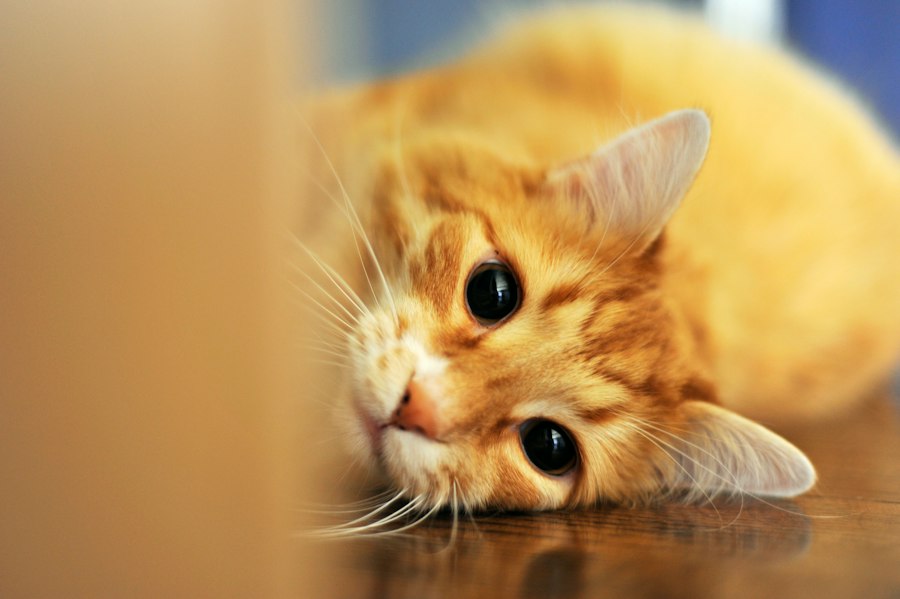
Long before the intricacies of X-linked inheritance were fully understood, cat fanciers and casual observers alike noted the prevalence of ginger males. These observations, though not backed by rigorous scientific study, formed a consistent pattern that fueled curiosity about the phenomenon.
The “Ginger Tom” Trope
The archetypal “ginger tom” is a familiar figure in literature, folklore, and everyday life. This common trope reflects a deeply ingrained understanding that orange cats are predominantly male. From the mischievous alley cat to the regal house panther with a fiery coat, the association of ginger with masculinity has been a persistent cultural narrative. This anecdotal evidence, while not scientific proof, serves as a testament to the noticeable gender imbalance in the feline population.
Early Cat Breeding and Documentation
While formal genetic studies are relatively recent, early records of cat breeding and descriptions of feline coat colors often hinted at this disproportion. Enthusiasts and veterinarians would have observed the sex of their ginger cats, noting the consistent skew. These informal records, passed down through generations of cat lovers and passed through the grapevine, contributed to the widespread understanding that orange cats are a predominantly male phenomenon. The sheer volume of male orange cats encountered by humans over centuries would have naturally led to this conclusion, even without detailed genetic analysis.
Beyond the Orange: Related Coat Patterns
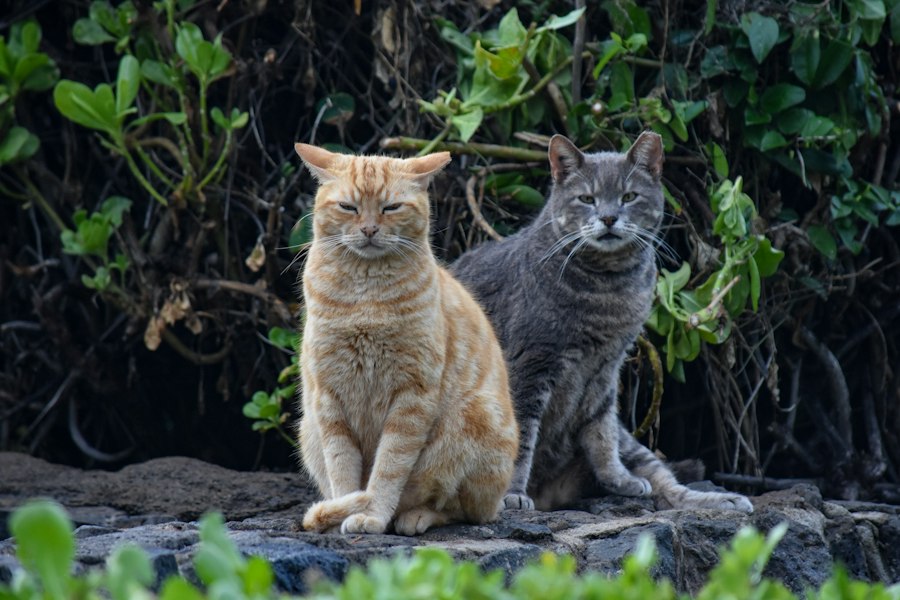
The gene responsible for orange coloration is not an isolated entity. Its interaction with other genes influences a spectrum of feline coat patterns, and understanding these relationships further illuminates the gender bias.
The Role of the Agouti Gene and Tabby Patterns
The characteristic stripes, swirls, and spots of tabby cats are not caused by the orange gene itself, but by the presence of the agouti gene. The agouti gene controls the production of pigment banding on individual hairs. In tabby cats, the agouti gene allows for the expression of the tabby pattern, which is superimposed on whatever base color the cat has. So, an orange cat is essentially an orange tabby. The same genetic principles of X-linked inheritance apply to the orange pigment. The tabby pattern is more of a modifier, influencing how the orange pigment is displayed, rather than dictating its presence or absence, which is the primary role of the O gene.
Calico and Tortoiseshell: A Female Domain
As previously discussed, calico and tortoiseshell cats are almost exclusively female. This is a direct consequence of X-inactivation. The gene for orange color (O) and the gene for non-orange color (o) are on the X chromosome. For a female to have patches of both orange and black/brown, she must have one X chromosome carrying the O allele and another X chromosome carrying the o allele (genotype Oo). Random X-inactivation in different cells leads to the mosaic pattern. Since males have only one X chromosome, they can only express one of these alleles at a time, meaning they are either orange (XO) or non-orange (XO, where X carries the o allele). This genetic constraint makes the appearance of calico and tortoiseshell patterns in males an exceedingly rare occurrence, typically due to a genetic anomaly such as Klinefelter syndrome (XXY).
Implications for Cat Care and Breeding
The genetic predisposition of orange cats has practical implications for those who care for them and those involved in selective breeding. Understanding this bias can inform expectations, aid in genetic counseling for breeders, and even contribute to broader studies of feline genetics.
The Rarity of Female Orange Cats
The understanding that only about 20% of orange cats are female is crucial for potential owners. If someone specifically desires an orange female cat, they may face a longer search or a greater challenge in finding one compared to finding an orange male. Conversely, those who are not particularly focused on the color of their cat but appreciate the warm personality often associated with orange felines will find a much larger pool of males available. This statistical reality is important for setting realistic expectations and avoiding disappointment.
Considerations for Fanciers and Breeders
For dedicated cat breeders, the genetic principles governing orange coloration are a significant factor. Breeding for orange cats often involves careful selection of parent cats to maximize the chances of producing orange offspring. Understanding that the genetics for solid orange are OO in females means that both parents must contribute an O allele. If breeders are aiming for orange females, they will need to strategically pair cats that have the potential to pass on the O allele. Conversely, if they are focused on producing orange males, the genetic requirements are less stringent, as only the mother needs to carry at least one O allele on her X chromosome. This knowledge is essential for efficient and successful breeding programs aimed at specific coat colors.
Potential for Genetic Studies and Conservation
The pronounced gender bias in orange cats provides a readily observable genetic marker. This can be a valuable tool for researchers studying X-linked traits in felines. For instance, studies on the inheritance patterns of other X-linked genetic conditions might use the prevalence of orange males as a point of reference or comparison. Furthermore, in cat populations where genetic diversity is a concern, understanding the distribution of coat colors and their associated genetic mechanisms can provide insights into population health and potential genetic bottlenecks. While not a direct conservation issue for domestic cats, the study of such pronounced genetic biases in any species can contribute to our broader understanding of evolutionary processes and genetic inheritance.
Recent studies have shown that orange cats are indeed more likely to be male, a phenomenon that has intrigued cat lovers and scientists alike. For those interested in exploring this topic further, you might find the article on feline genetics particularly enlightening. It delves into the reasons behind the color distribution in cats and how genetics play a crucial role in determining their coat color. You can read more about it in this fascinating article.
Beyond the Stereotypes: Personality and Orange Cats
| Metric | Value | Notes |
|---|---|---|
| Percentage of Orange Cats that are Male | 80% | Orange coat color is linked to the X chromosome, making males more likely to be orange |
| Percentage of Orange Cats that are Female | 20% | Females require two copies of the orange gene to be orange |
| General Male Cat Population | ~50% | Typical sex ratio in cats |
| General Female Cat Population | ~50% | Typical sex ratio in cats |
| Genetic Reason | X-linked Orange Gene | Males (XY) need only one copy; females (XX) need two copies |
While the focus has been on the genetics of color, it’s worth briefly touching upon the enduring stereotype that orange cats possess a particular temperament. Though not scientifically proven to be a direct consequence of their fur color, the association is strong and widespread.
The “Orange Cat Personality” Myth and Reality
Many cat owners describe orange cats as being particularly friendly, outgoing, affectionate, and even a bit goofy. This anecdotal evidence has led to a widespread belief in a distinct “orange cat personality.” While it’s possible that certain genetic factors contributing to orange coloration might also subtly influence behavior, it is far more likely that these perceived personality traits are a result of a complex interplay of genetics, early socialization, and individual experiences. The sheer number of orange cats encountered by humans, combined with the fact that many orange cats are males (and males in many species can exhibit different behavioral tendencies), could also contribute to these perceived personality differences. Ultimately, while the charm of the ginger feline is undeniable, their individual personalities are as varied as their magnificent coats.
The Enduring Appeal of the Ginger Feline
Regardless of their gender or the scientific explanations behind their coloration, orange cats continue to capture the hearts of people worldwide. Their warm hues and often striking tabby markings make them visually appealing, while the persistent anecdotal evidence of their amiable nature adds to their allure. The gender bias, far from diminishing their appeal, adds a layer of fascinating biological intrigue to these beloved companions. The next time a ginger cat crosses your path, take a moment to appreciate the intricate dance of genetics that has painted their fur, and perhaps even ponder the likelihood of their gender. Whether male or female, the orange cat remains a symbol of warmth, sunshine, and the captivating mysteries of the feline world.
Which Cat Color Lives Longest? The Research Has a Twist
FAQs
1. Are orange cats more likely to be male?
Yes, statistically speaking, orange cats are more likely to be male. Approximately 80% of orange cats are male.
2. What is the reason behind the higher percentage of male orange cats?
The gene responsible for the orange color in cats is located on the X chromosome. Male cats only have one X chromosome, so if they inherit the orange gene, they will be orange. Female cats, on the other hand, need two copies of the orange gene to be orange.
3. Are there female orange cats?
Yes, there are female orange cats, but they are less common compared to male orange cats. Female orange cats typically have two X chromosomes with the orange gene on both.
4. Do orange cats have a specific breed or genetic background?
Orange cats can come from various breeds and genetic backgrounds. The orange color is a result of a specific gene, not a specific breed.
5. Are there any personality traits associated with orange cats?
While there is no scientific evidence to support specific personality traits based on coat color, some people believe that orange cats tend to be more outgoing, friendly, and social. However, each cat is an individual with its own unique personality.