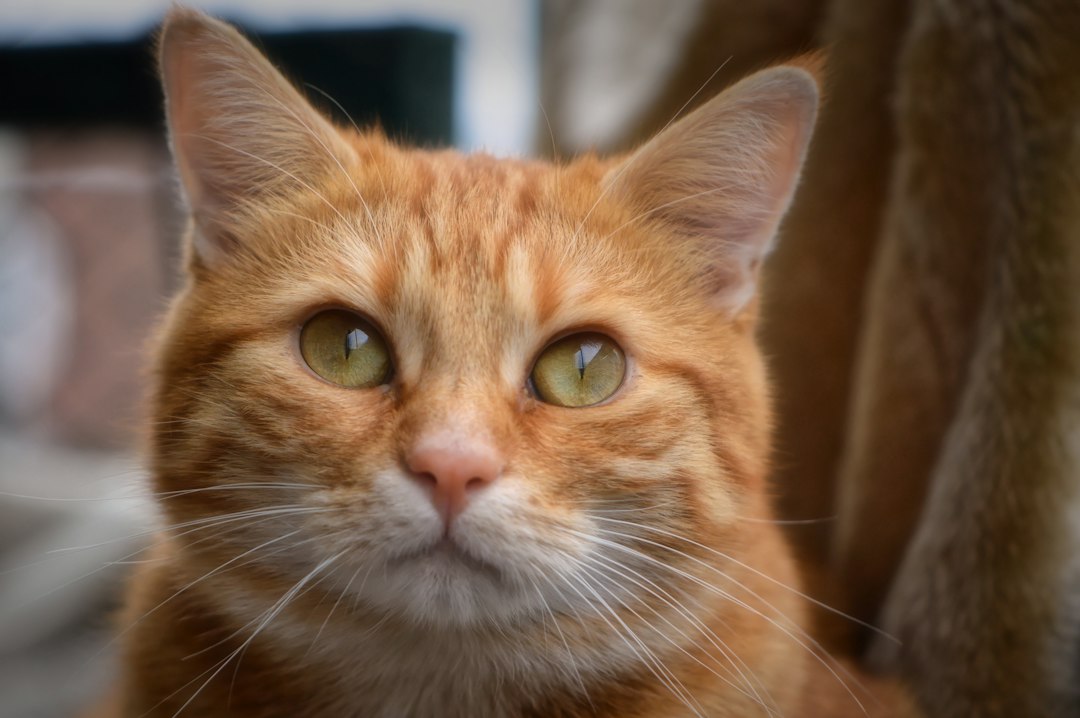
Understanding the Orange Cat’s Golden Years: An Exploration of Lifespan
The allure of the orange cat is undeniable. With their vibrant coats, often sun-kissed and warm, and their famously amiable personalities, these felines have captured the hearts of many. But beyond their charming demeanor and striking appearance lies a question that often sparks curiosity among their devoted owners: how long do orange cats typically live? While the allure of a long, healthy life is a universal desire for any pet parent, the lifespan of an orange cat, like that of any animal, is a complex interplay of genetics, environment, and care. This article delves into the factors that influence the longevity of these ginger companions, exploring the nuances of their health, the impact of their lifestyle, and what owners can do to help their orange tabby enjoy as many golden years as possible.
The perception of orange cats as particularly long-lived is a common one, often anecdotal and rooted in stories of beloved pets reaching impressive ages. While there isn’t a definitive scientific study exclusively dedicated to the lifespan of orange cats as a distinct breed (as “orange” is a coat color, not a breed itself), general feline longevity data can provide valuable insights. Understanding these broader trends, and then considering specific factors that might influence the health and longevity of any cat, including those with orange fur, is crucial. The journey of an orange cat from kittenhood to its senior years is a testament to the bond between humans and animals, a journey best navigated with knowledge and dedication to their well-being.
If you’re curious about the lifespan of orange cats and want to learn more about their health and care, you might find this article helpful: How Long Do Orange Cats Live?. It provides insights into the factors that can influence their longevity, including genetics, diet, and lifestyle. Understanding these aspects can help you ensure a longer, healthier life for your feline friend.
Genetic Predispositions and Their Impact on Longevity
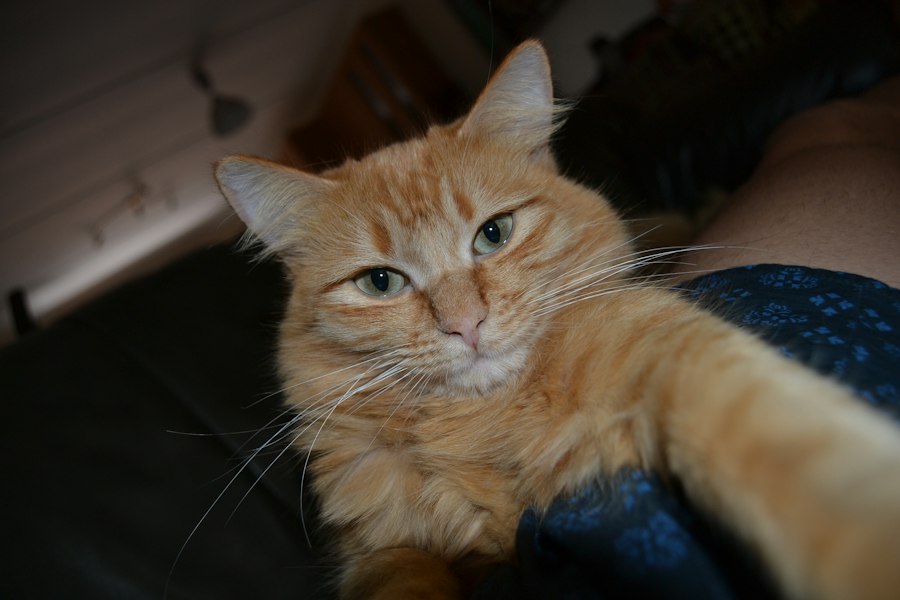
While the “orange cat” is not a breed, the genetic makeup that dictates coat color can sometimes be linked to other traits, though this is more speculative than scientifically proven for lifespan. The gene responsible for the orange color is the “O” gene, which is sex-linked. This means it is located on the X chromosome. As a result, orange cats are predominantly male (XXY genotype). This genetic linkage itself doesn’t directly determine lifespan, but it’s a fascinating aspect of their biology.
The Color Gene and Its Broader Influence
The gene that produces the orange pigment (pheomelanin) is also responsible for tabby patterns. Therefore, most orange cats are also tabbies. This genetic link means that the same genes influencing coat color might, in some indirect ways, play a role in overall health and resilience. However, the primary drivers of lifespan in any cat, regardless of color, are far more significant. These include the absence of breed-specific genetic disorders that might predispose certain breeds to premature health issues. For instance, if a specific breed known for its orange coloration also happens to be prone to heart conditions, then that breed’s average lifespan might be lower. However, since orange is a common color across many breeds and mixed breeds, it’s difficult to isolate a direct genetic lifespan impact solely based on the presence of orange fur.
Inherited Health Conditions and Their Detection
More impactful than the color gene itself are inherited health conditions that can be present in any cat population. While not exclusively tied to orange cats, certain genetic predispositions can shorten a feline’s life. Responsible breeding practices, where known genetic health issues are screened for and minimized, are crucial for all cats, including those with orange coats. This involves ensuring that parent cats are healthy and free from debilitating hereditary diseases. For owners adopting an orange cat, understanding their lineage, if possible, can offer clues about potential inherited health concerns. Regular veterinary check-ups are paramount in detecting and managing any developing health issues early, thus potentially extending a cat’s life. This proactive approach to health, rather than focusing on the color of the fur, is the most effective way to ensure a long and healthy life.
Environmental Factors Shaping an Orange Cat’s Life Expectancy
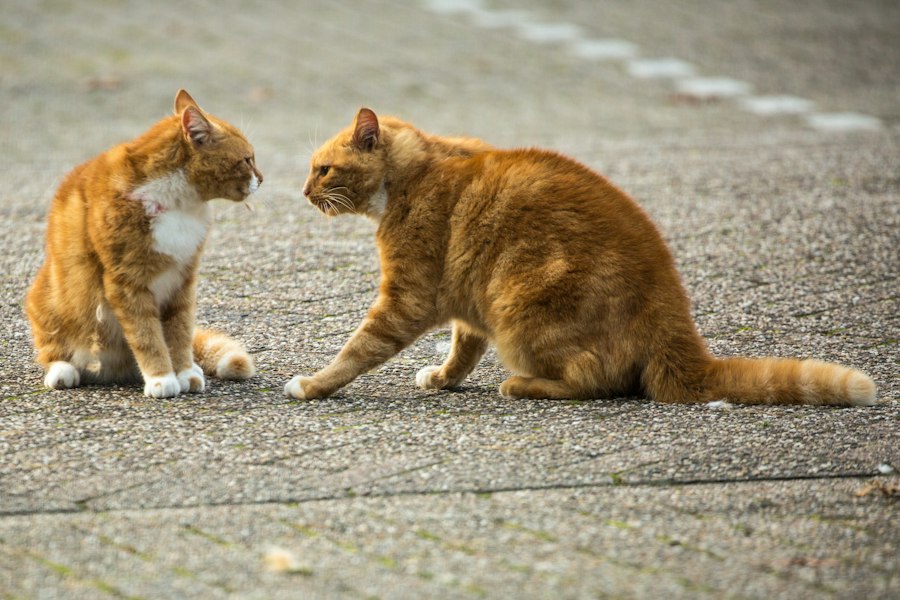
The environment in which an orange cat lives plays a pivotal role in determining how long it will thrive. From the safety of its surroundings to the quality of its diet and the extent of its social and physical stimulation, these external factors contribute significantly to its overall well-being and, consequently, its lifespan. An environment that is safe, enriching, and supportive can help an orange cat reach its full potential for longevity.
Indoor vs. Outdoor Living: A Crucial Distinction
The debate over whether cats should be indoor or outdoor pets is ongoing, but when it comes to lifespan, the evidence strongly favors indoor living. Outdoor cats face a multitude of dangers that indoor cats are largely shielded from. These include traffic accidents, attacks from other animals (dogs, coyotes, or even other cats), exposure to diseases transmitted by wildlife or stray animals, and the risk of ingesting poisons or harmful substances. Parasites, such as fleas, ticks, and worms, are also more prevalent in outdoor environments. While outdoor access can offer cats opportunities for exercise and natural behaviors, the increased risks are undeniable. An indoor lifestyle, when properly managed with environmental enrichment, can significantly extend an orange cat’s life.
The Risks and Realities of an Outdoor Existence
An outdoor cat’s life is inherently more precarious. The vastness of their territory exposes them to unpredictable encounters and environmental hazards. Fights with other cats can lead to serious injuries, including abscesses and the transmission of feline immunodeficiency virus (FIV) and feline leukemia virus (FeLV). The thrill of the hunt can also be a double-edged sword; while cats are natural predators, their prey can carry diseases or parasites. The temptation of unattended garbage cans or accessible chemicals can lead to accidental poisoning. Even seemingly benign elements of the outdoor world, like thorns or sharp objects, can cause injuries that, if left untreated, can become life-threatening. For these reasons, an outdoor cat’s average lifespan is often considerably shorter than that of its indoor counterpart.
Creating a Stimulating and Safe Indoor Haven
For an indoor orange cat, the key to a long and fulfilling life lies in creating an environment that meets its physical and psychological needs. This means providing ample opportunities for play and exercise to prevent obesity, a common health issue that can lead to various ailments, including diabetes and arthritis. Vertical space, such as cat trees and shelves, is essential for cats to climb, perch, and survey their surroundings, fulfilling their natural instincts. Interactive toys, puzzle feeders, and regular play sessions with their humans are vital for mental stimulation and preventing boredom, which can lead to behavioral problems like overgrooming or destructive tendencies. A safe indoor environment also means ensuring windows and doors are secure, and that any potentially toxic houseplants or cleaning products are kept out of reach. By making the indoor world an exciting and secure place, owners can significantly contribute to their orange cat’s longevity and quality of life.
Nutrition and Hydration: Fueling a Long and Healthy Life
The adage “you are what you eat” holds true for our feline companions. A balanced and appropriate diet, coupled with consistent hydration, forms the bedrock of good health and is a critical factor in determining an orange cat’s lifespan. Poor nutrition can lead to a weakened immune system, obesity, and a host of chronic diseases that can significantly shorten a cat’s life.
The Importance of a Species-Appropriate Diet
Cats are obligate carnivores, meaning their bodies are designed to derive nutrients primarily from animal-based protein. A high-quality cat food, whether wet or dry, should have a meat source as the first ingredient and be low in carbohydrates. Wet food is particularly beneficial for hydration, as cats have a naturally low thirst drive. Providing a diet that is rich in essential nutrients, such as taurine (crucial for heart health and vision), omega-3 and omega-6 fatty acids (for skin and coat health), and appropriate levels of vitamins and minerals, is fundamental. Avoid feeding cats table scraps or foods that are not specifically formulated for felines, as these can be indigestible, toxic, or nutritionally deficient. Consulting with a veterinarian to determine the best diet for an individual cat’s age, activity level, and any specific health conditions is always recommended.
Ensuring Adequate Water Intake for Optimal Health
Dehydration can have a profound impact on a cat’s health, contributing to kidney problems and urinary tract issues. Cats often don’t drink enough water, and this can be exacerbated by a dry food diet. Providing fresh, clean water at all times is non-negotiable. Some cats are attracted to moving water, so a pet water fountain can be a worthwhile investment. Placing multiple water bowls in different locations around the house can also encourage drinking. Regularly checking the water level and cleanliness of the bowls is essential. For orange cats, as with all felines, a consistent intake of water is a simple yet incredibly effective measure to support their overall health and longevity.
The Role of Veterinary Care and Health Monitoring
Proactive and regular veterinary care is not merely about treating illnesses; it’s about preventing them and managing existing conditions to maximize a cat’s quality of life and lifespan. For an orange cat, like any beloved pet, a partnership with a veterinarian is instrumental in ensuring they live as long and as healthily as possible.
Regular Health Examinations and Vaccinations
Annual or semi-annual veterinary check-ups are the cornerstone of preventative care. During these visits, a veterinarian will perform a thorough physical examination, checking everything from the cat’s eyes, ears, and teeth to its heart, lungs, and abdomen. They will also assess the cat’s weight, coat condition, and overall demeanor. Vaccinations are crucial for protecting cats against potentially fatal infectious diseases such as rabies, feline distemper, and feline leukemia. While the specific vaccination schedule may vary depending on the cat’s lifestyle and risk factors, staying up-to-date is vital. Early detection of potential health issues during these regular exams can allow for timely intervention, often preventing minor problems from escalating into serious, life-threatening conditions.
Early Detection and Management of Age-Related Diseases
As cats age, they become more susceptible to a range of age-related diseases, including kidney disease, hyperthyroidism, diabetes, arthritis, and various forms of cancer. Orange cats, like all cats, can develop these conditions. However, with regular veterinary care, many of these diseases can be detected in their early stages when they are most treatable. Blood tests, urine analyses, and imaging techniques can help veterinarians identify subtle changes that may indicate underlying health problems. Once a diagnosis is made, a veterinarian can develop a tailored treatment plan, which may include medication, dietary adjustments, or specialized care, to manage the condition and improve the cat’s quality of life. This proactive approach to managing age-related diseases is a key factor in extending an orange cat’s lifespan and ensuring their senior years are as comfortable and enjoyable as possible.
Orange cats, known for their vibrant color and friendly demeanor, typically have a lifespan ranging from 12 to 15 years, although some can live even longer with proper care. Factors such as diet, genetics, and regular veterinary check-ups play a crucial role in their longevity. For those interested in learning more about the health and well-being of pets, you might find this article on pet care practices insightful. It covers various aspects of pet ownership that can contribute to a longer, healthier life for your furry friends. You can read more about it here.
Behavioral Enrichment and Mental Well-being
| Category | Average Lifespan | Notes |
|---|---|---|
| Orange Domestic Cats (Indoor) | 12-16 years | Indoor cats tend to live longer due to fewer risks |
| Orange Domestic Cats (Outdoor) | 5-10 years | Outdoor cats face more dangers such as accidents and diseases |
| Orange Tabby Cats | 13-17 years | Tabby pattern is common in orange cats; lifespan similar to other domestic cats |
| Factors Affecting Lifespan | N/A | Diet, healthcare, genetics, and environment play significant roles |
A cat’s mental state is intrinsically linked to its physical health. A bored, stressed, or unhappy cat is more prone to stress-related illnesses and can exhibit behaviors that negatively impact their overall well-being. For an orange cat, providing consistent behavioral enrichment and fostering good mental health is as important as physical care for a long and fulfilling life.
Stimulating Play and Interactive Sessions
Play is not just for kittens; adult cats of all ages benefit immensely from regular, engaging play sessions. For orange cats, who often possess a curious and energetic nature, interactive toys that mimic prey, such as feather wands or laser pointers (used responsibly to avoid frustration), are excellent for stimulating their hunting instincts. Puzzle feeders that require them to work for their treats can also provide mental stimulation and slow down eating. These activities not only provide much-needed exercise, helping to prevent obesity, but also offer a valuable outlet for pent-up energy and frustration. Regular play sessions also strengthen the bond between a cat and its owner, which contributes to the cat’s emotional security and overall happiness.
Creating a Predictable and Secure Environment
Cats thrive on routine and predictability. A secure and stable environment can significantly reduce stress levels, which in turn can positively impact their physical health. This means maintaining a consistent feeding schedule, providing a designated litter box that is kept clean, and ensuring a safe and comfortable sleeping space. Introducing new pets or making significant changes to the household should be done gradually and with careful consideration for the cat’s adjustment period. Providing a “safe zone” or a retreat where the cat can go to feel secure and undisturbed is also beneficial. For an orange cat, a predictable and loving environment where their needs are consistently met allows them to relax, feel safe, and ultimately, live a longer, healthier life.
The Average Lifespan and Factors Influencing It
When discussing the lifespan of orange cats, it’s important to reiterate that “orange” refers to a coat color, not a breed. Therefore, their lifespan is influenced by the same factors that affect all domestic cats. However, general observations and anecdotal evidence suggest that well-cared-for domestic cats, including those with orange fur, can live for a considerable time.
General Cat Lifespan Statistics
The average lifespan of an indoor domestic cat is generally considered to be between 12 and 18 years. Some cats can live into their early twenties, and in rare cases, even beyond. This broad range is a testament to the diverse genetic makeup and living conditions of cats. An outdoor cat’s lifespan is typically much shorter, often ranging from 2 to 5 years, due to the aforementioned environmental hazards. For an orange cat that enjoys a safe indoor environment, receives proper nutrition, regular veterinary care, and ample enrichment, reaching the higher end of the average lifespan range, or even exceeding it, is very achievable.
Common Health Concerns and Their Impact
As mentioned previously, certain health issues can impact a cat’s longevity. While not exclusive to orange cats, common feline ailments such as obesity, dental disease, kidney disease, hyperthyroidism, and heart conditions can shorten their lives if not managed effectively. The early detection and consistent management of these conditions, as facilitated by regular veterinary check-ups, are crucial. For instance, untreated dental disease can lead to pain, difficulty eating, and systemic infections. Unmanaged kidney disease can progress rapidly, leading to a decline in overall health. By being vigilant about a cat’s health and working closely with a veterinarian, owners can address these concerns proactively and significantly contribute to their orange cat’s well-being and lifespan.
In conclusion, while there is no specific scientific formula for the lifespan of an orange cat, the factors that contribute to their longevity are universal to all feline companions. A combination of good genetics, a safe and enriching environment, a species-appropriate diet, consistent hydration, and proactive veterinary care are the cornerstones of a long and happy life for any cat, including our beloved ginger friends. By understanding and implementing these principles, owners can help ensure their orange cat enjoys many years of purrs, cuddles, and sunbeam naps, truly living out their golden years in comfort and good health. The vibrant personality and charming presence of an orange cat are gifts that, with proper care, can be cherished for a remarkable span of time.