The Allure of the Tuxedo: Debunking the Cat Color and Lifespan Myth
The internet, a vast repository of information and misinformation, often throws up fascinating, albeit frequently unfounded, tidbits of knowledge. One such enduring myth is the perceived correlation between a cat’s coat color and its lifespan. Anecdotal evidence abounds: the black cat that lived to be twenty, the ginger tom that sadly succumbed to illness at a mere seven, the calico queen who graced her humans for a glorious eighteen years. These observations, while emotionally resonant, often lead to a generalized conclusion: that certain colors are inherently linked to longevity or fragility. This article aims to dissect this popular belief, examining the scientific evidence, or lack thereof, that supports or refutes the notion of cat color as a reliable predictor of lifespan. It will explore the biological realities, the role of genetics, and the multitude of other factors that truly influence how long our feline companions grace our lives, ultimately concluding that the vibrant spectrum of feline fur is far more about aesthetic appeal than a crystal ball for their future.
While many cat owners may wonder if the color of their feline friend can predict their lifespan, research suggests that factors such as genetics, diet, and overall health play a far more significant role. For a deeper understanding of this topic, you can explore the article titled “Why Cat Color Cannot Predict Lifespan” available at Freaky Science. This article delves into the various elements that contribute to a cat’s longevity, debunking common myths associated with coat color.
Genetic Threads: Unraveling the Biology of Feline Coloration
The intricate tapestry of a cat’s coat color is a testament to the complex interplay of genetics. Unlike simple pigments, the production and distribution of color in a cat’s fur are dictated by a sophisticated genetic code. This code determines not only the base colors present but also their patterns, dilutions, and even whether they are expressed in males or females. Understanding these fundamental genetic mechanisms is crucial to addressing the myth of color-linked lifespan, as it lays the groundwork for exploring any potential, albeit unlikely, biological pathways that might connect coat color to overall health and longevity.
The Genes Behind the Glow: Pigments and Patterns
At the heart of feline coloration are two primary pigment types: eumelanin and phaeomelanin. Eumelanin is responsible for black and brown shades, while phaeomelanin produces red and yellow hues. The gene that controls the production of eumelanin, known as the B gene, has different alleles that can result in black, brown (chocolate), or cinnamon fur. Similarly, the gene responsible for the expression of phaeomelanin, often referred to as the O gene (for orange), is primarily responsible for the ginger and tortoiseshell patterns.
Beyond these base pigments, other genes dictate how these colors are distributed and modified. The Agouti gene (A gene) controls whether the pigment is expressed in bands along the hair shaft (allowing for tabby patterns) or as a solid color. The Dilution gene (D gene) can lighten black to blue (grey) and brown to lilac, while the Wideband gene (Wb) affects the width of the bands of color in tabby cats.
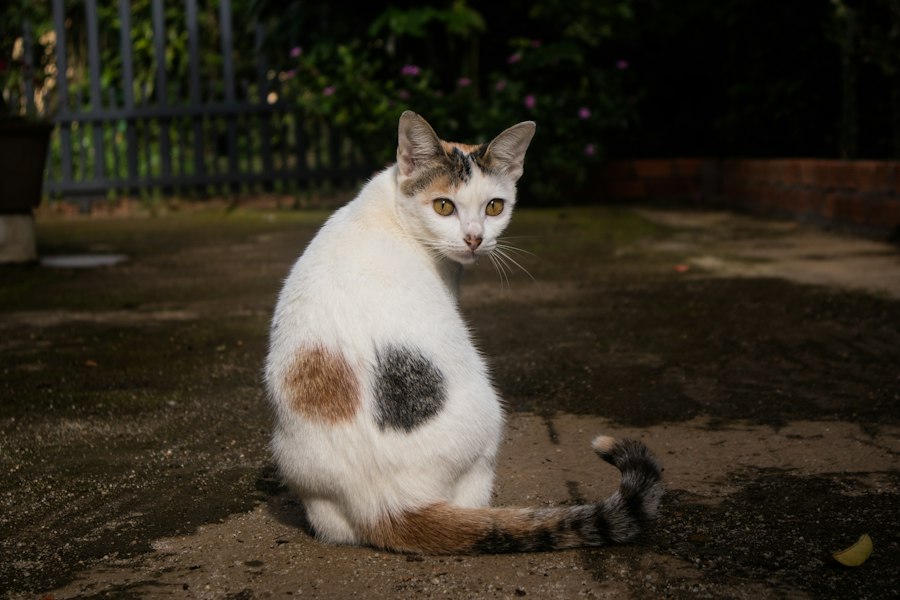
Perhaps the most visually striking examples of genetic influence on color are found in tortoiseshell and calico cats. These patterns are almost exclusively seen in females due to the X chromosome. The gene for orange/non-orange color is located on the X chromosome. Females, with two X chromosomes, can inherit one X with the orange allele and another with the non-orange allele. Through a process called X-inactivation, one of the X chromosomes in each cell is randomly turned off early in development. This mosaic of X-inactivation leads to patches of orange and patches of other colors (black, brown, grey, etc.) in the fur, resulting in the distinctive tortoiseshell or calico appearance. Male cats, with only one X chromosome, are typically either orange or non-orange, with very rare exceptions of XXY chromosomes.
Sex-Linked Coloration and Potential Misconceptions
The sex-linked nature of tortoiseshell and calico coloration, as explained above, can sometimes fuel misconceptions. Because these patterns are so strongly associated with female cats, any perceived trends in their lifespan might be mistakenly attributed to their color rather than their sex. For instance, if a disproportionately large number of perceived “long-lived” cats in a particular anecdotal sample were female calicos, it could lead to the erroneous conclusion that calicos live longer. However, this is simply a reflection of the fact that the majority of cats of this coloration are female. Any statistical analysis comparing the lifespans of different colorations must account for the sex distribution within those color groups.
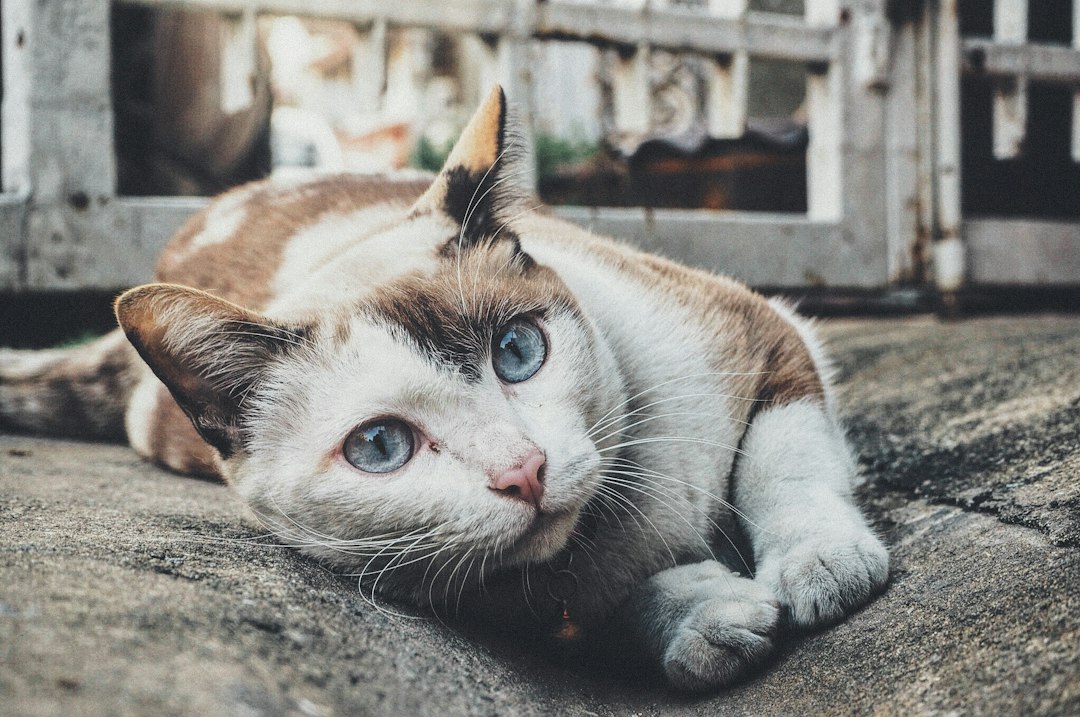
Furthermore, the genetic mechanisms behind certain colorations might, in rare instances, be linked to specific genetic conditions. For example, white cats with blue eyes are more prone to deafness. While this is a physical condition that can impact a cat’s overall well-being and potentially its lifespan, it’s not directly about the color white itself being detrimental, but rather the specific genetic linkage of white fur, blue eyes, and deafness. Similarly, certain rare genetic disorders might be more prevalent in specific breeds or genetic lines, and if a particular color is also a common trait within that breed or line, it could be erroneously linked. However, these are specific genetic anomalies, not broad statements about the inherent lifespan of a color.
Beyond the Hue: Factors Truly Dictating Feline Longevity
While the allure of identifying a lifespan predictor in a cat’s fur color is understandable, the scientific reality paints a different picture. A cat’s journey through life is influenced by a complex web of factors that extend far beyond the pigments in its coat. From the genetic predispositions inherited from its ancestors to the environment it inhabits and the care it receives, each element plays a crucial role in determining its health and longevity. Focusing solely on coat color as a predictive tool overlooks these far more significant determinants.
Genetics and Breed Predispositions: A Deeper Dive
While coat color genetics are fascinating, the broader genetic makeup of a cat, often influenced by its breed or lineage, plays a more significant role in its predisposition to certain health issues and, consequently, its potential lifespan. Certain breeds are known for their susceptibility to specific conditions. For instance, Maine Coons, despite their robust appearance, can be prone to hypertrophic cardiomyopathy (HCM), a heart condition. Siamese cats may have a higher incidence of amyloidosis, a metabolic disorder. Persian cats are often predisposed to polycystic kidney disease (PKD).
These breed-specific genetic predispositions are not linked to their coat color. A black Maine Coon is just as likely to be susceptible to HCM as a red or tabby Maine Coon. The genetic blueprint for health conditions is inherited independently of the genes that determine coat color. Therefore, while a cat’s genetics are undeniably a key factor in its lifespan, it’s the intricate web of genes related to organ function, immune response, and disease susceptibility, rather than the genes dictating fur pigmentation, that holds the true predictive power.
Environmental Influences: The Unseen Architects of Health
The environment in which a cat lives has a profound impact on its health and, by extension, its lifespan. This encompasses a wide range of factors, from the safety and stimulation of its living space to its exposure to pathogens and toxins. An indoor cat, shielded from the dangers of traffic, predators, and certain infectious diseases, generally has a longer lifespan than an outdoor or indoor/outdoor cat.
The quality of the environment also plays a role. A stress-free, enriched environment, with opportunities for play, mental stimulation, and comfortable resting places, contributes to a cat’s overall well-being. Conversely, a chaotic or under-stimulated environment can lead to stress-related health issues, such as urinary tract problems or behavioral disorders, which can indirectly affect a cat’s lifespan.
Exposure to toxins, such as household cleaning products, certain plants, or secondhand smoke, can also have detrimental effects on a cat’s health over time. Similarly, the prevalence of parasites and infectious diseases in a particular environment can significantly influence a cat’s lifespan, especially if preventive measures are not taken. These environmental factors are entirely independent of a cat’s coat color, underscoring the myth’s lack of scientific basis.
The Crucial Role of Veterinary Care and Nutrition
Beyond the inherent genetic makeup and the external environment, the proactive and consistent care provided by humans is arguably the most significant determinant of a cat’s lifespan. This care encompasses two fundamental pillars: regular veterinary attention and a well-balanced, species-appropriate diet. Neglecting these aspects can significantly shorten a cat’s life, regardless of the color of its fur, while diligent attention can help them live longer, healthier lives.
Preventive Medicine: Catching Problems Before They Escalate
The advent of modern veterinary medicine has revolutionized the potential lifespan of our animal companions. Regular veterinary check-ups are not merely for addressing immediate illnesses but are crucial for preventive care. During these visits, veterinarians can:
- Administer vaccinations: Protecting against potentially fatal infectious diseases like rabies, feline leukemia virus (FeLV), and panleukopenia.
- Perform parasite control: Regularly checking for and treating internal parasites (worms) and external parasites (fleas, ticks), which can cause a range of health problems.
- Detect early signs of disease: Many serious conditions, such as kidney disease, diabetes, and certain cancers, can be managed more effectively if detected in their early stages. Regular blood work and physical examinations can help identify subtle changes that might otherwise go unnoticed.
- Provide dental care advice: Dental disease is common in cats and can lead to pain, infection, and even systemic health issues if left untreated.
- Offer behavioral guidance: Addressing behavioral issues can prevent stress-related illnesses and improve a cat’s overall quality of life.
The effectiveness of preventive veterinary care is not influenced by a cat’s coat color. A black cat benefits just as much from vaccinations as a white cat, and an orange tabby is just as likely to benefit from early detection of kidney disease as a calico. The proactive approach of seeking professional veterinary advice is a universal key to a longer and healthier feline life.
Nutrition: Fueling a Long and Healthy Life
The adage “you are what you eat” holds true for our feline friends. A balanced and appropriate diet is the cornerstone of a cat’s physical health, impacting everything from energy levels and coat quality to immune function and organ health. Cats are obligate carnivores, meaning their bodies are designed to thrive on a diet rich in animal protein.
A diet lacking in essential nutrients, or one that is high in carbohydrates, can lead to a myriad of health problems, including obesity, diabetes, urinary tract issues, and poor immune response. Conversely, a diet that provides the correct balance of protein, fats, vitamins, and minerals can support optimal organ function, maintain a healthy weight, and bolster the immune system, thereby contributing to a longer and more vibrant life.
The nutritional requirements of a cat are not dictated by its coat color. While specific life stages (kitten, adult, senior) and health conditions (e.g., kidney disease, allergies) may necessitate specialized diets, these are not determined by whether a cat is ginger, black, or grey. The pursuit of optimal nutrition is a universal endeavor for all felines, independent of their outward appearance.
While many cat owners may wonder if a cat’s color can influence its lifespan, research indicates that genetics and overall health play a much more significant role. For a deeper understanding of this topic, you might find the article on feline genetics and health fascinating. It explores various factors that contribute to a cat’s longevity beyond just their fur color. To read more about it, check out this insightful piece on Freaky Science.
Debunking Common Color-Related Anecdotes and Misconceptions
| Factor | Description | Impact on Lifespan | Relation to Cat Color |
|---|---|---|---|
| Genetics | Inherited traits affecting health and longevity | High – Determines predisposition to diseases | Not directly linked to coat color genes |
| Breed | Specific breed characteristics and health issues | Moderate to High – Some breeds have known lifespan ranges | Breed may influence color but color alone is not predictive |
| Environment | Living conditions, exposure to hazards, and stress | High – Affects overall health and risk factors | No correlation with cat color |
| Nutrition | Quality and balance of diet | High – Influences immune system and disease prevention | Independent of coat color |
| Healthcare | Access to veterinary care and vaccinations | High – Early detection and treatment improve lifespan | Not related to color |
| Coat Color Genetics | Genes determining fur pigmentation | Low – Mostly cosmetic, some exceptions with linked genetic disorders | Color itself does not predict lifespan reliably |
| Statistical Evidence | Studies comparing lifespan across different coat colors | Low – No significant lifespan differences found | Supports lack of predictive value of color |
The enduring nature of the cat color and lifespan myth is largely fueled by personal anecdotes and a tendency to overlook the multitude of other factors at play. While stories of a beloved feline companion of a particular color living a remarkably long or tragically short life are heartwarming and memorable, they are not reliable scientific data. When examined closely, these anecdotes often reveal underlying reasons that have nothing to do with coat pigmentation.
The “Lucky Black Cat” and the “Fragile White Cat”: Sorting Fact from Fiction
The association of black cats with bad luck and white cats with fragility are deeply ingrained cultural superstitions, particularly in Western societies. Black cats, historically, have been linked to witchcraft and misfortune, leading to their being less likely to be adopted from shelters and, in some instances, subjected to mistreatment. This negative association can, sadly, lead to black cats having shorter lifespans due to environmental factors and neglect, rather than any inherent biological predisposition related to their color. The myth of their bad luck is a self-fulfilling prophecy fueled by human perception.
Conversely, white cats, especially those with blue eyes, are sometimes perceived as more delicate. As previously mentioned, white cats with blue eyes have a higher incidence of congenital deafness. This deafness can make them more vulnerable to accidents if they are outdoor cats, as they may not hear approaching dangers. It can also lead to communication difficulties and stress, potentially impacting their well-being. However, this is a specific genetic link between coat color, eye color, and a sensory deficit, not a general statement about the lifespan of all white cats. White cats without blue eyes or with different colored eyes do not share this increased risk of deafness and lead lives as robust as cats of any other color, provided they receive adequate care.
The Statistical Shuffle: The Danger of Correlation Without Causation
When people observe trends in their own lives or within their communities, they can often fall into the trap of correlation without causation. For example, if a person knows several older ginger cats, they might conclude that ginger cats live longer. However, this observation is likely anecdotal and doesn’t account for the vast population of ginger cats with average or shorter lifespans, nor does it consider the influence of genetics, diet, and veterinary care in the cats they know.
Similarly, if a particular color is more prevalent in a breed known for certain health issues, it might appear that the color is linked to those issues. For instance, if a breed has a common genetic heart condition and also frequently has a particular coat color, people might mistakenly attribute the lifespan limitation to the color. However, the underlying cause is the breed’s genetic predisposition, not the coat color itself.
To truly understand lifespan correlations, large-scale statistical studies are required, carefully controlling for all other variables. Such studies consistently show that coat color is not a significant factor in determining a cat’s lifespan. The vast majority of research focuses on the genetic, environmental, and medical factors that truly influence feline longevity, leaving coat color as a mere aesthetic characteristic.
Conclusion: Celebrating Individuality Beyond the Coat
The persistent myth that a cat’s coat color dictates its lifespan is a charming but ultimately unfounded belief. While genetics undoubtedly play a role in a cat’s health and longevity, the specific genes responsible for fur pigmentation are distinct from those that influence disease susceptibility and overall well-being. The scientific consensus, supported by a wealth of veterinary research, points to a far more complex interplay of factors that truly shape a feline’s life journey.
The genetic predispositions inherited from a cat’s lineage, the quality and safety of its environment, the vigilance of its human caregivers in providing regular veterinary care and proper nutrition – these are the true architects of a long and healthy feline life. Anecdotal evidence, while emotionally compelling, often overlooks these crucial determinants, leading to the perpetuation of myths rooted in superstition and misunderstanding.
Instead of seeking to predict a cat’s future based on its outward appearance, it is far more productive and rewarding to focus on providing the best possible care and environment for our feline companions. Every cat, regardless of whether it sports the sleek elegance of black, the fiery spirit of ginger, the intricate mosaic of a calico, or the pristine purity of white, deserves the opportunity to live a full and happy life. Their individuality, their unique personalities, and their capacity for love are not diminished or enhanced by the color of their fur. By understanding the true drivers of feline health and longevity, we can move beyond superficial myths and celebrate each cat for the precious individual they are, ensuring they receive the care they deserve to thrive for as many years as possible.

Which Cat Color Lives Longest? The Research Has a Twist
FAQs
1. Can a cat’s color predict its lifespan?
No, a cat’s color cannot predict its lifespan. There is no scientific evidence to support a correlation between a cat’s color and its lifespan.
2. Are certain cat colors associated with longer or shorter lifespans?
There is no definitive evidence to suggest that certain cat colors are associated with longer or shorter lifespans. Factors such as genetics, environment, and overall health play a more significant role in determining a cat’s lifespan.
3. Do certain cat colors have specific health issues that may affect their lifespan?
While certain cat breeds may be predisposed to certain health issues, there is no direct link between a cat’s color and specific health problems that would significantly impact their lifespan.
4. Are there any studies supporting the idea that cat color can predict lifespan?
There is a lack of scientific studies or research supporting the idea that a cat’s color can predict its lifespan. Most studies focus on genetic factors, breed characteristics, and environmental influences on feline longevity.
5. What factors should be considered when determining a cat’s lifespan?
Factors such as genetics, breed, overall health, diet, exercise, veterinary care, and environmental factors all play a significant role in determining a cat’s lifespan. It is essential to provide proper care and attention to ensure a cat lives a long and healthy life.