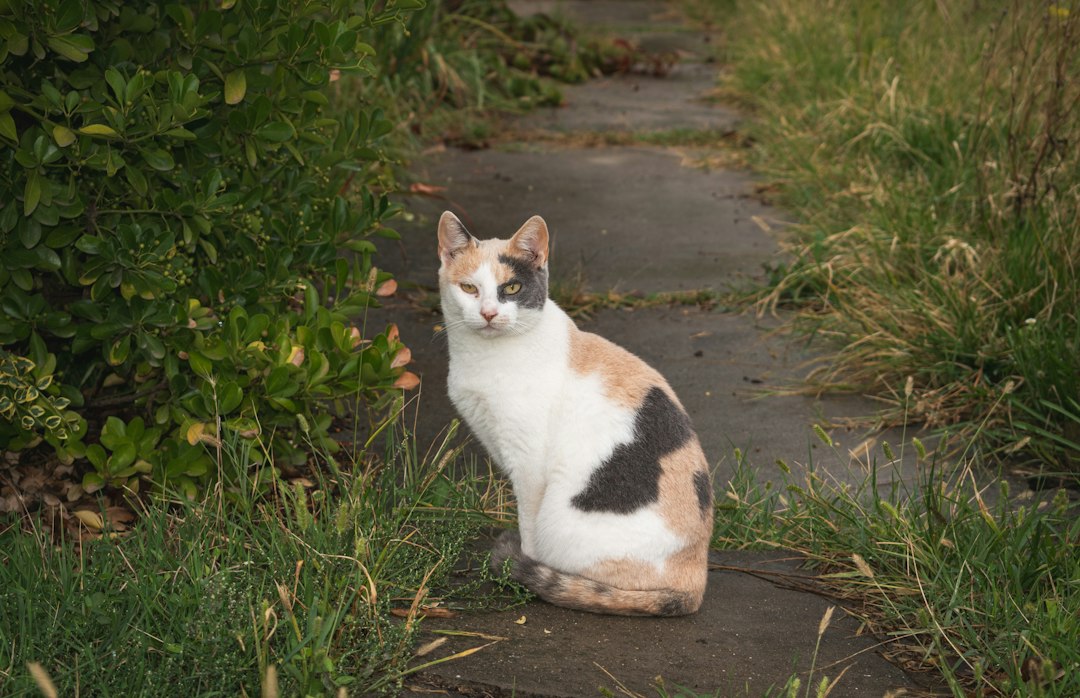
The intricate tapestry of a cat’s coat, a spectrum of hues and patterns, is far more than an aesthetic marvel. Beneath the surface of tortoiseshell, tabby stripes, and solid black, lies a fascinating interplay of genetics and biology that can influence a feline’s health and, consequently, its lifespan. While the connection between a cat’s color and its longevity might not be immediately obvious, scientific research has begun to illuminate these surprising links, offering a glimpse into the complex mechanisms that govern feline well-being.
The Genetic Blueprint of Cat Coat Color
The diverse array of colors and patterns seen in domestic cats is a testament to the power of genetics. These variations are primarily controlled by a complex interplay of genes, each contributing to specific aspects of the coat’s appearance. Understanding these fundamental genetic principles is crucial to appreciating how color might, indirectly, impact a cat’s life.
The Role of Pigments
At the heart of feline coat coloration are two primary pigments: eumelanin and pheomelanin. Eumelanin is responsible for black and brown shades, while pheomelanin produces red and yellow tones. The distribution and intensity of these pigments, dictated by various genes, determine the base color of the fur. For instance, a gene known as the B locus controls whether eumelanin appears as black or brown. Similarly, the D locus, or dilution gene, can lighten these colors, transforming black into blue (a greyish hue) or brown into lilac.
Genes for Patterns and Markings
Beyond solid colors, a multitude of genes orchestrate the development of intricate patterns. The most recognizable is the tabby pattern, characterized by stripes, swirls, and spots, and a distinctive “M” marking on the forehead. This pattern is controlled by the Agouti gene (A locus), which determines whether the pigment is distributed evenly or in banded arrangements along the hair shaft. The tabby gene itself, often referred to as T, further modifies how these bands are expressed, leading to mackerel (striped), classic (blotched), or spotted variations.
Other genes contribute to specific markings, such as white spotting (S locus), which causes patches of white fur to appear, and the dilution gene’s effect on the expression of these patterns. The combination of these genetic factors creates the astonishing diversity we see in cat coats, from the calico and tortoiseshell patterns to the subtle variations within tabby breeds.
Sex-Linked Colors and Their Implications
One of the most significant color-related genetic phenomena in cats is sex-linkage, particularly in the expression of orange and black. The gene for orange color is located on the X chromosome. Since females have two X chromosomes (XX) and males have one X and one Y chromosome (XY), this has profound implications for coat color.
A female cat can be orange only if she inherits the orange gene on both of her X chromosomes. If she inherits one X chromosome with the orange gene and another with the black gene, she will be a mosaic of black and orange patches, resulting in a tortoiseshell or calico coat. This mosaicism is a direct result of X-inactivation, a process where one of the two X chromosomes in each cell of a female mammal is randomly inactivated early in development. The patches of color are determined by which X chromosome remains active in each cell.
Males, possessing only one X chromosome, will be either entirely orange (if that X carries the orange gene) or entirely black (if it carries the black gene). The only way a male cat can exhibit tortoiseshell or calico coloration is if he has a rare genetic anomaly called Klinefelter syndrome, where he possesses two X chromosomes and one Y chromosome (XXY). This condition, however, is often associated with health issues and reduced fertility.
The sex-linked nature of orange coloration is the primary reason why tortoiseshell and calico cats are overwhelmingly female. While the color itself isn’t directly linked to longevity, the genetic mechanisms that produce these patterns, and the rarity of male calicos, hint at deeper biological processes that are still being explored.
Research has shown that the color of a cat’s coat can be linked to its lifespan, with certain colors and patterns being associated with specific health traits. For a deeper understanding of the science behind cat color and its implications for longevity, you can explore this related article on the topic. To learn more, visit Freaky Science for insightful information and studies that delve into the fascinating connections between feline genetics and their overall well-being.
The Calico and Tortoiseshell Connection: A Health Indicator?
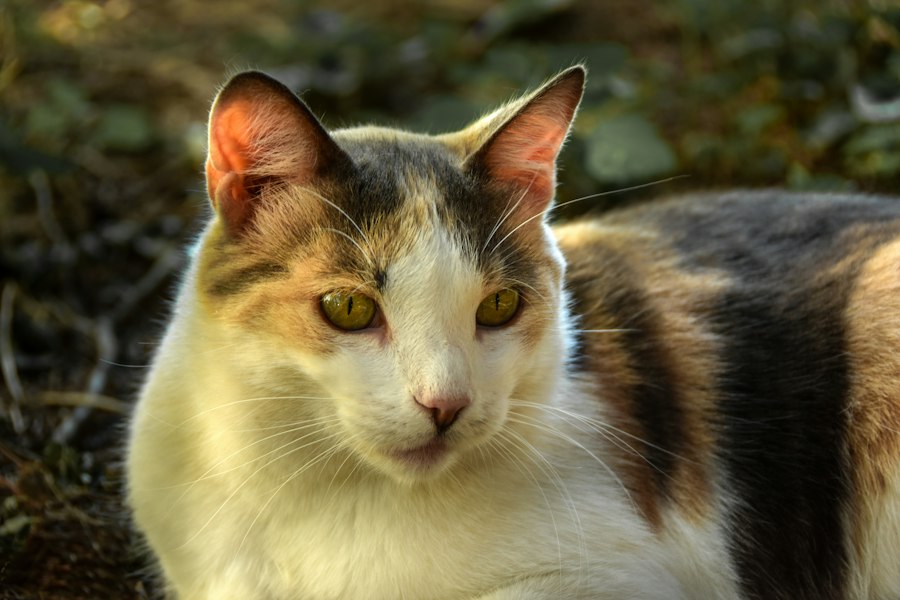
The striking calico and tortoiseshell patterns, defined by their patches of orange, black, and white, are not just visually captivating; they are often a subtle indicator of a cat’s sex and, by extension, can be indirectly linked to certain health considerations. As previously discussed, these patterns are predominantly found in female cats due to the X-linked inheritance of the orange gene.
The Rarity of Male Calicos
The near-exclusive female population of calico and tortoiseshell cats is a direct consequence of their X-linked genetics. For a cat to display these multi-colored patches, it needs to have at least two X chromosomes, one carrying the gene for orange and another for black (or a related color). Males, with their XY chromosome configuration, typically have only one X chromosome. Therefore, they can only express one of the two primary pigment colors. A male calico or tortoiseshell cat is an anomaly, usually resulting from a chromosomal abnormality like XXY. These chromosomal differences can sometimes be associated with health predispositions or fertility issues, though not all male calicos are unhealthy.
Potential Health Considerations in Tortoiseshell and Calico Cats
While the colors themselves do not directly cause illness, some studies and anecdotal evidence suggest a potential, albeit weak, correlation between tortoiseshell and calico coloring and certain health conditions. These associations are often complex and not definitively proven, but they warrant consideration.
One area of interest is the potential for an increased incidence of urinary tract issues, such as bladder stones, in female cats with these coat patterns. The exact mechanism behind this proposed link is not fully understood, but theories suggest that it might be related to the same genetic factors influencing coat color and pigment distribution, or perhaps even stress-related behaviors that are sometimes observed in these cats. However, it is crucial to emphasize that this is not a universal rule, and many tortoiseshell and calico cats live long, healthy lives without any such problems.
Another area occasionally discussed is a slightly higher predisposition to certain types of cancer, particularly mammary tumors, in unspayed female cats. Again, the direct link to coat color is tenuous, and it is more likely that the underlying genetic factors that lead to the expression of these specific colors might, in some instances, also influence other biological processes. It is important to note that spaying significantly reduces the risk of mammary tumors in all female cats, regardless of their coat color.
The Importance of Individuality
It is paramount to reiterate that these potential correlations are statistical tendencies and not deterministic factors. The vast majority of tortoiseshell and calico cats are perfectly healthy and enjoy long, fulfilling lives. Breed, diet, lifestyle, genetics beyond coat color, and access to veterinary care play far more significant roles in determining a cat’s overall health and lifespan than its coloration. Judging a cat’s health solely on its coat pattern would be a gross oversimplification and inaccurate.
The Tabby’s Resilience: Patterns and Longevity
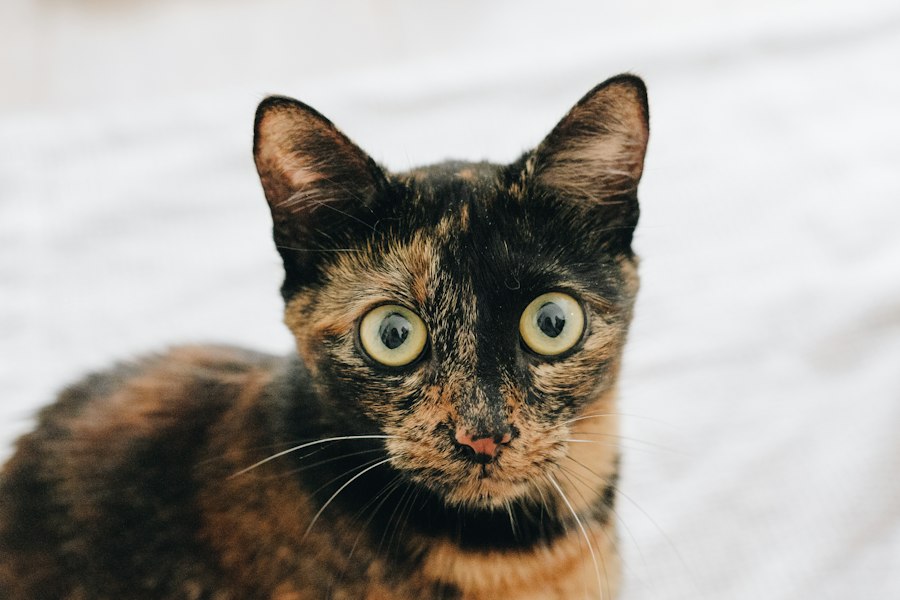
The ubiquitous tabby pattern, gracing the coats of countless domestic cats, is perhaps the most common and adaptable feline coloration. While specific gene expressions can lead to different tabby variations, the fundamental tabby pattern is not typically associated with significant health concerns that would directly impact longevity. In fact, some observations suggest a general resilience in cats with tabby markings.
Understanding the Tabby Pattern
The tabby pattern is characterized by stripes, swirls, spots, and a distinctive “M” marking on the forehead. This pattern is controlled by a complex interplay of genes, primarily the Agouti gene (which determines whether pigment is distributed evenly or in bands) and the Tabby gene (which influences the expression of these bands into different patterns like mackerel, classic, and spotted). The gene for the “M” marking is also believed to be linked to the tabby genes.
Unlike the sex-linked orange gene that dictates calico and tortoiseshell patterns, the genetics behind the tabby pattern are not as directly tied to sex chromosomes. This means tabby patterns are equally common in both male and female cats. This lack of sex-linked complexity might contribute to the general health and adaptability often observed in tabby cats.
Anecdotal Evidence and General Observations
Anecdotal evidence from veterinarians and cat owners often suggests that tabby cats, particularly domestic shorthairs and longhairs with strong tabby markings, tend to be robust and have a good life expectancy. This observation is likely multifactorial. Firstly, many domestic cats with tabby patterns are mixed breeds, often referred to as “moggies.” Mixed-breed animals, in general, can sometimes benefit from a broader gene pool, potentially leading to greater genetic diversity and fewer breed-specific health issues.
Secondly, the adaptability of the tabby pattern means it’s found across a wide range of environmental conditions and lifestyles. These cats are often found as both indoor pets and outdoor adventurers, and their resilience might be a reflection of their ability to thrive in diverse circumstances. Their commonality also means they are less likely to be subject to the intense selective breeding that can sometimes inadvertently introduce or exacerbate genetic predispositions to certain illnesses in purebred cats.
The Role of Environment and Lifestyle
It is crucial to distinguish between a potential correlation and causation. While tabby cats might appear to be a particularly resilient group, this is more likely due to the factors influencing their overall well-being rather than the tabby pattern itself. A well-cared-for tabby cat with a balanced diet, regular veterinary check-ups, a safe environment, and mental stimulation will undoubtedly live a longer, healthier life than any cat, regardless of its coat color.
The association of resilience with tabby cats might simply be a reflection of their widespread presence and the commonality of their genetic makeup within the general domestic cat population. Their patterns are so prevalent that they are often seen as the “default” cat, and their good health is more a testament to good general cat husbandry than a direct biological consequence of their stripes and swirls.
Solid Colors: Black, White, and Beyond
Solid-colored cats, particularly those with black or pure white coats, represent distinct genetic expressions that can sometimes be associated with specific characteristics, though direct links to lifespan are often nuanced.
The Genetics of Solid Colors
Solid black coloration is primarily due to the high expression of eumelanin, the black pigment, with little to no other pigment present. The gene responsible for this is often referred to as the “non-agouti” gene, which prevents the banding of pigment along the hair shaft that creates tabby patterns. Similarly, solid white can be due to a lack of pigment production altogether, often influenced by a dominant white gene (W locus) which can mask all other colors. This dominant white gene can sometimes be associated with deafness, particularly in cats with blue eyes.
Black Cats: Superstition vs. Science
Black cats have long been associated with superstition and folklore, often being linked to bad luck. However, scientific inquiry has found no evidence to support these myths. In fact, some studies suggest that black cats may have a slightly stronger immune system, potentially due to a gene that confers resistance to certain diseases, and this is thought to be an evolutionary adaptation to darker environments. While this is still an area of ongoing research, it challenges the age-old superstitions and suggests a potential biological advantage. The increased expression of eumelanin, the black pigment, might be linked to genes that also confer benefits to the immune system.
White Cats: The Link to Deafness
Pure white cats, especially those with blue eyes, have a well-documented association with deafness. This is because the dominant white gene (W locus) that causes the absence of pigment can also affect the development of the inner ear. If a white cat has blue eyes, it has a higher chance of being deaf. This is not a universal rule, as white cats with one blue eye and one of another color (or two non-blue eyes) may have normal hearing in one or both ears. While deafness itself does not shorten a cat’s lifespan, it can impact its quality of life and requires owners to take extra precautions to ensure the cat’s safety. Managing a deaf cat requires understanding its limitations and providing a secure environment.
Other Solid Colors
Solid colors like grey (dilute black), cream (dilute orange), and chocolate are variations on the primary pigment genes. Their impact on lifespan is generally considered minimal and more closely tied to the overall health and genetic makeup of the individual cat rather than the solid color itself. For example, a cat with a solid chocolate coat would be subject to the same general health considerations as any other cat, with its lifespan determined by factors like diet, exercise, and veterinary care.
Research into the fascinating relationship between cat color and lifespan has revealed intriguing insights that pet owners may find enlightening. For those interested in exploring this topic further, a related article provides a comprehensive overview of how genetics can influence both the appearance and longevity of our feline friends. You can read more about these findings in the article linked here: science behind cat color and lifespan. Understanding these connections can help cat lovers make informed decisions about their pets’ care and well-being.
The Role of Breed-Specific Genetics and Health
| Cat Color | Genetic Basis | Associated Lifespan (Years) | Scientific Notes |
|---|---|---|---|
| Black | Dominant allele B for black pigment (eumelanin) | 12-16 | Black cats often have a genetic advantage due to melanin’s protective effects against UV damage. |
| Orange (Ginger) | X-linked O gene causing phaeomelanin pigment | 10-14 | Orange coloration is sex-linked; males are usually orange or non-orange, females can be tortoiseshell. |
| White | Dominant W gene causing lack of pigment | 8-12 | White cats may have higher risk of deafness and skin cancer, potentially affecting lifespan. |
| Calico/Tortoiseshell | X-linked mosaicism of O gene and black gene | 12-16 | Mostly female; genetic mosaicism does not significantly affect lifespan but linked to female health traits. |
| Blue (Gray) | Dilution gene (d) reduces eumelanin intensity | 12-15 | Dilution gene lightens black pigment; no direct impact on lifespan but may influence coat health. |
While coat color can offer intriguing insights, it is crucial to recognize that the most significant determinant of a cat’s lifespan lies within its breed-specific genetics and the predispositions that come with it. Certain breeds are genetically inclined towards specific health issues, and these are far more influential on longevity than superficial coat coloration.
Purebred vs. Mixed Breed Lifespans
Purebred cats, while often admired for their distinct appearances and temperaments, can sometimes be more susceptible to inherited health problems due to a more limited gene pool. Selective breeding, while aiming to enhance desirable traits, can inadvertently concentrate genes associated with certain diseases. This can lead to a higher incidence of conditions like hypertrophic cardiomyopathy (HCM) in Maine Coons and Ragdolls, polycystic kidney disease (PKD) in Persians, and progressive retinal atrophy (PRA) in Abyssinian cats. These breed-specific genetic predispositions can significantly impact a cat’s overall health and lifespan.
Mixed-breed cats, or domestic shorthairs and longhairs, often benefit from a broader genetic diversity. This “hybrid vigor” can lead to a reduced risk of many inherited diseases. As a result, many mixed-breed cats tend to be robust and enjoy longer lifespans compared to some purebred counterparts, assuming they receive adequate care.
Color Genetics and Breed Intersections
The interplay between coat color genetics and breed-specific genes can be complex. For instance, within certain breeds, specific color variations might be more prevalent and, in turn, more closely associated with breed-specific health issues. For example, in some white cat breeds, the gene for white fur might be linked to the gene for blue eyes and potential deafness. Similarly, the prevalence of orange coloration in certain breeds might be higher, and if that breed also has other genetic predispositions, the perception might be that orange cats are less healthy, when in reality, it’s the breed’s underlying genetics that are the primary factor.
The Overarching Importance of Care
Regardless of breed or coat color, the most impactful factors on a cat’s lifespan are consistently good veterinary care, a balanced and nutritious diet, regular exercise, mental stimulation, and a safe and loving environment. Routine check-ups, vaccinations, parasite control, and prompt treatment of any illnesses are crucial. A cat’s genetic makeup, whether it dictates a vibrant tortoiseshell coat or a sleek solid black one, provides a blueprint. However, it is the owner’s dedication to providing excellent care that allows that blueprint to flourish for as long as possible. The science of cat color is a fascinating window into feline biology, but it is the holistic approach to a cat’s well-being that truly dictates its journey through life.

Which Cat Color Lives Longest? The Research Has a Twist
FAQs
1. What factors determine the color of a cat’s fur?
The color of a cat’s fur is determined by genetics. Genes control the production of pigments in the hair, which results in a wide variety of colors and patterns seen in cats.
2. How does a cat’s color relate to its lifespan?
There is no direct correlation between a cat’s color and its lifespan. Factors such as genetics, breed, environment, and overall health play a more significant role in determining a cat’s lifespan.
3. Are certain colors of cats more prone to health issues than others?
While there is no definitive evidence to suggest that certain colors of cats are more prone to health issues, some studies have shown a potential link between coat color and specific genetic traits that may influence health. However, more research is needed in this area.
4. Can a cat’s color change over time?
A cat’s color is determined by genetics and typically remains the same throughout its life. However, factors such as age, exposure to sunlight, and certain health conditions can cause a cat’s fur color to fade or change slightly over time.
5. Do certain cat colors have specific personality traits associated with them?
There is no scientific evidence to support the idea that a cat’s color is directly linked to specific personality traits. A cat’s behavior and temperament are influenced by a combination of genetics, early socialization, and individual experiences.