The Unexpected Link: How Fur Color Might Influence Feline Well-being
The captivating allure of a cat’s coat has been a source of fascination for centuries. From the sleek black panther to the majestic ginger tabby and the ethereal white Persian, the sheer diversity of feline fur coloration is remarkable. While most owners choose their feline companions based on personality, temperament, or simply an aesthetic preference for a particular hue, emerging research and anecdotal evidence suggest that a cat’s fur color might be more than just a superficial characteristic. It could, in fact, play a subtle yet significant role in their overall health and well-being. This exploration delves into the intricate relationship between a cat’s fur pigmentation and various aspects of its health, from susceptibility to certain diseases to its interaction with its environment.
Recent studies have suggested that fur color may have an impact on cat health, leading to intriguing discussions in the veterinary community. For those interested in exploring this topic further, a related article can be found at Freaky Science, which delves into various factors influencing feline health and well-being. This resource provides valuable insights into the potential connections between a cat’s physical traits and their overall health, making it a worthwhile read for pet owners and animal enthusiasts alike.
Pigmentation’s Shadow: The Genetic Underpinnings of Fur Color and Health
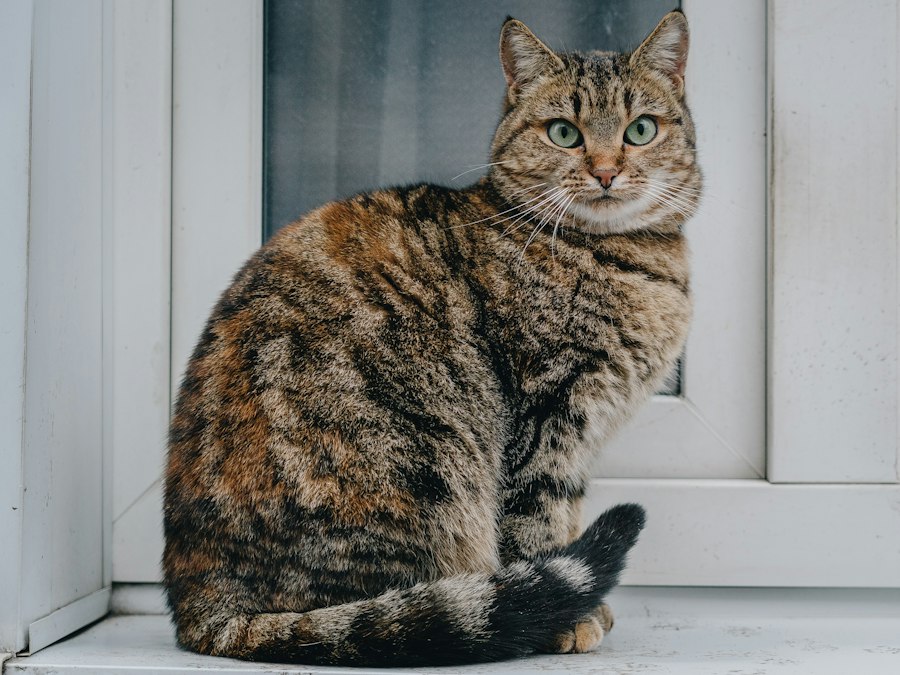
The vibrant tapestry of cat fur colors is woven by a complex interplay of genes, primarily those responsible for producing melanin, the pigment that dictates shades of black, brown, and red. These same genetic pathways, however, can sometimes have pleiotropic effects, meaning a single gene can influence multiple seemingly unrelated traits. This is where the connection between fur color and health begins to emerge.
Melanin’s Double Duty: Beyond Just Color
Melanin, the primary pigment in fur, is synthesized by specialized cells called melanocytes. The production and distribution of melanin are controlled by a cascade of genes, including the MC1R gene (melanocortin 1 receptor), which plays a crucial role in determining whether melanin is black/brown (eumelanin) or red/yellow (pheomelanin). Variations in these genes, along with others that influence pigment dilution or pattern expression, result in the stunning array of coat colors we see. What is less commonly understood is that melanin itself is not just a pigment; it’s also an antioxidant and plays a role in UV protection. This dual function hints at a deeper biological significance that extends beyond aesthetics.
The White Coat Conundrum: Deafness and Sun Sensitivity
Perhaps the most well-documented link between fur color and health is observed in white cats, particularly those with blue eyes. The gene responsible for white fur (the dominant white gene, “W”) is often linked to the gene for blue eyes and, unfortunately, to deafness. This is because the same genetic mechanisms that prevent pigment production in the fur and eyes also affect the development of the inner ear. While not all white cats are deaf, and not all deaf cats are white, there is a statistically significant correlation. White cats with blue eyes are at a much higher risk of congenital deafness.
Beyond deafness, white fur offers minimal protection against the sun’s harmful ultraviolet (UV) rays. This lack of protection makes white cats, especially those with pink skin, particularly vulnerable to sunburn and, consequently, skin cancer, most notably squamous cell carcinoma. Areas most exposed to the sun, such as the tips of the ears and the nose, are prime targets for these sun-induced lesions. Owners of white cats must be vigilant about providing shade, limiting outdoor exposure during peak sun hours, and considering pet-safe sunscreen for exposed areas.
Black and Its Resilience: A Deeper Biological Advantage?
In contrast to the vulnerabilities associated with white fur, black fur, and other dark pigmented coats, might offer a subtle health advantage. Melanin, in its dense concentrations within black fur, acts as a natural sunscreen, providing a degree of protection against UV radiation. While this doesn’t negate the need for responsible sun exposure management for all cats, it might contribute to a lower risk of sun-related skin issues in darker-coated felines. Anecdotal observations also suggest that black cats might be less prone to certain autoimmune conditions, although robust scientific evidence for this remains limited and requires further investigation. The hypothesis is that the antioxidant properties of melanin might play a protective role at a cellular level.
Genetic Predispositions: Connecting Color Genes to Disease Susceptibility
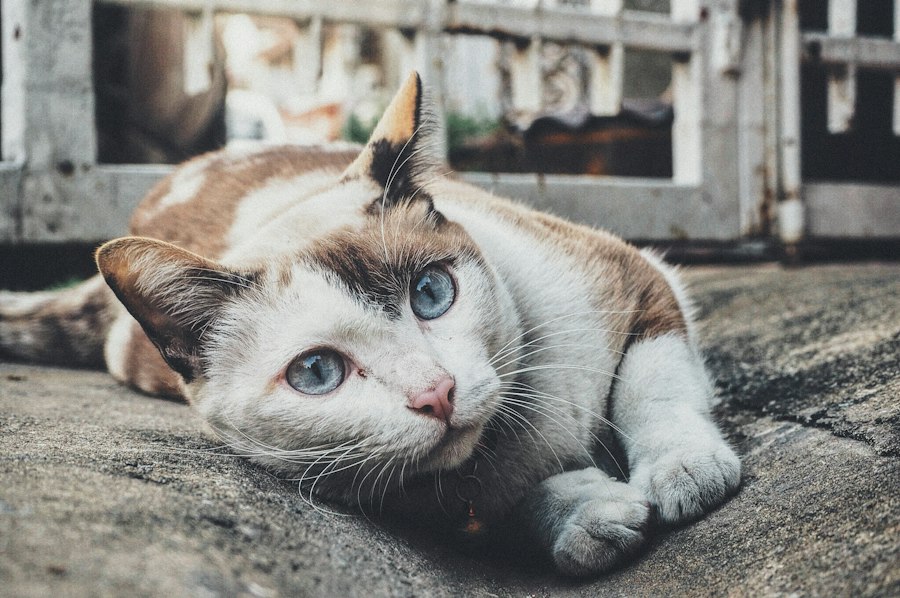
The genetic landscape of fur coloration is intricately linked with other genes that can influence a cat’s predisposition to various health conditions. This is not to say that a specific color causes a disease, but rather that the genes responsible for that color might be located near or functionally linked to genes that affect disease susceptibility.
Orange and Tabby Patterns: A Gendered Link to Health?
Orange and tabby patterned cats, both driven by the same genetic locus, have been anecdotally associated with specific behavioral traits and, to some extent, health concerns. While the evidence is less concrete than that for white cats, some studies and extensive owner observations suggest a slightly higher incidence of certain conditions in these cats. For instance, male orange cats are more prone to baldness, particularly on their undersides, a condition that appears to be hormonally influenced and linked to the genes governing orange coloration. Furthermore, there have been informal suggestions of a slightly higher risk of certain allergies or skin sensitivities in orange and tabby cats, though definitive scientific validation is still needed. The complex hormonal influences that affect coat color development could also impact other physiological systems.
The Tuxedo Pattern: A Curious Observation
The distinctive tuxedo pattern, characterized by black fur with white markings on the chest, paws, and sometimes face, is a result of specific gene interactions that inhibit pigment production in localized areas. While no direct health implications are definitively linked to the tuxedo pattern itself, it’s worth noting that some owners of tuxedo cats have reported a seemingly higher prevalence of dental issues, such as gingivitis or tooth loss. This remains largely anecdotal, and further research is required to determine if there’s any underlying genetic or physiological connection. It’s possible that the genes influencing the spotting patterns might also have subtle effects on connective tissues or immune responses, which could indirectly influence oral health.
Environmental Interactions: How Fur Color Affects a Cat’s Life
Beyond direct genetic links, a cat’s fur color can influence how it interacts with its environment, which in turn can impact its health and safety. This is particularly evident in how different fur colors absorb and reflect heat, and how they are perceived by predators and prey.
Thermoregulation and Sunlight: The Darker Coat Dilemma
Darker fur, especially black, absorbs more solar radiation than lighter fur. While this can be a disadvantage in hot climates, potentially leading to overheating, it can also offer a benefit in colder environments by helping cats retain body heat. However, the risk of overheating is a significant concern for dark-colored cats in sunny, warm conditions. Owners of black or dark-coated cats need to be especially mindful of providing adequate shade, fresh water, and ensuring they don’t become trapped in hot environments like cars or conservatories. The ability of fur to absorb and dissipate heat is a crucial aspect of thermoregulation, and fur color plays a direct role in this process.
Camouflage and Predation: The Subtle Role of Color
In the wild, fur color is a critical element of camouflage, aiding in both hunting and evading predators. While domestic cats may not face the same intense predatory pressures as their wild ancestors, the instinctual benefits of camouflage remain. A dark-colored cat might be more adept at blending into shadows, making it a more successful hunter of small prey. Conversely, a lighter-colored cat might be more visible to larger predators or even to unsuspecting humans, potentially leading to a greater risk of being hit by a car or being perceived as a pest. While this is a more nuanced and less direct health impact, it can still influence a cat’s overall survival and well-being, especially for outdoor or indoor-outdoor cats.
Perception and Human Interaction: The “Black Cat” Superstition
The association of black cats with bad luck is a deeply ingrained superstition in many cultures. While this is a human construct, it can have tangible consequences for these felines. Black cats are often the last to be adopted from shelters and are more likely to be victims of abuse or neglect due to these unfounded beliefs. This psychological and social impact can lead to increased stress, anxiety, and potentially poorer health outcomes for black cats. It highlights how human perception, often influenced by arbitrary associations with fur color, can indirectly impact animal welfare.
Recent studies have explored various factors that may influence feline health, including the intriguing question of whether fur color affects cat health. For a deeper understanding of this topic, you might find it interesting to read an article that discusses the genetic implications of fur color and its potential link to health issues in cats. You can check out the article here for more insights on how these traits may correlate with overall well-being.
Beyond the Obvious: Emerging Research and Future Directions
| Fur Color | Associated Health Risks | Scientific Evidence | Notes |
|---|---|---|---|
| White | Higher risk of sunburn and skin cancer (especially on ears and nose) | Moderate – Studies show increased incidence of squamous cell carcinoma in white cats | Owners should limit sun exposure and consider protective measures |
| Black | No specific health risks linked to fur color | Low – No significant correlation found | Generally considered healthy with respect to fur color |
| Orange/Red | Possible genetic link to certain diseases (e.g., hypertrophic cardiomyopathy in some breeds) | Low to Moderate – Some breed-specific studies suggest links | Health risks more breed-related than color-related |
| Calico/Tortoiseshell | Higher likelihood of being female; rare male calicos often sterile or have genetic abnormalities | High – Genetic studies confirm link between fur pattern and sex chromosomes | Health issues mostly related to genetic anomalies in rare males |
| Gray/Blue | No specific health risks linked to fur color | Low – No significant correlation found | Generally considered healthy with respect to fur color |
While much of the connection between fur color and health has been based on historical observations and anecdotal evidence, modern scientific research is beginning to explore these links with greater rigor. Genetics, immunology, and veterinary science are converging to unravel the intricate biological mechanisms at play.
Epigenetics and Environmental Influences: A Deeper Dive
The field of epigenetics, which studies heritable changes in gene expression that do not involve alterations to the underlying DNA sequence, offers a promising avenue for understanding how environmental factors might interact with genetic predispositions related to fur color. For example, exposure to certain toxins or nutritional deficiencies during critical developmental periods could potentially influence gene expression in a way that affects both fur pigmentation and disease susceptibility. Future research might explore how epigenetic modifications, influenced by environmental exposures, could indirectly link fur color to health outcomes.
The Microbiome Connection: A Hypothesis for Further Study
Another area of burgeoning research is the gut microbiome and its influence on overall health. While not directly tied to fur color, it is conceivable that genetic factors influencing pigmentation might also have subtle effects on the development or composition of a cat’s microbiome. The microbiome plays a crucial role in immune function, nutrient absorption, and even behavior. Understanding if there are any correlations between fur color and specific microbiome profiles could unlock new insights into feline health.
Targeted Breeding and Health Screening: A Proactive Approach
As our understanding of these connections grows, there’s a potential for more informed breeding practices and targeted health screening. For instance, breeders might become more aware of the genetic predispositions associated with certain color genes and implement more rigorous health testing. For owners, this knowledge can empower them to provide more tailored care, such as increased vigilance for sun sensitivity in white cats or early dental checks for tuxedo cats, if further research solidifies these links. It’s about moving from reactive treatment to proactive prevention, informed by a deeper appreciation of a cat’s unique genetic makeup.
Conclusion: A Holistic View of Feline Well-being
The impact of fur color on cat health is a multifaceted topic, weaving together genetics, environmental interactions, and even human perception. While the more extreme links, such as deafness in white cats, are well-established, many other potential connections are still subjects of ongoing research and observation. It is crucial to avoid overgeneralization and recognize that individual cats, regardless of their coat color, will have unique health profiles. However, understanding these potential influences allows for a more informed and holistic approach to feline care. By appreciating the intricate relationship between a cat’s outward appearance and its inner health, owners can provide more tailored support, ensuring their feline companions lead long, happy, and healthy lives. The beauty of a cat’s fur is not merely skin-deep; it may, in fact, hold subtle keys to its overall well-being.

Which Cat Color Lives Longest? The Research Has a Twist
FAQs
1. Does the color of a cat’s fur affect its health?
No, the color of a cat’s fur does not directly impact its health.
2. Are certain fur colors more prone to health issues in cats?
There is no scientific evidence to suggest that specific fur colors are more prone to health issues in cats.
3. Can the color of a cat’s fur affect its temperament or behavior?
There is no proven correlation between the color of a cat’s fur and its temperament or behavior.
4. Do certain fur colors require more grooming or maintenance?
While some fur colors may show dirt more easily, all cats require regular grooming regardless of their fur color.
5. Are there any health concerns specific to certain fur colors in cats?
There are no specific health concerns associated with particular fur colors in cats. It is important to focus on overall health and well-being rather than fur color.