The common perception of cats, often influenced by folklore and popular culture, frequently assigns symbolic meanings to their coat colors. Black cats are sometimes associated with luck (good or bad, depending on tradition), orange cats are often depicted as friendly and outgoing, and white cats might be linked to purity or elegance. However, beyond these anecdotal associations, a more scientific and practical question arises: do these color variations, particularly black, orange, and white, have any discernible impact on a cat’s lifespan? This article delves into the available information and expert opinions to explore whether a cat’s fur color is a significant determinant of its longevity.
Unpacking the Genetics of Cat Coat Colors
The intricate tapestry of feline coat colors is governed by a complex interplay of genes. Understanding the genetic basis for black, orange, and white is crucial to exploring any potential correlation with lifespan. These colors are not merely superficial characteristics; they are the outward manifestation of underlying genetic instructions.
The Dominance of Black and Orange
The genes responsible for black and orange coloration are located on the X chromosome. This has significant implications for how these colors are expressed in male and female cats.
The Orange Gene and X-Chromosome Inactivation
The gene for orange fur (O) is located on the X chromosome. This gene controls the production of pheomelanin, a pigment that results in orange, red, or yellow hues. For a cat to be orange, it must have at least one copy of the O allele. Since males have only one X chromosome (XY), if they inherit the O allele, they will be orange. Females, possessing two X chromosomes (XX), can be orange only if they inherit the O allele on both X chromosomes (OO). This explains why tortoiseshell and calico cats, which display patches of orange, black, and white, are almost exclusively female. The random inactivation of one X chromosome in each cell of a female cat during embryonic development leads to a mosaic pattern of gene expression. If one X chromosome carries the orange allele and the other carries the allele for black (or another color), then different patches of skin will express different pigment genes, resulting in the characteristic patched patterns.
Black and its Genetic Alleles
Black coloration is typically due to the presence of the dominant B allele at the black locus. This allele codes for an enzyme that converts pheomelanin into eumelanin, the pigment responsible for black and brown colors. While black is a straightforward expression of this dominant gene, it’s important to note that other genes can modify the expression of black, leading to variations like chocolate or cinnamon. The underlying genetics of black are generally not considered inherently detrimental to a cat’s health.
The Enigma of White Fur
White fur in cats is a bit more complex and can arise from several different genetic mechanisms, each with potentially different implications.
The White Spotting Gene (S)
One common cause of white patches is the presence of the white spotting gene (S). This gene is responsible for creating areas where pigment cells fail to migrate during embryonic development. The extent of white spotting can vary greatly, from a few small patches to an almost entirely white coat.
The Dominant White Gene (W)
A different genetic mechanism leads to entirely white cats. This is caused by the dominant white gene (W). This gene masks all other color genes, resulting in a completely white coat. Cats with the dominant white gene often have blue eyes or different colored eyes (one blue, one other color), and are sometimes associated with deafness.
Interaction and Masking of Colors
It is crucial to remember that these color genes do not exist in isolation. They interact with each other, and dominant genes can mask the expression of recessive genes. For instance, a cat might genetically carry the genes for orange or black, but if it also has the dominant white gene (W), it will appear entirely white. Similarly, the white spotting gene can create patches of color on a background that might otherwise be solid black or orange. This complexity underscores the need for a nuanced approach when discussing the impact of color on lifespan.
When considering the lifespan of black, orange, and white cats, it’s interesting to explore how various factors such as breed, genetics, and environment can influence their longevity. For a deeper understanding of these factors and a comparison of the lifespans of different cat colors, you can read a related article that provides valuable insights. Check it out here: Lifespan Comparison of Cats by Color.
Investigating Potential Lifespan Differences: Data and Observations
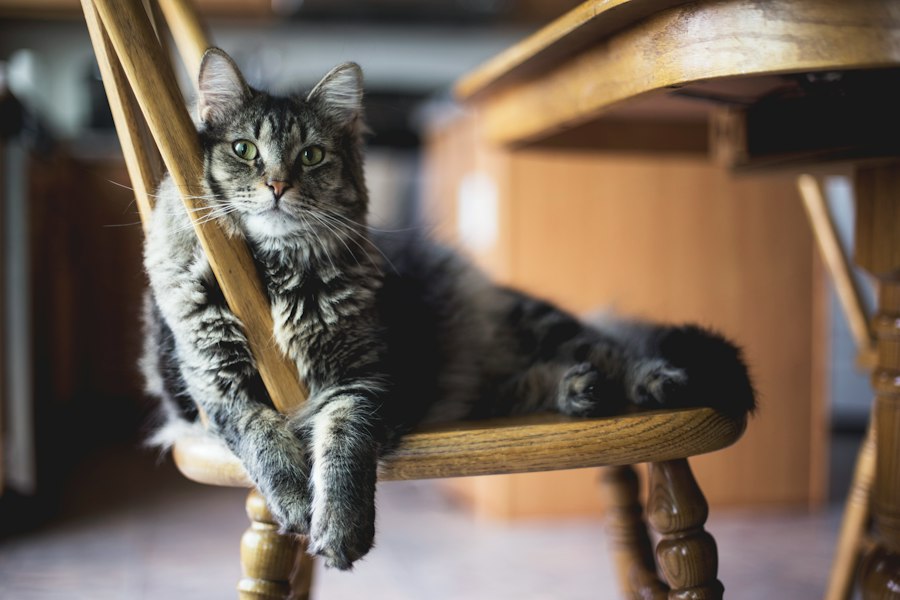
While anecdotal evidence and breed predispositions offer some insights, scientific data directly linking specific cat coat colors (black, orange, white) to significant lifespan variations is surprisingly scarce and often inconclusive. Most studies on cat longevity focus on factors like breed, lifestyle (indoor vs. outdoor), diet, veterinary care, and genetic predispositions to certain diseases, rather than coat color alone.
The Indoor vs. Outdoor Debate
The most significant factor influencing a cat’s lifespan, irrespective of color, is its environment. Outdoor cats face a myriad of dangers, including traffic accidents, fights with other animals, exposure to parasites and infectious diseases, and predation. Consequently, their average lifespan is considerably shorter than that of indoor cats. This environmental factor likely overshadows any subtle genetic influences that coat color might have.
Risks of an Outdoor Lifestyle
An outdoor cat’s life is fraught with peril. Collisions with vehicles are a leading cause of mortality. Encounters with territorial cats can lead to serious injuries and the transmission of diseases like Feline Immunodeficiency Virus (FIV) and Feline Leukemia Virus (FeLV). Parasitic infestations, such as fleas, ticks, and internal worms, are common and can lead to health complications. Furthermore, predators, depending on the region, can pose a significant threat. The constant stress and exposure to the elements also weaken their immune systems.
Advantages of an Indoor Existence
Conversely, indoor cats are shielded from most of these dangers. Their environment is controlled, offering protection from traffic, fights, and many diseases. With proper nutrition, regular veterinary check-ups, and ample mental and physical stimulation, indoor cats can live long and healthy lives, often exceeding 15 years and sometimes reaching into their early 20s.
Breed Predispositions and Health Issues
Certain cat breeds are predisposed to specific genetic health conditions that can affect their lifespan. For example, some breeds are more prone to heart disease, kidney problems, or certain types of cancer. While these predispositions are linked to breed genetics, it’s not coat color itself that is the primary driver, but rather the overall genetic makeup of the breed.
Specific Breed Concerns
For instance, Maine Coons are known for their susceptibility to hypertrophic cardiomyopathy (HCM), a heart condition. Siamese cats can be prone to respiratory issues and certain neurological disorders. Persians often suffer from polycystic kidney disease (PKD). These are inherent genetic vulnerabilities tied to the breed’s lineage, not directly to whether they are black, orange, or white.
The Elusive Link to Lifespan
When it comes to coat color, the evidence for a direct, significant impact on lifespan is largely anecdotal or based on very small, localized studies.
Misinterpretations and Confirmation Bias
It is possible that any perceived differences are due to confirmation bias, where people selectively remember instances that support their beliefs. For example, if someone believes black cats are unlucky, they might pay more attention to instances of black cats dying young, while overlooking healthy, long-lived black cats.
Limited Scientific Scrutiny
The scientific community has not extensively researched the direct correlation between common coat colors like black, orange, and white and cat lifespan in a way that yields definitive conclusions. The focus has historically been on more impactful factors such as genetics related to specific breeds, health issues, and environmental influences.
Exploring Specific Color Groups and Their Potential Nuances

While broad generalizations about coat color and lifespan are problematic, it’s worth examining any subtle nuances or specific considerations that might arise within the black, orange, and white categories.
The Black Cat Conundrum
Black cats, despite the persistent superstitions, are genetically no more or less prone to premature death than cats of other solid colors. The genetic basis for black fur is generally considered a simple dominant trait.
Superstition vs. Reality
The persistent myth of black cats being unlucky can unfortunately lead to mistreatment or abandonment in some cultures. This mistreatment, rather than any inherent genetic weakness, could contribute to a perceived shorter lifespan in certain populations of black cats, particularly if they are strays or live in environments where superstitions hold sway. However, in well-cared-for domestic environments, black cats are found to live just as long as any other color.
Health Considerations for Black Cats
Genetically, black cats are not predisposed to specific diseases that would inherently shorten their lives. Their susceptibility to common feline ailments is generally on par with other cats. Any observed health issues are more likely to be related to individual genetics, lifestyle, or environmental factors rather than their coat color.
The Orange Cat’s Reputation
Orange cats, often described as friendly and gregarious, do not have a documented genetic predisposition to shorter lifespans.
Personality Traits and Stress
While personality traits can influence a cat’s overall well-being, there’s no scientific evidence to suggest that the typically “outgoing” nature of orange cats leads to increased stress or risk-taking behaviors that would significantly impact their lifespan. In fact, a more social cat might integrate better into a household, leading to better care.
Orange Cats and Specific Health Concerns
Similarly to black cats, orange cats do not appear to be genetically linked to specific health problems that would shorten their lives. Their longevity is likely governed by the same factors as cats of other colors.
The White Cat’s Complexities
White cats present a more complex scenario due to the different genetic mechanisms that can result in a white coat.
The Dominant White Gene (W) and Deafness
The dominant white gene (W) is often associated with white fur and blue eyes. A significant concern with this gene is its link to congenital deafness. Approximately 60-80% of cats with the dominant white gene and blue eyes are deaf.
Congenital Deafness and its Impact
Congenital deafness in cats can affect their awareness of their surroundings. Deaf cats may be less responsive to approaching dangers, such as vehicles or predators. This lack of auditory warning can increase their risk of accidents, especially if they are outdoor cats.
Implications for Outdoor White Cats
For a white cat with the dominant white gene that is also deaf and allowed to roam outdoors, the risk of injury or fatality is demonstrably higher. Their inability to hear oncoming threats significantly compromises their survival.
Managing Deafness in Pet Cats
However, for indoor white cats, deafness does not necessarily translate to a significantly shortened lifespan. With appropriate care, such as ensuring they are not startled, keeping them indoors, and being mindful of their environment, deaf cats can lead full and happy lives.
White Spotting and General Health
Cats with white fur due to the white spotting gene (S) are not inherently at a higher risk of deafness or other health issues related to their coat color. The health and lifespan of these cats are generally on par with cats of other colors, assuming they have good care and a safe environment.
Factors More Influential Than Coat Color
It is abundantly clear that when discussing cat longevity, numerous factors hold far greater sway than the superficial characteristic of coat color. These are the elements that truly dictate whether a feline companion will live a long and healthy life.
The Cornerstone of Good Health: Veterinary Care
Regular veterinary check-ups are paramount. These visits allow for early detection and treatment of potential health issues, vaccinations to prevent serious diseases, parasite control, and personalized advice on nutrition and care.
Preventive Medicine’s Role
Preventive medicine is the cornerstone of a long and healthy life for any animal. This includes regular physical examinations, dental cleanings, vaccinations against common and deadly diseases like rabies, Feline Distemper (panleukopenia), and Feline Leukemia Virus (FeLV). Parasite prevention, including flea, tick, and heartworm control, is also crucial for preventing debilitating illnesses.
Prompt Treatment of Illnesses
When cats do fall ill, prompt veterinary intervention can make a significant difference. Early diagnosis and treatment of conditions such as kidney disease, hyperthyroidism, diabetes, and cancer can manage symptoms, improve quality of life, and potentially extend lifespan.
Nutrition: Fueling a Long Life
A balanced, species-appropriate diet is fundamental to a cat’s overall health and well-being. Poor nutrition can lead to obesity, diabetes, dental problems, and a weakened immune system, all of which can shorten a cat’s life.
The Importance of a Balanced Diet
Cats are obligate carnivores, meaning they require nutrients found only in animal tissue. A diet rich in protein, with moderate fat and minimal carbohydrates, is ideal. Commercial cat foods formulated to meet these nutritional needs are readily available.
Addressing Weight Management
Obesity is a growing concern in pet cats and is linked to numerous health problems, including arthritis, heart disease, and diabetes. Feeding the correct amount of food and encouraging exercise can help maintain a healthy weight.
Hydration’s Significance
Adequate hydration is also vital. Cats have a naturally low thirst drive, and it’s important to ensure they have access to fresh water at all times. Wet food can also contribute to a cat’s daily fluid intake.
Lifestyle Choices: Indoor vs. Outdoor Revisited
As previously discussed, the decision of whether a cat lives primarily indoors or outdoors is perhaps the single most significant factor influencing its lifespan.
Environmental Enrichment for Indoor Cats
While indoor living offers protection, it’s essential to provide indoor cats with adequate environmental enrichment to prevent boredom and stress. This includes providing scratching posts, climbing opportunities, interactive toys, and opportunities for play and social interaction.
Managing Risks for Outdoor Access
For owners who choose to allow their cats outdoor access, it is crucial to mitigate risks as much as possible. This can include ensuring the cat is microchipped and wears a collar with identification, supervising outdoor excursions, and avoiding times of peak traffic.
When considering the lifespan of black, orange, and white cats, it’s interesting to note how various factors can influence their longevity. For instance, a related article discusses the impact of genetics and environment on feline health, providing valuable insights into how these elements can affect a cat’s lifespan. You can read more about this in the article on feline health and longevity. Understanding these factors can help cat owners make informed decisions to ensure their pets live long and healthy lives.
Conclusion: Focus on Care, Not Color
| Cat Color | Average Lifespan (Years) | Common Health Issues | Notes |
|---|---|---|---|
| Black Cat | 12-16 | Generally healthy, some studies suggest better resistance to diseases | Often associated with good luck in some cultures |
| Orange Cat | 10-15 | Higher likelihood of obesity and diabetes, especially in males | Mostly male cats; linked to certain genetic traits |
| White Cat | 8-14 | Prone to deafness and skin cancer, especially if blue-eyed | Requires sun protection due to light fur |
In conclusion, while the diverse world of feline coat colors is a fascinating aspect of our feline companions, the scientific consensus and expert opinions strongly suggest that a cat’s coat color – be it black, orange, or white – does not play a significant, direct role in determining its lifespan. The persistent superstitions surrounding black cats are unfounded, and while there are specific genetic considerations for white cats, particularly concerning deafness linked to the dominant white gene, these are manageable and do not inherently shorten a well-cared-for cat’s life.
The true determinants of a cat’s longevity lie in the quality of care it receives. Responsible ownership, encompassing regular veterinary attention, a balanced and appropriate diet, a safe and enriching environment, and proactive health management, are the pillars upon which a long and healthy feline life is built. Therefore, instead of focusing on the color of a cat’s fur, prospective and current cat owners should concentrate on providing the best possible care to ensure their beloved pets enjoy a full and vibrant life, regardless of their coat hue. The richness of a cat’s life is measured not by its color, but by the love, attention, and excellent care it receives.

Which Cat Color Lives Longest? The Research Has a Twist
FAQs
What is the average lifespan of a black cat?
Black cats typically live between 12 to 18 years on average. However, with proper care and a healthy lifestyle, some black cats can live into their early 20s.
What is the average lifespan of an orange cat?
Orange cats, also known as ginger or marmalade cats, have a similar lifespan to black cats. They usually live between 12 to 18 years, but some can live longer with good care.
What is the average lifespan of a white cat?
White cats have a slightly shorter lifespan compared to black and orange cats. On average, white cats live between 10 to 15 years. However, some white cats can live well into their late teens or early 20s.
Are there any factors that can affect a cat’s lifespan?
Yes, several factors can influence a cat’s lifespan, including genetics, diet, exercise, environment, and overall health care. Regular veterinary check-ups, vaccinations, and a balanced diet can all contribute to a longer and healthier life for a cat.
How can I help my cat live a longer life?
To help your cat live a longer life, provide a nutritious diet, regular exercise, mental stimulation, a safe environment, and plenty of love and attention. Regular veterinary check-ups and prompt medical attention when needed are also essential for maintaining your cat’s health and well-being.