The enduring presence of calico, Siamese, and tabby cats in human homes and hearts is a testament to their remarkable adaptability, engaging personalities, and, importantly, their often impressive lifespans. While the mystique surrounding these distinct coat patterns and breeds can sometimes lead to misconceptions about their inherent health and longevity, a closer examination reveals a complex interplay of genetics, environment, and care that contributes to their ability to share our lives for many years. These feline companions, each with their unique charm and history, represent a spectrum of genetic predispositions and behavioral traits that, when managed appropriately, can foster a long and fulfilling existence alongside their human families. This article delves into the factors influencing the longevity of calico, Siamese, and tabby cats, exploring the scientific underpinnings of their health, the impact of lifestyle, and the role of proactive veterinary care in ensuring these beloved animals thrive.
The Genetic Blueprint for a Long Life
The foundation of any animal’s health and lifespan is laid within its genetic code. For calico, Siamese, and tabby cats, their genetic makeup plays a significant role in their predisposition to certain health conditions and their overall resilience. Understanding these genetic underpinnings is crucial to appreciating why these cats, as groups, tend to live long lives.
Calico Cats: A Chromosomal Curiosity and Its Implications
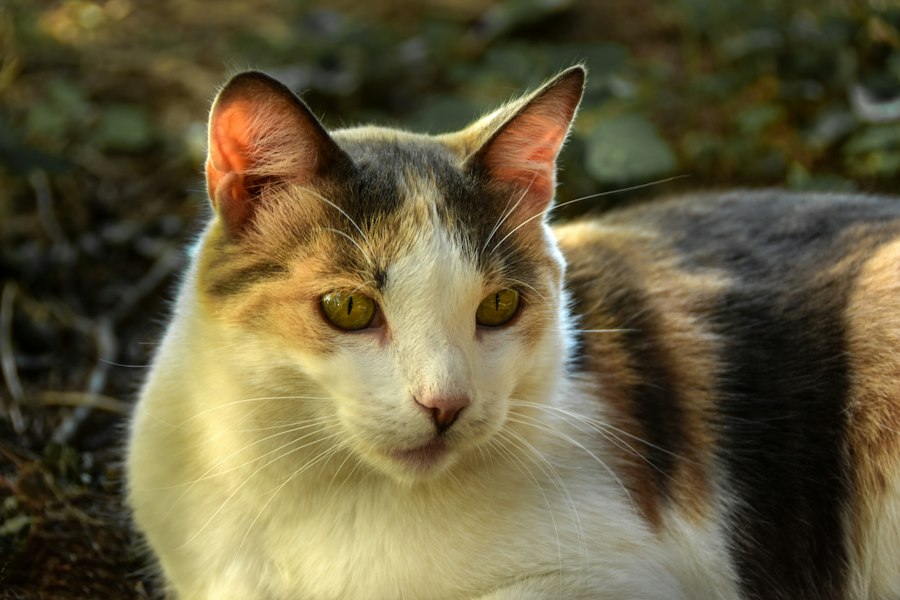
The striking tri-color coat of the calico cat is almost exclusively found in females due to a genetic phenomenon linked to the X chromosome. The gene for orange and black coloration is located on the X chromosome. For a cat to be calico, it needs to inherit one X chromosome carrying the gene for orange and another X chromosome carrying the gene for black. Since males typically have one X and one Y chromosome (XY), they can only be orange or black, or a dilute version of these colors. While rare male calicos exist, they are usually sterile due to a chromosomal abnormality (XXY). This genetic link to femaleness is not directly tied to longevity in itself, but the underlying genetic stability of female cats within the species can be seen as a baseline factor.
More importantly, the calico pattern is not a breed but a coat coloration that can occur in many different cat breeds. This means that a calico cat inherits the genetic predispositions of its underlying breed, whether it’s a domestic shorthair, a Persian, or another breed. Therefore, a calico cat’s lifespan is influenced by the general health characteristics of its breed. However, there is anecdotal evidence and some scientific speculation that the genetic diversity inherent in mixed-breed calicos, which are very common, can contribute to better overall health. Hybrid vigor, a concept where offspring of genetically diverse parents exhibit greater health and vitality, could potentially play a role. This is not to say that purebred cats are inherently unhealthy, but the broad gene pool in many mixed-breed calicos might offer a degree of natural resistance to certain inherited diseases.
Siamese Cats: The Influence of Breed-Specific Traits
The Siamese cat, with its distinctive color points, almond-shaped blue eyes, and elegant build, is a breed with a well-documented history and a relatively predictable set of genetic traits. While generally a healthy breed, Siamese cats are known to be predisposed to certain inherited conditions that can impact their lifespan if not managed. These include a higher incidence of amyloidosis, a disease where abnormal proteins build up in organs, particularly the kidneys and liver, and hypertrophic cardiomyopathy (HCM), a common heart disease in cats. Another condition to be aware of is progressive retinal atrophy, which can lead to blindness.
Despite these predispositions, the Siamese breed is also known for its robust constitution and active nature. When potential owners are aware of these breed-specific health concerns and work with reputable breeders who screen their cats for genetic diseases, these issues can often be mitigated. Early detection and management of conditions like HCM through regular veterinary check-ups, including echocardiograms, can significantly extend a Siamese cat’s life and improve its quality of life. Furthermore, the Siamese breed is not particularly prone to obesity, which is a significant factor in the longevity of many cat breeds, as excess weight can exacerbate a host of health problems. Their generally alert and curious disposition encourages physical activity, which is beneficial for cardiovascular health.
Tabby Cats: The Ubiquitous Pattern and Its Varied Genetics
The tabby pattern, characterized by stripes, swirls, dots, or ticking, is not a breed but a coat pattern that is widespread across numerous cat breeds and is the most common coat pattern found in domestic cats. This ubiquity means that the genetic factors influencing a tabby cat’s longevity are as varied as the cats themselves. A tabby domestic shorthair will have different genetic predispositions than a tabby Maine Coon or a tabby Scottish Fold.
However, the prevalence of the tabby pattern in the general cat population suggests a certain genetic resilience. The gene for the tabby pattern is dominant, meaning it’s likely to be expressed even if only one parent carries it. This widespread presence may be indicative of a gene that has been advantageous for survival in the wild or in domesticated settings. Tabby cats, particularly those that are mixed-breed, often benefit from the genetic diversity mentioned earlier. This can translate to a generally robust health profile, making them less susceptible to specific inherited diseases compared to some highly inbred purebred lines. Their adaptability to various environments and their often less demanding care requirements, when compared to some specialized breeds, can also contribute to their overall well-being and, by extension, their lifespan.
When considering the longevity of cats, it’s interesting to note that certain coat colors may be associated with different lifespans. A related article discusses the three common cat colors—black, white, and orange—and explores which of these tends to live the longest. For more insights on this topic, you can read the article at Freaky Science. Understanding these correlations can help cat owners make informed decisions about their pets’ care and health.
Environmental Factors and Lifestyle Choices
Beyond genetics, the environment in which a cat lives and the lifestyle it leads are paramount in determining its longevity. For calico, Siamese, and tabby cats alike, a safe, stimulating, and healthy living situation can add years to their lives.
The Importance of a Safe and Enriching Environment
A cat’s environment plays a crucial role in preventing accidents and minimizing stress, both of which are detrimental to health and longevity. For all cats, including calicos, Siamese, and tabbies, a secure indoor environment is generally recommended. This protects them from traffic accidents, predation, fights with other animals, and exposure to infectious diseases and parasites. Providing a stimulating indoor environment is equally important. This includes ample opportunities for climbing and perching, with cat trees and shelves allowing them to survey their territory, which mimics natural behaviors and reduces stress.
For active breeds like the Siamese, dedicated playtimes and interactive toys are essential to prevent boredom and excess energy buildup, which can sometimes manifest as destructive behaviors or anxiety. Tabby cats, often known for their independent nature, still benefit from engagement and mental stimulation. Puzzle feeders that dispense treats can provide a rewarding challenge. Calico cats, being a coat pattern rather than a breed, will have varying needs based on their underlying genetics, but generally, a sense of security and predictability in their environment is beneficial. Ensuring safe access to windows for visual stimulation, while preventing escape, offers a balance of enrichment and safety. Cat-proofing the home, removing potential toxins like poisonous plants and household chemicals, is a fundamental step in safeguarding any feline’s long-term health.
Nutrition and Weight Management: Cornerstones of Feline Health
Proper nutrition is arguably one of the most significant controllable factors in a cat’s lifespan. For calico, Siamese, and tabby cats, feeding a high-quality, balanced diet appropriate for their age, activity level, and any specific health needs is non-negotiable. This means choosing cat food that is rich in animal protein, as cats are obligate carnivores. Cats require specific nutrients like taurine, which is essential for heart health and vision, and is found abundantly in meat.
Weight management is particularly critical. Obesity in cats is a leading cause of several serious health problems, including diabetes mellitus, osteoarthritis, urinary tract issues, and heart disease. These conditions can significantly shorten a cat’s lifespan and reduce its quality of life. Siamese cats, while not as prone to obesity as some breeds, can still benefit from portion control and regular feeding schedules. Tabby cats, with their diverse genetic backgrounds, may have varying metabolic rates, making individual assessment of their dietary needs important. Calico cats, like any cat, need to be monitored for weight gain, especially as they age and their activity levels decrease. Regular weigh-ins at home or at the veterinary clinic can help catch potential weight issues early. Consulting with a veterinarian to determine the optimal diet and portion sizes for each individual cat is the most effective approach.
The Role of Routine Veterinary Care and Preventive Medicine
Proactive veterinary care is a cornerstone of feline longevity, and this holds true for calico, Siamese, and tabby cats. Regular check-ups are essential for early detection and treatment of diseases. A veterinarian can identify subtle signs of illness long before they become apparent to the owner, allowing for timely intervention. This includes physical examinations, dental checks, and, depending on age and breed predispositions, blood tests and urinalysis to screen for common feline ailments.
Vaccinations are crucial for protecting cats against potentially fatal infectious diseases such as feline leukemia virus (FeLV), feline immunodeficiency virus (FIV), rabies, and others. While the specific vaccination protocols may vary based on a cat’s lifestyle (indoor vs. outdoor) and geographical location, maintaining up-to-date vaccinations is a vital preventive measure. Parasite control, including regular deworming and flea and tick prevention, is also essential. Internal and external parasites can not only cause discomfort and illness but can also transmit serious diseases. For Siamese cats, knowing their breed-specific predispositions means regular cardiac auscultation and potentially echocardiograms to monitor for HCM. For all cats, prompt treatment of minor injuries or infections can prevent them from escalating into more serious health problems.
Personality and Social Bonds: An Often-Overlooked Aspect of Longevity

While genetics and physical care are widely recognized as contributors to lifespan, the emotional well-being and social integration of a cat also play a significant, albeit often overlooked, role in their longevity. The distinct personalities of calico, Siamese, and tabby cats can influence their interactions and overall happiness, indirectly impacting their health.
Siamese: The Vocal and Social Companion
Siamese cats are renowned for their highly social and communicative nature. They are often described as “dog-like” in their attachment to their owners, seeking out interaction and engaging in vocalizations to express their needs and desires. This strong bond with their human families can be a significant factor in their well-being. A Siamese cat that feels loved, understood, and actively involved in its household is likely to experience lower levels of stress. Chronic stress in animals, as in humans, can have a detrimental impact on the immune system and contribute to the development of various health problems over time.
The demanding nature of Siamese cats, while sometimes challenging, also means they receive a great deal of attention and interaction. This constant engagement can lead to a more stimulating life, preventing the ennui that can affect less socially integrated cats. However, it’s also important for Siamese owners to recognize their cat’s need for companionship and to ensure they are not left alone for excessively long periods without adequate stimulation and company. The development of separation anxiety can be a source of stress for these sensitive creatures.
Calico Cats: Individuality Within a Coat Pattern
As mentioned, calico is a coat pattern, not a breed, meaning the personality of a calico cat is highly individual and dependent on its breed mix and upbringing. However, there is a common anecdotal observation that calico cats, particularly those that are more mixed in their lineage, can exhibit a charming independence coupled with affectionate tendencies. This balance can contribute to a healthy lifestyle. An independent cat is often capable of entertaining itself and managing its own emotional state to a degree, while an affectionate cat benefits from the positive reinforcement and emotional support that comes from human interaction.
The variability in calico personalities means that a “one-size-fits-all” approach to understanding their social needs is not possible. Some calicos may be quite reserved, while others are outgoing and demanding of attention. The key to fostering longevity in any calico cat lies in understanding and respecting its individual personality. Providing opportunities for quiet companionship for more reserved individuals and active engagement for more gregarious ones ensures their emotional needs are met, contributing to a less stressful existence and potentially a longer life.
Tabby Cats: Adaptability and the Nature of Companionability
The tabby pattern, being the most common in domestic cats, encompasses a vast range of personalities and temperaments. This inherent adaptability is, in itself, a strength. Tabby cats are often well-adjusted to various living situations and can form strong bonds with their owners. Their companionability can range from aloof observers to cuddly lap cats. This diversity means that most owners can find a tabby cat that fits their lifestyle and vice versa.
The sheer prevalence of tabby cats in shelters and rescue organizations suggests their resilience and ability to thrive in diverse environments. Their generally robust health, as previously discussed, can be attributed in part to their widespread genetic makeup. The social needs of tabby cats are as varied as their personalities. Some may be content with a peaceful presence, while others crave regular interaction and play. The key for owners of tabby cats is to observe their individual cat’s cues and provide the level of social engagement that fosters their well-being. A cat that feels secure and loved, regardless of its specific tabby markings or breed origin, is more likely to lead a long and healthy life.
Common Health Challenges and Preventive Strategies
While calico, Siamese, and tabby cats are generally healthy, all felines are susceptible to certain health issues. Proactive identification and management of these challenges are crucial for maximizing lifespan.
Dental Health: A Gateway to Overall Well-being
Dental disease is a prevalent issue in cats and can have far-reaching consequences for their overall health and longevity. Periodontal disease, which includes gingivitis and periodontitis, can lead to pain, tooth loss, and the spread of bacteria to vital organs such as the heart, kidneys, and liver. This is a concern for all cats, regardless of coat pattern or breed.
Preventive strategies include regular dental check-ups by a veterinarian, who can assess the cat’s oral health and recommend professional cleanings under anesthesia when necessary. Owners can also contribute significantly by implementing at-home dental care. This can involve introducing tooth brushing for cats, using enzymatic toothpastes specifically designed for felines. Dental treats and specially formulated dental diets can also help reduce plaque and tartar buildup. For Siamese cats, in particular, due to their generally more delicate oral structures, maintaining excellent dental hygiene is paramount. Regular examination and cleaning can prevent pain and discomfort, allowing them to eat comfortably and maintain good nutritional intake, which is vital for their overall health.
Kidney Disease: A Silent Threat and Its Management
Chronic kidney disease (CKD) is a common ailment in older cats and can affect any cat, including calicos, Siamese, and tabbies. As cats age, their kidneys naturally lose some function, but certain factors can accelerate this decline. Symptoms can be subtle in the early stages, including increased thirst and urination, weight loss, and decreased appetite.
Early detection is key to managing CKD and improving a cat’s quality of life and lifespan. Regular veterinary check-ups, including blood and urine tests, can help identify changes in kidney function before significant symptoms appear. If CKD is diagnosed, treatment typically involves dietary changes, such as feeding a prescription low-protein, low-phosphorus diet designed for kidney patients. Ensuring adequate hydration is also critical, which can be encouraged by offering multiple water sources, using a water fountain, and feeding wet food. For Siamese cats, who may be predisposed to certain kidney issues like amyloidosis, vigilant monitoring and early intervention are especially important.
Gastrointestinal Upset: Addressing Common Digestive Issues
Gastrointestinal (GI) issues, such as vomiting and diarrhea, can range from mild and transient to chronic and debilitating. These can be caused by a variety of factors, including dietary indiscretion, food allergies or intolerances, parasites, infections, inflammatory bowel disease (IBD), and even stress.
For owners of calico, Siamese, and tabby cats, observing any changes in their cat’s bowel movements or appetite is important. If GI upset is persistent or severe, a veterinary consultation is necessary. Diagnosis may involve a physical examination, fecal testing, dietary trials, and potentially bloodwork or imaging. Treatment will depend on the underlying cause and may include dietary adjustments, medications to soothe the GI tract, deworming, or specific treatments for conditions like IBD. Ensuring a cat has access to a safe and digestible diet, free from sudden changes, and minimizing exposure to potential toxins or allergens can help prevent many common GI problems.
When considering the longevity of cats, it’s interesting to note that certain colors may have different life expectancies. A recent article explores the fascinating relationship between cat colors and their lifespans, revealing that some hues might be linked to genetic factors that influence health. For those curious about which cat color tends to live the longest, you can find more information in this related article. Understanding these nuances can help cat owners make informed decisions about their pets’ care and well-being.
The Enduring Appeal: Why These Felines Captivate Us for So Long
| Cat Color | Average Lifespan (Years) | Common Health Issues | Notes |
|---|---|---|---|
| Black | 12-16 | Generally healthy, some risk of skin cancer in light-exposed areas | Often have good survival rates; no significant lifespan disadvantage |
| Orange (Ginger) | 10-15 | Prone to obesity and diabetes | Mostly male cats; lifespan slightly shorter due to health risks |
| White | 8-14 | Higher risk of deafness and skin cancer | Sun exposure can reduce lifespan; indoor living recommended |
The continued popularity and longevity of calico, Siamese, and tabby cats stem from a multifaceted appeal that extends beyond their striking appearances. Their enduring presence in our lives is a testament to their inherent qualities that foster deep human-animal bonds, contributing to their well-being and, by extension, their longevity.
The Unique Charisma of Each Group
The calico cat, with its vibrant patchwork of colors, often evokes a sense of luck and charm. Their individual personalities, as diverse as their coats, make them endlessly fascinating companions. The Siamese, with its striking appearance and talkative nature, forms a particularly intense bond with its human family, often becoming an integral part of household dynamics. Their intelligence and playful antics keep owners engaged and entertained. The tabby cat, the ubiquitous and often understated pattern, represents the quintessential domestic cat, embodying adaptability, resilience, and a comforting familiarity. Their varied personalities, from reserved to gregarious, allow them to fit into a wide range of households and lifestyles.
The Strength of the Human-Animal Bond
The longevity of any pet is significantly influenced by the quality of care and the strength of the bond it shares with its human family. Cats that are cherished, understood, and provided with a loving and stimulating environment are more likely to thrive. The active engagement and affection often reciprocated by calico, Siamese, and tabby cats foster a deep connection that benefits both species. This emotional support system can reduce stress, improve overall mood, and encourage healthy behaviors, all of which contribute to a longer and more fulfilling life. The consistent attention and care provided by dedicated owners are invaluable in mitigating health risks and ensuring the well-being of these feline companions.
A Legacy of Companionship Across Generations
The enduring presence of calico, Siamese, and tabby cats in human societies speaks to their ability to adapt and integrate into our lives across centuries. Their consistent presence in households and their often long lifespans mean that these cats frequently form relationships with multiple generations of a family, becoming cherished members who are remembered fondly. This legacy of companionship is not merely about their physical presence but about the emotional richness they bring to our lives. Their ability to provide comfort, joy, and unwavering affection contributes to a positive cycle of care and well-being, solidifying their place not just as pets, but as valued members of the family for years to come.

Which Cat Color Lives Longest? The Research Has a Twist
FAQs
1. What are the three cat colors mentioned in the article “Three Cat Colors: Which One Lives Longest”?
The three cat colors mentioned in the article are black, white, and orange.
2. Which cat color is reported to live the longest according to the article?
According to the article, black cats are reported to live the longest compared to white and orange cats.
3. Are there specific reasons mentioned in the article for why black cats tend to live longer?
Yes, the article mentions that black cats may have a genetic advantage that helps them live longer, although the specific reasons are not fully understood.
4. Do white and orange cats have any unique characteristics mentioned in the article?
The article does not mention any unique characteristics specific to white or orange cats that may impact their lifespan compared to black cats.
5. Are there any factors besides coat color that can influence a cat’s lifespan?
Yes, factors such as genetics, diet, exercise, environment, and access to veterinary care can all play a role in determining a cat’s lifespan, in addition to coat color.