The Feline Spectrum: Unraveling the Lifespan Differences Between Orange and White Cats
The world of domestic felines is a vibrant tapestry, woven with a dazzling array of coat colors and patterns. Among the most striking and beloved are the vividly hued orange cats, often characterized by their bold personalities, and the pristine elegance of their white counterparts. While anecdotal evidence and owner observations abound, a pertinent question often arises in the minds of cat enthusiasts: do these distinct coat colors influence a cat’s lifespan? This article delves into the scientific and observational data, exploring the potential biological, genetic, and environmental factors that might contribute to any discernible differences in longevity between orange and white cats. It aims to provide a comprehensive overview, moving beyond mere superstition to a more informed understanding of feline health and lifespan.
When considering the lifespan of cats, it’s interesting to note the variations between different coat colors, such as orange and white cats. Research suggests that factors like genetics, health care, and environment play significant roles in determining a cat’s longevity. For a deeper understanding of how these factors may influence the lifespan of orange cats compared to their white counterparts, you can read more in this related article: Freaky Science.
Genetic Predispositions and Their Impact on Feline Longevity
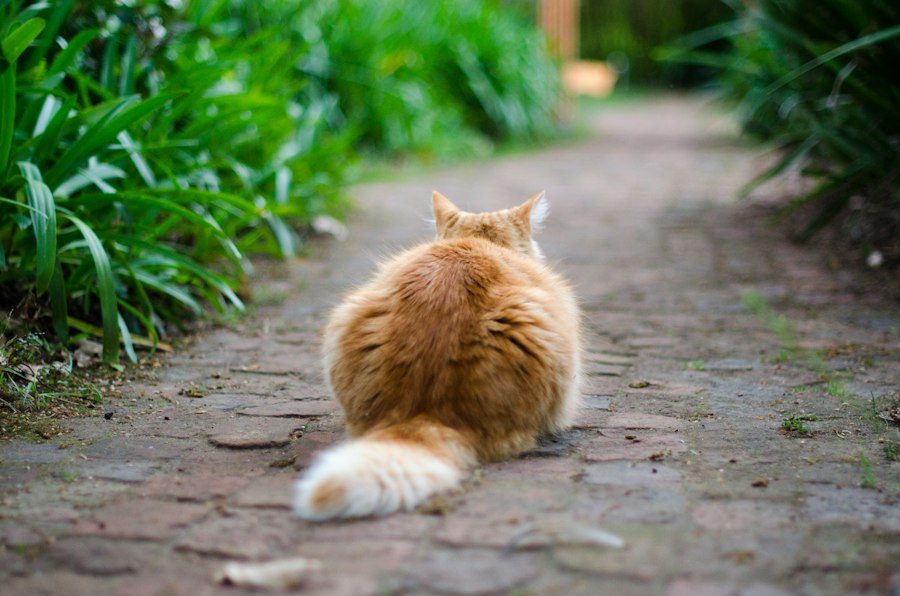
The genetic makeup of a cat is a fundamental determinant of its physical characteristics, including coat color. These genes do not operate in isolation; they are intricately linked to a cascade of other biological processes that can, in turn, influence a cat’s overall health and susceptibility to various conditions, ultimately impacting its lifespan. Understanding these genetic links is crucial to dissecting the potential lifespan disparities between different coat color groups.
The Orange Gene and Its Chromosomal Hangover
The gene responsible for orange coloration in cats, the O gene, is located on the X chromosome. This is a critical piece of information, as it immediately introduces a sex-linked element to coat color inheritance. Male cats are XY, meaning they possess only one X chromosome. If this X chromosome carries the O gene, the male cat will be orange. Female cats, on the other hand, are XX, and require two copies of the O gene (one on each X chromosome) to be fully orange. A female with only one O gene will be a calico or tortoiseshell, displaying patches of orange, black, and white due to X-inactivation.
While the O gene itself doesn’t directly confer a lifespan advantage or disadvantage, its association with the X chromosome can have indirect effects. For instance, males are more susceptible to X-linked genetic disorders because they lack a second X chromosome to compensate for any faulty genes. However, this is a general principle for X-linked disorders and not specifically linked to the orange gene in a way that would directly shorten lifespan. What is more relevant is the potential for linkage disequilibrium. This occurs when certain genes are located close together on a chromosome and tend to be inherited together. It is a possibility that genes influencing lifespan or health are located in close proximity to the O gene on the X chromosome. Research in this area is ongoing, but it’s a plausible avenue for explaining subtle differences if they exist.
White Coat Genetics: More Than Just a Blank Canvas
The genetics of white fur in cats are more complex than those of orange. True white cats are not simply lacking pigment; they often have the dominant white gene (W). This gene masks the expression of all other color genes. Cats with the W gene can have any underlying coat color, but it is not visible. The W gene is also associated with several health concerns, most notably deafness. The gene responsible for white spotting, known as the piebald spotting gene (S), is distinct from the dominant white gene. Cats with piebald spotting have patches of color and patches of white.
The most significant lifespan-related concern associated with white coats arises from the dominant white gene (W). This gene is linked to the development of the inner ear and can disrupt the formation of hair cells essential for hearing. Approximately 30-40% of white cats with blue eyes are born deaf, and this figure increases to around 70-80% for white cats with two blue eyes. While deafness itself is not fatal, it can significantly impact a cat’s quality of life and increase its vulnerability. Deaf cats are more prone to accidents, such as being hit by cars, as they cannot hear approaching dangers. They may also struggle to detect predators or even the sounds of their owners calling them. Furthermore, some studies have suggested a possible link between the dominant white gene and other health issues, although this is less definitively established than the deafness association.
Behavioral Tendencies and Their Influence on Well-being
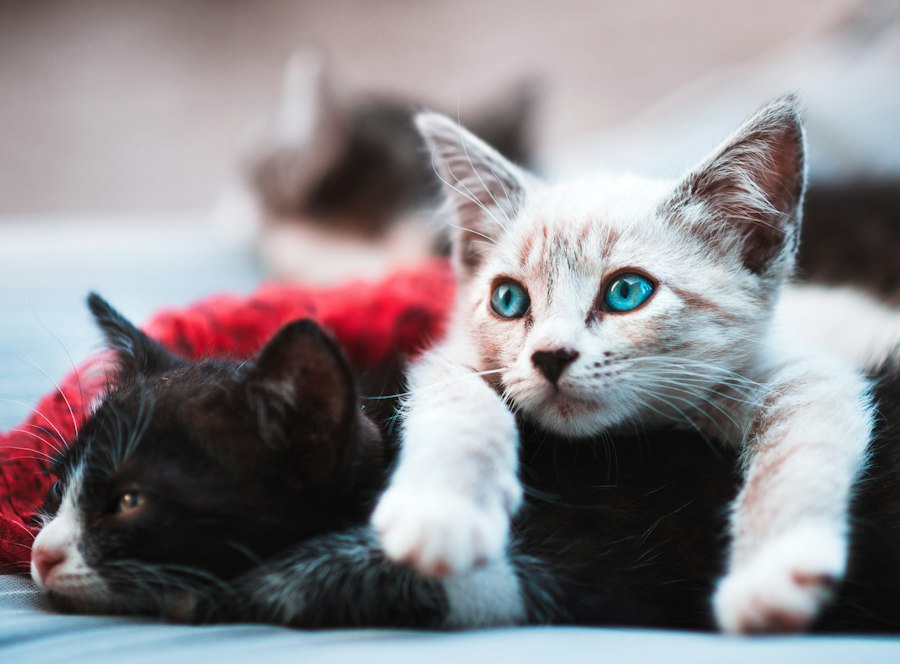
Beyond genetics, the inherent behavioral tendencies of different cat types can play a significant role in their overall well-being and, consequently, their lifespan. While attributing specific personality traits solely to coat color is a generalization, certain patterns have been observed and are often discussed within the feline community. These behaviors, whether they contribute to greater risk-taking or promote more sheltered lives, can indirectly impact how long a cat lives.
The “Ginger Cat Syndrome”: Boldness and Adventure
Orange cats, often colloquially referred to as “gingers,” are frequently described as having a bolder, more outgoing, and sometimes more mischievous personality. This perceived tendency towards adventurousness could lead to increased exposure to risks. For instance, a more curious and less cautious cat might be more inclined to explore the outdoors unsupervised, increasing its chances of encountering traffic, fights with other animals, or exposure to parasites and diseases. The “ginger cat syndrome” is a popular, albeit not scientifically rigorous, concept that describes these assertive and sometimes reckless traits.
While it’s important to avoid overgeneralization, if a statistically significant number of orange cats exhibit these risk-taking behaviors, it could contribute to a slightly lower average lifespan compared to cats with more reserved temperaments. This is not because the orange gene itself is detrimental, but rather because the associated behavioral traits may lead to a life with more potential hazards. Owners of orange cats might need to be particularly vigilant about providing safe environments, especially if their feline companions show a strong inclination to roam. This could involve ensuring secure outdoor enclosures, supervised outdoor time, or keeping them exclusively indoors.
The Quiet Dignity of White Cats: A More Cautious Existence?
In contrast to the perceived exuberance of orange cats, white cats, particularly those with blue eyes and associated deafness, might lead a more sheltered and less adventurous life. A deaf cat, by necessity, often relies more on its owners for its safety and may be less inclined to venture into unknown or potentially dangerous territories. This can result in a more protected existence, minimizing exposure to external risks.
However, this increased protection can be a double-edged sword. While it mitigates external dangers, it doesn’t necessarily address any intrinsic health vulnerabilities that might be linked to their coat color genetics. Furthermore, the behavioral impact of deafness itself can be significant. Deaf cats may experience anxiety or stress due to their inability to hear their surroundings, which could have long-term health implications. Their reliance on visual cues and owner interaction might also lead to them being less independent, requiring more attentive care and supervision. The quiet nature sometimes attributed to white cats could, in some instances, stem from their dependence on owners and their limited sensory input, rather than an inherent disposition towards reclusiveness.
Environmental Factors and Lifestyle Choices
While genetic predispositions and inherent behavioral tendencies lay a foundation, the environment in which a cat lives and the lifestyle it leads are profoundly influential in determining its lifespan. These external factors can either mitigate or exacerbate any underlying vulnerabilities associated with coat color.
Indoor vs. Outdoor Living: A Critical Differentiator
Perhaps the most significant environmental factor impacting feline lifespan is the distinction between indoor and outdoor living. Indoor cats are generally protected from a multitude of dangers, including traffic accidents, predation by larger animals, fights with other cats (which can lead to serious infections like Feline Immunodeficiency Virus – FIV), exposure to toxins, and extreme weather conditions. This significantly increases their average lifespan.
For white cats, especially those with deafness, an indoor-only lifestyle is often strongly recommended. Their inability to hear approaching dangers makes the outdoors a particularly perilous environment. By keeping them indoors, owners can create a safe haven and minimize the risks associated with their sensory impairment. For orange cats, the decision to keep them indoors is also beneficial for longevity, irrespective of their adventurous tendencies. Supervised outdoor access, such as in a secure catio or on a leash, can offer the benefits of outdoor stimulation without the inherent risks. The “boldness” of orange cats might make them more prone to slipping out of an unsecured door or fence, making rigorous containment measures even more important for this group.
Diet, Veterinary Care, and Overall Health Management
Regardless of coat color, access to a balanced and nutritious diet is paramount for a cat’s long-term health. High-quality food supports a robust immune system, healthy organ function, and helps prevent obesity, a common health issue that can lead to a host of other problems like diabetes, arthritis, and heart disease.
Regular veterinary check-ups are equally crucial. These appointments allow for early detection and treatment of potential health issues, including those that might be more prevalent in certain coat color groups. For example, veterinarians can monitor white cats for signs of ear infections or other conditions linked to their genetics. Similarly, they can advise on parasite prevention and vaccination schedules, which are vital for all cats, but perhaps even more so for those with a greater propensity for outdoor exploration. Proactive health management, including appropriate grooming, dental care, and addressing any signs of stress or illness, contributes significantly to a cat’s overall well-being and can extend its life.
When considering the lifespan of cats, many pet owners often wonder if coat color plays a role in longevity. A recent article explores the intriguing differences between orange cats and their white counterparts, shedding light on various factors that may influence their lifespans. For those interested in learning more about this topic, you can read the full article here. Understanding these differences can help cat owners provide better care tailored to their feline friends’ needs.
Synthesizing the Evidence: Towards a Nuanced Understanding
| Cat Color | Average Lifespan (Years) | Common Health Issues | Notes |
|---|---|---|---|
| Orange Cat | 12-15 | Dental disease, obesity | Generally friendly and social, no significant lifespan difference due to color |
| White Cat | 12-15 | Deafness (especially blue-eyed), sun sensitivity | Prone to sunburn and skin cancer, especially on ears and nose |
When examining the question of whether orange cats live longer than white cats, or vice versa, it becomes clear that the answer is not a simple dichotomy. The available evidence suggests a complex interplay of genetic predispositions, behavioral tendencies, and environmental influences. While definitive, large-scale studies specifically comparing the lifespans of orange and white cats are scarce, we can synthesize existing knowledge to form a more nuanced understanding.
The Absence of Definitive Proof and the Power of Anecdote
It is important to acknowledge that there is no robust scientific consensus that definitively states orange cats live longer than white cats, or vice versa, based solely on coat color. Much of the discourse surrounding lifespan differences is rooted in anecdotal observations and popular beliefs within the feline community. While these anecdotes can be insightful, they are not a substitute for rigorous scientific investigation. Factors such as individual genetic variation within each color group, the specific health of an individual cat, and the quality of care it receives often play a far more significant role than its coat color alone.
However, the observed trends and potential genetic links cannot be entirely dismissed. The known association of the dominant white gene with deafness in white cats is a tangible factor that can undeniably impact their safety and quality of life, potentially leading to shorter lifespans if not managed with extreme care. Similarly, the behavioral traits often associated with orange cats, while not universal, could lead to increased risks if not counteracted by responsible ownership.
Bridging Genetics, Behavior, and Environment for Optimal Longevity
Ultimately, promoting optimal lifespan for any cat, regardless of its coat color, hinges on a holistic approach that considers all these factors. Understanding the potential genetic predispositions, such as the risk of deafness in white cats, allows owners to take proactive measures. This might involve regular veterinary checks for ear health and prioritizing an indoor-only lifestyle. For orange cats, recognizing their potentially bolder nature can prompt owners to implement stricter safety protocols, such as secure fencing or supervised outdoor access, to mitigate risks.
Furthermore, providing a stimulating and safe environment, a high-quality diet, and consistent veterinary care are universal recommendations that benefit all cats. The companionship and love offered by owners also play an immeasurable role in a cat’s overall well-being. While coat color may offer subtle clues to potential predispositions, it is the combination of responsible ownership, attentive care, and a bit of luck that truly determines how long and how well a feline friend thrives. The vibrant orange and the pristine white are merely outward expressions of a complex biological and environmental narrative, where lifespan is a story written by many hands.
