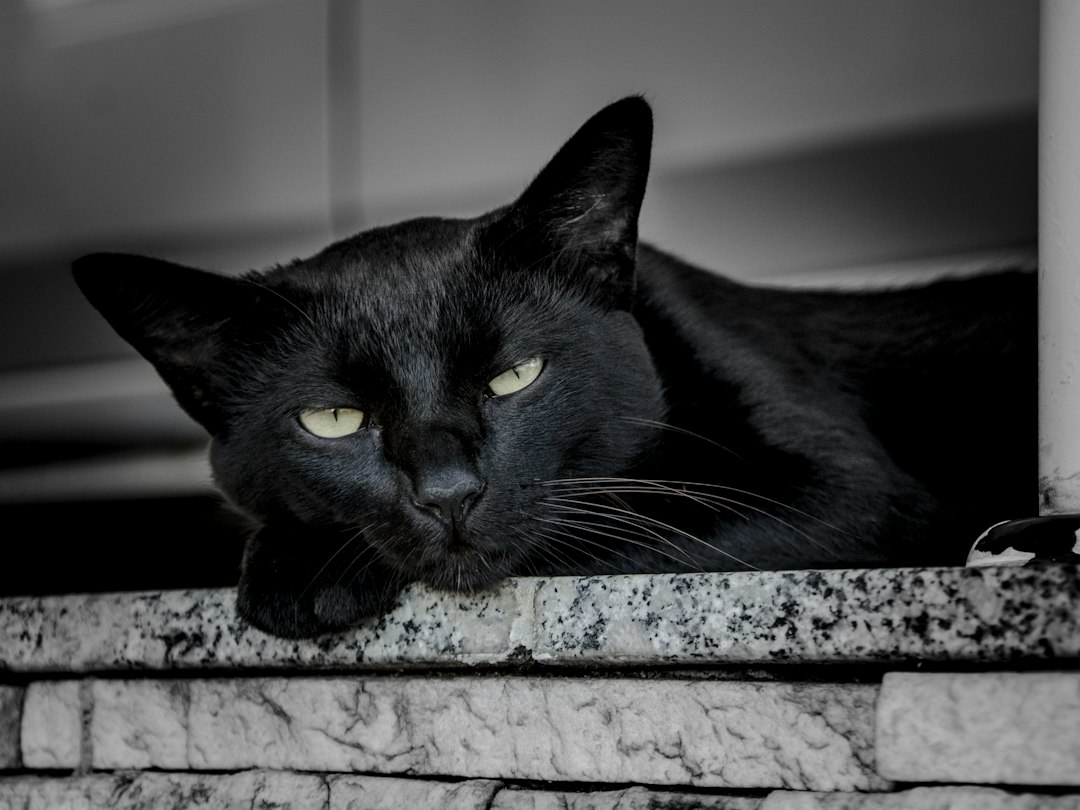
The common superstition surrounding black cats paints them as harbingers of misfortune, a notion that has unfortunately lingered for centuries. This pervasive myth often extends to beliefs about their health and longevity, leading to misconceptions about the actual lifespan of these often-misunderstood felines. When discussing the truth about black cat lifespan, it is crucial to acknowledge and then actively dispel these ingrained myths, offering factual information grounded in veterinary science and observational data. The reality is that a cat’s coat color, including black, has absolutely no bearing on how long it will live. Instead, factors such as genetics, diet, healthcare, environment, and breed play a far more significant role in determining a cat’s overall lifespan. This article aims to explore these contributing factors in detail, providing a comprehensive understanding of feline longevity and specifically addressing the unfounded myths associated with black cats.
The Longevity of Felines: A General Overview
When considering the lifespan of any cat, it’s essential to understand the general trends and influencing factors that apply across the board, regardless of coat color. While specific breeds might have predispositions to certain health issues that could affect longevity, the average domestic cat enjoys a remarkably long life when provided with proper care. This average can fluctuate, but generally, domestic cats are living longer than ever before, thanks to advancements in veterinary medicine and increased owner awareness regarding feline nutrition and well-being.
Factors Influencing Cat Lifespan
Several key elements contribute to the overall health and lifespan of a feline companion. These are not exclusive to any particular coat color but are fundamental to ensuring a cat lives a full and healthy life. Understanding these factors is the first step in dispelling any myths that might suggest otherwise for specific types of cats.
Nutrition and Diet
A cat’s diet is paramount to its health. A balanced diet, rich in essential nutrients, protein, and appropriate fats, forms the foundation of a strong immune system and healthy organ function. For many years, the concept of “cat food” was relatively basic. However, today’s veterinary understanding emphasizes species-specific nutritional needs. High-quality commercial cat foods are formulated to provide complete and balanced nutrition, catering to different life stages (kitten, adult, senior) and specific health needs (e.g., urinary tract health, weight management).
For owners of black cats, as for all cat owners, providing a diet free from excessive fillers, artificial ingredients, and inappropriate carbohydrates is crucial. Wet food, in particular, can contribute to better hydration, which is vital for kidney health, a common area of concern in older cats. Consulting with a veterinarian to determine the most appropriate diet for an individual cat, considering its age, activity level, and any existing health conditions, is always recommended. Nutritional deficiencies or an imbalanced diet can lead to a range of health problems, from obesity and diabetes to weakened immunity, all of which can significantly shorten a cat’s life.
Veterinary Care and Health Monitoring
Regular veterinary check-ups are indispensable for a cat’s longevity. These visits allow veterinarians to detect potential health issues in their early stages, when they are often more treatable. Vaccinations protect against common and potentially fatal feline diseases. Parasite control, including regular deworming and flea and tick prevention, is also vital. Beyond preventive care, routine examinations help monitor a cat’s overall health, allowing for early intervention if any abnormalities are detected.
The myth that black cats are inherently more prone to illness or have shorter lifespans might stem from a lack of proactive veterinary care in the past, perhaps influenced by the superstitions themselves. However, modern veterinary practices ensure that all cats, regardless of their appearance, receive the best possible medical attention. This includes prompt diagnosis and treatment of illnesses, dental care, and management of chronic conditions as they arise. A well-cared-for cat, irrespective of its coat color, stands a much better chance of living a long and healthy life.
Lifestyle and Environment
A cat’s lifestyle and environment play a significant role in its well-being and lifespan. Indoor cats generally live longer than outdoor cats. This is primarily due to reduced exposure to dangers such as traffic accidents, fights with other animals, predation, and exposure to infectious diseases and parasites. An enriched indoor environment, which includes opportunities for play, climbing, scratching, and mental stimulation, is crucial for preventing boredom, stress, and behavioral issues, all of which can impact a cat’s health.
For black cats, as for any other cat, a safe and stimulating indoor environment contributes directly to a longer, healthier life. Providing scratching posts, climbing structures, interactive toys, and windows for them to observe the outside world can significantly improve their quality of life. Conversely, a stressful or unstimulating environment can lead to health problems and a diminished lifespan. Outdoor cats face a myriad of risks that are significantly mitigated by keeping them indoors.
Genetics and Breed Predispositions
Genetics are a fundamental determinant of an animal’s lifespan. Certain genetic factors can predispose cats to specific health conditions. For example, some breeds are known to be more prone to heart disease, kidney disease, or certain types of cancer. While specific genetic predispositions are not linked to coat color in the way myths might suggest, they are a crucial consideration in understanding feline longevity. Mixed-breed cats, often referred to as domestic shorthairs or longhairs, generally tend to be more genetically diverse and may not carry the same breed-specific health risks as purebred cats.
The belief that black cats have inherently shorter lifespans is not supported by genetic science. The gene responsible for black coat color is a simple dominant gene and is not linked to any known genetic disorders that would inherently shorten a cat’s life. While individual cats may inherit genetic predispositions to certain ailments, this is a matter of individual inheritance, not coat color.
Average Lifespan of Domestic Cats
The average lifespan of a domestic cat can range significantly, but with good care, most indoor cats can live between 12 to 18 years, and many can even reach their early twenties. Outdoor cats, due to the inherent risks they face, typically have a shorter average lifespan, often around 2 to 5 years. This stark difference highlights the impact of environmental safety and healthcare on longevity. It is important to reiterate that coat color plays no part in this statistical average. A black cat living in a safe, enriching indoor environment with regular veterinary care is just as likely, if not more so, to live a long life as a cat of any other color under the same conditions.
When exploring the fascinating topic of black cat lifespans, it’s essential to consider various factors that can influence their longevity, such as genetics, environment, and care. For a deeper understanding of these aspects and more insights into feline health, you can read a related article that discusses the overall lifespan of cats and how it varies among different breeds. Check it out here: The Truth About Cat Lifespan.
Debunking the Myth: Black Cats and Misfortune
The historical association of black cats with witchcraft and bad luck is a deeply ingrained cultural superstition, particularly prevalent in Western societies. This association has unfortunately led to prejudice against these animals, impacting their adoption rates and sometimes even their treatment. Understanding the origins of this myth is key to dismantling its irrational hold and appreciating the reality of black cat lifespan.
Historical Roots of the Superstition
The link between black cats and negative omens can be traced back to medieval times. During the witch hunts, black cats were often associated with witches, believed to be their familiars or even witches in disguise. This association was likely fueled by their nocturnal habits, their ability to move silently and unseen in the dark, and their striking, sometimes unsettling, yellow or green eyes that seem to glow in the night. The color black itself has also historically been linked to darkness, mystery, and the unknown, further contributing to their negative portrayal.
In some cultures, like ancient Egypt, black cats were actually revered and associated with the goddess Bastet, a deity of home, fertility, and protection. However, the prevailing superstitions in Europe during the Middle Ages were far more dominant in shaping Western perceptions. This negative stereotyping meant that black cats were often persecuted, killed, or neglected, contributing to a cycle of fear and distrust.
The Impact of Superstition on Perceptions
The perpetuation of these superstitions has had a tangible impact on how black cats are perceived. This can manifest in several ways, including:
- Lower Adoption Rates: Sadly, black cats are often the last to be adopted from shelters, and they may remain there for longer periods. Potential adopters may unconsciously or consciously avoid them due to their association with bad luck.
- Increased Risk of Abandonment: In some cases, owners might abandon their black cats if they develop a belief that the cat is bringing them misfortune.
- Cruelty and Neglect: While not widespread, there have been documented instances of cruelty or neglect directed towards black cats, fueled by these irrational fears.
It is vital to counter these perceptions with factual information. The reality is that a cat’s coat color is a genetic trait, a beautiful natural variation, and has no power to influence luck or destiny. The only “luck” a cat influences is the positive luck of companionship, joy, and love it brings into a home.
The Scientific Reality: No Link Between Color and Luck
From a scientific standpoint, there is absolutely no correlation between a cat’s coat color and its ability to influence luck or bring about misfortune. Luck is a concept rooted in belief and chance, not in biology or genetics. The gene that determines a black coat color is a melanin-producing gene, specifically the allele for black pigment. This gene functions independently of any known genetic pathways that would affect luck or destiny.
Focusing on the actual science behind feline health and lifespan reveals that factors like genetics, diet, and veterinary care are the true determinants. The idea that a black cat could be inherently unlucky or inherently unhealthy is a baseless superstition. When myths are dispelled with facts, the true nature of these animals—their capacity for love, their individual personalities, and their need for care—can shine through.
Understanding the Genetics of Black Coat Color
The genetics behind a cat’s coat color are fascinating and complex, involving multiple genes that interact to produce a vast array of patterns and shades. For black cats, the primary gene responsible is straightforward, but its interaction with other genes can lead to variations in the shade of black or the presence of other colors. Importantly, the genetic basis for black fur is well-understood and has no known implications for a cat’s health or lifespan.
The Agouti Gene and Pigment Production
The gene responsible for producing pigment in cats is called the Agouti gene (gene symbol A). This gene influences the distribution of melanin, the pigment responsible for fur color. The Agouti gene has several alleles, with the dominant allele (AB) allowing for the production of phaeomelanin (reddish-yellow pigment) and eumelanin (black pigment). The recessive allele (at) can lead to banded hairs.
However, the gene that ultimately determines whether a cat will be black or not is the Melanocortin 1 Receptor gene (gene symbol MC1R). This gene acts as a switch, controlling the type of melanin that is produced. There are two main alleles for the MC1R gene:
- Black allele (B): This dominant allele leads to the production of eumelanin, resulting in black pigment.
- Non-black allele (b): This recessive allele leads to the production of phaeomelanin or a dilution of pigment, resulting in red or diluted colors (like cream, blue, or lilac).
Therefore, a cat with at least one copy of the dominant B allele will have the potential to produce black pigment. If a cat has two copies of the recessive b allele, it will not be able to produce black pigment and will be either red or a dilute color, depending on other genes.
Dilution Genes and Variations in Black
Even within the “black” category, there can be variations. The dilution gene (gene symbol D) can affect the intensity of pigment.
- Non-dilute allele (D): This dominant allele allows the pigment to be expressed fully.
- Dilute allele (d): This recessive allele causes the pigment to be diluted.
So, a cat with the genotype BB or Bb for the black gene will have black pigment. If this cat also has the genotype DD or Dd for the dilution gene, its coat will appear as a deep, true black. However, if a black-pigmented cat also has two copies of the dilute allele (dd), the black pigment will be diluted, resulting in a slate grey color, often referred to as “blue.” This is not a health issue; it is simply a variation in pigment expression.
Other Genes Affecting Coat Appearance
Other genes can further influence a cat’s coat. For example, the Tabby gene (T) is responsible for the patterns seen in tabby cats, which can include stripes, swirls, or spots. Even a black cat can have a hidden tabby pattern, known as a “ghost tabby” or “phantom tabby.” This pattern is caused by the Agouti gene (A), which allows for banding on the hairs. If a cat has the genotype aa (non-agouti), the tabby pattern is suppressed, and the cat appears solid black. However, in certain lighting conditions or as the cat ages, faint tabby markings might become visible, especially on the face, legs, or tail.
Crucially, none of these genes for coat color or pattern are linked to any health issues or predispositions that would shorten a cat’s lifespan. The genetic machinery that determines whether a cat has a jet-black coat, a grey coat, or a tabby pattern is entirely separate from the genes that govern its health and longevity.
Common Health Concerns and Lifespan Determinants
While coat color has no bearing on a black cat’s lifespan, certain health concerns can affect felines of all colors. Understanding these common issues and how they are managed is crucial to appreciating that a black cat’s potential lifespan is determined by the same factors as any other cat’s.
Age-Related Health Issues
As cats age, they can develop a range of age-related health problems, just like humans. These can include:
- Kidney Disease: Chronic kidney disease is a common ailment in older cats, affecting their ability to filter waste from the blood.
- Arthritis: Joint inflammation can cause pain and mobility issues in senior cats, making it difficult for them to jump, climb, or groom themselves.
- Dental Disease: Periodontal disease is prevalent in older cats and can lead to pain, tooth loss, and systemic infections if left untreated.
- Hyperthyroidism: An overactive thyroid gland can cause weight loss, increased appetite, and hyperactivity.
- Cancer: Various types of cancer can affect older cats, including lymphoma, squamous cell carcinoma, and mammary tumors.
- Diabetes Mellitus: This condition, similar to diabetes in humans, affects the body’s ability to regulate blood sugar.
Proactive veterinary care, including regular check-ups and early detection, is key to managing these conditions. Dietary adjustments, medications, and supportive therapies can significantly improve the quality of life and extend the lifespan of cats suffering from age-related illnesses.
Inherited Conditions and Breed Predispositions (General)
While black cats as a group do not suffer from specific inherited conditions tied to their color, some breeds of cats are known to be predisposed to certain genetic health issues. For instance:
- Persian cats: Can be prone to polycystic kidney disease (PKD) and certain eye conditions.
- Siamese cats: May be predisposed to amyloidosis, a condition where abnormal proteins build up in organs.
- Maine Coons: Can have a higher incidence of hip dysplasia and hypertrophic cardiomyopathy (HCM), a heart condition.
Responsible breeders screen their cats for these genetic predispositions to reduce the risk in future generations. Owners of purebred cats should be aware of potential breed-specific health concerns and discuss them with their veterinarian. For mixed-breed cats, including black domestic shorthairs and longhairs, the genetic diversity often leads to generally robust health.
The Role of Sterilization
Spaying and neutering have significant positive impacts on a cat’s lifespan. Unspayed female cats are at higher risk of developing mammary tumors and uterine infections (pyometra). Unneutered male cats are more prone to roaming, fighting, and contracting diseases like FIV (Feline Immunodeficiency Virus) and FeLV (Feline Leukemia Virus) through bites and other close contact. Sterilization eliminates these risks and also reduces the likelihood of unwanted litters, contributing to population control and fewer homeless animals.
Infectious Diseases and Prevention
Preventable infectious diseases can pose a threat to a cat’s life. Routine vaccinations protect against serious illnesses such as:
- Feline Leukemia Virus (FeLV): A retrovirus that can suppress the immune system and lead to various cancers.
- Feline Immunodeficiency Virus (FIV): Often called “feline AIDS,” FIV weakens the immune system, making cats susceptible to secondary infections.
- Feline Panleukopenia Virus (FPV): A highly contagious and often fatal viral disease.
- Feline Herpesvirus (FHV-1) and Feline Calicivirus (FCV): Common causes of upper respiratory infections.
Regular veterinary check-ups, vaccinations, and keeping cats indoors or in safe outdoor enclosures are the best ways to protect them from these diseases.
Understanding the lifespan of black cats can be quite intriguing, especially when considering various factors that contribute to their longevity. For those interested in exploring this topic further, a related article can provide valuable insights into the health and care of these feline companions. You can read more about it in this informative article, which discusses the unique aspects of black cat care and how it impacts their overall lifespan.
The Real Lifespan of Black Cats: Evidence and Anecdotes
| Metric | Details |
|---|---|
| Average Lifespan of Black Cats | 12 to 16 years |
| Maximum Recorded Lifespan | Up to 20 years or more |
| Factors Affecting Lifespan | Genetics, diet, healthcare, indoor vs outdoor living |
| Indoor Black Cat Lifespan | Typically 14 to 16 years |
| Outdoor Black Cat Lifespan | Typically 7 to 10 years |
| Common Health Issues | Obesity, dental disease, kidney disease, hyperthyroidism |
| Myth: Black Cats Have Shorter Lifespans | False – coat color does not affect lifespan |
| Impact of Superstitions | May affect adoption rates but not lifespan |
Dispelling the myths surrounding black cat lifespan requires presenting factual evidence and real-world examples that demonstrate their longevity. When a black cat is given the same love, care, and medical attention as a cat of any other color, it thrives and lives a long, fulfilling life.
Veterinary Data and Shelter Statistics
While comprehensive studies specifically isolating the lifespan of black cats versus other colored cats are scarce, the general consensus within the veterinary community and among animal welfare organizations is that coat color is not a predictive factor for longevity. Data from animal shelters often shows that black cats spend longer in shelters and have lower adoption rates, but this is a reflection of human bias, not their inherent health. Once adopted into loving homes, their survival rates and lifespan are comparable to cats of other colors.
Veterinary records of cats treated for various ailments and for routine check-ups do not reveal any patterns suggesting black cats are inherently less healthy or live shorter lives. When a black cat presents with a health issue, the diagnosis and prognosis are based on the specific medical condition, its severity, and the cat’s overall health, not its fur color.
The Rise of Long-Lived Black Cat Companions
Countless anecdotal stories and observations from veterinarians and cat owners attest to the long and healthy lives of black cats. Many black cats live well into their late teens and even their early twenties, provided they receive excellent care. These are not exceptions; they are the norm for well-looked-after felines.
Consider the number of beloved black cat family members who have graced homes for decades, sharing in life’s joys and offering unwavering companionship. These cats are active, playful, and loving well into their senior years. Their success stories are testaments to good genetics, a nurturing environment, and proactive veterinary care. The absence of any biological or genetic basis for a shorter lifespan means that a black cat’s potential for longevity is limited only by the quality of care it receives.
Focusing on Individual Needs, Not Color
Ultimately, the most crucial takeaway is that each cat is an individual. Their personality, health, and lifespan are shaped by a unique combination of genetics, environment, diet, and veterinary care. Judging or making assumptions about a cat’s health or potential lifespan based on its color is a harmful and inaccurate practice.
When considering adopting a cat, potential owners should focus on finding a feline companion whose personality and needs match their own, regardless of their coat color. A black cat can be just as affectionate, playful, and loyal as any other cat. By dispelling the myths and focusing on the actual factors that contribute to a cat’s well-being, we can ensure that all cats, including black cats, have the opportunity to live long, happy, and healthy lives. The truth is that black cats are not unlucky; they are simply cats, deserving of the same love and care as any other feline friend. Their potential lifespan is as robust as that of cats with any other coloration.
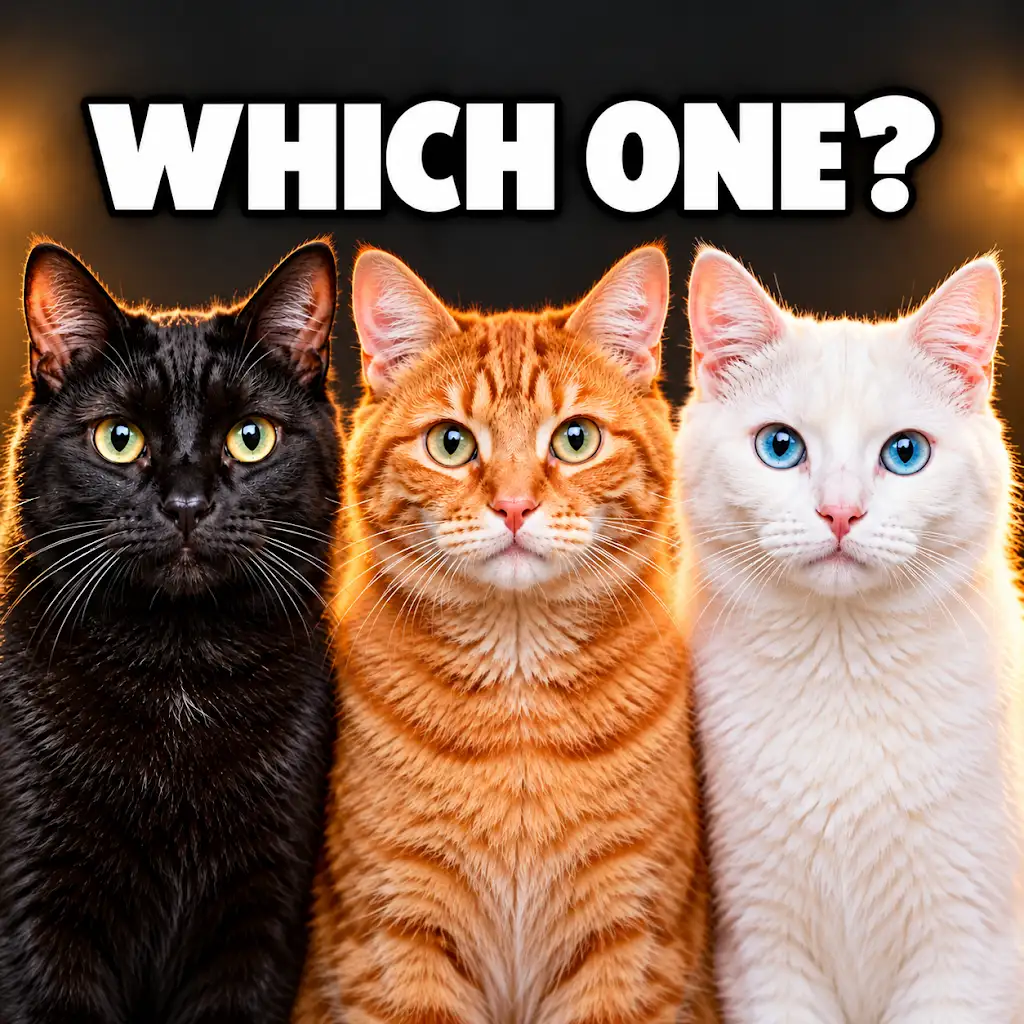
Which Cat Color Lives Longest? The Research Has a Twist
FAQs
What is the average lifespan of a black cat?
The average lifespan of a black cat is around 12-15 years, but some can live into their early 20s with proper care.
Do black cats have a shorter lifespan compared to other cat breeds?
There is no scientific evidence to suggest that black cats have a shorter lifespan compared to other cat breeds. Their lifespan is determined by factors such as genetics, environment, and overall health.
What factors can affect the lifespan of a black cat?
Factors that can affect the lifespan of a black cat include genetics, diet, exercise, veterinary care, environment, and overall health. Providing a safe and loving home, regular veterinary check-ups, and a balanced diet can help increase their lifespan.
Are there any health issues that are common in black cats that can affect their lifespan?
Black cats are not more prone to specific health issues compared to other cat breeds. However, like all cats, they can be susceptible to common health problems such as dental issues, obesity, diabetes, and kidney disease. Regular veterinary check-ups can help detect and manage these health issues early on.
How can I help ensure a long and healthy life for my black cat?
To help ensure a long and healthy life for your black cat, provide a balanced diet, regular exercise, mental stimulation, a safe environment, and regular veterinary check-ups. Keeping your cat indoors can also help protect them from potential dangers such as traffic accidents, predators, and diseases.