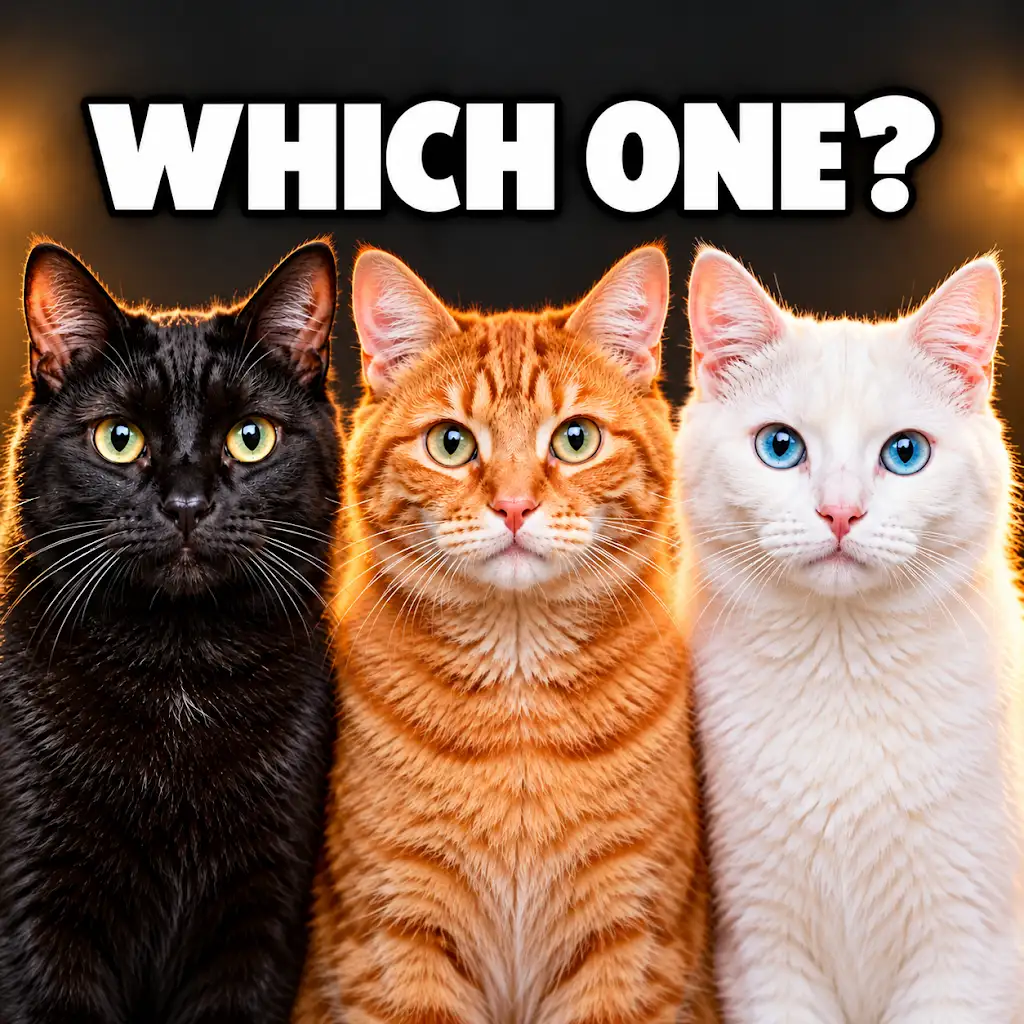
The world of feline companionship is a tapestry woven with affection, playful antics, and, for many, the hope of a long and healthy life shared with their beloved pets. While the average lifespan of a domestic cat hovers around 12-15 years, whispers and tales abound of extraordinary felines who defy these norms, living far into their second or even third decade. When contemplating extended feline longevity, one particular coloration often surfaces in discussions and anecdotal evidence: the vibrant and personality-filled orange cat. This article delves into the fascinating realm of exceptionally long-lived cats, with a specific focus on the intriguing patterns and potential factors associated with the lifespan of orange tabbies, exploring surprising facts that illuminate the science, genetics, and sheer good fortune that contribute to these remarkable companions.
Unraveling the Myth of the Orange Cat’s Longevity
The idea that orange cats live longer is, in many ways, a testament to their enduring popularity and the strong bonds they forge with their human families. While definitive scientific proof directly linking orange coloration to significantly extended lifespans is still a subject of ongoing research and debate, a wealth of anecdotal evidence and statistical observations suggest a compelling correlation. Many of the oldest cats on record, those that have graced the pages of Guinness World Records and the hearts of their owners for well over two decades, have often been described as possessing the characteristic ginger hue. This perception, while not a definitive scientific conclusion, fuels the curiosity and encourages a deeper look into the characteristics of these sunny-hued felines.
The Genetic Blueprint of Orange
The distinctive orange coloration in cats is determined by a specific gene located on the X chromosome. This gene, known as the Orange gene (O), controls the production of pheomelanin, the pigment responsible for red and yellow hues. In a fascinating display of genetics, this X-linked inheritance has a direct impact on the sex ratio of orange cats. Because males have only one X chromosome (XY), they only need one copy of the Orange gene to express the coloration. Females, on the other hand, have two X chromosomes (XX) and require two copies of the Orange gene to be entirely orange. This means that male cats are far more likely to be orange than female cats. The ratio is roughly 80% male to 20% female. This genetic prevalence in males, coupled with the observation of long-lived individuals often being male, might contribute to the anecdotal perception of orange cats living longer, as a larger pool of orange individuals are male, and if some of those males are living exceptionally long lives, it can skew perception.
Beyond the Hue: Lifestyle and Environment
While genetics play a crucial role in determining a cat’s physical traits, including coat color, their overall lifespan is a complex interplay of genetics, diet, healthcare, and environment. A cat’s living situation—whether strictly indoor, indoor/outdoor, or feral—profoundly impacts its longevity. Indoor cats are generally protected from a myriad of dangers such as traffic accidents, fights with other animals, exposure to diseases and parasites, and harsh weather conditions. This reduced risk factor is a primary driver of longer lifespans for all cats, regardless of their color. Therefore, it is entirely plausible that many of the long-lived orange cats observed have benefited from a secure and nurturing indoor environment, contributing significantly to their advanced age.
The Influence of Breed and Mixed Heritage
It is also important to consider the role of breed and genetics beyond just the color gene. Some purebred cats are predisposed to certain health conditions that can affect their lifespan. Conversely, mixed-breed cats, often referred to as domestic shorthairs or longhairs, can sometimes benefit from “hybrid vigor,” a phenomenon where the genetic diversity of mixed heritage can lead to increased resilience and fewer inherited health problems. While orange coloration can be found in many breeds, it is particularly common in domestic shorthairs and longhairs, which are generally robust and adaptable. This adaptability, combined with a loving home, could be a significant factor in their extended years.
When considering which color cat has the longest lifespan, it’s interesting to explore various factors that contribute to feline longevity. A related article that delves into this topic can be found at Freaky Science, where you can discover insights about different cat breeds, their health, and how color may play a role in their overall lifespan. Understanding these aspects can help cat owners make informed decisions to ensure their pets live long and healthy lives.
Factors Contributing to Exceptional Feline Longevity
The quest for understanding the longest-lived cat, regardless of color, inevitably leads to an examination of the multifaceted elements that contribute to a prolonged and healthy existence. While the allure of a specific coat color might capture attention, the underlying principles of good cat care remain universal. These principles, when consistently applied, create an environment where felines have the best possible chance of reaching and even surpassing the upper limits of their natural lifespan.
The Cornerstone of a Healthy Diet
Nutrition is arguably one of the most critical pillars of a cat’s health and longevity. A balanced diet, rich in essential nutrients and appropriate for the cat’s life stage, provides the building blocks for a strong immune system, healthy organ function, and robust energy levels. High-quality commercial cat foods formulated with a balance of protein, fats, carbohydrates, vitamins, and minerals are designed to meet these needs. For older cats, specialized senior diets can offer adjusted levels of nutrients to support aging bodies, such as increased fiber for digestive health and joint-supporting supplements. Hydration is equally vital, with access to fresh, clean water at all times being paramount. For orange cats, as with all felines, a consistent and appropriate diet lays the foundation for a long and vibrant life, allowing their genetic potential for longevity to be fully realized.
The Importance of Proactive Veterinary Care
Regular veterinary check-ups are non-negotiable for maximizing a cat’s lifespan. These visits allow veterinarians to detect potential health issues in their early stages, when they are most treatable. Vaccinations protect against common and potentially fatal diseases, while parasite control (fleas, ticks, and internal parasites) prevents discomfort and the spread of illness. Dental care is also frequently overlooked but is crucial; poor dental health can lead to pain, infection, and difficulty eating, impacting overall well-being. As cats age, veterinary care becomes even more vital, with routine screenings for age-related conditions such as kidney disease, hyperthyroidism, and arthritis. A proactive approach to health, guided by a trusted veterinarian, is a key differentiator in the lives of long-lived cats, ensuring that any health challenges are addressed swiftly and effectively.
The Protective Embrace of a Safe Environment
A cat’s environment plays a pivotal role in its safety and, consequently, its lifespan. Indoor-only cats are significantly less exposed to external threats. The dangers of traffic, predatory animals, poisons, and infectious diseases are drastically reduced. Providing a stimulating indoor environment with opportunities for play, exploration, and scratching helps to keep cats mentally and physically engaged, preventing boredom and stress-related behaviors. For those cats that do have supervised outdoor access, ensuring they are in a secure garden or on a leash can mitigate many of the risks. The concept of “environmental enrichment” is crucial: comfortable resting spots, climbing opportunities, and interactive toys can all contribute to a cat’s overall well-being and reduce stress, a known factor that can negatively impact health. For orange cats, as for all cats, a safe and enriching environment fosters a life free from unnecessary peril, allowing them to thrive.
The Unseen Impact of Stress and Affection
The emotional well-being of a cat is as important as its physical health. A loving and stable home environment, characterized by gentle handling, consistent routines, and positive interactions, can significantly reduce stress. Chronic stress can weaken a cat’s immune system and exacerbate underlying health conditions. Conversely, cats that feel secure and loved often exhibit better overall health. The bond between a cat and its human family is a powerful force, and for long-lived companions, this bond is often deep and enduring. While not a direct scientific cause, the consistent presence of affection and a stable emotional environment likely contributes to a cat’s resilience and overall quality of life, thereby indirectly supporting longevity.
The Science Behind the Orange Coat and Genetics
The distinctive appearance of an orange cat is more than just a visual appeal; it’s a direct manifestation of specific genetic instructions. Understanding the science behind the orange coat unravels the intricate mechanisms that dictate this common and beloved coloration, and hints at how these genetic pathways might, in some subtle ways, interact with longevity.
The Genetics of Pigmentation
The primary gene responsible for orange coloration in cats is located on the X chromosome and is known as the Orange gene (O). This gene influences the production of melanin, the pigment that determines hair color. Specifically, the O gene directs the production of pheomelanin, which results in red and yellow hues. In cats, melanin exists in two primary forms: eumelanin (black/brown) and pheomelanin (red/yellow). The O gene effectively “switches off” the production of eumelanin in the hair follicles, allowing pheomelanin to be expressed instead.
X-Linked Inheritance and Sex Ratios
Because the Orange gene is X-linked, its inheritance pattern has a direct impact on the sex of orange cats. Male cats possess one X chromosome and one Y chromosome (XY). If their X chromosome carries the O allele, they will be orange. Female cats possess two X chromosomes (XX). For a female cat to be orange, both of her X chromosomes must carry the O allele. If only one X chromosome carries the O allele and the other carries the allele for a different color (e.g., black), the cat will be a calico or tortoiseshell, exhibiting patches of both colors due to a phenomenon called X-inactivation. This genetic reality means that male cats are significantly more likely to be orange than female cats. Approximately 80% of orange cats are male, while only 20% are female. This statistical prevalence of males among orange cats is a key factor in the anecdotal observations of long-lived orange felines.
The Link to Other Traits: A Speculative Connection
While the primary function of the Orange gene is pigmentation, there is ongoing speculation and research into whether this gene might be linked to other traits, potentially including longevity. Some studies have explored potential associations between coat color genes and other biological functions, though definitive causal links are often elusive. It’s important to differentiate between correlation and causation. The fact that many long-lived cats are observed to be orange might simply be a statistical artifact due to the higher prevalence of males in the orange cat population, and the fact that males, in some species, can exhibit different lifespan patterns. However, the possibility that the genetic pathways influencing pigmentation might, in some way, influence cellular processes related to aging or disease resistance cannot be entirely dismissed without further rigorous scientific investigation.
The Absence of a “Longevity Gene” for Orange
It is crucial to emphasize that there is no single “longevity gene” specifically tied to the orange coat color that guarantees an extended lifespan. The extraordinary longevity seen in some orange cats is more likely a confluence of factors. These include the inherent genetic predispositions of the individual cat, the quality of their environment, their diet, and the level of veterinary care they receive. The genetic mechanism that produces the orange hue is a fascinating aspect of feline genetics, but it is unlikely to be the sole or primary determinant of a cat’s lifespan. Instead, it is one piece of a much larger, complex puzzle that contributes to the health and well-being of our feline companions.
Documenting the Oldest of the Old: Record-Breaking Felines
The pursuit of records and the documentation of exceptional achievements often bring to light the extraordinary individuals that push the boundaries of what is considered normal. In the world of feline companionship, this extends to the cats who defy typical lifespans, living well into their twenties, thirties, and sometimes even beyond. While the specific hue of these record-holders might vary, orange cats have frequently featured in these chronicles, adding to their mystique.
The Guinness World Records and Legendary Felines
Guinness World Records has long been a repository for documenting the most remarkable feats of life, including animal longevity. Over the years, numerous cats have held the title of the world’s oldest cat, with their ages often documented with surprising detail by their devoted owners. These individuals represent the pinnacle of feline lifespan, often living in loving homes where they have received exceptional care and attention. While the exact count of orange cats among these record-holders might fluctuate as new contenders emerge, their recurring presence has certainly fueled the public perception of their longevity. Tales of cats living to 30 and even 38 years old, such as Creme Puff, the oldest cat on record who lived to be 38 years and 3 days old, continue to inspire awe and curiosity about the potential of feline lives.
Anecdotal Evidence and Community Stories
Beyond official records, the internet and cat enthusiast communities are brimming with anecdotal evidence of exceptionally long-lived felines. Forums, social media groups, and personal blogs are often filled with stories and photos of beloved pets who have reached their late twenties or early thirties. These personal accounts, while not scientifically validated, paint a vivid picture of the enduring bonds and the dedicated care that many cats receive. It is within these stories that the “orange cat phenomenon” is most frequently observed and discussed, with owners proudly sharing the advanced ages of their ginger companions. These shared experiences, while informal, contribute significantly to the folklore and popular understanding of cat lifespans.
The “Senior” Cat: Defining Advanced Age
For veterinarians and cat owners, a “senior” cat is generally considered to be between the ages of 7 and 10 years old. As cats enter their double digits, their needs begin to change, and they may require specialized diets, more frequent veterinary check-ups, and adjustments to their environment to accommodate potential age-related conditions. Cats in their late teens and twenties are considered geriatric. Reaching these advanced ages is a testament to good genetics, a life free from major illness or trauma, and, crucially, dedicated care from their human guardians. The fact that some cats, including those with orange coats, not only reach these geriatric stages but surpass them is truly remarkable and highlights the potential for a long and fulfilling life for our feline friends.
The Role of Love and Attention in Longevity
While it’s tempting to attribute the longevity of record-breaking cats solely to genetics or diet, the role of love, attention, and a stable environment cannot be overstated. Cats who are deeply bonded with their owners, who feel safe, secure, and cherished, often exhibit a remarkable resilience. This emotional well-being can have a positive impact on their physical health, contributing to a stronger immune system and a reduced susceptibility to stress-related ailments. The stories of the oldest cats are almost invariably accompanied by tales of devoted owners who have provided a lifetime of care, affection, and companionship, suggesting that the intangible factor of love may be a silent but powerful contributor to a cat’s extended years.
When considering the lifespan of cats, it’s interesting to note that certain colors may have different average lifespans. For example, a recent article discusses how the color of a cat can influence its longevity, revealing that certain breeds and colors tend to live longer than others. If you’re curious to learn more about which color cat has the longest lifespan, you can read the full details in this informative piece found here. Understanding these factors can help potential cat owners make informed decisions when choosing their feline companions.
Debunking Myths and Understanding Realities
| Cat Color | Average Lifespan (Years) | Notes |
|---|---|---|
| White | 12-15 | Prone to deafness, which can affect quality of life |
| Black | 14-16 | Generally healthy, often associated with good luck |
| Orange (Ginger) | 13-15 | Mostly male cats, no significant lifespan difference |
| Gray (Blue) | 14-17 | Often linked to Russian Blue breed, known for longevity |
| Calico | 12-15 | Mostly female, no significant lifespan difference |
| Tortoiseshell | 12-15 | Mostly female, no significant lifespan difference |
While the idea of exceptionally long-lived orange cats is captivating, it’s important to approach such notions with a blend of curiosity and critical thinking. As with many popular beliefs, there’s often a kernel of truth intertwined with a degree of myth-making. Understanding the realities behind feline lifespan requires separating scientific understanding from anecdotal observation and popular perception.
The Statistical Anomaly vs. Genetic Predisposition
The frequent observation of orange cats among the longest-lived individuals is likely a statistical anomaly rather than a direct genetic predisposition for increased lifespan. As previously discussed, the higher prevalence of male cats among orange felines, coupled with the fact that males in some species may have different average lifespans, can create a skewed perception. If a larger proportion of orange cats are male, and some of those males happen to live exceptionally long lives, it can lead to the conclusion that orange cats as a group live longer. This does not necessarily mean the orange gene itself confers an advantage in terms of longevity. Further, more rigorous scientific studies are needed to explore any potential subtle genetic links that might exist.
The Power of Breed and Individual Variation
It’s also important to remember that lifespan can vary significantly based on breed and individual genetics. Some purebred cats are genetically predisposed to certain health conditions that can impact their lifespan, while others are known for their robust health. Mixed-breed cats, often referred to as domestic shorthairs or longhairs, can sometimes benefit from hybrid vigor, leading to greater genetic diversity and resilience. The orange coloration can occur in any breed and in mixed-breed cats, so the observed longevity is likely a reflection of the cat’s overall genetic makeup, not solely its coat color. An orange Persian might have a different lifespan expectation than an orange domestic shorthair due to inherent breed predispositions.
The Crucial Role of “Good Genes” and Good Care
Ultimately, the longest-lived cats, regardless of their color, are likely a combination of factors: good genes and exceptional care. “Good genes” in this context refer to a genetic makeup that is less prone to inherited diseases and has a natural resilience. “Good care” encompasses a lifetime of appropriate nutrition, regular veterinary attention, a safe and stimulating environment, and a strong emotional bond with their owners. The orange cat that lives to be thirty years old is a testament to the synergy of these elements. The vibrant color may simply be a visible characteristic of an individual that was fortunate enough to inherit a robust constitution and then receive the very best that life and its human companions could offer.
Focusing on Overall Well-being for All Cats
While the fascination with the lifespan of orange cats is understandable and contributes to the rich lore surrounding our feline friends, it’s essential to remember that the principles for ensuring a long and healthy life apply to all cats, regardless of their color. By providing high-quality nutrition, consistent veterinary care, a safe and enriching environment, and an abundance of love and attention, every cat owner can maximize their feline companion’s chances of living a long, happy, and fulfilling life. The orange cat’s story is a beautiful reminder of the potential for longevity, but it is the holistic approach to feline well-being that truly unlocks the secrets to a longer, healthier, and more joyful existence for all our beloved pets.