The Enigma of Feline Longevity: Unraveling the Color Connection
For centuries, cats have held a special place in human hearts, celebrated for their enigmatic charm, independent spirit, and comforting companionship. As with any beloved pet, owners often ponder the secrets to a long and healthy life for their feline friends. While factors like genetics, diet, veterinary care, and lifestyle undoubtedly play crucial roles, a fascinating and persistent question has emerged within the pet community and among some dedicated researchers: is there a link between a cat’s coat color and its lifespan? This article delves into the intriguing search for the longest-living cat color, exploring the anecdotal evidence, scientific inquiries, and the inherent complexities of such a quest.
The notion that certain coat colors might correlate with longevity isn’t entirely unfounded, drawing parallels to observations in other species where pigmentation can be linked to various physiological traits. In humans, for instance, skin pigmentation has been associated with differences in vitamin D synthesis and susceptibility to certain diseases. While the feline situation is far more nuanced, the allure of a potential correlation remains a captivating subject for discussion and investigation.
The journey to uncover this connection is not a straightforward path. It involves sifting through a sea of personal anecdotes, deciphering the limitations of purely observational studies, and understanding the vast array of genetic factors that influence both coat color and health. The quest, therefore, is as much about celebrating the diversity of our feline companions as it is about searching for a definitive answer.
If you’re curious about the factors that contribute to the longevity of cats, you might find the article on the science behind pet lifespans particularly interesting. It explores various elements such as genetics, diet, and environment that can influence how long our feline friends live. To learn more about this topic, you can read the article here: The Science of Pet Lifespans.
Examining the Anecdotal Evidence: Whispers of the Long-Lived
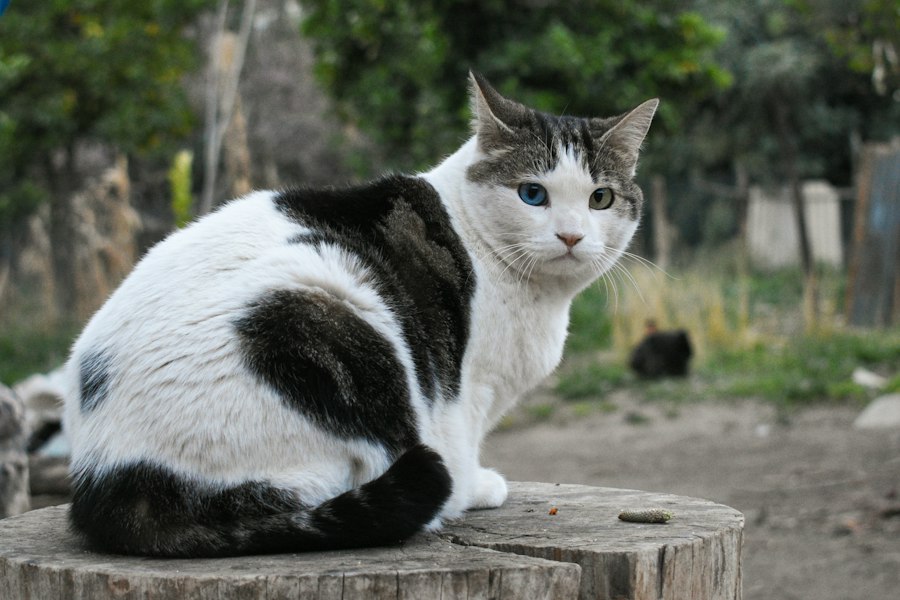
The belief that certain cat colors might live longer is often fueled by personal experiences and anecdotal accounts shared by cat owners across the globe. These stories, while not scientifically rigorous, form the bedrock of many popular theories and are a rich source of observation for those interested in feline longevity. Many owners proudly recount the remarkable ages achieved by their ginger, black, or calico companions, contributing to a growing body of informal “data.”
The Reign of the Ginger Cat?
Ginger cats, with their distinctive orange and tabby markings, are frequently cited as exceptionally long-lived. Stories abound of ginger Toms who have reached their late teens, twenties, and even beyond. Owners often describe them as having a particularly robust constitution and a generally good-natured disposition, which they associate with their longevity. This perception is so widespread that “ginger” has become almost synonymous with “old cat” in many casual conversations.
The appeal of ginger cats extends beyond their purported longevity. Their striking coloration, often characterized by swirls, stripes, and spots of red, orange, and sometimes cream, makes them instantly recognizable and adored. Many believe their sunny disposition complements their vibrant coats, further endearing them to their human families. While the scientific community may not yet have definitive proof, the sheer volume of anecdotal evidence suggesting longer lifespans for ginger cats cannot be ignored. It sparks curiosity and encourages further exploration into the underlying biological reasons, if any, for this observed phenomenon.
The Mysterious Charm of Black Cats
Black cats, often unfairly associated with superstition, also have a loyal following of owners who attest to their enduring nature. These sleek, obsidian felines are frequently described as being remarkably healthy and resilient, with many reaching impressive ages. The quiet dignity and graceful presence of a black cat are often complemented by a deep bond with their owners, and the longevity observed in some individuals only adds to their mystique.
While perhaps not as universally lauded for longevity as ginger cats in anecdotal circles, black cats still hold a significant place in the hearts of those who believe in a color-longevity link. Their dark coats, rich and uniform, present a striking visual appeal, and the idea that such beauty can also be accompanied by extended life adds another layer to their charm. The anecdotal evidence here, as with ginger cats, suggests a persistent pattern that warrants further investigation beyond mere coincidence.
The Vibrant Tapestry of Calico and Tortoiseshell
Calico and tortoiseshell cats, characterized by their unique tri-color or bi-color patchwork patterns, are predominantly female and are also frequently mentioned in discussions about long-lived felines. Their distinctive coats, a beautiful mosaic of colors, are thought by some to be associated with a hardy genetic makeup. Owners often report that these cats are spirited and possess a remarkable zest for life, which they believe contributes to their longevity.
The genetic underpinnings of calico and tortoiseshell coloration are themselves fascinating. The presence of multiple colors in their fur is linked to X-chromosome inactivation, a process that occurs during feline development. This genetic complexity has led some to speculate whether it might also be correlated with other beneficial genetic traits that contribute to a longer lifespan. While this is purely speculative, it highlights how the very nature of these cats’ appearance might be linked to deeper biological mechanisms that could influence their health and longevity. The anecdotal accounts of these vibrant cats living long and fulfilling lives continue to fuel this intriguing line of thought.
Delving into Genetics and Physiology: The Science Behind the Hues
While anecdotal evidence is compelling, a deeper understanding requires exploring the scientific basis for potential color-longevity correlations. This involves delving into the complex interplay of genetics, epigenetics, and physiological factors that influence both a cat’s coat color and its overall health and lifespan.
The Melanin Connection: Pigment and Protection
The pigment responsible for a cat’s coat color is melanin. There are two primary types: eumelanin (black and brown pigments) and pheomelanin (red and yellow pigments). The production and distribution of these pigments are controlled by a multitude of genes, leading to the vast array of colors and patterns we see in domestic cats.
Some researchers propose that variations in melanin production or distribution might be linked to other physiological traits. For instance, melanin is known to play a role in UV protection. While cats are not as susceptible to sun damage as humans, darker-pigmented skin, which underlies darker fur, could offer some degree of enhanced cellular protection. This is a highly speculative area, but the idea that a pigment known for its protective qualities could indirectly influence longevity is a thought-provoking concept. The genetic pathways that govern melanin production are intricate, and it is plausible that these pathways might intersect with genes that influence disease resistance or cellular repair mechanisms, thus indirectly affecting lifespan.
Breed Predispositions and Color Linkages
It is important to acknowledge that certain coat colors are more prevalent in specific cat breeds, and some breeds are known for their particular health predispositions and lifespans. For example, some breeds might have a higher incidence of genetic diseases that can shorten their lives. If a particular color is overrepresented in such a breed, it could create a false correlation with longevity.
Conversely, some breeds might be naturally predisposed to longer lifespans due to their genetic makeup. If a specific color is also common within these healthier breeds, it could contribute to the perception that the color itself is associated with longevity. Distinguishing between breed-specific traits and color-specific traits is a significant challenge in this area of research. For instance, Siamese cats, known for their relatively long lifespans, often have pointed coloration. This observation could lead to the conclusion that pointed cats live longer, when in reality, it might be the Siamese breed’s genetic heritage that is the primary factor. Careful genetic studies that account for breed influence are crucial for separating these intertwined variables.
The Role of the Y Chromosome and Specific Genes
While coat color is determined by genes on various chromosomes, including autosomal chromosomes, the Y chromosome plays a unique role in sex determination. In mammals, females have two X chromosomes (XX), and males have one X and one Y chromosome (XY). Genes controlling specific coat colors, like those for orange fur, are located on the X chromosome. This means that an orange cat’s color is intrinsically linked to its sex chromosomes. Male cats (XY) only need one copy of the orange gene on their single X chromosome to be ginger, while female cats (XX) need two copies. This genetic mechanism is why male ginger cats are far more common than female ginger cats.
This X-linked inheritance might have implications for longevity, although the precise mechanisms are not fully understood. Some theories suggest that having two X chromosomes in females might offer a “backup” for essential genes, potentially leading to increased robustness or resilience. However, this is a broad generalization and doesn’t directly explain color-specific longevity. More targeted research into specific genes responsible for coat color and their potential pleiotropic effects (where a single gene influences multiple traits) is needed. For example, if a gene that influences the production of pheomelanin also has a role in immune system function, it could indirectly impact lifespan.
Challenges and Limitations in the Pursuit of Truth
The search for the longest-living cat color is fraught with methodological challenges and inherent limitations that make definitive conclusions elusive. Understanding these obstacles is crucial for appreciating the complexity of the inquiry.
The “Survivor Bias” Effect
One of the most significant challenges is the “survivor bias.” Anecdotal evidence naturally gravitates towards cats that have lived exceptionally long lives. Owners of cats that have passed away at younger ages, regardless of their color, are less likely to actively participate in discussions or studies focused on longevity. This creates a skewed perception, as the longest-lived cats are overrepresented in the collective memory, leading to the assumption that their specific color is inherently linked to their extended lifespan.
Imagine a scenario with 100 cats, 50 black and 50 orange. If 40 black cats live to 15 years and 10 die by age 5, while 45 orange cats live to 15 years and 5 die by age 5. In anecdotal accounts, the focus will be on the 40 black and 45 orange cats that lived long lives, potentially leading to the conclusion that both colors are equally long-lived. However, a closer statistical analysis would reveal that the proportion of early deaths was higher in black cats, a detail that survivor bias might obscure. This selective reporting is a persistent hurdle in observational studies of any kind.
Data Collection and Standardization Woes
Gathering reliable data on cat lifespans is a monumental task. Unlike human populations, there isn’t a centralized registry for pet cat births, deaths, and health histories. Information is often self-reported, relying on the memory and records of individual owners. This lack of standardized data collection makes it difficult to compile large, consistent datasets necessary for robust statistical analysis.
Furthermore, defining “longevity” itself can be subjective. Is it reaching 15 years, 20 years, or more? Different age benchmarks can yield different results. The quality of veterinary care, diet, and living environment can vary dramatically between households, introducing confounding variables that are difficult to control for in observational studies. Without meticulous record-keeping that includes detailed information on diet, exercise, health conditions, and treatments, isolating the effect of coat color becomes nearly impossible.
The Complexity of Feline Genetics
Feline genetics are incredibly intricate. Coat color is not determined by a single gene but by a complex interaction of multiple genes, each with its own modifiers and influences. The same gene responsible for pigment production might also have other, unrelated functions within the cat’s body. It’s possible that a specific gene variant associated with a particular coat color might also confer increased resistance to certain diseases or enhance cellular repair mechanisms, thereby indirectly contributing to a longer lifespan. However, proving such a direct causal link requires extensive genetic sequencing and analysis across a large and diverse population of cats.
Consider the gene responsible for orange coloration, the O gene. This gene is located on the X chromosome and is responsible for producing pheomelanin. While its primary role is pigment production, it’s conceivable that this gene or closely linked genes on the X chromosome might influence other aspects of a cat’s physiology. For instance, some X-linked genes are involved in immune function. If the O gene has pleiotropic effects or is in close genetic linkage with genes that do, it could theoretically influence a cat’s overall health and lifespan. However, establishing this requires rigorous scientific investigation that goes beyond simple observation.
When exploring the fascinating world of feline longevity, many cat owners wonder if certain colors are associated with longer lifespans. While there isn’t definitive evidence linking cat color to longevity, a related article discusses various factors that contribute to a cat’s lifespan, including genetics and care. For more insights on this topic, you can read the article on Freaky Science, which delves into the science behind pet longevity and offers tips for ensuring your furry friend lives a long and healthy life.
Current Scientific Perspectives and Future Directions
| Cat Color | Average Lifespan (Years) | Notable Traits | Comments |
|---|---|---|---|
| Black | 12-16 | Common, often associated with good luck in some cultures | No significant evidence of longer lifespan compared to other colors |
| White | 10-14 | Prone to deafness, especially if blue-eyed | Health issues may affect lifespan |
| Orange (Ginger) | 12-15 | Mostly male cats, friendly temperament | No conclusive data on lifespan advantage |
| Calico/Tortoiseshell | 13-17 | Almost always female, unique coat pattern | Some anecdotal reports suggest longer lifespan |
| Gray (Blue) | 12-16 | Common in breeds like Russian Blue | Breed may influence lifespan more than color |
| Tabby | 12-16 | Very common pattern, various colors | Lifespan varies widely depending on breed and care |
While the definitive answer remains elusive, the scientific community continues to explore various avenues to understand feline longevity, with coat color sometimes being a point of interest within broader studies.
Limited but Emerging Research
Direct scientific studies focusing solely on the link between cat coat color and lifespan are relatively scarce. Much of the existing research on feline aging and genetics tends to focus on breed-specific health issues, environmental factors, and general genetic markers associated with longevity. However, some larger-scale studies that collect demographic data on pet cats do sometimes include coat color as a variable. These studies, while not always designed to pinpoint color as the sole determinant, can provide valuable statistical insights when analyzed in conjunction with other factors.
For example, a retrospective study analyzing veterinary records might look at the average lifespan of cats of different colors within a specific geographic region. If a statistically significant difference is observed, it could prompt further, more targeted research. The challenge lies in controlling for all other variables that could influence lifespan, such as diet, lifestyle, and underlying health conditions. These studies are often observational, meaning they can identify correlations but not necessarily causation.
The Importance of Comprehensive Health Records
The most promising path forward involves the establishment of comprehensive, long-term health and genetic databases for domestic cats. Initiatives that encourage owners to contribute detailed information about their pets’ health, lifestyle, and genetic makeup (through voluntary DNA testing) could eventually provide the robust data needed to conduct rigorous scientific investigations. If enough cats of various colors and genetic backgrounds are tracked throughout their lives, researchers could begin to identify statistically significant correlations between specific coat colors and longevity, while simultaneously controlling for other influential factors.
Such databases would need to include detailed information on diet, exercise levels, early life experiences, disease diagnoses, treatments received, and reproductive history. Genetic profiling would also be crucial, allowing researchers to identify specific gene variants associated with coat color and to investigate whether these variants have pleiotropic effects on health and longevity. The development of such a comprehensive resource is a long-term endeavor, requiring significant investment and widespread participation from the veterinary community and cat owners alike.
The Role of Environmental and Lifestyle Factors
It is crucial to reiterate that coat color is likely only one small piece of a much larger puzzle. Environmental factors, such as access to safe outdoor spaces, exposure to toxins, and stress levels, play a significant role in a cat’s overall health and lifespan. Similarly, lifestyle factors, including diet, exercise, and the quality of the human-animal bond, are paramount. A well-cared-for cat of any color, provided with a nutritious diet, regular veterinary check-ups, and a stimulating environment, is far more likely to live a long and healthy life than an under-stimulated or neglected cat of any particular hue.
The current scientific consensus is that while genetic factors and potentially some coat color-related genetic influences may exist, they are likely overshadowed by the impact of proper care and environment. Therefore, the focus for owners seeking to maximize their cat’s lifespan should remain firmly on providing the best possible living conditions and veterinary attention, rather than on the color of their feline companion’s fur.
Conclusion: Celebrating Every Shade of Long Life
The search for the longest-living cat color, while captivating, ultimately leads us to a more profound appreciation of the individual cat. While anecdotal evidence and intriguing genetic possibilities abound, the definitive scientific link remains elusive, likely due to the intricate interplay of numerous genetic, environmental, and lifestyle factors. The perceived longevity of certain colored cats is often a confluence of these variables, rather than a direct causal relationship.
The sheer diversity of coat colors in cats reflects the richness of their genetic heritage. From the fiery ginger to the sleek black, the enchanting calico to the subtle tabby, each coloration tells a story of evolutionary adaptation and genetic variation. Rather than focusing on a single color as the key to longevity, it is more valuable to recognize that every cat, regardless of its hue, has the potential for a long and fulfilling life.
The True Secret: Comprehensive Care and Love
The most impactful factors influencing a cat’s lifespan are not its markings but rather the quality of care it receives. A balanced and nutritious diet, regular veterinary check-ups, prompt treatment of illnesses, opportunities for safe exercise and mental stimulation, and a loving, secure environment are the true cornerstones of feline longevity. These elements contribute to a robust immune system, a healthy metabolism, and overall well-being, far outweighing any potential correlation with coat color.
Ultimately, the quest for the longest-living cat color serves as a fascinating entry point into the broader study of feline health and aging. It encourages us to observe, question, and appreciate the complex biological tapestry of our feline companions. However, the most rewarding pursuit for any cat owner is to provide the best possible life for their individual pet, celebrating every shade of life and cherishing the years they share. The color of a cat’s fur is but one beautiful aspect of its being; its health and happiness, nurtured by dedicated care, are the true markers of a long and cherished life.
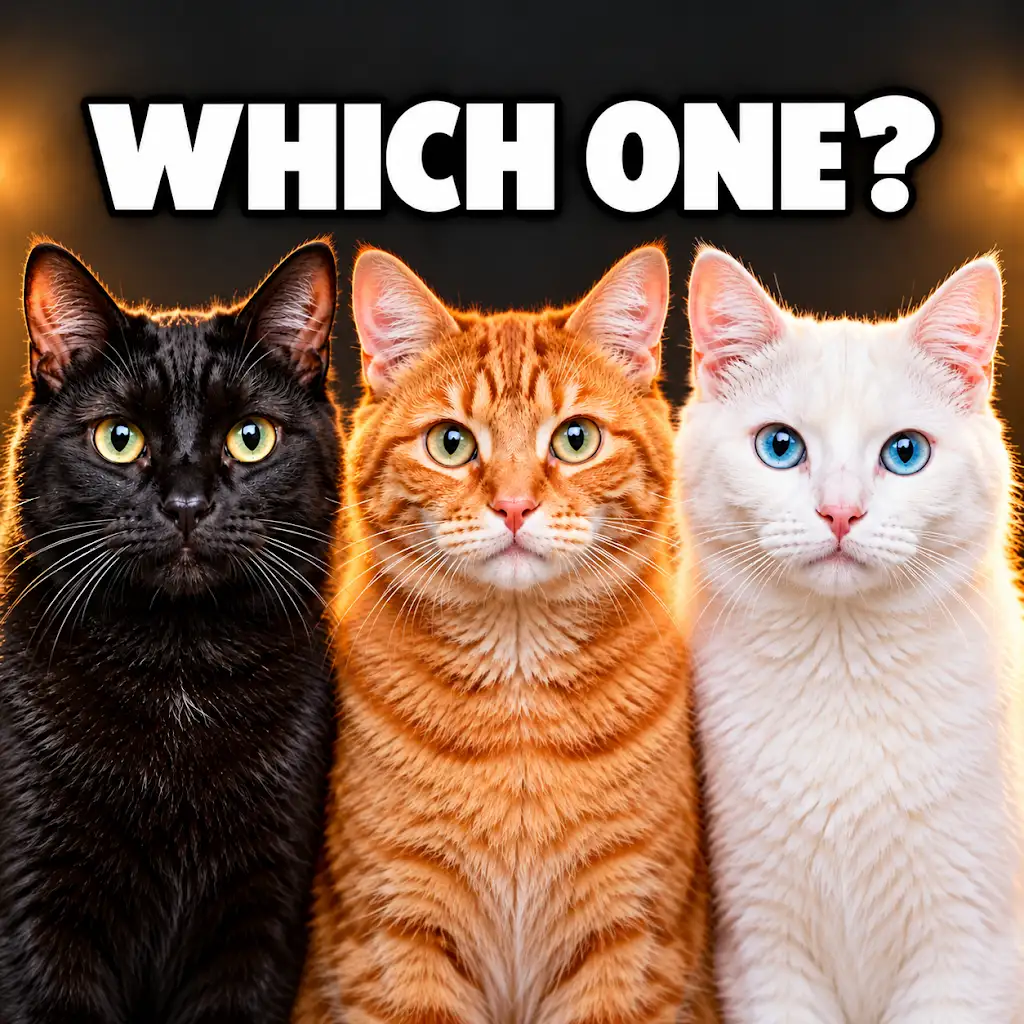
Which Cat Color Lives Longest? The Research Has a Twist
FAQs
What is the average lifespan of a cat?
The average lifespan of a cat is around 12-15 years, but some cats can live into their 20s with proper care.
Does a cat’s color affect its lifespan?
There is no scientific evidence to suggest that a cat’s color directly affects its lifespan. Factors such as genetics, diet, and overall health play a bigger role in determining a cat’s lifespan.
Are there certain cat colors that are associated with longevity?
There is no definitive evidence to suggest that certain cat colors are associated with longer lifespans. However, some studies have shown that mixed-breed cats tend to live longer than purebred cats.
What factors contribute to a cat living a long life?
Factors that contribute to a cat living a long life include regular veterinary check-ups, a balanced diet, plenty of exercise, a safe environment, and lots of love and attention from their owners.
What is the oldest recorded age of a cat?
The oldest recorded age of a cat is 38 years old. This cat, named Creme Puff, lived in Austin, Texas, and was born on August 3, 1967, and passed away on August 6, 2005.