The Enigmatic Aura of Black Cats and Longevity Myths
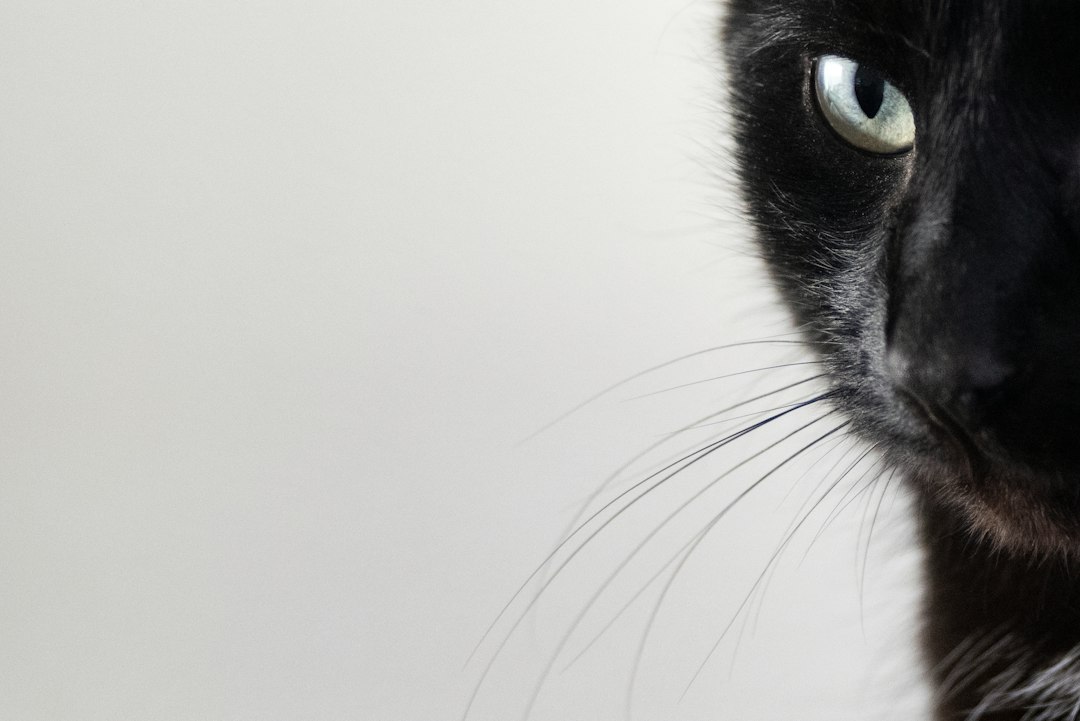
For centuries, black cats have occupied a unique and often paradoxical space in human folklore and superstition. While some cultures associate them with good luck and prosperity, others have cast them as harbingers of misfortune, witches’ familiars, or creatures linked to the dark arts. This rich tapestry of belief has undoubtedly influenced perceptions of these striking felines, and one question that frequently surfaces is whether black cats, beyond their mystical associations, are demonstrably more likely to live longer lives than their counterparts of other coat colors. The notion of a longer lifespan for black cats is not a strictly scientific one, but rather a complex interplay of anecdotal evidence, historical context, and, perhaps, a touch of wishful thinking. To unravel this, one must delve into the various factors that contribute to a cat’s longevity and examine if the color of their fur plays any significant role, however indirect.
The perception of black cats as particularly hardy or long-lived might stem from their consistent presence throughout history, often in settings where survival was paramount. They were common in rural areas, around farms and barns, where their coloration might have offered a degree of camouflage, aiding them in their hunting prowess and thus contributing to their survival. This historical prevalence, coupled with their striking and memorable appearance, could have inadvertently led to a perception of resilience. Furthermore, the very mystique surrounding black cats might imbue them with an aura of specialness, leading observers to recall or emphasize instances of them living exceptionally long lives. This phenomenon, known as confirmation bias, can lead individuals to disproportionately notice and remember events that support their pre-existing beliefs. When someone believes black cats live longer, they are more likely to notice a black cat reaching an advanced age and perhaps overlook or forget equally old cats of other colors.
The Feline Lifespan: A Multifaceted Equation
Understanding the potential for any cat, regardless of coat color, to reach an advanced age requires an appreciation of the many variables that influence a feline’s lifespan. Genetics, diet, healthcare, environment, and even the subtle nuances of their daily lives all contribute to how many years a cat will grace its human companions. It is a complex equation, and while coat color might be visually striking, its direct impact on biological longevity is often debated and, in most cases, considered negligible. The focus, therefore, shifts to the broader determinants of feline health and well-being, and whether any of these might be indirectly linked to the coloration of a cat’s fur.
The journey of a cat through its life is a testament to a delicate balance of biological factors and environmental influences. From the moment of birth, a kitten’s genetic makeup sets a foundation for its potential lifespan. This genetic blueprint dictates everything from the efficiency of its organ systems to its susceptibility to certain diseases. However, genetics is only one piece of the puzzle. The quality and consistency of a cat’s diet play a crucial role. A well-balanced diet, rich in essential nutrients, proteins, and vitamins, is paramount for maintaining a strong immune system, healthy organs, and robust energy levels. Conversely, a poor diet can lead to a host of health problems, from obesity and diabetes to malnutrition and a weakened ability to fight off infections, all of which can shorten a cat’s life.
There has been much debate about whether black cats live longer than other cats, with various studies suggesting that their unique genetics and lower adoption rates may play a role in their longevity. For more insights on this topic, you can read a related article that explores the health and lifespan of different cat breeds, including black cats. Check it out here: Black Cats and Longevity.
Unraveling the Genetic Code: Color and Its Corollaries

The genetic mechanisms behind coat color in cats are well-understood, with specific genes dictating the production and distribution of melanin pigments. Black fur, for instance, is primarily caused by the dominant ‘B’ allele at the agouti locus, leading to the production of eumelanin. While these genes are responsible for the outward appearance of a cat, the question remains whether these same genetic pathways, or others closely linked to them, could have any unforeseen physiological consequences that might influence longevity. The scientific consensus thus far leans towards a negative, suggesting no direct causal link between the genes for black fur and a predisposition for longer life.
The intricate dance of genetics that determines a cat’s coat color is a fascinating subject in itself. The gene for black coloration, often referred to as the ‘B’ gene, typically resides on the X chromosome and plays a crucial role in determining the production of the dark pigment eumelanin. This pigment is responsible for black and brown fur in cats. However, the expression of this gene can be influenced by other genes, such as the agouti gene, which controls the banding of pigment on individual hairs, leading to tabby patterns. In solid black cats, the agouti gene is often masked, resulting in a uniform dark coat.
Investigating the Melanin Connection: Beyond Pigmentation
Melanin, the pigment responsible for a cat’s black fur, is a complex molecule with various biological functions. While its primary role is pigmentation, it also plays a part in protecting cells from UV radiation and has antioxidant properties. Could these secondary functions of melanin, present in higher concentrations in black cats, offer any protective benefits that might subtly contribute to a longer lifespan? This remains an area of intriguing speculation, though concrete scientific evidence directly linking melanin’s antioxidant properties in fur to increased feline longevity is scarce.
Melanin is far more than just a coloring agent. In biological systems, it serves a multitude of roles, some of which are only now being fully appreciated. One of the most well-established functions of melanin is its photoprotective capability. Just as melanin in human skin helps shield against the damaging effects of ultraviolet (UV) radiation from the sun, it is believed to offer similar protection to feline skin and eyes. While cats are generally less susceptible to sunburn than humans, prolonged exposure to intense sunlight can still pose risks, and the increased presence of melanin in black cats might offer a slight advantage in mitigating this.
The Absence of a Genetic Predisposition for Black Cats
Despite the captivating allure of black cats, extensive genetic research into feline lifespan and coat color has not revealed any definitive genetic links. While specific genes are responsible for coat color, there is no scientific evidence to suggest that these genes, or genes closely associated with them, directly predispose black cats to longer lifespans compared to cats of other colors. The vast majority of genetic factors influencing longevity are complex and multifactorial, not typically tied to a single phenotypic trait like fur color.
The scientific community’s approach to understanding feline longevity is a meticulous process involving the study of numerous genetic markers and their correlations with lifespan. Extensive research, often involving large populations of cats across various breeds and backgrounds, has failed to identify any specific genes that are exclusively present in black cats and demonstrably contribute to an extended lifespan. If such a link existed, it would likely be a significant finding in feline genetics and veterinary science. The current understanding is that the genes responsible for coat color are largely independent of the complex genetic networks that regulate aging and disease resistance.
Environmental Factors: The Great Equalizer
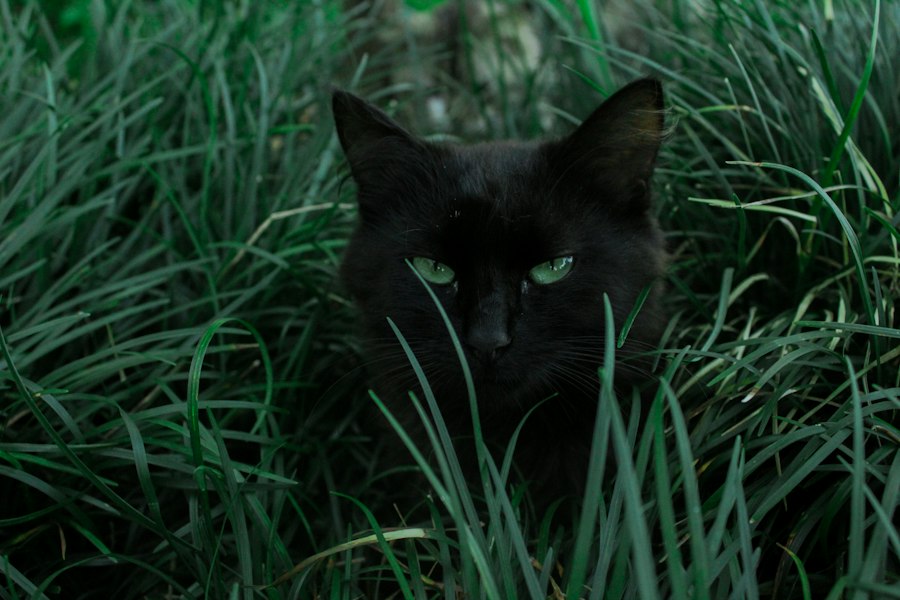
Ultimately, a cat’s environment plays a far more substantial role in its lifespan than its coat color. A safe, stimulating, and nurturing environment, coupled with access to quality veterinary care, is the most significant determinant of how long a cat will live. Indoor cats, protected from the myriad dangers of the outside world, generally enjoy longer lives than their outdoor counterparts. Similarly, cats receiving regular check-ups, vaccinations, and prompt treatment for illnesses are more likely to thrive for extended periods.
The debate surrounding black cat longevity often overlooks the profound impact of their living conditions. A cat that is kept indoors, safe from traffic accidents, predators, fights with other animals, and exposure to diseases, will naturally have a higher chance of living a longer life. Indoor environments also tend to offer more consistent access to food and water, and a reduced risk of exposure to parasites and environmental toxins. This controlled setting allows owners to better monitor their cat’s health and provide timely interventions if any issues arise.
The Safety Net of Indoor Living
Indoor cats are shielded from numerous external threats that can significantly shorten the lifespan of their outdoor-dwelling counterparts. The risks of vehicular trauma, predation by larger animals, encounters with territorial strays, and the contraction of infectious diseases are drastically reduced when a cat is kept exclusively indoors. This heightened safety is arguably the single most impactful factor contributing to the generally longer lifespans observed in indoor cats, irrespective of their fur color.
The concept of “indoor versus outdoor” is not merely a lifestyle choice for feline companions; it represents a stark contrast in the environmental challenges they face. Outdoor cats navigate a world fraught with peril. The rumble of a passing car, the predatory instinct of a fox or a bird of prey, the territorial disputes with other felines – all these are constant threats that can lead to severe injury or premature death. In contrast, an indoor cat enjoys a sanctuary, a predictable environment where basic needs are met and external dangers are largely absent. This protection is invaluable.
Veterinary Care: A Crucial Companion to Longevity
Access to and utilization of consistent veterinary care is another cornerstone of a long and healthy feline life. Regular check-ups, vaccinations, deworming, and prompt attention to any signs of illness or injury can prevent minor issues from escalating into life-threatening conditions. This proactive approach to health management is crucial for all cats, and its availability is often independent of coat color.
The role of veterinary medicine in extending the lifespan of domestic animals cannot be overstated. From preventative measures like vaccinations against common feline diseases such as rabies, feline leukemia virus (FeLV), and feline immunodeficiency virus (FIV), to early detection and treatment of chronic conditions like kidney disease, hyperthyroidism, and dental problems, veterinary interventions are critical. Regular physical examinations allow veterinarians to identify subtle changes in a cat’s health that may not be apparent to the owner, leading to earlier diagnoses and more effective treatments.
Diet and Nutrition: Fueling a Feline’s Years
A cat’s diet is fundamental to its overall health and, consequently, its potential lifespan. High-quality, balanced nutrition provides the essential building blocks for cellular repair, immune function, and energy production. Conversely, a diet lacking in key nutrients or consisting of low-quality ingredients can compromise a cat’s health, making it more susceptible to illness and potentially shortening its life. There is no evidence to suggest that black cats have specific dietary needs that differ from other cats.
The type of food a cat consumes has a direct and profound impact on its physiological well-being. Cats are obligate carnivores, meaning their bodies are designed to thrive on a diet primarily composed of animal protein. A balanced diet should provide adequate amounts of essential amino acids, fatty acids, vitamins, and minerals. Commercial cat foods are formulated to meet these nutritional requirements, but the quality can vary significantly between brands.
The Importance of a Balanced Diet
Providing a cat with a nutritionally complete and balanced diet is paramount for its long-term health. This involves ensuring the food contains the right proportions of protein, fats, carbohydrates, vitamins, and minerals. Cats have specific nutritional needs that differ from those of other animals, and a diet formulated for dogs, for instance, would be detrimental to a cat’s health.
The concept of “balanced nutrition” for cats is rooted in their evolutionary history as hunters. Their digestive systems are highly efficient at processing animal-based proteins and fats, which provide essential amino acids like taurine, crucial for heart health and vision. A deficiency in taurine, for example, can lead to serious cardiovascular problems and blindness. Similarly, essential fatty acids are vital for maintaining healthy skin and a glossy coat, as well as supporting cognitive function and reducing inflammation.
Identifying Quality Food Choices
When selecting cat food, owners should look for products with high-quality protein sources listed as the primary ingredients. Whole meats, such as chicken, turkey, or fish, are generally preferable to generic “meat by-products.” Additionally, the food should be free from excessive fillers like corn or wheat, which offer little nutritional value to cats. Consulting with a veterinarian can provide personalized recommendations for the best dietary options based on a cat’s age, activity level, and any specific health concerns.
The pet food industry offers a wide array of options, from dry kibble to wet food and raw diets. Each has its own advantages and disadvantages. Dry kibble is convenient and can help with dental hygiene by scraping plaque from teeth, but it often has a lower moisture content, which can be a concern for cats prone to urinary tract issues. Wet food, on the other hand, has a higher moisture content, which is beneficial for hydration, and is often more palatable. Raw diets, while mimicking a cat’s natural diet, require careful preparation to ensure they are nutritionally balanced and free from harmful bacteria.
Recent studies have sparked interest in the longevity of black cats compared to their feline counterparts. Many pet owners wonder if the color of a cat’s fur can influence its lifespan and overall health. To explore this intriguing topic further, you can read a related article that delves into various factors affecting cat longevity, including genetics and environment. For more information, check out this insightful piece on Freaky Science.
The Myth vs. Reality: Anecdotes and Scientific Scrutiny
| Metric | Black Cats | Other Cats | Notes |
|---|---|---|---|
| Average Lifespan (years) | 12-15 | 12-15 | No significant difference in lifespan based on coat color |
| Adoption Rate | Lower | Higher | Black cats often face adoption bias, which can affect overall care and longevity |
| Health Issues | Similar | Similar | Coat color does not influence common feline health problems |
| Survival in Outdoor Environments | No significant difference | No significant difference | Survival depends more on environment and care than color |
| Genetic Factors | Not linked to longevity | Not linked to longevity | Black coat color is due to specific genes but does not affect lifespan |
The prevailing belief that black cats live longer is largely rooted in anecdotal evidence and folklore rather than scientific data. While many individuals can recount stories of beloved black feline companions who have reached remarkable ages, these personal experiences, while heartwarming, do not constitute scientific proof. When subjected to rigorous scientific inquiry, the idea of a direct correlation between black fur and extended lifespan fails to hold up.
Anecdotal evidence, while valuable for sharing personal experiences and fostering a sense of community among pet owners, is not a substitute for scientific research. When someone shares a story about their black cat living to be 20 years old, it is a powerful testament to their bond and the care they provided. However, for every such story about a black cat, there are likely equally compelling stories about cats of other colors who have also achieved impressive lifespans. The human tendency to remember and retell the most striking or unusual events can inadvertently amplify certain perceptions.
The Power of Storytelling and Superstition
Throughout history, black cats have been imbued with a certain mystique, often linked to luck, magic, and even the supernatural. This rich cultural narrative has undoubtedly contributed to their unique status in human perception. The romanticized image of the wise, ancient black cat, perhaps a witch’s familiar observing centuries unfold, could subtly influence the belief that they are inherently longer-lived.
Folklore and superstition surrounding black cats are deeply ingrained in many cultures. In some parts of Europe, a black cat crossing one’s path was considered a bad omen, while in others, it was a sign of good luck. In Japan, black cats are often associated with good fortune and are kept as pets to ward off evil spirits. This diverse range of beliefs has created a complex cultural landscape for these animals, and it is possible that the more positive associations have inadvertently contributed to the idea of their robustness and longevity.
The Need for Empirical Evidence
Scientific studies investigating feline longevity typically focus on factors such as genetics, diet, healthcare, and lifestyle, with coat color rarely being a primary variable of interest. The absence of robust, peer-reviewed research that establishes a causal link between black fur and a longer lifespan means that the notion remains largely a myth. While it’s a pleasant thought, it’s important to distinguish between cherished beliefs and scientifically validated facts.
The scientific method relies on observation, experimentation, and the rigorous analysis of data to draw conclusions. When researchers set out to understand the factors influencing lifespan in any species, they employ these principles. They would design studies that involve large sample sizes, control for confounding variables (like diet and living conditions), and collect quantifiable data over extended periods. To date, no such studies have emerged that definitively demonstrate black cats living longer than cats of other colors. Therefore, the current scientific consensus is that coat color itself is not a determinant of feline lifespan.

Which Cat Color Lives Longest? The Research Has a Twist
FAQs
1. Are black cats known to live longer than other cats?
No, the color of a cat’s fur does not determine its lifespan. Factors such as genetics, diet, environment, and overall health play a more significant role in determining a cat’s lifespan.
2. What is the average lifespan of a black cat compared to other cats?
On average, black cats have a similar lifespan to other cats, which is typically around 12-15 years. However, some cats may live longer or shorter depending on various factors.
3. Do black cats have any health advantages that contribute to a longer lifespan?
There is no scientific evidence to suggest that black cats have any specific health advantages that contribute to a longer lifespan compared to other cats. Proper care, regular veterinary check-ups, and a healthy lifestyle are key factors in ensuring a cat’s longevity.
4. Are there any superstitions or myths surrounding black cats and their lifespan?
There are superstitions and myths surrounding black cats, such as the belief that they bring bad luck. However, these beliefs have no scientific basis and do not impact a black cat’s lifespan.
5. What can cat owners do to help their black cats live a long and healthy life?
To help their black cats live a long and healthy life, cat owners should provide a balanced diet, regular exercise, mental stimulation, proper grooming, and routine veterinary care. Creating a safe and enriching environment for the cat can also contribute to their overall well-being and longevity.