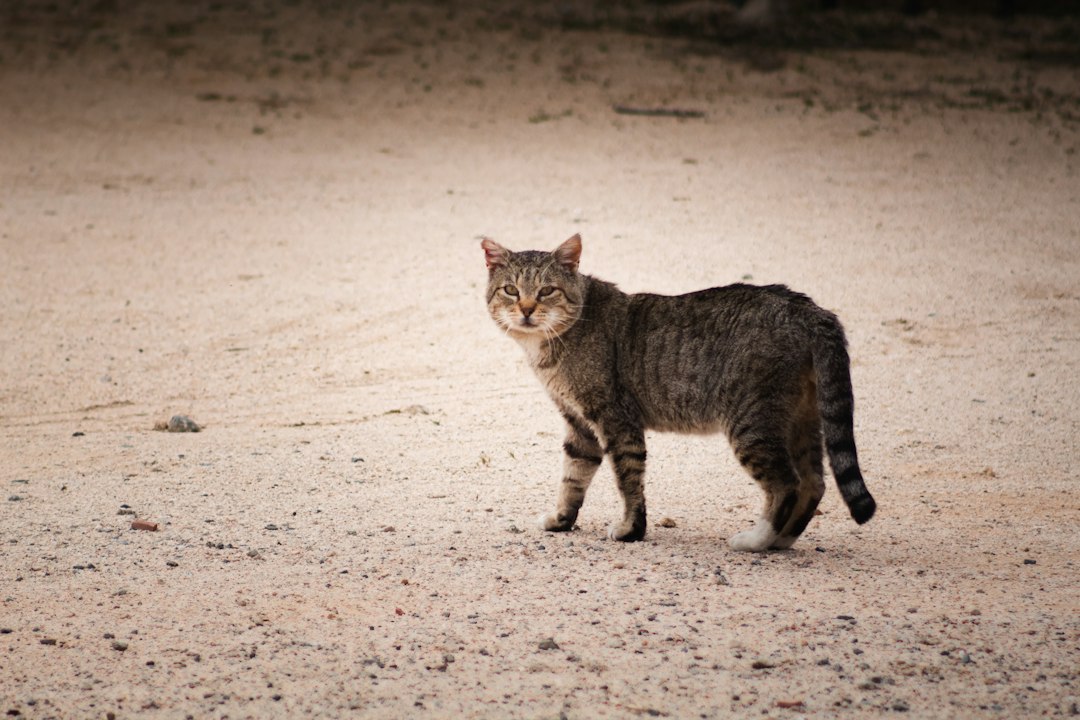
A cat’s coat is a magnificent tapestry, a defining feature that often contributes to their unique charm. For owners of lightly pigmented felines, this beauty comes with a specific set of considerations. These cats, often with pale fur, delicate skin, and sometimes even pink noses and ears, require a tailored approach to their care to ensure their health and well-being. From sun protection to grooming nuances, understanding these differences is key to providing optimal maintenance for these special companions.
Understanding Lightly Pigmented Cat Physiology
Cats, regardless of their coat color, possess a complex biological system. However, those with lighter pigmentation often exhibit certain physiological traits that necessitate specific care. The most significant factor is the reduced presence of melanin, the pigment responsible for color in fur, skin, and eyes. Melanin plays a crucial role in protecting against the damaging effects of ultraviolet (UV) radiation from the sun. Therefore, lightly pigmented cats are inherently more susceptible to sun-induced issues. Their skin, especially in areas with less fur coverage, can be more sensitive and prone to sunburn and long-term damage. Similarly, their noses and ear tips, often devoid of significant fur, are particularly vulnerable.
The Role of Melanin in Protection
Melanin acts as a natural sunscreen for the skin. It absorbs UV radiation, preventing it from penetrating deeper into the skin layers and damaging cellular DNA. Cats with darker fur have a higher concentration of melanin throughout their skin and coat, providing a natural barrier against the sun. In contrast, lightly pigmented cats have less of this protective pigment. This means that even moderate exposure to sunlight can be detrimental to their skin, leading to inflammation, redness, and in severe cases, blistering. Over time, repeated sun exposure can increase the risk of skin cancer, a serious concern for any cat owner. Understanding this physiological difference is the first step in proactively protecting these delicate creatures.
Identifying Vulnerable Areas
While the entire body of a lightly pigmented cat benefits from protective measures, certain areas are more exposed and thus more vulnerable. The tips of the ears are often the most exposed, especially in cats that enjoy lounging near windows. The nose, particularly the pink or lightly colored parts, is also highly susceptible to sunburn. Areas where the fur is thinner, such as the belly, groin, and around the eyes and mouth, can also be at risk. Owners should become familiar with the specific areas on their individual cat that are most prone to sun damage. A quick visual inspection before and after periods of sun exposure can help identify any signs of redness or irritation.
If you’re looking for tips on how to care for a lightly pigmented cat, you might find the article on feline grooming and health at Freaky Science particularly helpful. This resource provides valuable insights into maintaining your cat’s coat, skin health, and overall well-being, ensuring that your lightly pigmented feline stays happy and healthy. You can read more about it here: Freaky Science.
Tailoring Grooming Practices for Light Fur
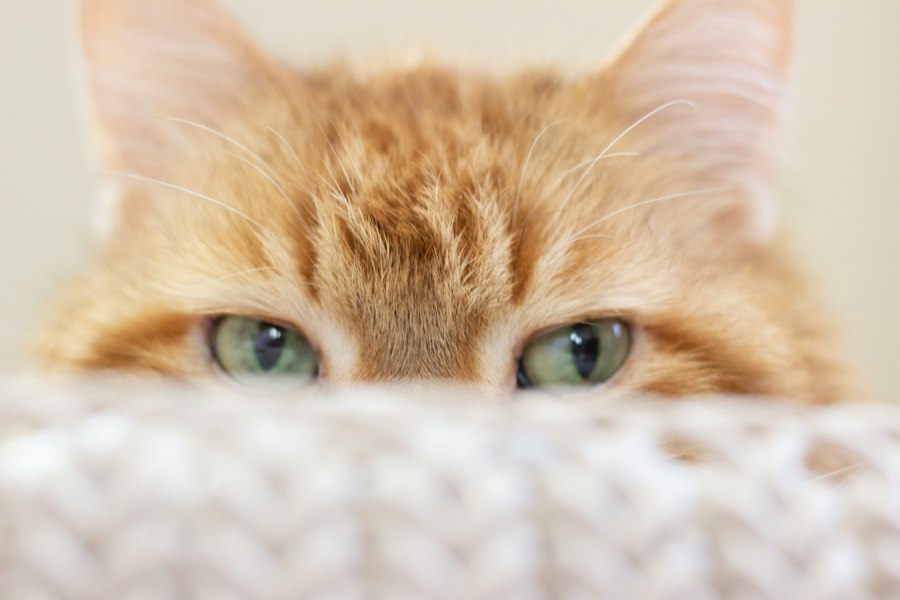
Grooming a cat is essential for all felines, but for those with light pigmentation, it involves a few unique considerations. The focus shifts slightly from managing shedding and preventing mats to also maintaining the health of their delicate skin and coat. Regular brushing remains paramount, but the tools and frequency might be adjusted. Additionally, the use of certain grooming products needs careful evaluation to avoid irritation.
The Importance of Regular Brushing
Brushing a lightly pigmented cat is still fundamentally about removing loose fur, distributing natural oils, and preventing hairballs. However, the gentle nature of their skin means that overly aggressive brushing should be avoided. A soft-bristled brush or a slicker brush with rounded tips is usually ideal. The goal is to remove dead hair without causing undue friction or pulling on the skin. Regular brushing also allows for a thorough inspection of the skin for any signs of irritation, dryness, or the beginnings of sunburn. Establishing a consistent grooming routine, even if it’s just a few minutes each day, can significantly contribute to the cat’s overall well-being and comfort.
Bathing Protocols and Product Selection
Bathing a cat is often a last resort for most owners, and for lightly pigmented cats, it should be approached with even more caution. Their skin can be more sensitive to harsh chemicals and temperature extremes. If a bath is necessary, it should be with a mild, hypoallergenic cat-specific shampoo. Avoid human shampoos, as their pH balance is not suitable for feline skin and can cause significant irritation. The water temperature should be lukewarm, and the cat should be rinsed thoroughly to ensure no shampoo residue remains, which can lead to itching and dryness. After the bath, gently pat the cat dry with a soft towel; avoid vigorous rubbing. Air drying in a warm, draft-free room is often the best approach.
Addressing Skin Sensitivity
For lightly pigmented cats, skin sensitivity is a common concern that can be exacerbated by environmental factors and grooming practices. Dry skin can lead to flakiness and itching, while increased sensitivity makes them more prone to irritations from allergens or even contact with certain materials. Introducing novel grooming products, such as flea treatments or topical medications, should always be done with careful observation. Owners might consider consulting with their veterinarian about specialized conditioners or skin-soothing sprays designed for sensitive skin, which can help maintain hydration and alleviate discomfort. Ensuring a clean living environment, free from dust and potential allergens, also plays a significant role in managing skin sensitivity.
Sun Protection Strategies for Delicate Felines
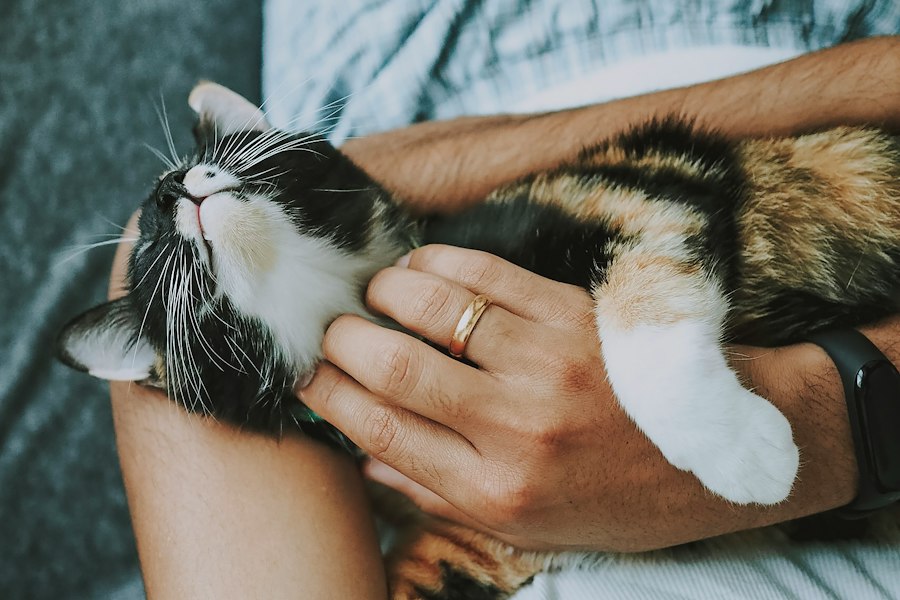
The most critical aspect of caring for a lightly pigmented cat revolves around protecting them from the sun’s harmful UV rays. Their reduced melanin makes them significantly more vulnerable to sunburn and the long-term risks associated with sun exposure. Implementing a comprehensive sun protection strategy is not optional; it’s a fundamental requirement for maintaining their health and preventing serious medical issues.
Creating Sun-Safe Indoor Environments
The simplest and most effective way to protect a lightly pigmented cat from the sun is to control their indoor environment. This involves managing access to direct sunlight. Heavy curtains or blinds can be used to block out the most intense rays, especially during peak sun hours (typically between 10 am and 4 pm). While cats often enjoy basking in sunbeams, for these sensitive felines, these moments can be detrimental. Owners should ensure that while there are comfortable resting spots, direct, prolonged exposure to sunlight is minimized. Providing shaded areas within sunny rooms can offer a compromise, allowing the cat to enjoy the warmth without direct exposure. Window films that block UV radiation are also a viable option for reducing the intensity of sunlight that enters the home.
Outdoor Safety and Supervision
If a lightly pigmented cat is allowed outdoors, it must be done with extreme caution and under close supervision. Short periods in shaded outdoor areas, like a covered porch or under a dense tree, might be acceptable. However, leaving these cats unattended in direct sunlight for extended periods is highly discouraged. If the cat enjoys spending time in a catio or a secure outdoor enclosure, owners must ensure it offers ample shaded areas. Some owners opt for pet-specific sunscreen, but its application and effectiveness can be challenging. It’s crucial to consult with a veterinarian before using any sunscreen on a cat, as some ingredients can be toxic if ingested. The focus should always be on preventing exposure rather than trying to treat its after-effects.
Recognizing Signs of Sunburn and Seeking Veterinary Care
Early detection of sunburn is vital for the health of a lightly pigmented cat. Owners should regularly check their cat’s most vulnerable areas, such as the ears, nose, and any sparsely furred patches, for signs of redness, warmth to the touch, or flaking skin. If sunburn is suspected, the cat should immediately be moved to a cool, shaded area. Applying a cool, damp cloth can offer some relief. However, any suspected sunburn, especially if it appears severe, blistering, or if the cat is showing signs of distress, requires immediate veterinary attention. A veterinarian can assess the severity of the burn, provide appropriate treatment, and advise on long-term preventative measures. Persistent sunburn can lead to chronic skin conditions and an increased risk of skin cancer, making early intervention crucial.
Nutritional and Health Considerations
Beyond grooming and sun protection, a holistic approach to caring for a lightly pigmented cat includes attention to their diet and overall health. While specific nutritional needs don’t drastically differ based solely on coat color, certain health predispositions might be associated with lighter pigmentation, and a balanced diet always supports a healthy immune system and skin.
Maintaining a Balanced Diet
A high-quality, balanced diet is the cornerstone of any cat’s health, and lightly pigmented cats are no exception. Ensuring their food is rich in essential nutrients, including protein, fatty acids, vitamins, and minerals, will support healthy skin and coat. Omega-3 and omega-6 fatty acids, often found in fish-based diets or supplemented, are particularly beneficial for skin health, helping to maintain hydration and reduce inflammation. Owners should choose cat food that is appropriate for their cat’s life stage and activity level. Avoiding sudden dietary changes and monitoring the cat for any signs of digestive upset or allergic reactions is also important. A veterinarian can provide personalized dietary recommendations based on the individual cat’s needs.
Addressing Potential Health Predispositions
While coat color itself doesn’t directly cause diseases, certain breeds or individuals with lighter pigmentation might have an increased susceptibility to specific health issues. As discussed, skin cancer is a significant concern due to sun exposure. Furthermore, some lightly pigmented cats, particularly those with white fur and blue eyes, can have a higher incidence of deafness. This is a congenital condition and not something that develops over time. Owners of such cats should be aware of this possibility and monitor their cat for any signs of hearing impairment. Regular veterinary check-ups are crucial for early detection and management of any health issues that may arise.
The Role of Veterinary Wellness
Routine veterinary care is non-negotiable for all cats, and lightly pigmented felines benefit immensely from consistent wellness checks. A veterinarian can identify subtle changes in skin health, discuss appropriate flea and tick prevention (ensuring products are safe for sensitive skin), and offer advice on managing any specific health concerns. They can also guide owners on the best practices for sun protection and diet. Don’t hesitate to discuss any worries about your cat’s skin, behavior, or overall health with your vet. Proactive care and open communication with a veterinary professional are paramount in ensuring a long and healthy life for your lightly pigmented companion.
Caring for a lightly pigmented cat requires special attention to their unique needs, particularly when it comes to sun exposure and skin health. These cats can be more susceptible to sunburn, so providing shaded areas and using pet-safe sunscreen is essential. For more detailed tips on ensuring your feline friend stays healthy and happy, you can check out this informative article on cat care. It offers valuable insights that can help you better understand how to nurture your lightly pigmented companion. For more information, visit this article.
Behavioral and Environmental Enrichment
| Care Aspect | Recommendation | Frequency | Notes |
|---|---|---|---|
| Sun Protection | Limit direct sun exposure, especially during peak hours | Daily | Lightly pigmented cats are prone to sunburn; use shade or pet-safe sunscreen |
| Skin Checks | Inspect for redness, irritation, or unusual spots | Weekly | Early detection of skin issues is important |
| Grooming | Brush coat to remove loose hair and dirt | 2-3 times per week | Helps maintain healthy skin and coat |
| Hydration | Provide fresh water at all times | Daily | Hydrated skin is less prone to irritation |
| Diet | Feed a balanced diet rich in omega fatty acids | Daily | Supports skin health and coat quality |
| Veterinary Visits | Regular check-ups and skin assessments | Every 6-12 months | Monitor for skin cancer or other conditions |
| Indoor Environment | Provide shaded resting areas and avoid harsh lighting | Continuous | Reduces risk of sun damage and stress |
A happy and healthy cat is one that is both physically well-cared for and mentally stimulated. For lightly pigmented cats, ensuring their environment is enriching and understanding their behavioral patterns can contribute significantly to their overall quality of life. While their specific color doesn’t dictate their personality, their increased vulnerability might influence certain behaviors and preferences.
Providing Safe and Shaded Retreats
Given their sensitivity to sunlight, it is essential to provide lightly pigmented cats with ample safe and shaded retreats within the home. This means not only controlling direct sun exposure but also ensuring there are comfortable, cool places for them to rest. Consider providing elevated perches in rooms that are naturally cooler or have less direct sunlight, such as north-facing rooms. Cat beds placed in closets, under furniture, or in rooms with blackout curtains can offer secure havens. These spaces should be easily accessible and inviting, encouraging the cat to use them when they feel overwhelmed by heat or light. Offering a variety of textures and types of resting places can cater to different preferences and ensure they always have a comfortable spot.
Stimulating Play and Mental Engagement
Mental stimulation is as important as physical care for any cat. Lightly pigmented cats, like all felines, thrive on opportunities for play and exploration. Interactive toys, puzzle feeders, and regular play sessions with their owner can help prevent boredom and reduce the likelihood of stress-related behaviors. Consider toys that mimic prey, such as feather wands or laser pointers (used responsibly, ending with a tangible reward to avoid frustration). Puzzle feeders can be particularly beneficial as they encourage natural foraging behaviors and provide mental challenges. Rotating toys and introducing new ones periodically can keep their interest piqued.
Understanding Nocturnal Activity and Preferences
Many cats exhibit crepuscular or nocturnal activity patterns, meaning they are most active at dawn and dusk, or during the night. This is a natural instinct, and lightly pigmented cats are no different in this regard. Owners should be aware of these natural rhythms and try to incorporate play and interaction into these active periods. This can also help redirect their energy away from potentially destructive behaviors during the night. Furthermore, understanding a cat’s individual personality and preferences is key. Some cats may be more laid-back, while others are more energetic. Observing their cues and adjusting your interaction style accordingly will foster a stronger bond and ensure their needs are met. Creating a predictable routine, with regular feeding times and play sessions, can also provide a sense of security and comfort for any cat, including those with delicate pigmentation.

Which Cat Color Lives Longest? The Research Has a Twist
FAQs
What is a lightly pigmented cat?
A lightly pigmented cat is a cat with a light-colored coat, such as white, cream, or light gray. These cats may have pink noses and paw pads due to their lack of pigmentation.
How should I protect a lightly pigmented cat from the sun?
Lightly pigmented cats are more susceptible to sunburn and skin cancer. It is important to keep them indoors during peak sun hours, provide shaded areas outside, and apply pet-safe sunscreen to their ears, nose, and any other exposed areas if they must be outside.
How often should I groom a lightly pigmented cat?
Lightly pigmented cats may be more prone to skin issues, so regular grooming is important. Brush your cat’s coat regularly to prevent matting and remove loose fur. Check for any signs of skin irritation or sunburn during grooming sessions.
What kind of diet is best for a lightly pigmented cat?
A balanced diet rich in essential nutrients, such as omega-3 fatty acids and antioxidants, can help maintain the health of a lightly pigmented cat’s skin and coat. Consult with your veterinarian to determine the best diet for your cat’s specific needs.
Are there any specific health concerns for lightly pigmented cats?
Lightly pigmented cats are more prone to sunburn, skin cancer, and other skin issues due to their lack of pigmentation. Regular veterinary check-ups, sun protection, and proper grooming can help prevent and address these health concerns.