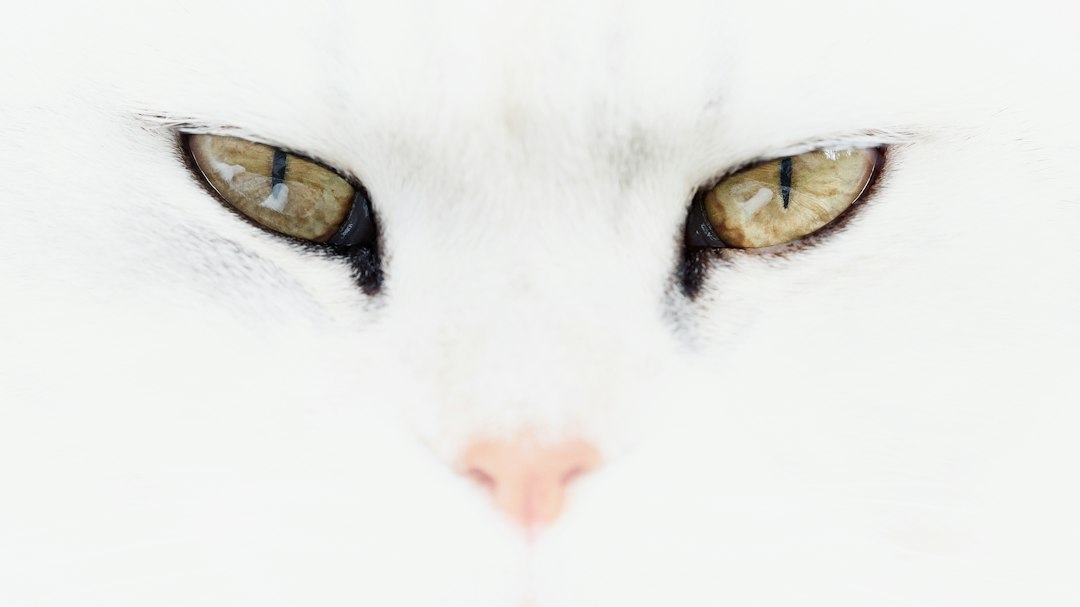
The question of whether white cats are inherently short-lived is a common concern among cat enthusiasts and a recurring topic in online discussions. This perception, often fueled by anecdotal evidence and a misunderstanding of genetics, warrants a closer examination. While it’s true that some white cats may face certain health challenges, attributing a generally shorter lifespan to their coat color alone is an oversimplification. The reality is far more nuanced, involving a complex interplay of genetics, specific health conditions, and responsible pet ownership.
The Genetic Basis of White Coat Color
The white coloration in cats is not a single genetic trait but rather a result of several distinct genetic mechanisms. Understanding these mechanisms is crucial to unraveling the perceived link between white fur and lifespan. The most common genetic cause for a pure white coat is the expression of the dominant white (W) gene. This gene is epistatic, meaning it masks the expression of other color genes. If a cat inherits at least one copy of the W gene, it will be white, regardless of its underlying genetic predisposition for other colors or patterns. This means a seemingly “pure white” cat could genetically be a black cat, a tabby, or any other color, but the W gene prevents these colors from being expressed in its fur.
Another significant genetic factor contributing to white coloration, particularly in piebald cats (those with patches of white), is the piebald spotting gene (s). This gene controls the distribution of pigment cells during embryonic development. In cats, this gene can lead to varying degrees of white spotting, from a few white paws to large white patches or even a predominantly white coat with only small colored areas.
Beyond these primary genes, other genetic mutations can also result in white fur. For instance, the dominant mask gene (M) can produce a similar effect, though it is less common than the W gene. The presence of these different genetic pathways means that not all white cats are genetically identical, and the specific gene responsible for their white coat can have different implications.
Dominant White and Its Implications
The dominant white (W) gene is a powerful force in determining a cat’s appearance. When this gene is present, it essentially “turns off” the production of pigment in the cat’s skin and hair follicles. This results in a complete absence of color, leading to a pure white coat. However, this dominant gene is also closely linked to another important genetic factor: deafness. The W gene is known to be associated with Waardenburg syndrome, a complex genetic disorder that affects pigmentation and can lead to hearing impairment.
The Piebald Spotting Gene and White Patches
In contrast to the dominant white gene, the piebald spotting gene (s) is responsible for the presence of white patches on a cat’s body. This gene affects the migration of melanocytes, the pigment-producing cells, during fetal development. When these cells fail to reach certain areas of the skin, those areas remain unpigmented, resulting in white fur. The extent of white spotting can vary greatly, from minimal “tipping” of the paws to extensive white areas that cover most of the body. While the piebald spotting gene itself is not directly linked to deafness or other significant health issues, the distribution of white on the head can be indirectly related to ear health.
Other Genes Influencing White Fur
While the dominant white and piebald spotting genes are the most common culprits behind white fur, other less prevalent genetic mutations can also contribute. These can include genes that affect the development of pigment cells in subtle ways, leading to variations in white coloration. Understanding that “white” is not a monolithic genetic trait is crucial for appreciating the diverse health profiles within the population of white cats.
Research has shown that the color of a cat’s fur can sometimes be linked to its health and lifespan. A related article on this topic can be found at Freaky Science, which discusses various factors that may influence the longevity of white cats. It explores the genetic predispositions and health issues that are more common in certain breeds and colors, providing valuable insights for cat owners concerned about their pets’ well-being.
The Link Between White Fur, Blue Eyes, and Deafness

One of the most widely recognized, and often misconstrued, associations with white cats is their propensity for deafness, particularly if they also possess blue eyes. This connection is primarily rooted in the genetics of the dominant white (W) gene. The gene responsible for the dominant white coat color is often linked to a gene that affects the development of the inner ear. Specifically, the W gene can disrupt the formation of the cochlea, the part of the inner ear responsible for hearing.
The Role of the Dominant White (W) Gene
When the dominant white (W) gene is expressed, it not only masks other coat colors but also has a pleiotropic effect, meaning it influences multiple phenotypic traits. One such trait is the development of pigment in the iris of the eye and in the hair follicles. This same genetic mechanism that prevents pigment in the fur can also affect the development of melanocytes in the inner ear. These melanocytes play a crucial role in the proper formation and function of the auditory system.
The Blue Eye Connection
The presence of blue eyes in white cats, especially those with the dominant white gene, is often a strong indicator of potential deafness. This is because the gene that causes the white coat and is linked to deafness also influences the pigment in the iris. A lack of pigment in the iris results in a blue appearance. While not all white cats with blue eyes are deaf, and not all deaf white cats have blue eyes, the combination of pure white fur and blue eyes significantly increases the probability of hearing impairment.
Understanding Different Types of Deafness
It’s important to distinguish between congenital deafness (present from birth) and acquired deafness (developing later in life). In white cats with the W gene, the deafness is typically congenital and sensorineural, meaning it arises from problems in the inner ear or the auditory nerve. This type of deafness is irreversible. In contrast, some white cats might experience acquired deafness due to age-related hearing loss, infections, or exposure to loud noises, which are not directly related to their coat color.
Health Considerations Beyond Deafness

While deafness is the most prominent health concern associated with white cats, particularly those with the dominant white gene and blue eyes, it is not the only potential health issue they might face. A broader understanding of feline health reveals that coat color, in isolation, rarely dictates the overall lifespan of a cat. Instead, it is often the underlying genetic predispositions or specific health conditions that can impact longevity.
Skin Sensitivity and Sunburn
Pure white cats, due to the lack of pigment in their skin and fur, are more susceptible to the damaging effects of ultraviolet (UV) radiation from the sun. Their skin has a reduced ability to protect itself from sunburn. Prolonged exposure to direct sunlight can lead to painful sunburns on their ears, nose, and eyelids, and over time, this can increase the risk of developing skin cancer, particularly squamous cell carcinoma. Responsible ownership involves providing ample shade, limiting outdoor exposure during peak sun hours, and considering pet-safe sunscreen for exposed areas if necessary.
Eye Conditions
While blue eyes in white cats are often linked to deafness, they can also be an indicator of other potential eye conditions. The absence of pigment in the iris can sometimes be associated with a higher incidence of certain eye problems. For example, some white cats may be more prone to developing strabismus (crossed eyes) or nystagmus (involuntary eye movements). While these conditions may not directly shorten a cat’s life, they can affect vision and overall quality of life. Regular veterinary check-ups are essential to monitor eye health.
Other Genetic Predispositions
It’s crucial to reiterate that not all white cats are the same. The genetic makeup of each cat, regardless of its coat color, plays a significant role in its predisposition to various health conditions. While the dominant white gene is linked to deafness and skin sensitivity, other genetic factors that might contribute to white coloration might not carry such specific health risks. For instance, white spotting due to the piebald gene is generally not associated with increased health problems. The breed of the cat also plays a significant role in its overall health profile, with certain breeds being more prone to specific genetic diseases regardless of their coat color.
Dispelling Myths and Understanding Lifespan
The notion that white cats are universally short-lived is largely a myth perpetuated by anecdotal evidence and a focus on the most visible health issue: deafness. While deafness can present challenges, it does not inherently reduce a cat’s lifespan if managed appropriately. The lifespan of any cat is influenced by a multitude of factors, with genetics, diet, environment, and access to veterinary care being paramount.
The Impact of Deafness on Lifespan
Deafness itself does not directly cause a cat to die prematurely. A deaf cat can live a full and happy life with proper care and understanding. The key is to adapt the environment and communication methods to accommodate their hearing impairment. For example, visually alerting a deaf cat to your presence, using a flashlight instead of calling its name, and ensuring it is kept indoors or in a safely enclosed outdoor space are crucial safety measures. Owners of deaf cats often report that their pets adapt remarkably well to their condition, exhibiting heightened other senses and strong bonds with their families.
The Importance of Responsible Pet Ownership
Responsible pet ownership is the most significant determinant of a cat’s lifespan, irrespective of its coat color. This includes providing a balanced and nutritious diet, ensuring regular exercise and mental stimulation, maintaining a safe and clean living environment, and, most importantly, seeking regular veterinary care. Vaccinations, parasite control, prompt treatment of illnesses, and preventative health screenings can significantly extend a cat’s life and improve its quality of life.
Average Lifespan of Domestic Cats
The average lifespan of a domestic cat living indoors typically ranges from 12 to 18 years, with many cats living into their early twenties. Outdoor cats generally have shorter lifespans due to increased risks of accidents, predation, and exposure to diseases. While a white cat with a genetic predisposition for deafness might require more specialized care, this does not automatically place it outside the normal lifespan range. The success of managing any health condition lies in early detection, appropriate interventions, and consistent care.
Many pet owners wonder about the lifespan of their beloved companions, particularly white cats, which have been the subject of various studies. Research has suggested that certain genetic factors may contribute to the shorter lifespans observed in some white cats, leading to concerns among cat enthusiasts. For a deeper understanding of this topic, you can explore a related article that discusses the various factors influencing the longevity of white cats. To read more about it, check out this informative piece on cat health and lifespan.
Conclusion: A Whiter Shade of Health
| Factor | Details |
|---|---|
| Genetic Predisposition | White cats, especially those with blue eyes, are more prone to congenital deafness, which can affect their survival in the wild but not necessarily their lifespan indoors. |
| Health Issues | White cats may have a higher risk of skin cancer (squamous cell carcinoma) due to lack of pigmentation, especially if exposed to sunlight frequently. |
| Average Lifespan | White cats generally have a similar lifespan to other cats, averaging 12-16 years when kept indoors and properly cared for. |
| Impact of Deafness | Deafness in white cats does not directly shorten lifespan but may require special care to ensure safety and well-being. |
| Environmental Factors | Exposure to UV light increases risk of skin damage; indoor living reduces this risk and can help maintain normal lifespan. |
In conclusion, the assertion that white cats are inherently short-lived is an oversimplification that fails to acknowledge the complex genetic and environmental factors influencing feline health and longevity. While certain genetic mechanisms that lead to white coloration, particularly the dominant white (W) gene, are linked to potential health issues like deafness and increased susceptibility to sunburn, these conditions are manageable and do not guarantee a shortened lifespan.
The key takeaway is that a cat’s lifespan is a multifactorial equation. Responsible pet ownership, encompassing proper nutrition, a safe environment, regular veterinary care, and attentive management of any health concerns, plays a far more significant role than coat color alone. White cats, with their striking appearance, deserve the same commitment to their well-being as any other feline companion. By understanding the specific genetic predispositions associated with their white coat, owners can be proactive in providing the necessary care, ensuring their white cat enjoys a long, healthy, and fulfilling life. The myth of the short-lived white cat can be dispelled through knowledge, responsible care, and a focus on the individual needs of each beloved feline.

Which Cat Color Lives Longest? The Research Has a Twist
FAQs
1. Are white cats more prone to health issues that may shorten their lifespan?
White cats are not inherently more prone to health issues that may shorten their lifespan compared to cats of other colors. However, white cats with blue eyes are more likely to be deaf, which can impact their safety and longevity.
2. Do white cats have a shorter lifespan compared to cats of other colors?
There is no scientific evidence to suggest that white cats have a shorter lifespan compared to cats of other colors. The lifespan of a cat is influenced by various factors such as genetics, environment, diet, and overall health care.
3. Are there specific health conditions that white cats are more susceptible to?
White cats, especially those with blue eyes, are more prone to congenital deafness. Additionally, white cats with pink skin are more susceptible to sunburn and skin cancer, which can potentially impact their lifespan if not properly protected from the sun.
4. How can white cat owners help ensure their pets live long, healthy lives?
To help ensure white cats live long, healthy lives, owners should provide regular veterinary check-ups, a balanced diet, plenty of exercise, and a safe environment. It is also important to protect white cats from sun exposure to prevent sunburn and skin cancer.
5. Are there any specific care considerations for white cats to help them live longer?
White cats with blue eyes should be monitored for signs of deafness and provided with a safe environment to compensate for their hearing impairment. Owners should also be diligent in protecting white cats with pink skin from sun exposure by providing shade, limiting outdoor time during peak sun hours, and using pet-safe sunscreen.