The Spectrum of Lifespans: Does Feline Fur Hue Hold the Key to a Longer Life?
The vibrant tapestry of cat colors, from the deepest blacks and snowy whites to the fiery oranges and intricate calicos, adds a captivating dimension to our feline companions. Beyond their aesthetic appeal, these hues are the result of complex genetic interactions, primarily involving melanin pigments. For millennia, humans have observed their cats, noting their behaviors, temperaments, and, perhaps anecdotally, their apparent lifespans. This has inevitably led to questions, both casual and serious, about whether certain characteristics, including coat color, might correlate with how long a cat lives. While the science is intricate and multifactorial, exploring this topic delves into the fascinating interplay of genetics, health, and the environment that shapes a cat’s journey. It’s a question that sparks curiosity and encourages a deeper appreciation for the science behind our beloved pets.
If you’re curious about the relationship between a cat’s color and its lifespan, you might find the article on feline genetics and health interesting. It explores how various factors, including breed and color patterns, can influence a cat’s longevity. For more insights, you can read the article here: Feline Genetics and Health.
Genetic Foundations of Feline Coat Color
The foundation of any discussion about cat color and its potential impact on longevity lies in the underlying genetics. Coat color in cats is not a simple single-gene trait; rather, it’s a symphony of genes interacting to produce the stunning array of patterns and shades we see. Understanding these genetic mechanisms provides crucial context for exploring any potential downstream effects on a cat’s health and, consequently, its lifespan.
The Pigment Palette: Melanin and its Modifiers
At the core of feline coat coloration are two primary pigments: eumelanin and pheomelanin. Eumelanin is responsible for black and brown shades, while pheomelanin produces red and yellow tones. The genes that control the production, distribution, and dilution of these pigments are key players.
- Black and its Variations: The gene responsible for producing eumelanin is denoted as ‘B’. The dominant allele ‘B’ results in black pigment. Its recessive allele, ‘b’, leads to brown (chocolate) pigment. Further modifiers can dilute these colors. The ‘D’ locus controls pigment density; the dominant ‘D’ allele allows for full expression, while the recessive ‘d’ allele dilutes black to blue (grey) and brown to lilac.
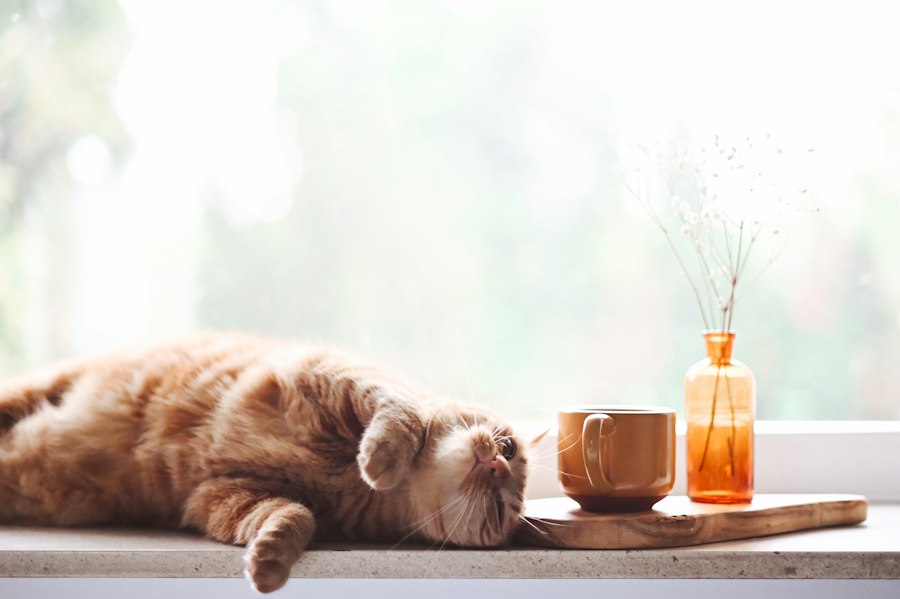
- Red and its Spectrum: Pheomelanin, responsible for red and cream colors, is controlled by the ‘O’ locus, which is sex-linked. The ‘O’ allele for orange is dominant over its absence ‘o’. This means that male cats (XY) can be orange if they inherit the ‘O’ allele on their X chromosome. Female cats (XX) need to inherit the ‘O’ allele on both X chromosomes to be orange, or they will be tortoiseshell or calico if they have one ‘O’ and one ‘o’ allele. The intensity of the red can also be influenced by other genes, leading to various shades from deep fiery red to pale cream.
- Patterns and Dilutions: Beyond basic color, genes control how these pigments are distributed. The ‘Agouti’ gene (A) determines whether a cat will have tabby markings. The dominant ‘A’ allele results in a tabby pattern, while the recessive ‘a’ allele leads to a solid color. Other genes can influence the expression of these colors, such as the ‘S’ locus for white spotting, which can range from a few white paws to a predominantly white coat.
Sex-Linked Inheritance and its Implications
The sex-linked nature of the orange gene is particularly noteworthy. As mentioned, this means that the genetics of orange coloration are tied to the X chromosome. This has interesting consequences for sex ratios in certain colorations. For instance, true calico cats, with their distinct patches of black, red, and white, are almost exclusively female. This is because they inherit one X chromosome with the gene for black pigment and another X chromosome with the gene for red pigment, in addition to the genes controlling white spotting and other pattern elements. Male cats, with only one X chromosome, cannot typically be calico unless they possess a rare genetic anomaly (XXY genotype).
Investigating the Link: Color Phenotype and Disease Susceptibility
The question of whether cat color impacts longevity often arises from observations of certain colorations being more prone to specific health conditions. While direct causality is complex, genetic predispositions linked to coat color genes can, in some instances, indirectly influence a cat’s overall health and potential lifespan.
The Orange Cat Conundrum: A Reputation for Adventure and Injury
Orange cats, particularly males, are often perceived as being more adventurous, vocal, and sometimes more prone to getting into scrapes. While this is largely anecdotal, some studies and veterinary observations have suggested a potential correlation between orange coloration and certain behavioral tendencies that might lead to a higher risk of injury.
- Behavioral Observations: Anecdotal evidence abounds of orange cats being bolder, more laid-back, or conversely, more prone to demanding attention. These perceived temperamental differences, while not definitively proven to be genetically linked to the orange gene itself, might influence how a cat interacts with its environment. A more adventurous cat might be more likely to wander outdoors, increasing its exposure to traffic, fights with other animals, and diseases.
- Trauma and Injury: Consequently, a higher incidence of injuries, such as those sustained from fights or accidents, could theoretically impact an orange cat’s lifespan if these injuries are severe or lead to complications. However, it’s crucial to distinguish between correlation and causation. It is not the orange color itself that makes a cat prone to injury, but potentially a behavioral predisposition that sometimes accompanies this coloration.
White Cats and Sensory Deficiencies: A Direct Genetic Link
White cats, particularly those with solid white coats and no underlying color, often raise concerns about hearing and vision. This is not a matter of superstition, but a well-documented genetic phenomenon.
- The Dominant White Gene (W): The gene responsible for a solid white coat is the dominant white gene (W). This gene masks all other color and pattern genes. However, this same gene is also closely linked to the gene for deafness, particularly in cats with blue eyes.
- Deafness and its Impact: Approximately 60-80% of white cats with two blue eyes are born deaf. The percentage decreases slightly for white cats with one blue eye and one of another color, and is significantly lower for white cats with no blue eyes. Deafness itself does not directly shorten a cat’s lifespan. However, a deaf cat, especially an outdoor-access cat, is at a significantly higher risk of being hit by a car or succumbing to other dangers due to their inability to hear approaching threats. This increased vulnerability can, therefore, indirectly impact their longevity.
- Eye Conditions: While less common than deafness, some white cats may also be predisposed to certain eye conditions. These can include nystagmus (involuntary eye movements), strabismus (crossed eyes), and even vision loss in severe cases. Again, these conditions can increase a cat’s susceptibility to environmental hazards, potentially affecting their lifespan.
Dilute Colors and Potential Health Considerations
Dilute colors, such as blue (grey) and lilac, are the result of the recessive ‘d’ allele at the ‘D’ locus, which lightens black to blue and brown to lilac. While not as well-studied as white cats and deafness, there have been some anecdotal observations and limited research suggesting potential health links.
- Skin Pigmentation and Sensitivity: Cats with dilute colors have less melanin in their skin. This can make them more susceptible to sunburn and skin cancer, particularly if they have a light-colored nose or ears that are frequently exposed to direct sunlight. This increased risk of skin disease, if untreated or severe, could have a detrimental impact on a cat’s overall health and lifespan.
- Allergies and Immune Responses: Some veterinary professionals have noted a slightly higher incidence of allergies and immune-mediated conditions in cats with dilute coat colors. The exact mechanism behind this is not fully understood, but it’s theorized that the genetic pathways influencing pigment production might also play a role in immune system regulation. Further research is needed to confirm these observations.
Beyond the Fur: Other Factors Influencing Feline Lifespan
It is crucial to reiterate that coat color is just one small piece of a much larger puzzle when it comes to feline longevity. Numerous other factors play a far more significant role in determining how long a cat will live. Attributing lifespan solely to color would be a gross oversimplification of a complex biological and environmental interplay.
The Paramount Importance of Lifestyle and Environment
A cat’s daily life and the environment it inhabits are arguably the most critical determinants of its lifespan. These encompass a wide range of influences, from diet and healthcare to safety and enrichment.
- Indoor vs. Outdoor Access: This is perhaps the most significant factor. Indoor-only cats, when provided with adequate stimulation and care, generally live much longer than their outdoor-access counterparts. This is primarily due to the drastically reduced exposure to dangers such as traffic accidents, predation, fights with other animals, infectious diseases (like FIV and FeLV), and poisoning.
- Diet and Nutrition: A balanced, species-appropriate diet is fundamental for a cat’s health. High-quality food provides essential nutrients, supports a strong immune system, and helps prevent obesity and related health issues like diabetes and arthritis. Poor nutrition can lead to a weakened constitution, making a cat more susceptible to illness and reducing its overall vitality.
- Veterinary Care: Regular veterinary check-ups are essential for early detection and treatment of diseases. Vaccinations protect against common and potentially fatal illnesses. Prompt attention to any signs of illness or injury can prevent conditions from worsening and significantly improve a cat’s prognosis and lifespan. Spaying or neutering also has significant health benefits, reducing the risk of certain cancers and behavioral issues that can lead to injury.
Genetics of Breed and Individual Predispositions
While coat color is a genetic trait, so too are breed predispositions and individual genetic variations that can influence health and longevity. Some breeds are known to be prone to specific hereditary conditions that can affect their lifespan.
- Breed-Specific Health Concerns: For example, some long-haired breeds may be more susceptible to hairball issues if not properly groomed. Certain breeds have a higher risk of heart conditions, kidney disease, or specific cancers. These breed-inherent genetic factors can have a more direct and substantial impact on lifespan than coat color alone.
- Individual Genetic Makeup: Even within the same breed or mixed-breed cats, individual genetic differences exist. Some cats may be genetically predisposed to a stronger immune system, better organ function, or a slower aging process, irrespective of their coat color.
If you’re curious about the factors that influence a cat’s lifespan, you might find an interesting perspective in a related article that discusses the impact of genetics and environment on longevity. While some believe that a cat’s color may play a role in its lifespan, the article delves deeper into various aspects that contribute to a longer life for our feline friends. To explore this topic further, you can read the article here.
Separating Myth from Science: Evidence and Anecdote
| Cat Color | Average Lifespan (Years) | Notes |
|---|---|---|
| Black | 12-16 | No significant lifespan difference; health depends on breed and care |
| White | 10-15 | Prone to deafness, which can affect quality of life |
| Orange (Ginger) | 12-16 | Generally healthy; lifespan similar to other colors |
| Calico/Tortoiseshell | 12-16 | Mostly female; no proven lifespan advantage |
| Gray (Blue) | 12-16 | Common in many breeds; lifespan depends on breed and care |
When discussing the relationship between cat color and longevity, it is essential to differentiate between anecdotal observations and scientifically supported evidence. While personal experiences and common beliefs can be valuable starting points for inquiry, they do not constitute scientific proof.
The Challenge of Controlled Studies
Conducting rigorous scientific studies to definitively link coat color to lifespan is challenging. Lifespan is a complex outcome influenced by a multitude of interacting variables, making it difficult to isolate the impact of a single factor like coat color.
- Defining “Longevity”: What constitutes “long life” for a cat? While the average lifespan for an indoor cat is generally considered to be around 12-18 years, many cats live into their early twenties and beyond. Establishing clear benchmarks for comparison is vital.
- Controlling Variables: To conduct a true scientific study, researchers would need to control for all other factors that influence lifespan, such as diet, environment, veterinary care, and genetic predispositions unrelated to coat color. This is practically impossible in real-world settings.
- Sample Size and Bias: Studies that do exist often rely on observational data and may suffer from small sample sizes or inherent biases. For instance, if a particular color of cat is more commonly kept as an indoor-only pet within a certain community, it might appear to live longer simply due to its lifestyle, not its color.
Anecdotal Evidence and Veterinary Observations
Despite the challenges in conducting definitive studies, anecdotal evidence from cat owners and veterinarians can offer valuable insights and highlight areas for further scientific investigation.
- Common Perceptions: The widespread perception of orange cats being more prone to outdoor adventures or white cats having hearing issues stems from repeated observations over many years. These observations, while not scientific proof, are often rooted in reality.
- Veterinary Insights: Veterinarians, through their daily practice, encounter a vast number of cats with diverse coat colors and health histories. They can observe patterns and correlations that might not be apparent to the general public. For example, a veterinarian might notice a higher incidence of sunburned noses in white or light-colored cats with pink noses.
- The Importance of Holistic Care: Ultimately, even if certain colorations carry minor genetic predispositions to specific issues, a proactive and comprehensive approach to feline care can often mitigate these risks. Providing a safe indoor environment, a nutritious diet, regular veterinary attention, and ample enrichment are far more impactful in promoting a long and healthy life than focusing solely on a cat’s fur hue.
Conclusion: A Colorful Life, Regardless of Hue
The relationship between cat color and longevity is a nuanced one, woven from threads of genetics, environment, and individual care. While certain coat colors might be linked to specific predispositions, such as white cats and deafness or dilute colors and potential skin sensitivities, these factors are often secondary to the overarching influence of lifestyle and healthcare.
The science does not support a definitive statement that one cat color is inherently destined to live longer than another. Instead, it highlights that certain genetic pathways controlling color might, in some instances, be associated with other traits or vulnerabilities. However, the power to significantly impact a cat’s lifespan rests firmly in the hands of their human caregivers. Providing a safe, stimulating, and healthy environment, coupled with diligent veterinary care, is the most effective strategy for ensuring that every cat, regardless of the vibrant spectrum of its fur, enjoys a full, healthy, and long life. The beauty of a cat’s coat is a genetic marvel, but the length of its life is a testament to the love, care, and responsible guardianship it receives.

Which Cat Color Lives Longest? The Research Has a Twist
FAQs
1. Are certain cat colors associated with longer lifespans?
No, there is no scientific evidence to suggest that a cat’s color has any impact on its lifespan.
2. What factors contribute to a cat’s longevity?
Factors such as genetics, breed, diet, exercise, veterinary care, and overall health play a significant role in determining a cat’s lifespan.
3. Can choosing a cat based on color guarantee a longer life for the pet?
No, selecting a cat based on color alone does not guarantee a longer life for the pet. It is essential to consider other factors that contribute to a cat’s overall health and well-being.
4. Are certain cat colors more prone to specific health issues?
While some studies suggest that certain coat colors may be associated with a higher prevalence of certain health conditions, it is essential to remember that individual cats vary, and genetics play a more significant role in health outcomes.
5. What should potential cat owners consider when choosing a pet for longevity?
When selecting a cat, potential owners should focus on factors such as breed, genetics, health history, and overall care requirements rather than solely considering the cat’s color. Regular veterinary check-ups, a balanced diet, and a safe environment are crucial for ensuring a cat’s long and healthy life.