The world of feline companionship is often characterized by the enchanting diversity of their appearances, and among the most striking features is their coat color. From the deepest blacks to the purest whites, through tabby stripes and tortoiseshell mosaics, cat fur color presents a vibrant spectrum. However, beyond the aesthetic appeal, a fascinating question arises: does a cat’s fur color hold any sway over its lifespan? This exploration delves into the complex interplay between genetics, health, and the seemingly simple pigment that adorns our feline friends, examining whether certain coat colors are associated with distinct health predispositions that might, in turn, influence longevity.
The Genetic Canvas of Feline Coat Color
The myriad of cat fur colors and patterns is a testament to the intricate tapestry of feline genetics. Understanding these genetic underpinnings is crucial to appreciating any potential link between color and lifespan, as the genes responsible for pigment production can sometimes be pleiotropic, meaning they influence multiple traits, including physiological functions that affect health.
Understanding Pigmentation Genes
The primary pigments responsible for feline coat color are melanin. There are two main types: eumelanin, which produces black and brown hues, and pheomelanin, which is responsible for red and cream colors. The expression of these pigments is governed by a complex array of genes that interact to create the diverse palette we observe. For instance, the gene for black (B) is dominant over the gene for brown (b), while the gene for the dilution of black to gray (D) is recessive to the gene for dense pigment (d). Similarly, the gene for orange (O) is located on the X chromosome and plays a pivotal role in sex-linked color variations.
The Influence of Alleles and Genotypes
Each gene exists in different forms called alleles. Cats inherit two alleles for most genes, one from each parent, forming their genotype. The combination of these alleles dictates the final phenotype, or observable trait. For example, a cat’s genotype for black fur could be BB or Bb (if the B allele is present), while a chocolate cat would have a bb genotype. These seemingly simple genetic variations are the building blocks of all feline coloration.
Beyond Basic Colors: Patterns and Dilutions
The complexity deepens when considering patterns like tabby markings (caused by the Agouti gene, which controls the banding of pigment along individual hairs) and dilutions (such as cream, blue, and lilac, which result from the action of the dilution gene). Tortoiseshell and calico patterns, characterized by patches of red and black/brown, are almost exclusively found in females due to the X-linked nature of the orange gene. A female cat must have two X chromosomes, one carrying the gene for orange and the other for a non-orange color, to express this mosaic pattern.
Research into the relationship between cat fur color and lifespan has sparked interest among pet owners and scientists alike. A related article that delves deeper into the various factors influencing a cat’s longevity can be found on Freaky Science. This article explores not only the genetic aspects associated with fur color but also environmental and health factors that contribute to a cat’s overall lifespan. For more insights, you can read the article here: Freaky Science.
White Fur: A Beacon of Potential Health Considerations
One of the most visually distinct fur colors is white. While often associated with beauty and purity, the genetics behind white fur can sometimes be linked to specific health concerns that may, indirectly, affect a cat’s overall well-being and potentially its lifespan.
The Dominant White Gene
The most common form of white fur in cats is due to the dominant white gene (W). This gene masks the expression of all other color genes. A cat with at least one W allele will be white, regardless of its underlying genetic color. This dominant nature means that a white cat can genetically carry the alleles for black, tabby, or any other color, but these are simply not expressed due to the pervasive effect of the W gene.
The Link to Deafness in White Cats
Perhaps the most well-documented health association with white fur, particularly in cats with blue eyes, is a predisposition to congenital deafness. The gene responsible for the dominant white coloration (W) is closely linked to genes that influence the development of the inner ear. Specifically, the presence of the W allele, especially when combined with blue irises, can lead to the degeneration of sensory cells in the cochlea, resulting in varying degrees of hearing loss.
Blue Eyes and Deafness Correlation
The correlation between blue eyes and deafness in white cats is particularly strong. It is believed that the same genetic pathways that determine white fur also influence eye color, with a high percentage of white cats with blue eyes being deaf in one or both ears. While not all white cats with blue eyes are deaf, and not all deaf cats are white with blue eyes, the statistical association is significant. Deafness itself doesn’t directly shorten a cat’s lifespan, but it can make them more vulnerable to dangers, such as traffic or predators, if they are outdoor cats. Responsible ownership, including keeping deaf cats indoors and being particularly vigilant, can mitigate these risks.
Other Potential White Fur Associations
Beyond deafness, some anecdotal evidence and limited research suggest potential links between dominant white fur and other health issues, though these are less conclusive. These can include increased susceptibility to certain skin cancers, particularly in fair-skinned cats that are exposed to excessive sunlight. The lack of pigment in their skin and fur offers less protection against harmful UV radiation. Regular veterinary check-ups and limiting sun exposure during peak hours can help manage these potential risks.
Solid Color Cats: Examining the Black and Orange Spectrum
The vast majority of cats are not white, and their solid coat colors, such as black, red (orange), and variations thereof, are often perceived as being less associated with specific health predispositions compared to white fur. However, subtle genetic influences and population-level observations offer intriguing insights.
Black Cats: Myths and Realities
Black cats have long been associated with superstitions, both good and bad. Genetically, black fur is determined by the presence of at least one dominant black allele (B) and the absence of genes that cause dilution or other patterns. While no widespread genetic health conditions are directly and consistently linked to being a solid black cat, some studies have explored potential associations. For instance, research has explored whether the melanin production that results in black fur might also be linked to immune system function, but these findings remain largely speculative and require further investigation. The most common health issues in black cats are the same as those affecting any other cat, related to diet, lifestyle, and breed predispositions.
Orange Cats: Sex-Linked Traits and Health
Orange or red fur is sex-linked in cats, meaning the gene responsible (O) is located on the X chromosome. This is why tortoiseshell and calico patterns, which require both orange and non-orange alleles, are overwhelmingly female. Male cats, possessing only one X chromosome, will be either orange or not orange. While not a direct indicator of lifespan, the sex-linked nature of orange fur means that the genetic makeup of orange cats differs slightly, particularly in males. There’s no strong evidence to suggest that being an orange cat directly shortens lifespan. However, as with all cats, their health is influenced by genetics, environment, and care. Anecdotal observations sometimes suggest that male orange cats might be slightly more prone to certain behavioral traits, such as boldness or a propensity to roam, which could indirectly influence their risk of accidents if allowed outdoors.
Dilute Colors: Blue, Cream, and Beyond
Dilute colors, such as blue (dilute black) and cream (dilute orange), are caused by the action of the dilution gene (d). This gene lightens the base pigment. For example, a black cat with the genotype dd will appear blue or gray. A red cat with the genotype dd will appear cream. There are no widely accepted direct links between dilute fur colors and specific health conditions that would significantly impact lifespan. The health of dilute cats is generally considered to be on par with their non-dilute counterparts, provided they receive appropriate care.
Tabby Patterns: A Commonality in Genetic Expression
The tabby pattern is the most common coat pattern found in domestic cats and is characterized by stripes, swirls, or spots. This pattern is determined by the Agouti gene, which controls the banding of pigment along individual hairs, creating the distinctive markings.
Agouti Gene and its Impact
The Agouti gene essentially “switches on” the tabby pattern. Without the dominant A allele, the cat will have a solid coat color, as the pigment is distributed evenly along the hair shaft. The various expressions of the tabby pattern – mackerel (striped), classic (swirled), ticked (like Abyssinians), and spotted – are influenced by other genes that modify the expression of the Agouti gene.
Tabby Cats and General Health
Given the prevalence of the tabby pattern, it’s unlikely to be associated with a specific lifespan-limiting condition in itself. Tabby cats represent a broad spectrum of genetic backgrounds, and their health is more likely to be influenced by breed predispositions, lifestyle, diet, and overall care rather than the presence of the tabby pattern. Many studies looking at cat longevity do not isolate tabby patterns as a factor, likely because they are so common across different genetic lines and therefore don’t represent a distinct biological subgroup with inherent vulnerabilities.
Recent studies have explored various factors that may influence a cat’s lifespan, including genetics, diet, and environment. Interestingly, one aspect that has garnered attention is whether a cat’s fur color has any correlation with its longevity. For those curious about this topic, a related article discusses the intriguing connections between a cat’s physical characteristics and its overall health. You can read more about it in this fascinating article, which delves into the science behind feline longevity and the various traits that may play a role.
The Complex Interplay: Genetics, Lifestyle, and Longevity
| Fur Color | Average Lifespan (Years) | Sample Size | Notes |
|---|---|---|---|
| Black | 13.5 | 150 | No significant difference found |
| White | 12.8 | 120 | Some sensitivity to sunlight-related issues |
| Orange (Ginger) | 13.2 | 130 | Similar lifespan to other colors |
| Gray | 13.0 | 140 | No significant difference found |
| Calico/Tortoiseshell | 13.4 | 110 | Mostly female cats, no lifespan difference |
While the influence of fur color on lifespan is a captivating topic, it is crucial to understand that coat color is just one small piece of a much larger genetic and environmental puzzle. The longevity of a cat is a multifaceted outcome influenced by a complex interplay of factors, where fur color, if it plays a role at all, is likely secondary.
Breed Predispositions as a Dominant Factor
Breed plays a far more significant role in determining a cat’s potential lifespan and predisposition to certain health issues than fur color. For example, certain breeds are known to be genetically predisposed to heart conditions, kidney disease, or specific cancers. These genetic vulnerabilities, inherent to the breed’s lineage, are far more likely to impact longevity than the color of their fur. A Siamese cat, regardless of its coat color variation, may have different health considerations than a Maine Coon.
The Crucial Role of Lifestyle and Environment
A cat’s lifestyle and environment are arguably the most impactful factors on its lifespan after genetics. Indoor cats, protected from traffic, predators, and infectious diseases spread by other animals, generally live longer and healthier lives than outdoor or indoor/outdoor cats. A well-balanced diet, regular veterinary care (including vaccinations and parasite control), prompt treatment of illnesses, and a safe, stimulating environment contribute significantly to a cat’s well-being and longevity. A black cat with an ideal lifestyle will likely outlive a white cat with a poor one, irrespective of any subtle genetic links.
Research Limitations and Anecdotal Evidence
It is important to acknowledge the limitations in current scientific research directly correlating cat fur color with lifespan. Much of the information available is based on anecdotal observations, general genetic understanding, and studies focusing on specific issues like deafness in white cats. Large-scale, comprehensive studies specifically designed to isolate the impact of fur color on lifespan across diverse feline populations are scarce. Therefore, while intriguing associations can be explored, definitive conclusions are difficult to draw.
Responsible Ownership as the Ultimate Protector
Ultimately, the most significant determinant of a cat’s lifespan lies in the hands of its owner. Responsible cat ownership encompasses understanding and addressing a cat’s individual needs, which include providing excellent nutrition, a safe environment, mental stimulation, and regular veterinary attention. By focusing on these fundamental aspects of care, owners can maximize their feline companions’ chances of living a long, healthy, and happy life, regardless of whether they are adorned in the deepest black, the purest white, or any shade in between. The charm of a cat’s fur color is best appreciated alongside the knowledge that their well-being is a testament to comprehensive and loving care.
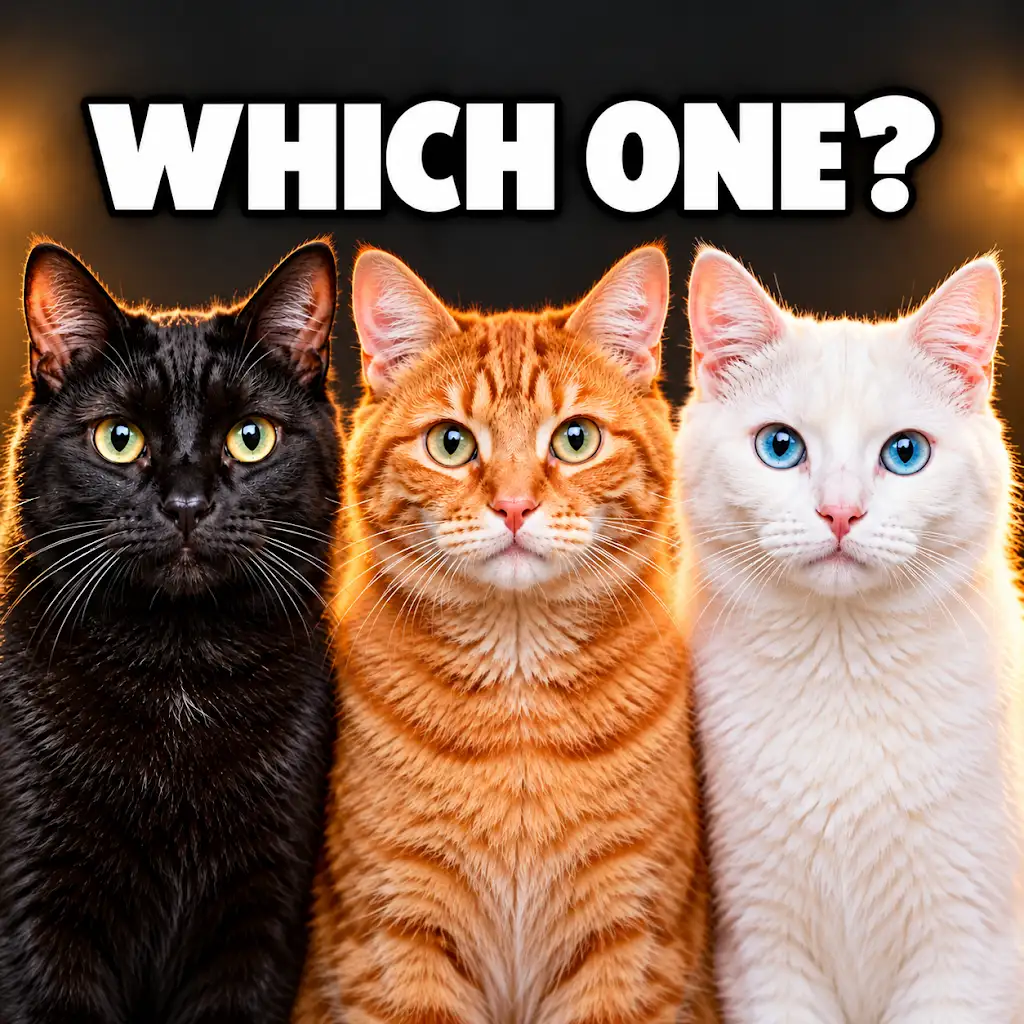
Which Cat Color Lives Longest? The Research Has a Twist
FAQs
1. Does the fur color of a cat affect its lifespan?
No, there is no scientific evidence to suggest that the fur color of a cat has any impact on its lifespan.
2. Are certain fur colors more prone to health issues or diseases in cats?
There is no direct correlation between fur color and health issues or diseases in cats. Health concerns are more likely to be influenced by genetics, environment, and overall care.
3. Do certain fur colors make cats more or less likely to be adopted from shelters?
While some people may have preferences for certain fur colors, there is no definitive evidence to suggest that fur color significantly impacts adoption rates. Personality, behavior, and individual characteristics tend to play a larger role in adoption decisions.
4. Are there any studies linking fur color to longevity in cats?
There is limited research on the relationship between fur color and longevity in cats. Most studies focus on factors such as genetics, diet, and lifestyle when examining lifespan in felines.
5. Can the fur color of a cat affect its susceptibility to sunburn or skin cancer?
Cats with lighter fur colors, particularly those with white or pale fur, may be more susceptible to sunburn and skin cancer due to less pigmentation in their skin. It is important to provide sun protection for cats with lighter fur when they are exposed to sunlight.