The universe, in its unfathomable vastness, whispers secrets across cosmic distances, carried on the ancient light that has traveled for eons to reach us. This light, a messenger from the dawn of time, holds the keys to understanding our cosmic origins, the evolution of stars and galaxies, and the very fabric of spacetime. To unveil this ancient light is to embark on a journey of discovery, peering back into the universe’s nascent stages and deciphering the grand narrative etched in photons.
Echoes from the Cosmic Dawn
The earliest light to traverse the cosmos, predating the formation of stars and galaxies as we know them, is the cosmic microwave background (CMB). This faint afterglow of the Big Bang, a relic from a universe just 380,000 years old, is a cosmic snapshot of an era when the universe was a scorching, opaque plasma. As the universe expanded and cooled, protons and electrons combined to form neutral atoms, allowing photons to travel freely for the first time. These photons, stretched by billions of years of cosmic expansion, now arrive in our telescopes as microwaves, bathing the entire sky with a uniform temperature of about 2.7 Kelvin.
The Symphony of the Early Universe
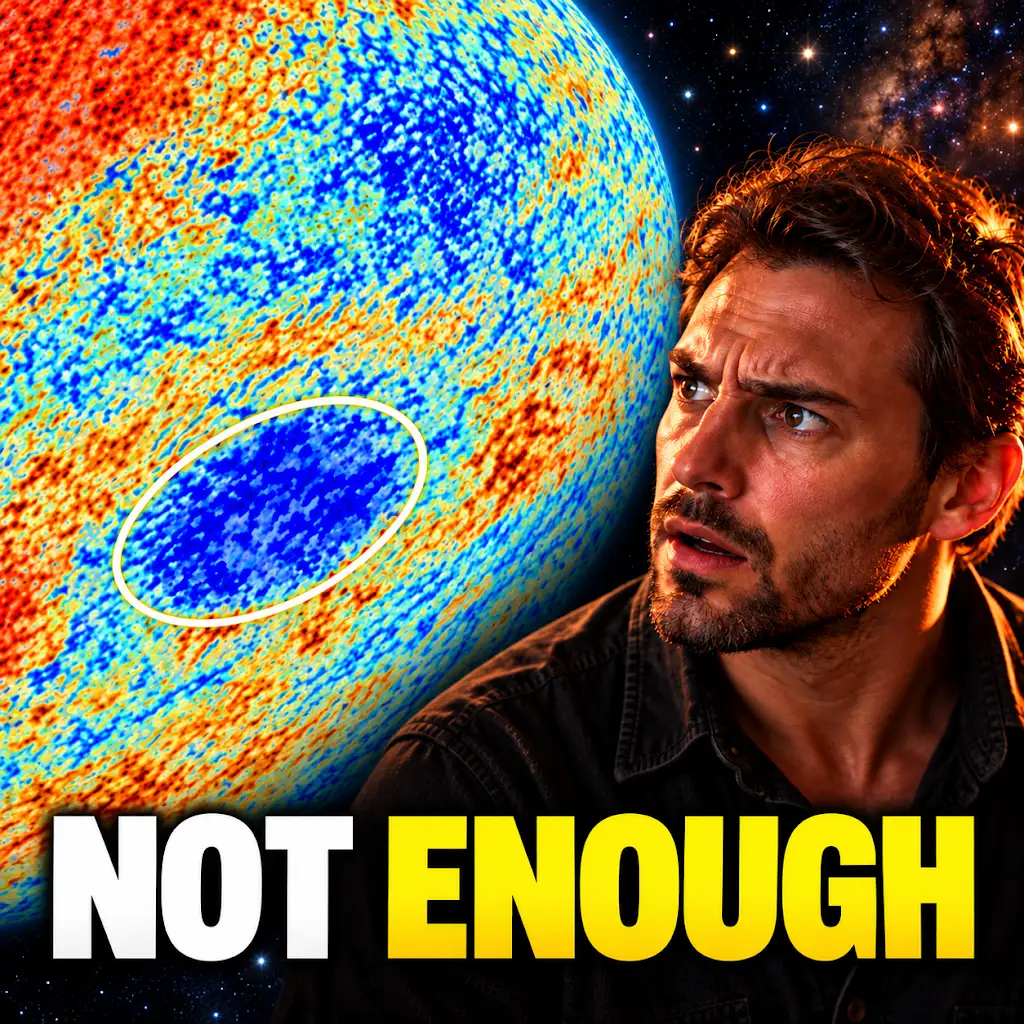
The CMB is not perfectly uniform; it exhibits subtle temperature fluctuations, minuscule variations in density that were imprinted during the inflationary epoch, a period of rapid expansion shortly after the Big Bang. These fluctuations, observed with remarkable precision by missions like the Wilkinson Microwave Anisotropy Probe (WMAP) and the Planck satellite, are the seeds from which all cosmic structures – galaxies, clusters, and superclusters – eventually grew. Analyzing the pattern and amplitude of these anisotropies allows cosmologists to precisely measure fundamental cosmological parameters, such as the age of the universe, its composition (the proportions of dark matter, dark energy, and ordinary matter), and its geometry. The CMB is, in essence, the universe’s primordial blueprint, a testament to the incredible homogeneity and the subtle initial inhomogeneities that sculpted the cosmos we observe today. Each flicker in the CMB is a note in the symphony of the early universe, a record of the physical processes that governed its initial state and dictated its subsequent evolution.
Unraveling the Inflationary Paradigm
The existence and properties of these early fluctuations lend strong support to the theory of cosmic inflation, a hypothetical period of exponential expansion that occurred a fraction of a second after the Big Bang. Inflation proposes that the universe underwent an astonishing increase in size, smoothing out initial irregularities and explaining the remarkable flatness and homogeneity observed in the CMB. The specific patterns of temperature variations in the CMB act as fingerprints of this inflationary epoch, allowing scientists to test different inflationary models and constrain their parameters. By studying the CMB, we are not merely observing ancient light; we are probing the fundamental physics that governed the universe’s very first moments, seeking to understand the mechanisms that set the stage for everything that followed. The faint whispers of the early universe, captured by our sensitive instruments, are gradually revealing the story of its birth.
The concept of ancient light provides fascinating insights into the early universe and its formation. For those interested in exploring this topic further, a related article can be found at Freaky Science, which delves into the implications of cosmic microwave background radiation and how it serves as a snapshot of the universe just after the Big Bang. This ancient light not only helps astronomers understand the origins of galaxies but also sheds light on the fundamental laws of physics that govern our universe today.
Stellar Nurseries and Galactic Genesis
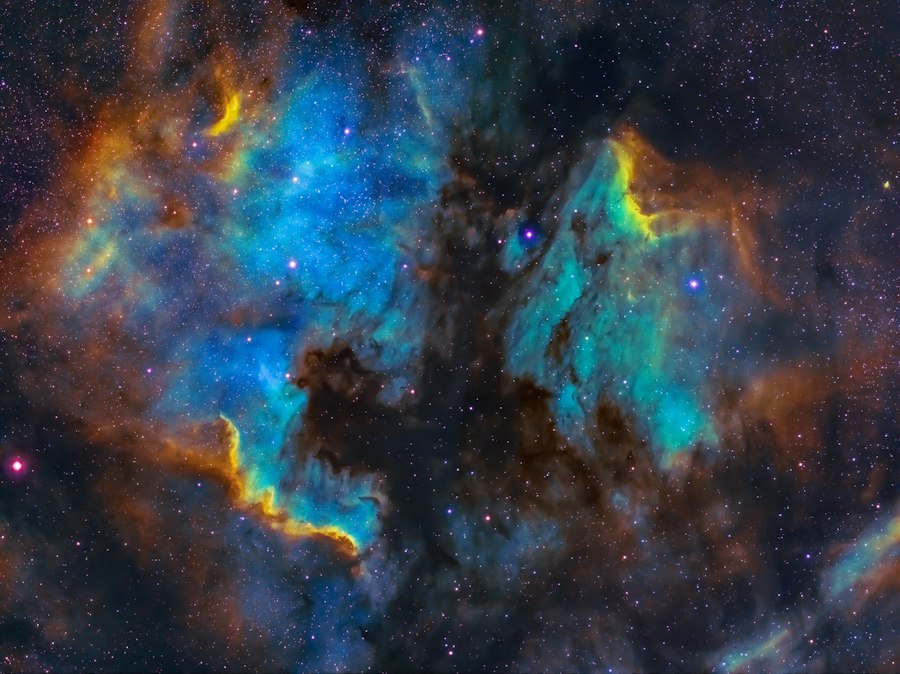
As the universe continued to expand and cool, gravity began to pull together the denser regions of gas and dark matter. These coalescing clumps eventually ignited, marking the birth of the first stars and galaxies. The light from these early stellar populations, though incredibly faint and redshifted by cosmic expansion, offers a glimpse into the universe’s adolescence. These first luminous objects were likely massive and short-lived, composed primarily of hydrogen and helium, the building blocks forged in the Big Bang. Their intense ultraviolet radiation played a crucial role in reionizing the neutral hydrogen that had pervaded the universe, transforming it into the ionized state we observe in much of the intergalactic medium today.
The Dawn of the First Galaxies
The formation of the first galaxies was a pivotal moment in cosmic history. These nascent collections of stars, gas, and dark matter were the progenitors of the grand spiral and elliptical galaxies we see in the universe’s present epoch. Observing these early galaxies, often found at immense distances, requires instruments capable of detecting extremely faint light that has been dramatically redshifted into the infrared spectrum. Telescopes like the Hubble Space Telescope and, more recently, the James Webb Space Telescope (JWST), have revolutionized our understanding of this era, providing unprecedented views of these primordial structures. The JWST, in particular, with its advanced infrared capabilities, has pushed the boundaries of observation, revealing galaxies that formed mere hundreds of millions of years after the Big Bang, challenging existing models of galaxy formation and evolution.
The Chemical Enrichment of the Cosmos
The first generation of stars, often referred to as Population III stars, were crucial in forging heavier elements – carbon, oxygen, iron, and all others – through nucleosynthesis in their cores and during their explosive supernova deaths. These heavier elements, or “metals” in astronomical parlance, were then dispersed into the interstellar medium, enriching the gas from which subsequent generations of stars and galaxies would form. Each subsequent generation of stars inherited a progressively higher metallicity, leading to the diverse chemical compositions of stars and planets observed today. The light from these evolving stellar populations carries the story of this ongoing chemical enrichment, a testament to the cyclical nature of cosmic evolution, where the remnants of dead stars become the building blocks of new ones.
The Cosmic Web and Galactic Evolution
The universe is not a uniform distribution of matter; it is structured into a vast, intricate network known as the cosmic web. This web consists of immense filaments of galaxies and dark matter, interspersed with vast, empty voids. The gravitational interplay between matter, both visible and dark, has sculpted this large-scale structure over billions of years. Galaxies are not isolated entities; they are nodes within this cosmic web, their evolution profoundly influenced by their environment and their interactions with neighboring galaxies.
The Dance of Merging Galaxies
Galaxies are dynamic entities, constantly interacting and merging with one another. These cosmic collisions, though appearing violent on a human timescale, are slow, gradual processes driven by gravity. When galaxies merge, their stellar populations are mixed, their gas clouds collide and trigger bursts of star formation, and their central supermassive black holes can become active, releasing immense amounts of energy. Studying the light from galaxies undergoing mergers provides insights into the processes that shape galactic morphology, drive the growth of supermassive black holes, and contribute to the overall evolution of galaxies within the cosmic web. The light emitted from these celestial collisions carries signatures of intense star formation and energetic outflows, offering a direct view into the turbulent adolescence of galaxies.
The Role of Dark Matter in Structure Formation
Dark matter, an invisible substance that interacts gravitationally but does not emit or absorb light, plays a dominant role in the formation and evolution of cosmic structures. Its gravitational influence provides the scaffolding upon which visible matter coalesces. Without dark matter, the structures we observe in the universe would not have had enough time to form from the initial, relatively smooth distribution of matter after the Big Bang. By observing the motion of galaxies within clusters and the bending of light around massive objects (gravitational lensing), astronomers can map the distribution of dark matter and understand its crucial role in shaping the cosmic web. The light that reaches us, while originating from visible matter, is ultimately guided and influenced by the invisible hand of dark matter, a constant reminder of the universe’s hidden architecture.
The Lives and Deaths of Stars
Stars are the engines of cosmic light, generating energy through nuclear fusion and illuminating the universe. From their fiery birth in nebulae to their dramatic demise as supernovae or quiescent stellar remnants, stars follow predictable life cycles, each stage leaving its indelible mark on the cosmos. The light emitted by stars carries information about their temperature, composition, age, and evolutionary stage, allowing astronomers to reconstruct their life stories and understand their impact on their surroundings.
The Spectrum of Stellar Life
The light we receive from stars is not uniform; it is a spectrum, a rainbow of colors, each corresponding to a specific wavelength. By analyzing the absorption and emission lines within a star’s spectrum, astronomers can determine its chemical composition, surface temperature, and even its radial velocity. This spectroscopic information is akin to reading a star’s DNA, revealing its fundamental properties and its place within the cosmic tapestry. From the cool, red glow of a red dwarf to the scorching, blue brilliance of a massive O-type star, each spectral signature tells a unique story of stellar evolution, from the slow burning of hydrogen to the dramatic fusion of heavier elements.
Supernovae: Cosmic Fireworks and Element Factories
The spectacular death of a massive star in a supernova explosion is one of the most energetic events in the universe. These cosmic explosions not only release an immense amount of light and energy, briefly outshining entire galaxies, but they also play a critical role in synthesizing and dispersing heavy elements into the interstellar medium. The light from supernovae carries the signatures of the elements forged in their explosive deaths, enriching the universe with the very materials necessary for the formation of new stars, planets, and eventually, life. Studying these fleeting, luminous events allows us to understand the processes of nucleosynthesis at extreme conditions and trace the cosmic origins of the elements that make up our planet and ourselves.
The ancient light of the universe provides a fascinating glimpse into the early moments of cosmic history, revealing secrets about the formation of galaxies and the expansion of space. For those interested in delving deeper into this captivating topic, a related article can be found at Freaky Science, which explores the implications of cosmic background radiation and its significance in understanding the universe’s evolution. This exploration not only enhances our comprehension of astrophysics but also ignites curiosity about the mysteries that still lie beyond our current knowledge.
Probing the Universe’s Expansion and Fate
| Metric | Value | Description |
|---|---|---|
| Age of Ancient Light | 13.8 billion years | Time since the Big Bang when the ancient light was emitted |
| Wavelength | 1.9 mm (microwave) | Peak wavelength of the Cosmic Microwave Background radiation |
| Temperature | 2.725 K | Current temperature of the Cosmic Microwave Background radiation |
| Redshift (z) | ~1100 | Redshift corresponding to the time of photon decoupling |
| Photon Decoupling Time | ~380,000 years after Big Bang | Epoch when photons decoupled from matter, creating the ancient light |
| Intensity | ~3.14 × 10^-18 W/m²/Hz/sr | Intensity of the Cosmic Microwave Background radiation |
| Polarization | ~0.1 μK fluctuations | Small polarization anisotropies in the ancient light |
The light from distant celestial objects, particularly supernovae of a specific type (Type Ia), has played a pivotal role in revealing the accelerating expansion of the universe. These “standard candles” possess a consistent intrinsic brightness, allowing astronomers to measure their distances with remarkable accuracy. By comparing these distances with their observed redshifts, astronomers can infer the rate at which the universe is expanding. The discovery that this expansion is not slowing down, as expected due to gravity, but is instead accelerating, led to the concept of dark energy, a mysterious force that appears to be counteracting gravity on large scales.
The Enigma of Dark Energy
The accelerating expansion of the universe, revealed by precise measurements of distant Type Ia supernovae and confirmed by observations of the CMB, suggests the existence of a dominant component of energy driving this acceleration. This enigmatic entity, dubbed dark energy, constitutes about 68% of the universe’s total energy density. Its nature remains one of the most profound mysteries in modern cosmology. The light from these distant supernovae, stretching across billions of light-years, carries the crucial data that points to this cosmic acceleration and the pervasive influence of dark energy. Understanding the properties and origin of dark energy is essential for predicting the ultimate fate of the universe, whether it will continue to expand indefinitely, eventually leading to a “Big Freeze,” or if its expansion will eventually reverse.
The Future Illuminated by Ancient Light
By studying the ancient light that has traveled across the cosmos, we are not only deciphering our past but also gaining crucial insights into our future. The properties of the universe, as revealed by the light from its earliest moments and its most distant objects, dictate its ultimate destiny. The ongoing quest to understand the universe’s ancient light is a testament to humanity’s innate curiosity and our drive to comprehend our place within the grand cosmic narrative. Each photon that arrives is a piece of a colossal puzzle, and as we gather more of these ancient messengers, the picture of our universe, from its fiery birth to its potential cosmic demise, becomes increasingly clear. The light that left distant galaxies billions of years ago continues its journey, illuminating our present and shaping our understanding of all that is to come.
The Universe’s Cold Spot Has an Explanation. It’s Not Enough.
FAQs
What is the ancient light of the universe?
The ancient light of the universe refers to the cosmic microwave background radiation, which is the residual radiation left over from the Big Bang.
How was the ancient light of the universe discovered?
The ancient light of the universe was discovered in 1965 by Arno Penzias and Robert Wilson, who were awarded the Nobel Prize in Physics in 1978 for their discovery.
What does the ancient light of the universe tell us about the early universe?
Studying the ancient light of the universe provides valuable insights into the early universe, including its age, composition, and the processes that occurred shortly after the Big Bang.
How has the study of the ancient light of the universe contributed to our understanding of cosmology?
The study of the ancient light of the universe has helped confirm the Big Bang theory, provided evidence for the expansion of the universe, and supported the theory of cosmic inflation.
What are some current research efforts focused on the ancient light of the universe?
Current research efforts focused on the ancient light of the universe include studying its polarization to learn more about the early universe, as well as using advanced telescopes and instruments to map its fluctuations in greater detail.