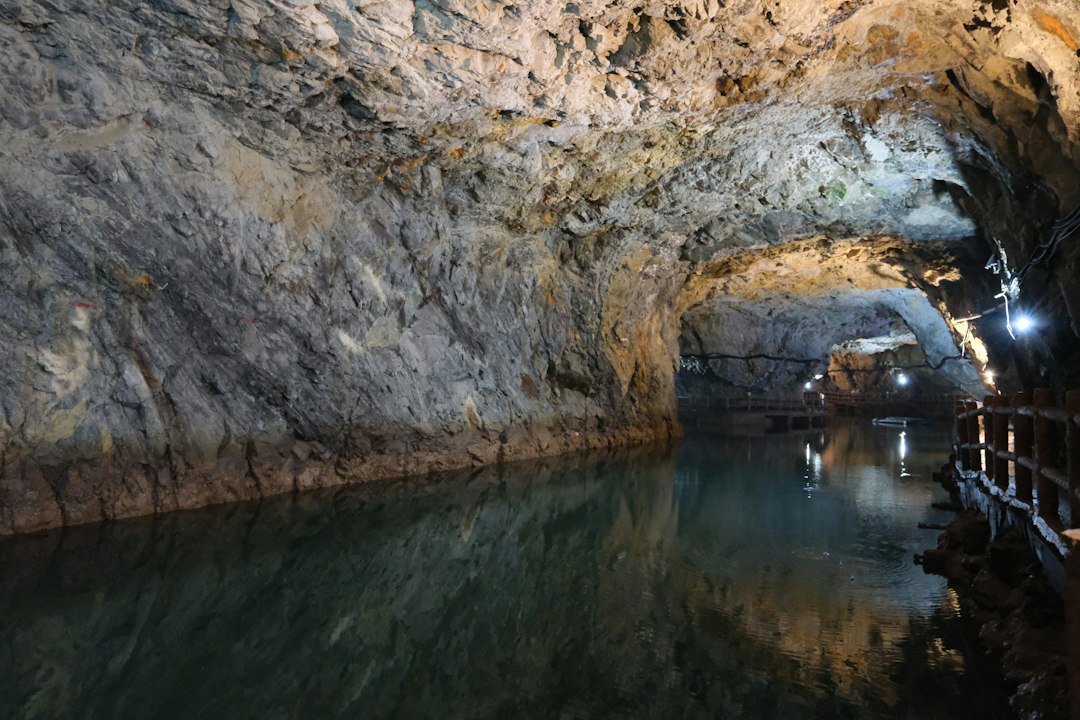
The Earth, a planet teeming with life, harbors a secret vast and largely unexplored: a hidden ocean of water dwelling deep beneath its surface. This immense subterranean reservoir, often referred to as “deep underground water,” challenges conventional understandings of Earth’s hydrology and holds potential answers to critical global challenges, from water scarcity to geological processes. Uncovering the mystery of this hidden world requires a multidisciplinary approach, delving into the planet’s geological structure, the physics of water under extreme pressure, and the potential for life in such alien environments.
Beneath the familiar landscapes of continents and oceans lies a realm of immense pressure and temperature, where water exists in forms and quantities previously unimagined. This deep underground water is not simply groundwater seeping a little deeper; it represents a distinct hydrological system, vast in its potential scale and complex in its origins. Scientists have long suspected its existence, inferring it from seismic data and the composition of volcanic rocks, but direct observation and comprehensive mapping remain elusive. The challenge lies in the sheer inaccessibility of these depths, making exploration a monumental undertaking.
Defining Deep Underground Water: Beyond the Aquifer
The term “deep underground water” encompasses a spectrum of water reservoirs located far below the surface, often beyond the reach of conventional drilling and groundwater extraction. This distinction is crucial. While shallow aquifers are relatively well-understood and utilized, the water at greater depths exhibits different behaviors and origins.
Sub-Basaltic Water Systems
One significant component of deep underground water resides beneath extensive basalt flows. These impermeable rock layers can trap significant volumes of water in fractures and pores within the underlying sedimentary or crystalline rocks. Accessing this water requires penetrating the thick basaltic crust, a technically demanding feat.
Sub-Lithospheric Reservoirs
The deepest realms of underground water are hypothesized to exist within the Earth’s mantle, particularly in the upper mantle region known as the asthenosphere. This water, locked within mineral structures at extreme pressures and temperatures, plays a vital role in mantle dynamics and potentially influences volcanic activity. Its presence fundamentally alters our perception of the Earth as a dynamic, interconnected system.
Water Trapped in Crystalline Structures
Water can be incorporated into the crystal lattice of minerals under immense pressure. This bound water, often referred to as “hydrous minerals,” represents a significant reservoir of H2O deep within the Earth’s crust and upper mantle. While not free-flowing water, its release through geological processes can have profound impacts.
The Scale of the Subterranean Ocean: A New Perspective on Earth’s Water Budget
Estimating the sheer volume of water residing in these deep reservoirs is a significant scientific endeavor, with current estimates suggesting it could rival or even exceed the volume of the world’s oceans. This realization dramatically reconfigures the Earth’s water budget, moving a substantial portion of H2O from the surface to the planet’s interior.
Re-evaluating Earth’s Total Water Content
For decades, the focus of Earth’s water has been on oceans, glaciers, and freshwater lakes and rivers. The discovery and ongoing study of deep underground water necessitate a re-evaluation of these figures, acknowledging a vast, hidden component that influences global hydrological cycles and geological evolution.
Implications for Hydrothermal Systems
The presence of vast amounts of water at depth fuels hydrothermal systems, processes where heated water circulates through the Earth’s crust and upper mantle. These systems are crucial for mineral formation, the transport of heat, and the potential for unique ecosystems. Understanding deep underground water is key to comprehending the full extent of these vital geological phenomena.
Water can exist deep underground in various forms, primarily due to geological processes and the unique properties of water itself. The presence of water in subterranean environments is often linked to aquifers, which are layers of permeable rock that can store and transmit water. For a deeper understanding of how water can be found beneath the Earth’s surface, you can explore the article on this topic at Freaky Science, which delves into the science behind underground water sources and their significance in our ecosystem.
The Geological Tapestry: Where Water Hides
The existence and accessibility of deep underground water are intrinsically linked to the Earth’s complex geological structure. Fractures, faults, porous rock formations, and the very composition of minerals at various depths dictate where and in what form water can be stored. Unraveling these geological narratives is paramount to mapping this hidden hydrosphere.
The Role of Plate Tectonics and Fault Zones
Plate tectonics, the grand movement of Earth’s lithospheric plates, plays a pivotal role in creating pathways for deep underground water. The immense forces involved in plate collisions and separations generate extensive fault zones, creating interconnected networks of fractures that can extend deep into the crust. These fault zones act as conduits, allowing water to percolate to significant depths.
Subduction Zones: Water Recycling at its Finest
Subduction zones, where one tectonic plate plunges beneath another, are particularly important in the deep water cycle. As oceanic plates descend into the mantle, they carry with them vast quantities of seawater. This water is then released through dehydration reactions of minerals at high pressures and temperatures, contributing to mantle hydration and volcanic activity.
Rift Valleys and Crustal Thinning
Conversely, in areas of crustal rifting, where the Earth’s crust is pulling apart, extensive fracturing occurs. This thinning of the crust can create pathways for water to descend into deeper geological formations, potentially accumulating in large reservoirs.
Porosity and Permeability: The Foundation of Storage
The ability of rocks to store and transmit water is determined by their porosity (the void space within the rock) and permeability (the interconnectedness of these voids). While many rocks at great depths are impermeable, certain geological conditions create exceptions, allowing for substantial water storage.
Fractured Crystalline Basements
Even seemingly solid crystalline rocks, such as granite, can become highly porous and permeable if extensively fractured. These fractured zones can act as reservoirs for significant volumes of water, particularly in ancient shield areas.
Sedimentary Basins and Deep Sandstones
Deep sedimentary basins, formed by the accumulation of sediments over millions of years, can contain extensive layers of porous sandstone. Water can be trapped within these sandstones at considerable depths, creating substantial underground reservoirs.
Mineralogical Influences: Water within the Rock Itself
The very minerals that compose the Earth’s crust and mantle can hold water within their atomic structures. These hydrous minerals are a significant, albeit less accessible, component of deep underground water.
Hydrous Minerals in the Mantle Transition Zone
The transition zone, a region within the mantle between approximately 410 and 660 kilometers depth, is thought to contain significant amounts of water bound within minerals like ringwoodite. This water plays a critical role in the rheology and dynamics of the mantle.
Zeolites and Other Hydrated Silicates
In the Earth’s crust, various minerals, including zeolites, clays, and amphiboles, can incorporate water into their structures. These minerals can hold and release water under changing pressure and temperature conditions, influencing fluid flow and chemical reactions.
The Physics of the Deep: Water Under Extreme Conditions
The conditions at extreme depths – immense pressure and elevated temperatures – drastically alter the behavior of water. It is no longer the familiar liquid we experience at the surface. Scientists are investigating how water behaves under these conditions, revealing new phases and properties.
Pressure-Induced Phase Transitions: Beyond Ice and Steam
At the immense pressures found deep within the Earth, water can exist in solid phases that are unfamiliar to us at the surface. These high-pressure ice phases are not the hexagonal ice familiar from our refrigerators but rather exotic crystalline structures with vastly different properties.
Ice VII and Other Exotic Ice Polymorphs
Under pressures exceeding 200 megapascals, water transforms into Ice VII, a cubic crystal structure. At even greater pressures, other high-pressure ice polymorphs, such as Ice X and Ice XI, are theorized to exist. These phases can stabilize significant amounts of water deep within the Earth.
Supercritical Water: A Solvent Like No Other
At temperatures and pressures above its critical point (374 °C and 22.1 MPa), water exists as a supercritical fluid. In this state, it exhibits properties of both a liquid and a gas, acting as a powerful solvent for minerals and playing a crucial role in geochemical processes, including ore formation.
Water as a Catalyst for Geological Processes
Deep underground water is not merely a passive component of the Earth’s interior; it actively drives geological processes. Its presence influences the melting of rocks, the deformation of the mantle, and the transport of heat and chemical elements.
Mantle Melting and Volcanism
The presence of water in the mantle significantly lowers the melting point of rocks. This phenomenon is crucial for generating magma that rises to the surface, leading to volcanic eruptions. Deep underground water, therefore, is a fundamental driver of volcanism.
Hydrothermal Alteration and Mineral Formation
Circulating hot water at depth, known as hydrothermal fluids, can dissolve and precipitate minerals, leading to the formation of ore deposits and altering the chemical composition of rocks. Understanding deep water circulation is key to understanding these economically important processes.
The Quest for Life: Extremophiles in the Deep
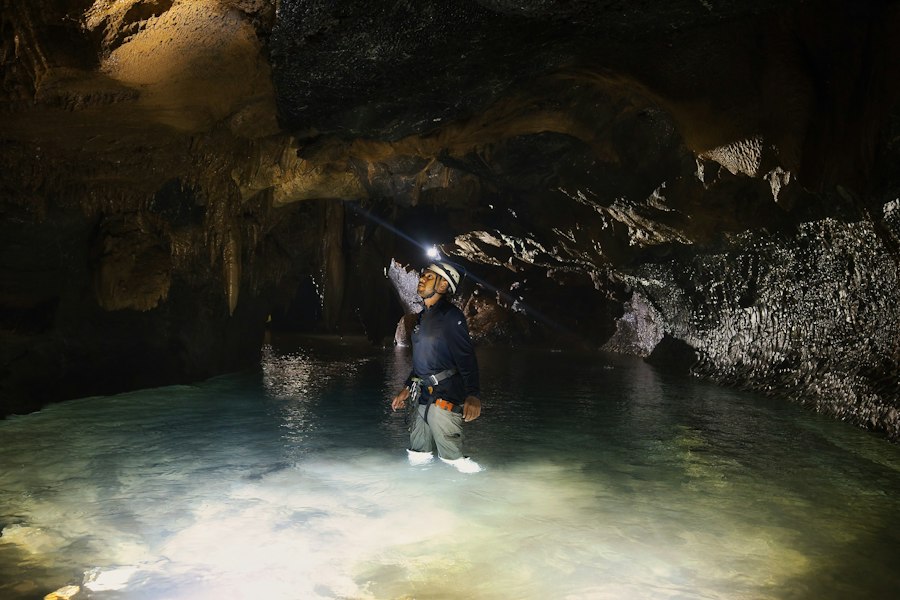
The existence of water, even in its exotic forms and extreme environments, raises the tantalizing possibility of life. Scientists are exploring the potential for microbial life to thrive in these deep, dark, and high-pressure ecosystems, a concept known as the deep biosphere.
Microbial Life in Subsurface Aquifers
Even in relatively accessible deep aquifers, microbial communities have been discovered that survive and thrive in the absence of sunlight and organic matter from the surface. These “extremophiles” derive energy from chemical reactions occurring within the rocks and water.
Chemosynthesis: Life Without Sunlight
These deep subsurface microbes often rely on chemosynthesis, a process where they obtain energy from inorganic chemical compounds, such as hydrogen, methane, or sulfur compounds. This is a stark contrast to photosynthesis, which is the basis of most life on the surface.
Adaptation to High Pressure and Temperature
The study of these deep biosphere organisms reveals remarkable adaptations to high pressure and temperature. Their enzymes and cellular structures are engineered to withstand conditions that would be lethal to most surface-dwelling life forms.
The Potential for Life in the Deep Mantle
The ultimate frontier for the deep biosphere lies in the Earth’s mantle. While direct evidence remains elusive, the presence of water and potential energy sources suggests that life could exist, albeit in forms vastly different from anything we currently understand.
The “Lost City” Hydrothermal Field Analogy
The “Lost City” hydrothermal field in the Mid-Atlantic Ridge, with its alkaline vents and unique geochemistry, serves as an analogue for potential deep mantle life. It demonstrates that life can exist in chemically rich, high-pressure environments without relying on solar energy.
Panspermia and the Origin of Life
The possibility of life in the deep Earth also has implications for theories about the origin of life and panspermia, the idea that life could be transported between planets. If life can arise and persist in such extreme subterranean environments, it broadens the potential for life beyond Earth.
Water can exist deep underground due to various geological processes that allow it to be stored in aquifers and other subterranean formations. These processes include the infiltration of rainwater and the movement of water through porous rock layers. For a deeper understanding of how water is retained beneath the Earth’s surface, you can explore this related article that discusses the intricate systems involved in groundwater storage and movement. Check it out here for more insights.
Unlocking the Future: Challenges and Opportunities
| Factor | Description | Typical Values |
|---|---|---|
| Depth | Depth at which water is found underground | Up to several kilometers |
| Pressure | Pressure exerted by overlying rock and water | Up to hundreds of megapascals (MPa) |
| Temperature | Temperature of water at depth | Typically 10°C to 150°C depending on geothermal gradient |
| Porosity | Percentage of rock volume that can hold water | 5% to 30% in aquifers |
| Permeability | Ability of rock to transmit water | Varies widely; high in sandstone, low in shale |
| Water Source | Origin of underground water | Rainwater infiltration, ancient trapped water, magmatic fluids |
| Water State | Physical state of water under pressure and temperature | Liquid phase maintained due to high pressure despite high temperature |
Uncovering the mystery of deep underground water presents immense scientific and technological challenges, but the potential rewards are equally significant. From understanding Earth’s geological past and future to finding new sources of fresh water and exploring the limits of life, this hidden hydrosphere holds keys to a deeper understanding of our planet.
Technological Hurdles: Reaching the Inaccessible
The sheer depth and extreme conditions of the Earth’s interior pose significant technological challenges for exploration and access. Drilling through hundreds or thousands of kilometers of rock under immense pressure and temperature requires groundbreaking engineering solutions.
Advanced Drilling Technologies
Developing drilling technologies capable of withstanding extreme pressures and temperatures, while also being able to analyze samples in situ, is a critical area of research. This includes advanced materials, drilling fluids, and sensing equipment.
Subsurface Geophysical Imaging
Improving seismic and other geophysical imaging techniques to “see” into the Earth’s deep interior with greater resolution is essential for mapping water reservoirs and understanding geological structures.
Scientific Implications: A New Era of Earth Science
The discovery and characterization of deep underground water are poised to revolutionize our understanding of Earth science. It will necessitate a rethinking of geological processes, the water cycle, and the planet’s internal dynamics.
Re-calibrating Earth System Models
Current Earth system models, which simulate the interactions between the atmosphere, oceans, land, and ice, will need to be recalibrated to incorporate the influence of this vast subterranean water reservoir.
Understanding Earth’s Evolution and Future
The role of deep underground water in geological processes, such as plate tectonics and volcanism, provides crucial insights into Earth’s evolutionary history and its future development. It can help predict seismic activity and volcanic eruptions.
Practical Applications: Water Security and Beyond
The potential for tapping into deep underground water resources offers a tantalizing prospect for addressing global water scarcity. However, the environmental and ethical implications of such extraction must be carefully considered.
Sustainable Water Management
If deep underground water can be accessed sustainably, it could provide a critical new source of fresh water for arid regions and growing populations. However, responsible management and long-term environmental impact assessments are paramount.
Geothermal Energy and Resource Exploration
Deep water reservoirs are often associated with geothermal energy potential, offering a clean and renewable energy source. Furthermore, these deep fluid systems can be pathways for the formation and concentration of valuable mineral deposits.
The mystery of deep underground water is far from solved. It is a frontier of scientific discovery, pushing the boundaries of our knowledge and imagination. As technology advances and our understanding deepens, the secrets held within this hidden hydrosphere will undoubtedly continue to reshape our perception of the planet we inhabit and our place within it.

We Drilled 12 KM Into Earth—Then the Rock Started Bending
FAQs
What is the definition of deep underground water?
Deep underground water refers to water that is located below the Earth’s surface at significant depths, typically beyond the reach of traditional wells and aquifers.
How does water exist deep underground?
Water can exist deep underground through various processes such as infiltration, percolation, and the movement of water through fractures and porous rock formations. This water may have originated from precipitation or surface water that has seeped down into the ground over time.
What are some sources of deep underground water?
Sources of deep underground water include ancient aquifers, underground rivers, and reservoirs trapped within rock formations. These sources can provide a sustainable supply of water for human consumption and agricultural use.
How is deep underground water accessed?
Accessing deep underground water typically involves drilling deep wells or boreholes into the Earth’s crust to reach the water-bearing formations. Specialized equipment and techniques are used to extract and bring the water to the surface for various purposes.
Why is deep underground water important?
Deep underground water plays a crucial role in sustaining ecosystems, providing drinking water for communities, supporting agriculture, and contributing to various industrial processes. It represents a valuable resource that can help meet the water needs of populations in regions where surface water may be limited or unreliable.