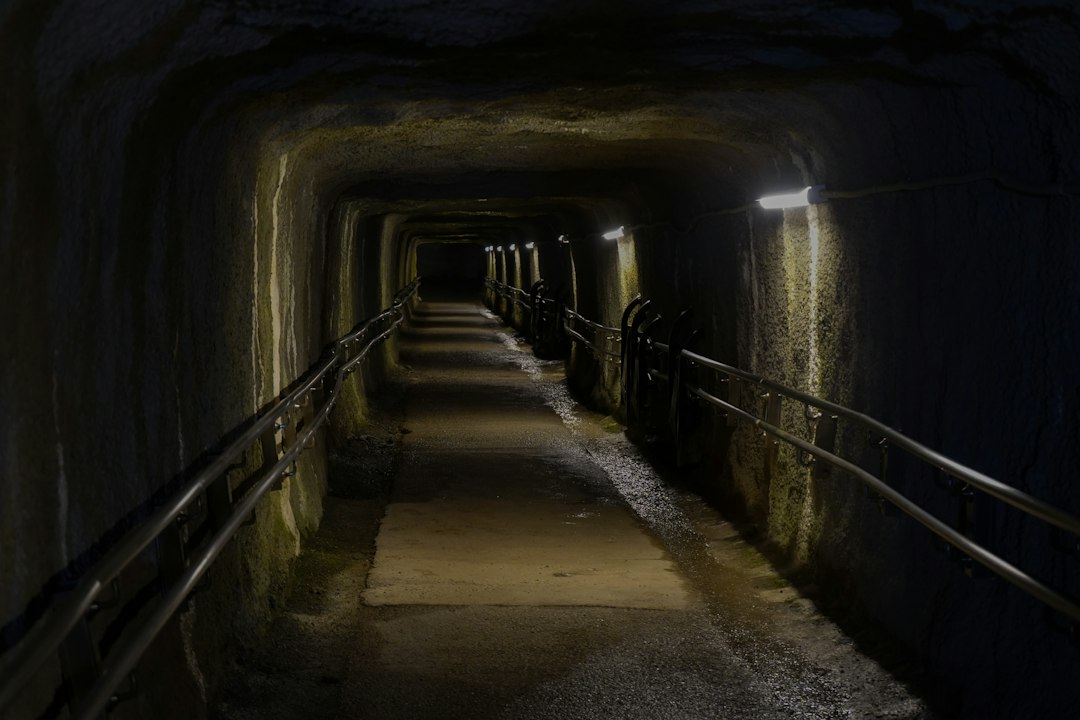
The Earth’s crust, a thin, fragile shell compared to the planet’s vast interior, holds secrets and challenges that have long captivated humanity. While we gaze at the stars with boundless curiosity, the depths beneath our feet present an equally compelling frontier. For centuries, humans have delved into the Earth, driven by the pursuit of resources, scientific understanding, and an insatiable thirst for exploration. This exploration has culminated in the creation of some of the most astonishing feats of engineering and human endurance, pushing the boundaries of what is physically possible. Among these achievements, the quest to reach the deepest human underground point stands as a testament to our relentless drive to plumb the Earth’s hidden realms.
The motivations for delving into the Earth’s subterranean world are as varied as the minerals and geological formations they uncover. Historically, the primary driver was resource extraction. The promise of gold, silver, copper, diamonds, and other precious commodities fueled the establishment of mines, pushing human excavation ever deeper. These early endeavors, though often perilous and rudimentary, laid the groundwork for more sophisticated underground exploration.
The Economic Imperative: Unearthing Earth’s Treasures
The economic allure of the Earth’s mineral wealth has been a constant throughout human history. Prospectors, miners, and eventually large-scale mining corporations have invested immense resources in accessing underground deposits. This pursuit has led to the development of advanced drilling, blasting, and hauling technologies. The deeper the ore body, the more complex and expensive the extraction becomes, demanding innovative solutions to overcome the immense pressures, temperatures, and geological challenges. The economic viability of such deep mines often hinges on the concentration and value of the extracted materials, pushing the boundaries of what is considered profitable.
Scientific Curiosity: Unlocking Geological Mysteries
Beyond economics, a profound scientific curiosity has driven humanity’s descent into the Earth. Geologists, seismologists, and other earth scientists seek to understand the planet’s formation, its internal structure, and the processes that shape its surface. Deep boreholes and mines provide invaluable access points for studying rock formations, seismic activity, and the Earth’s thermal gradient. These investigations offer crucial insights into plate tectonics, volcanism, and the origins of life itself. The opportunity to directly sample materials from hundreds or even thousands of meters below the surface provides data that cannot be replicated through surface observations alone.
The Technological Arms Race: Pushing the Limits of Engineering
The challenges of deep underground exploration have spurred a relentless technological arms race. As human endeavors penetrate deeper, new engineering solutions are required to cope with extreme conditions. The development of specialized drilling equipment capable of withstanding immense pressures and high temperatures, advanced ventilation systems to manage toxic gases and heat, and sophisticated safety protocols are all products of this drive. The creation of robust machinery, effective support structures for tunnels and shafts, and reliable communication systems in hostile environments represent significant engineering triumphs. Each new depth achieved necessitates a leap forward in technological capability.
The exploration of the Earth’s depths has fascinated scientists and adventurers alike, with the deepest point humans have reached underground being the Kola Superdeep Borehole in Russia, which extends over 12 kilometers into the Earth’s crust. For those interested in learning more about the incredible journey and the scientific discoveries made at such depths, you can read a related article that delves into the specifics of this remarkable feat of engineering and exploration. Check it out here: Freaky Science.
The Golden Age of Mining and the Dawn of Extreme Depths
The 19th and 20th centuries witnessed a significant acceleration in deep mining operations, driven by industrialization and global demand for raw materials. This era saw the development of sophisticated mining techniques and the establishment of some of the deepest mines in the world, setting the stage for the ultimate pursuit of the deepest human underground point.
The Witwatersrand Basin: A Deep Gold Legacy
The Witwatersrand Basin in South Africa is a geological marvel that holds the world’s largest known gold reserves. The discovery of gold here in the late 19th century sparked a massive mining boom, leading to the creation of some of the deepest gold mines on Earth. Mines like the TauTona Mine and the Savuka Mine, located in this region, pushed the boundaries of human excavation, reaching depths previously unimaginable.
TauTona Mine: A Pioneer in Extreme Depths
The TauTona Mine, once holding the distinction of being the deepest mine in the world, is a prime example of human ambition in the face of extreme conditions. Its shafts plunged to depths exceeding 3,900 meters (approximately 12,800 feet). The conditions within TauTona were incredibly challenging, with rock temperatures reaching over 50 degrees Celsius (122 degrees Fahrenheit) and seismic activity posing a constant threat. Workers had to endure intense heat, humidity, and the ever-present risk of rock bursts. The engineering required to stabilize the shafts and tunnels at such depths, as well as to ventilate and cool the working environment, was revolutionary for its time. The mine’s operational life, spanning decades, is a testament to the ingenuity and resilience of the mining industry.
Savuka Mine: Pushing the Limits Further
Closely linked to TauTona, the Savuka Mine also achieved remarkable depths, further solidifying the Witwatersrand Basin’s reputation as a frontier of deep mining. Its exploration and operation further refined the techniques used to tackle the unique challenges presented by this geological setting. The experience gained at Savuka contributed to a broader understanding of deep-level mining safety and efficiency.
Other Notable Deep Mines: A Global Endeavor
While South Africa dominated the deep mining landscape for a significant period, other regions also contributed to the global effort of reaching Earth’s depths. Mines in Australia, North America, and Europe also explored significant depths, each facing and overcoming their own unique geological and engineering hurdles. These collective efforts, though often focused on different resources, contributed to a shared pool of knowledge and technological advancements in deep underground exploration.
The Ultimate Frontier: Reaching the Deepest Human Underground Point
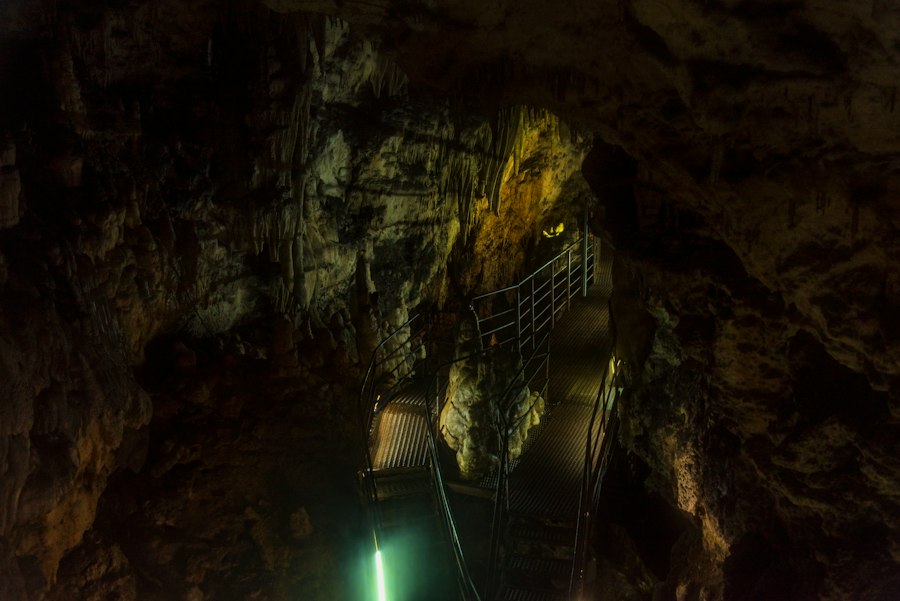
The pursuit of the absolute deepest point excavated by humans is a story of pushing engineering limits and enduring extraordinary conditions. While mining operations aim for economic viability, the record for the deepest human underground point is often set by scientific or exploratory endeavors, driven by a different set of motivations.
The Kola Superdeep Borehole: A Scientific Triumph
The Kola Superdeep Borehole, located on the Kola Peninsula in Russia, stands as the most profound human penetration into the Earth’s crust. This scientific drilling project, initiated in 1970 and lasting for over two decades, was not a mine in the traditional sense but a meticulously planned scientific experiment. Its objective was to study the Earth’s crust and upper mantle, to gain a deeper understanding of the planet’s composition and evolution.
The Depth Record: A Milestone in Exploration
The Kola Superdeep Borehole reached an astonishing depth of 12,262 meters (approximately 40,230 feet or 7.6 miles). This achievement is more than just a number; it represents a colossal undertaking in terms of engineering and scientific dedication. The drill bit penetrated through sedimentary rock layers and into the crystalline basement of the Earth’s crust. The data collected from this borehole has significantly advanced our understanding of seismic wave propagation, geothermal gradients, and the composition of the Earth’s crust at extreme depths.
The Challenges of Extreme Drilling
The process of drilling to such unprecedented depths was fraught with immense challenges. The pressures at these depths are enormous, and the temperatures soar, reaching over 180 degrees Celsius (356 degrees Fahrenheit) at the bottom of the borehole. The drill bits had to be specially designed to withstand these conditions, and the drilling fluid played a critical role in cooling and lubrication. The geological formations encountered were also complex and often unpredictable, requiring constant adaptation of drilling techniques. The project also faced logistical hurdles in transporting equipment and personnel to the remote location.
Beyond the Kola Borehole: Continued Exploration Efforts
While the Kola Superdeep Borehole holds the record for the deepest hole drilled, the concept of the “deepest human underground point” can also encompass actively excavated mines where humans physically work. The continuous evolution of mining technology means that the record for the deepest occupied underground space is a dynamic one. As mines continue to extract resources, they push deeper, facing ongoing challenges and requiring constant innovation. The desire to reach new depths, whether for scientific knowledge or economic gain, remains a powerful driving force.
Life Underground: The Human Element in Extreme Environments
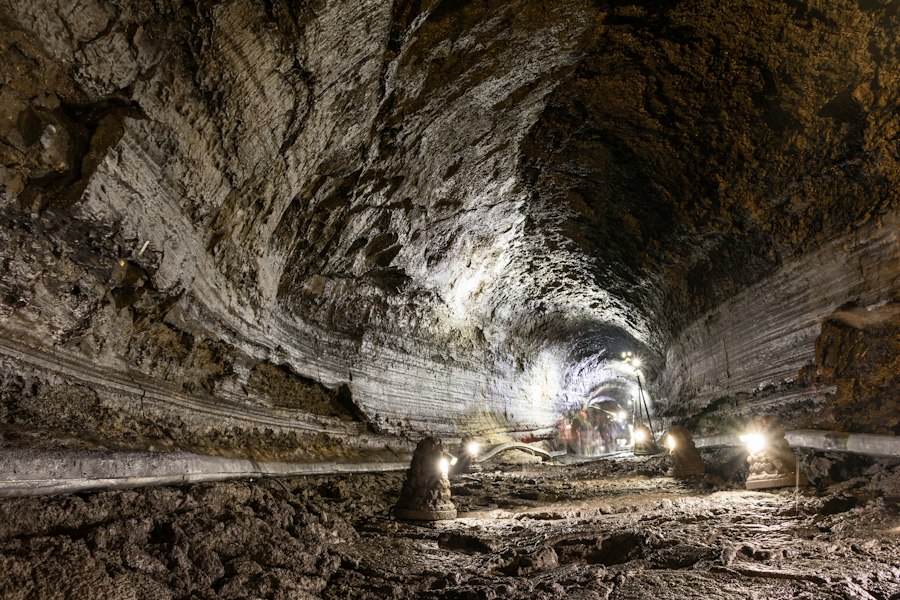
Reaching extreme depths is only part of the story. The human experience of working and existing in these harsh subterranean environments is a remarkable aspect of deep underground exploration. The psychological and physiological toll on individuals working at such depths is significant and requires special consideration.
Surviving the Heat and Pressure: Physiological Demands
The increased temperatures and pressures encountered deep underground present significant physiological challenges. The human body is not naturally adapted to operate in environments where heat can exceed comfortable levels and where external pressure is considerably higher. Miners often experience heat exhaustion, dehydration, and a range of other heat-related illnesses. The intense pressure can also affect bodily functions, though modern safety measures mitigate direct pressure injury.
The Psychological Impact: Isolation and Confinement
Beyond the physical demands, the psychological impact of working in deep underground environments cannot be overstated. Long periods of confinement, isolation from the outside world, and the inherent dangers of the working environment can take a toll on mental well-being. The constant awareness of being miles beneath the surface, with limited escape routes, can contribute to anxiety and stress. The engineering of mining environments now includes considerations for worker comfort and mental health, such as improved lighting, ventilation, and communal spaces.
Technological Solutions for Human Well-being
Modern deep underground operations employ a range of technological solutions to mitigate the negative impacts on human workers. Advanced ventilation systems circulate fresh air and regulate temperature and humidity. Sophisticated cooling systems are implemented in the deepest mines to make the working environment more bearable. Robust safety protocols, emergency procedures, and regular training are essential to ensure worker security. Communication systems allow for constant contact with the surface, reducing feelings of isolation. The development of specialized protective gear and monitoring devices further enhances worker safety and well-being.
The exploration of the Earth’s depths has always fascinated scientists and adventurers alike, with the deepest point humans have reached underground being the Kola Superdeep Borehole in Russia. This remarkable feat of engineering has provided invaluable insights into the Earth’s crust and its geological history. For those interested in learning more about such extraordinary scientific endeavors, you can read a related article that delves into various extreme explorations at Freaky Science.
The Future of Deep Underground Exploration: New Horizons and Persistent Challenges
| Metric | Value | Details |
|---|---|---|
| Deepest Point Reached | 12,262 meters (40,230 feet) | Kola Superdeep Borehole, Russia |
| Depth in Kilometers | 12.262 km | Equivalent to approximately 7.6 miles |
| Year Reached | 1989 | End of drilling operations |
| Purpose | Scientific Research | Study of Earth’s crust composition and properties |
| Temperature at Depth | 180 °C (356 °F) | Higher than expected, limited further drilling |
| Drilling Duration | 24 years | Started in 1970, ended in 1994 |
The exploration of Earth’s depths is far from over. As technology continues to advance, humanity will undoubtedly seek to push the boundaries even further, driven by scientific inquiry, resource needs, and the enduring spirit of exploration.
New Avenues of Research: Geothermal Energy and Beyond
The immense heat generated within the Earth represents a vast, untapped energy source. The development of advanced geothermal energy technologies, which involve drilling deep into the Earth to harness this heat, is a promising area of future exploration. This pursuit will require further advancements in drilling and materials science, pushing the envelope of deep underground engineering. Beyond energy, there are ongoing discussions about the potential for underground storage of various materials and even the colonization of subterranean spaces.
The Enduring Challenges: Economic Viability and Sustainability
Despite the technological progress, the economic viability of increasingly deep excavations remains a significant hurdle. The cost of accessing resources at extreme depths escalates dramatically, requiring the exploitation of exceptionally high-value deposits to be profitable. Furthermore, the environmental impact of large-scale deep mining operations needs careful consideration, focusing on sustainable practices and minimizing disruption to geological systems.
The Uncharted Territory: What Lies Beneath?
The Earth’s interior remains largely a mystery. While seismic data provides a broad picture, direct observation and sampling at extreme depths are limited. Future explorations, whether through enhanced drilling projects or novel robotic technologies, hold the promise of unlocking further secrets about our planet’s formation, its core, and potentially even the origins of life. The journey to the deepest human underground point is not just about reaching a physical depth, but about expanding our fundamental understanding of the world we inhabit. The continued quest to explore Earth’s depths is a testament to humanity’s unyielding curiosity and our capacity for innovation.

We Drilled 12 KM Into Earth—Then the Rock Started Bending
FAQs
What is the deepest point humans have reached underground?
The deepest point humans have reached underground is the Kola Superdeep Borehole in Russia, which reached a depth of 7.5 miles (12 kilometers).
Why was the Kola Superdeep Borehole drilled?
The Kola Superdeep Borehole was drilled in an attempt to learn more about the Earth’s crust and mantle, as well as to explore the possibility of extracting natural resources from deep within the Earth.
What did scientists discover at the deepest point of the Kola Superdeep Borehole?
At the deepest point of the Kola Superdeep Borehole, scientists discovered that the temperatures and pressures were much higher than originally predicted. They also found microscopic fossils of single-celled organisms at depths of over 6 miles (10 kilometers).
How deep is the Mariana Trench, the deepest point on Earth’s surface?
The Mariana Trench, the deepest point on Earth’s surface, reaches a depth of about 36,070 feet (10,994 meters) at its lowest point, known as the Challenger Deep.
What are some challenges of reaching extreme depths underground?
Some challenges of reaching extreme depths underground include high temperatures, high pressures, limited access for equipment and personnel, and the need for specialized technology to withstand the harsh conditions.