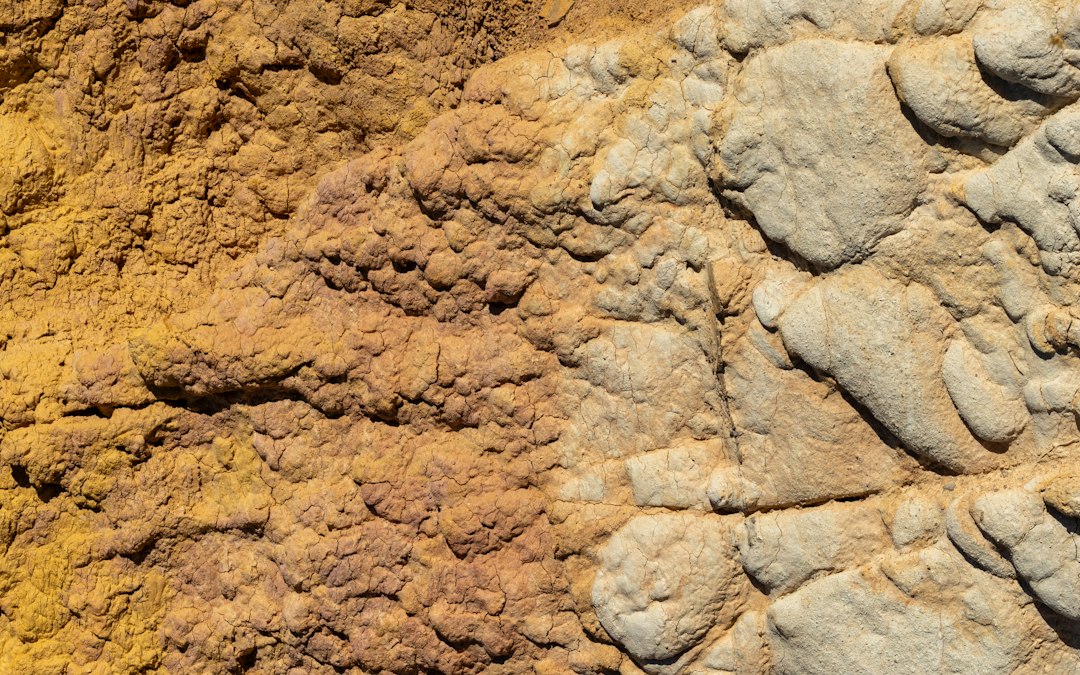
The Earth’s crust, that familiar, solid ground beneath our feet, is merely the outermost skin of our dynamic planet. Beneath this relatively thin shell lies a vast, enigmatic region known as the mantle, a colossal reservoir of rock that constitutes the bulk of Earth’s volume. The journey to understanding this subterranean realm begins with a fundamental question: how deep is the crust, and what lies just beyond its boundary? This exploration delves into the intricate layers that define our planet’s structure, starting from the visible surface and venturing into the unfathomable depths of the Earth’s mantle.
The Earth is not a monolithic sphere; rather, it is structured in distinct concentric layers, each with unique chemical compositions and physical properties. Geologists have long recognized this layered architecture, and our understanding has evolved significantly with advancements in seismology, petrology, and geochemistry. These layers, from the outside in, are the crust, the mantle, and the core, each further subdivided into more specific regions. The crust’s depth, therefore, is not a singular value but rather a characteristic that varies considerably across the globe, dictating the transition to the next immense layer – the mantle.
The Varied Thickness of the Crust
The Earth’s crust is far from uniform in thickness. This variation is a critical factor in understanding the transition to the mantle. Unlike a perfectly smooth shell, the crust’s surface is sculpted by geological processes, and this sculpting extends downwards.
Continental Crust: The Thick and Stable Platforms
Continental crust, the foundation of our landmasses, is significantly thicker than its oceanic counterpart. It is composed primarily of less dense, felsic rocks like granite. The average thickness of continental crust is estimated to be around 30-50 kilometers (18-31 miles). However, this is a global average. Major mountain ranges, like the Himalayas or the Andes, represent areas where the continental crust is dramatically thickened, reaching depths of up to 70 kilometers (43 miles) or even more in some cases. These continental platforms are ancient and relatively stable, having undergone extensive geological evolution over billions of years. The immense pressure and heat at these depths lead to complex mineral assemblages and geological structures, making the study of continental crust a significant endeavor in itself. The density of continental crust, generally around 2.7 grams per cubic centimeter, is lower than oceanic crust, which contributes to its buoyancy and the formation of elevated landmasses.
Oceanic Crust: The Thin and Dynamic Seafloor
In stark contrast, oceanic crust, which forms the floor of our oceans, is much thinner and denser. It is primarily composed of mafic rocks like basalt. The average thickness of oceanic crust is a mere 5-10 kilometers (3-6 miles). This thinner structure is a consequence of its formation at mid-ocean ridges, where molten rock from the mantle erupts and solidifies. Oceanic crust is continuously being created and recycled through the process of plate tectonics, making it a much younger and more geologically active feature compared to continental crust. Its higher density, around 3.0 grams per cubic centimeter, causes it to subduct beneath continental crust at convergent plate boundaries, a fundamental process that drives much of Earth’s geological dynamism.
The Mohorovičić Discontinuity: The Crust-Mantle Boundary
The distinct boundary between the Earth’s crust and the underlying mantle is known as the Mohorovičić discontinuity, often referred to as the Moho. This is a significant seismic interface. It is defined by a sudden increase in seismic wave velocities, indicating a change in rock composition and density. When seismic waves, generated by earthquakes or artificial explosions, travel through the Earth, their speed and direction change abruptly at the Moho. This abrupt change is the primary evidence for its existence and its nature as a boundary between two distinct geological layers.
Seismic Evidence for the Moho
Seismologists first identified the Moho in the early 20th century by analyzing earthquake wave data. They observed that waves traveling through the Earth changed their velocity at a specific depth. This velocity change is consistent with a transition from the relatively low-velocity rocks of the crust to the higher-velocity, denser rocks of the upper mantle. The depth of the Moho varies according to the thickness of the crust above it. It is shallower beneath oceanic crust and deeper beneath continental crust, directly reflecting the differing crustal thicknesses discussed earlier. This seismic reflection and refraction technique remains the most effective way to map the depth of the Moho globally.
Compositional and Physical Changes at the Moho
The Moho represents not just a change in seismic wave velocity but also a fundamental shift in the chemical and mineralogical composition of the Earth. While the crust is dominated by silicates rich in aluminum and potassium (felsic rocks on continents) or iron and magnesium (mafic rocks on oceans), the upper mantle is primarily composed of ultramafic rocks like peridotite, which are rich in magnesium and iron and contain minerals such as olivine and pyroxene. This compositional difference leads to a significant increase in density and a change in mechanical properties, making the upper mantle more rigid and viscous than the crust.
The Earth’s crust is a fascinating topic, particularly when considering its depth before reaching the mantle. On average, the crust varies in thickness, ranging from about 5 kilometers beneath the oceans to approximately 70 kilometers under continental regions. For a deeper understanding of Earth’s layers and the geological processes at play, you can read more in this related article: Freaky Science. This resource provides insights into the structure of our planet and the significance of the crust in the context of Earth’s geology.
The Upper Mantle: The Asthenosphere’s Gentle Flow
Immediately beneath the Mohorovičić discontinuity lies the uppermost part of the Earth’s mantle. This region is not a uniform, rigid block. Instead, it is divided into two distinct layers with profoundly different behaviors: the lithospheric mantle and the asthenosphere. The interaction and properties of these layers are crucial for understanding plate tectonics.
The Lithospheric Mantle: Rigid and Tectonic
The uppermost, rigid part of the mantle, extending from the Moho down to a depth of about 70-150 kilometers (43-93 miles), is known as the lithospheric mantle. This layer, along with the crust above it, forms the tectonic plates. The lithospheric mantle is cool and strong, behaving as a single, rigid unit that breaks and moves rather than deforming continuously. Its composition is similar to the deeper mantle but it is cooler, making it brittle.
Plate Tectonics and the Lithosphere
The lithosphere, comprising the crust and the lithospheric mantle, is the foundation of plate tectonics. These massive, broken pieces of the Earth’s outer shell constantly move, collide, and separate, driving geological phenomena like earthquakes, volcanoes, and mountain building. The depth of the lithosphere varies, being thicker under continents and thinner under oceans, and this variation influences the behavior of tectonic plates. The lithospheric mantle’s rigidity allows it to act as a strong, coherent unit that can transmit stresses over large distances, enabling the large-scale movements of the plates.
Mechanical Properties and Temperature Gradients
The mechanical properties of the lithospheric mantle are defined by its relatively low temperatures. As depth increases within the lithospheric mantle, temperatures rise, but they remain below the solidus – the temperature at which rock begins to melt. This prevents significant ductile deformation and maintains the layer’s rigidity. The geothermal gradient, the rate at which temperature increases with depth, is a key factor in determining the thickness of the lithosphere. Areas with higher geothermal gradients will have thinner lithospheres.
The Asthenosphere: The Ductile Sea of Rock
Below the rigid lithospheric mantle lies the asthenosphere, a region of the upper mantle extending from approximately 70-150 kilometers (43-93 miles) down to about 410 kilometers (255 miles). This layer is characterized by its ductility and its ability to flow slowly over geological timescales. The asthenosphere is crucial for plate tectonics because it allows the overlying lithospheric plates to move. It is not entirely molten; rather, it is a partially molten or exceptionally weak solid where a small percentage of melt can significantly reduce its viscosity and enable flow.
Partial Melting and Viscosity
The asthenosphere is often described as being at or near its solidus. This means that even a small amount of partial melting, perhaps only 1-5% of the rock, can drastically reduce its viscosity. This is similar to how adding a small amount of water to dry sand can make it flow much more easily. The asthenosphere’s viscosity is significantly lower than that of the lithospheric mantle, allowing it to deform plastically under stress. This slow, pervasive flow of the asthenosphere is the driving force behind the movement of tectonic plates, though the exact mechanisms are still a subject of active research.
Convection Currents and Heat Transfer
The asthenosphere is a key site for convection currents. Heat from the Earth’s deeper interior rises through the mantle, causing hotter, less dense material in the asthenosphere to ascend. As this material reaches the base of the lithosphere, it cools, becomes denser, and sinks back down. These slow-moving convection currents are believed to be the primary engine of plate tectonics, dragging the lithospheric plates along with them. The efficiency of heat transfer through convection is a fundamental process in regulating the Earth’s internal temperature and driving surface geological activity.
Deeper into the Mantle: The Transition Zone and Lower Mantle
The journey continues downwards, past the asthenosphere, into regions of the mantle where pressures and temperatures are so extreme that minerals undergo dramatic phase transformations, altering their structure and properties even while maintaining a similar chemical composition.
The Transition Zone: A Realm of Mineral Transformations
The transition zone is a distinct layer within the upper mantle, situated between approximately 410 and 660 kilometers (255 to 410 miles) depth. This zone is characterized by significant seismic velocity changes, indicating a series of phase transitions in the dominant mineral, olivine. As pressure increases with depth, olivine undergoes transformations into denser crystal structures.
Olivine’s Phase Changes
At around 410 kilometers, olivine transforms into a denser structure called wadsleyite. Subsequently, at about 520 kilometers, wadsleyite transforms into ringwoodite. These phase transitions are akin to rearranging the atoms within a crystal lattice into a more compact configuration to withstand the increasing pressure. These transformations are not instantaneous but occur over a range of depths, contributing to the gradual seismic velocity increase observed in the transition zone.
Impact on Seismic Waves and Mantle Dynamics
The phase changes within the transition zone have a profound impact on seismic waves. The abrupt increase in density and seismic velocity at these boundaries creates distinct reflections and refractions that are observable in seismic data. These boundaries also play a crucial role in mantle dynamics. The density changes associated with these transformations can influence the buoyancy of upwelling and downwelling mantle plumes, affecting the patterns of convection. For example, a plume of hot mantle material might be hindered or even stalled at the 410-kilometer discontinuity if it can’t overcome the density contrast.
The Lower Mantle: The Vast Majority
Below the transition zone lies the lower mantle, extending from about 660 kilometers down to the core-mantle boundary at approximately 2,900 kilometers (1,800 miles). This is the largest layer of the Earth, making up about 55% of its volume. Despite its immense volume, the lower mantle is less dynamically active than the upper mantle, though it is still a region of slow convection.
Composition and Mineralogy of the Lower Mantle
The dominant mineral in the lower mantle is bridgmanite, a high-pressure polymorph of (Mg,Fe)SiO3. This mineral is stable under the immense pressures found at these depths. Other significant minerals include ferropericlase, (Mg,Fe)O, and minor amounts of calcium silicate perovskite. The chemical composition of the lower mantle is generally considered to be more homogeneous than the upper mantle, with a higher proportion of iron and magnesium.
Mantle Plumes and Deep Earth Processes
The lower mantle is thought to be the source of large mantle plumes, colossal upwellings of hot material that can rise from the core-mantle boundary. These plumes are responsible for the formation of volcanic hot spots, such as Hawaii or Iceland, which are often located far from plate boundaries. The interaction of mantle plumes with the overlying lithosphere is a key driver of volcanic activity and can influence the long-term evolution of continents. Understanding the origin and ascent of these plumes provides insights into the deep circulation of heat and material within the Earth.
The Core-Mantle Boundary: A Turbulent Interface
At the very bottom of the mantle lies the core-mantle boundary (CMB), a fascinating and geologically significant interface separating the silicate-rich mantle from the metallic core. This boundary is a region of extreme conditions and complex interactions, with profound implications for the Earth’s magnetic field and internal dynamics.
Seismic Signatures of the CMB
Seismic waves behave dramatically at the CMB. The stark contrast in density and composition between the silicate mantle and the metallic core causes significant reflection and refraction of seismic waves. Studies of these seismic signals have revealed that the CMB is not perfectly smooth but has topography, with variations in its depth and texture. These variations can be influenced by large-scale features such as subducting slabs of oceanic lithosphere that sink into the lower mantle and potentially reach the CMB.
D” Layer: A Boundary Enigma
Just above the CMB, there is a region known as the D” layer. This is a complex and heterogeneously structured zone, the precise nature of which is still debated. It is thought to be a thermal and chemical boundary layer where heat and material are exchanged between the mantle and the core. The D” layer can exhibit significant lateral variations in seismic velocity, suggesting changes in temperature and composition. It is believed to be a crucial region for understanding how heat escapes from the core and how it influences mantle convection.
Interaction Between Mantle and Core
The CMB is a site of dynamic interaction. Heat flows from the molten outer core into the mantle, driving convection in both layers. Chemical exchange may also occur, with lighter elements from the core potentially diffusing into the lower mantle, or heavier elements from the mantle sinking into the core. This interaction is critical for maintaining the Earth’s internal heat budget and for generating the geodynamo that produces our planet’s magnetic field. The precise mechanisms of this exchange and its influence on the geodynamo are areas of ongoing scientific investigation.
The Earth’s crust, which varies in thickness from about 5 to 70 kilometers, serves as the outermost layer before reaching the mantle. Understanding the depth of the crust is crucial for geologists and researchers studying tectonic activity and the planet’s formation. For a more in-depth exploration of this topic, you can read a related article that delves into the complexities of Earth’s layers and their significance in our understanding of geology. Check it out here for more fascinating insights.
The Journey’s End (for now): Beyond the Mantle
| Location | Average Crust Thickness (km) | Type of Crust | Depth to Mantle (km) |
|---|---|---|---|
| Continental Crust | 30 – 50 | Granite-rich | 30 – 50 |
| Oceanic Crust | 5 – 10 | Basaltic | 5 – 10 |
| Average Global Crust | ~35 | Mixed | ~35 |
While this journey has taken us deep into the Earth’s mantle, the exploration of our planet’s interior is far from complete. The boundaries and regions discussed represent fundamental divisions that govern geological processes. The crust’s depth, varying from a few kilometers under the oceans to tens of kilometers under continents, defines the outermost shell. This shell’s thickness directly impacts the transition to the lithospheric mantle, the rigid component of the upper mantle that, with the crust, forms tectonic plates. Beneath this lies the asthenosphere, a ductile layer crucial for plate movement. Further down, the transition zone and lower mantle showcase dramatic mineral transformations and slow convection, ultimately leading to the turbulent interface with the metallic core. Each layer, with its unique composition, temperature, and pressure regime, plays a vital role in shaping the Earth we inhabit, from the mountains we climb to the magnetic field that protects us. The ongoing pursuit of understanding these subterranean realms continues to unveil the incredible complexity and dynamism of our planet.
We Drilled 12 KM Into Earth—Then the Rock Started Bending
FAQs
1. What is the average thickness of Earth’s crust?
The average thickness of Earth’s crust is about 30-50 kilometers (18-31 miles) on land and about 5-10 kilometers (3-6 miles) beneath the oceans.
2. How deep do we have to go to reach the mantle from Earth’s crust?
To reach the mantle from Earth’s crust, one would have to go approximately 25-70 kilometers (15-43 miles) deep, depending on whether they are on land or beneath the oceans.
3. What is the composition of Earth’s crust compared to the mantle?
Earth’s crust is primarily composed of lighter elements such as silicon and aluminum, while the mantle is made up of denser materials like iron and magnesium silicates.
4. How does the thickness of Earth’s crust vary across different regions?
The thickness of Earth’s crust can vary significantly across different regions, with some areas having crust as thin as 5 kilometers (3 miles) and others as thick as 70 kilometers (43 miles).
5. Why is it important to understand the depth of Earth’s crust before the mantle?
Understanding the depth of Earth’s crust before the mantle is crucial for various geological studies, including plate tectonics, seismic activity, and the formation of mountains and volcanoes. It also helps scientists predict how heat and material move within the Earth’s layers.