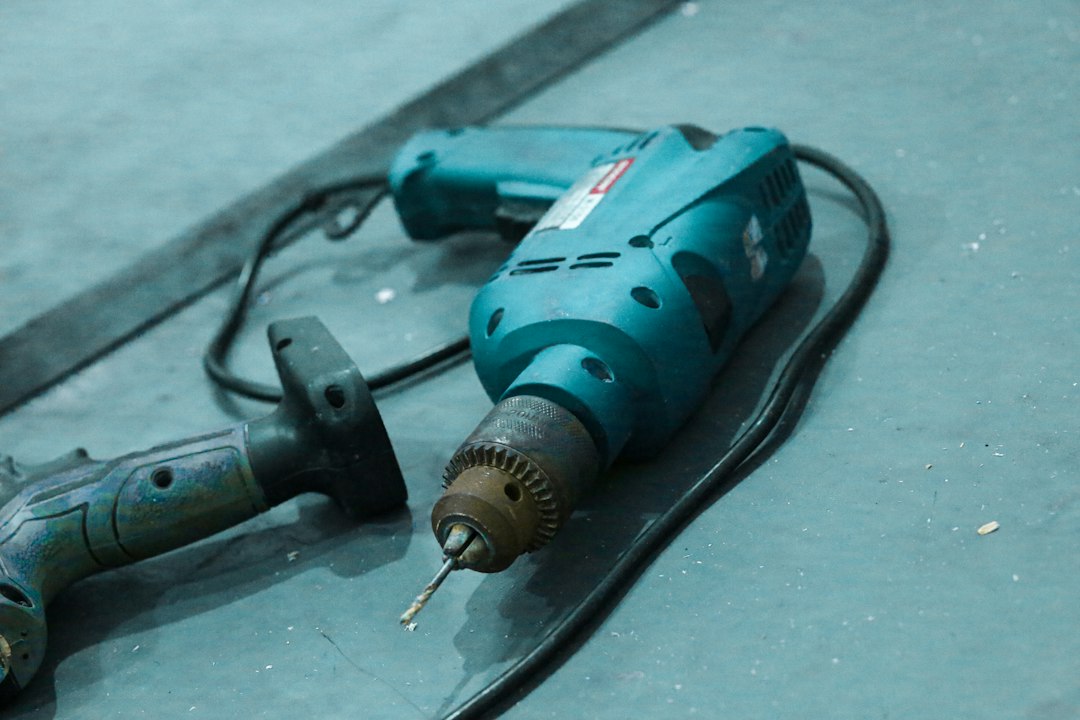
The relentless pursuit of deeper drilling has been a cornerstone of resource extraction and scientific exploration for centuries. From the quest for oil and gas to the scientific endeavor of understanding Earth’s interior, the ability to penetrate further into our planet has unlocked unimaginable possibilities. Advancements in drilling technology have been nothing short of revolutionary, with each generation of machinery pushing the boundaries of what was once considered achievable. However, as engineers and geologists strive for even greater depths, they are encountering a formidable barrier. While modern drilling rigs are undeniably more powerful, capable of exerting immense force and withstanding extreme conditions, their inherent limitations prevent them from achieving truly unprecedented depths. This article will delve into the multifaceted reasons why even the strongest of drills cannot simply “drill deeper” indefinitely, exploring the physical, technological, and environmental constraints that define the frontiers of subterranean exploration.
The sheer pressure and heat encountered as one descends into the Earth’s mantle and core represent the most fundamental limitations to drilling. Unlike surface-level operations, where atmospheric pressure and ambient temperatures are relatively forgiving, the conditions deep within the planet escalate dramatically, posing insurmountable challenges to conventional drilling methodologies.
Escalating Hydrostatic Pressure
As depth increases, so does the weight of the rock and fluid above. This hydrostatic pressure exerts an immense compressive force on any object attempting to penetrate it. Imagine a column of rock, kilometers high, pressing down on the drill bit. This pressure not only stresses the drilling equipment but also influences the behavior of the rock itself. At extreme depths, rock can behave more like a viscous fluid than a solid, making it incredibly difficult to create and maintain a stable borehole. The pressure can cause the borehole walls to collapse inwards, engulfing the drill string and rendering further progress impossible. Specialized drilling fluids, known as “mud,” are used to counteract this pressure, but there’s a limit to their effectiveness. The sheer volume of mud required, and the energy needed to pump it against such overwhelming forces, becomes impractical.
The Incandescent Realm of Geothermal Heat
The Earth’s internal temperature rises consistently with depth. This geothermal gradient means that at depths of even a few kilometers, temperatures can exceed several hundred degrees Celsius. Conventional drill bits, often made of hardened steel or tungsten carbide, are designed to withstand significant heat, but there comes a point where they begin to soften, lose their structural integrity, and wear down at an accelerated rate. Imagine trying to cut through butter with a heated knife – the knife would deform and melt. Similarly, drill bits operating in extreme heat can become blunted, brittle, or even melt, requiring frequent and costly replacements. Furthermore, the drilling equipment itself, including motors, sensors, and drill pipe, must be able to function under these incandescent conditions. Developing materials that can endure such temperatures for extended periods, while maintaining their mechanical properties, is a significant engineering hurdle.
The Rock’s Response to Stress
The very nature of the rock changes with increasing depth. Initially, at shallower levels, rocks are relatively brittle and fracture predictably under stress, allowing for effective penetration. However, as depth increases, rocks are subjected to immense, long-term pressure. This pressure can cause the rocks to deform plastically, exhibiting ductile behavior rather than brittle fracture. This means that instead of cleanly breaking, the rock might bend, flow, or squeeze around the drill bit. This can lead to situations where the borehole closes in on itself, making it impossible to advance. The energy required to overcome this ductile resistance is enormous, and the tools themselves might be rendered useless as the rock deforms around them. Understanding the rheology – the flow properties – of rocks at these extreme depths is crucial, and our current models are often based on extrapolations from shallower environments, which may not accurately reflect the complex behavior of deep-earth materials.
The limitations of drilling technology have long been a subject of interest in the scientific community, particularly when it comes to understanding why stronger drills cannot penetrate deeper into the Earth’s crust. An insightful article that delves into this topic is available at Freaky Science, where it explores the complex interplay of geological conditions, material fatigue, and the immense pressures encountered at greater depths. This resource provides a comprehensive overview of the challenges faced by engineers and geologists alike in their quest to reach the Earth’s core.
The Tyranny of Distance and Time
Beyond the immediate physical challenges of pressure and heat, the sheer distance involved in deep drilling introduces a host of logistical and operational complexities that become increasingly prohibitive.
The Marathon of the Drill String
A drill string, the assembly of pipes that connects the surface to the drill bit, can extend for kilometers. The longer this string, the more susceptible it is to forces like torque, vibration, and buckling. Imagine trying to twist a long, thin piece of spaghetti – it will bend and twist unpredictably. Similarly, the rotational forces applied at the surface are transmitted down the drill string, but as the string lengthens, these forces can become difficult to control. Vibrations, caused by the interaction of the drill bit with the rock, can also amplify along the string, leading to fatigue and potential failure. Furthermore, the weight of the drill string itself becomes a significant factor. Lifting and lowering kilometers of heavy steel pipe requires immense power and specialized equipment, and the risk of catastrophic failure during these operations increases exponentially with length.
The Insatiable Thirst for Power
The energy required to rotate the drill bit, pump drilling fluids, and manage the drill string increases dramatically with depth. At extreme depths, the energy demands can become astronomical, pushing the limits of existing power generation and transmission capabilities. Imagine trying to power a complex machine kilometers underground from the surface – transmitting that much electrical or mechanical power reliably over such distances is a formidable challenge. While advancements in downhole motors and power generation are being made, they are often constrained by the very conditions they are designed to operate in – heat, pressure, and limited space. The cost of generating and delivering this immense power also becomes a significant economic factor, making deep drilling projects increasingly expensive.
The Slow March of Progress
Drilling is a slow and iterative process. Even with the most advanced technology, progress at extreme depths can be measured in meters per day, or even less. This glacial pace has significant implications for project timelines and costs. A project aiming for a depth of 10 kilometers, for example, could take years, if not decades, to complete. This extended timeline increases the exposure to economic and geological risks. Furthermore, the constant need for maintenance, repairs, and the replacement of worn-out components further exacerbates the time constraints. The complexity of the operations also demands a highly skilled and specialized workforce, further adding to the logistical challenges and costs associated with prolonged deep-drilling endeavors.
Material Science’s Unbreakable Ceiling
The performance and durability of the materials used in drilling equipment are directly dictated by the extreme conditions encountered at depth, and current material science has not yet provided solutions to overcome these fundamental limitations.
The Wear and Tear of the Abyss
Drill bits, drill pipes, and other components are subjected to constant abrasion, impact, and corrosion in the harsh subterranean environment. The rock being drilled is often abrasive, and the circulating drilling fluids can also carry abrasive particles. This constant wear and tear leads to the rapid degradation of equipment. While advances in hardfacing alloys and diamond-impregnated drill bits have improved durability, there are limits to how much stress and abrasion they can withstand before their effectiveness is compromised. At extreme depths, the combination of abrasive rock, high pressures, and elevated temperatures can accelerate wear to a point where equipment failure becomes inevitable. Replacing worn-out components at such depths is a time-consuming and expensive undertaking, further limiting the achievable depths.
The Fragility of the Electronics
Modern drilling operations rely heavily on sophisticated electronic sensors, logging tools, and control systems. These devices are crucial for monitoring downhole conditions, guiding the drilling process, and collecting valuable geological data. However, the high temperatures and pressures encountered deep within the Earth are inimical to most electronic components. Standard electronics are not designed to operate reliably in such extreme environments, leading to failures. While specialized “hardened” electronics exist, they are often expensive, bulky, and have limited capabilities. The development of electronics that can withstand the crushing pressures and incandescent heat of the deep Earth, while still offering the precision and functionality required for advanced drilling, remains a significant research and development challenge.
The Resilience of the Drill Pipe
The drill pipe itself is a critical component that must withstand immense torsional forces, axial loads, and bending stresses. At extreme depths, the sheer weight of the drill string can cause the pipe to buckle or deform. Furthermore, the circulating drilling fluids, often containing corrosive chemicals, can attack the metal of the pipe, leading to corrosion and thinning. While high-strength steel alloys are used, there is a point where the mechanical limits of these materials are reached. The risk of catastrophic pipe failure, leading to the loss of the drill string and significant operational delays and costs, increases with length and depth. Developing lighter, stronger, and more corrosion-resistant materials for drill pipe is an ongoing area of research, but the fundamental trade-offs between strength, weight, and cost remain.
Navigating the Unseen: Geological and Environmental Hurdles
Beyond the engineering challenges, the unpredictable nature of deep geological formations and the environmental impact of deep drilling introduce further constraints.
The Ghosts of the Subsurface
Geological formations at extreme depths are not uniform. They can contain unpredictable pockets of high-pressure gas or liquid, zones of unstable rock, or even previously unknown geological structures. These unexpected conditions can lead to blowouts, wellbore instability, or tool entanglement, bringing drilling operations to a halt. Characterizing these deep geological environments with sufficient accuracy to avoid such hazards is extremely difficult. Seismic imaging, a primary tool for subsurface exploration, has limitations in resolution at extreme depths, making it challenging to identify potential risks with certainty. The “unknown unknowns” of the deep Earth represent a significant impediment to achieving unprecedented drilling depths.
The Earth’s Delicate Balance
Deep drilling operations, especially those for resource extraction, can have significant environmental implications. The potential for groundwater contamination, seismic activity induced by fluid injection or withdrawal, and the release of greenhouse gases are all serious concerns. As we attempt to drill deeper, these risks often escalate. For example, deeper reservoirs of hydrocarbons may be under higher pressure, increasing the risk of uncontrolled releases. Furthermore, the disposal of drilling fluids and waste materials from extreme depths can be more complex and environmentally sensitive. Balancing the scientific or economic benefits of deeper drilling with the imperative to protect the environment is a critical consideration that often acts as a natural brake on our ambition. Regulatory frameworks and environmental impact assessments can impose significant restrictions on how and where deep drilling can occur, limiting the ultimate achievable depths in certain regions.
The Economic Abyss
Ultimately, the pursuit of deeper drilling is often driven by economic considerations – the desire to access valuable resources or conduct scientific research. However, the costs associated with deep drilling escalate exponentially with depth. The immense investment in specialized equipment, the extended operational timelines, the high risk of failure, and the potential for environmental remediation all contribute to a prohibitive economic threshold. There comes a point where the cost of drilling deeper outweighs the potential economic return or scientific value. This economic reality acts as a powerful, albeit often unspoken, limitation on how far we can realistically push the boundaries of subterranean exploration. The investment required for a hypothetical 15-kilometer-deep borehole would likely dwarf the economic potential of any resource found at that depth, making such an endeavor a financial impossibility.
The limitations of drilling technology have long been a topic of discussion among scientists and engineers, particularly when it comes to the challenges of drilling deeper into the Earth’s crust. A related article explores the various factors that contribute to why stronger drills cannot penetrate deeper, including the immense heat and pressure encountered at greater depths. This fascinating read sheds light on the complexities of geological formations and the technological constraints faced by drilling operations. For more insights on this subject, you can check out the article at Freaky Science.
Beyond the Drill Bit: Alternative Approaches and Future Frontiers
| Factor | Description | Impact on Drilling Depth | Example Metrics |
|---|---|---|---|
| Material Strength Limitations | Even stronger drill materials have limits in toughness and fatigue resistance. | Leads to increased risk of drill bit failure at greater depths. | Fatigue life: 10,000 cycles; Tensile strength: 1500 MPa |
| Heat Generation and Dissipation | Deeper drilling generates more heat, which weakens drill bit and surrounding rock. | Limits continuous drilling time and depth due to thermal damage. | Temperature rise: up to 300°C at depth; Cooling efficiency: 60% |
| Drill String Weight and Buckling | Longer drill strings experience buckling and vibration, reducing drilling efficiency. | Limits maximum depth before mechanical failure or loss of control. | Critical buckling load: 500 kN; Max drill string length: 10,000 m |
| Hydraulic Pressure and Fluid Circulation | Maintaining fluid circulation pressure becomes difficult at greater depths. | Reduces ability to remove cuttings and cool the drill bit effectively. | Max pump pressure: 35 MPa; Flow rate: 500 L/min |
| Geological Formation Hardness | Harder rock formations at depth require more energy and cause faster bit wear. | Limits penetration rate and drill bit lifespan. | Rock hardness: 15-25 GPa; Penetration rate: 5-10 m/hr |
While the limitations of traditional drilling are significant, the drive to explore Earth’s interior is not diminishing. This has spurred research into alternative methods and a deeper understanding of the fundamental physics that govern subterranean processes.
The Promise of Novel Drilling Technologies
Researchers are actively exploring technologies that move beyond the conventional rotary drilling paradigm. Concepts like plasma drilling, laser drilling, and even directed energy methods are being investigated. These technologies aim to bypass some of the material limitations by vaporizing or melting rock rather than mechanically abrading it. For example, plasma torches could generate extreme temperatures to melt rock, creating a molten slag that can be removed. Laser drilling could precisely cut through rock, offering a more controlled and potentially faster penetration. However, these technologies are still in their nascent stages of development, facing their own set of challenges related to energy efficiency, material durability, and scalability.
Rethinking Borehole Stability
Instead of fighting the immense pressures that cause borehole collapse, some research focuses on engineering solutions that work with or around these forces. This might involve developing self-healing materials for borehole lining or employing advanced computational modeling to predict and mitigate instability. Another avenue is the concept of creating “permanent” or very long-lived boreholes that are designed to withstand the extreme conditions for extended periods, allowing for sustained scientific monitoring or resource extraction without constant drilling. This shift in philosophy from “drilling through” to “engineering within” could unlock new possibilities.
Embracing the In-Situ
The limitations of bringing samples to the surface from extreme depths are also being addressed by focusing on in-situ analysis. Advanced downhole sensors and laboratory-on-a-chip technologies are being developed to analyze geological samples and fluids directly within the borehole. This allows for real-time data acquisition and reduces the need for extensive sample retrieval, which can be compromised by pressure and temperature changes during ascent. This focus on understanding what is happening at depth, rather than necessarily bringing it to the surface, represents a paradigm shift in deep exploration.
The Unseen Influence of Earth’s Dynamics
Understanding the complex interplay of forces within the Earth is crucial for pushing beyond current drilling limits. This includes a deeper comprehension of mantle convection, plate tectonics, and the behavior of molten rock. By better modeling these dynamic processes, scientists might identify specific geological windows or less extreme pathways that could be more amenable to deep penetration. This interdisciplinary approach, combining engineering with geophysics and Earth sciences, is essential for charting the future of deep subterranean exploration.
In conclusion, while the strength and sophistication of modern drilling rigs are remarkable achievements, they are ultimately constrained by the fundamental physics of Earth’s interior. The escalating pressures and temperatures, the logistical complexities of extreme distances, the inherent limitations of materials science, and the unpredictability of geological formations create an unyielding barrier to indefinite deeper drilling. However, the human drive for knowledge and resources ensures that the exploration of our planet’s depths will continue, albeit through innovative technologies, a deeper scientific understanding, and a pragmatic acceptance of the very real limitations that define our current capabilities. The frontier of deep drilling may not be a simple progression of increasing power, but rather a testament to ingenuity in overcoming fundamental physical and economic boundaries.
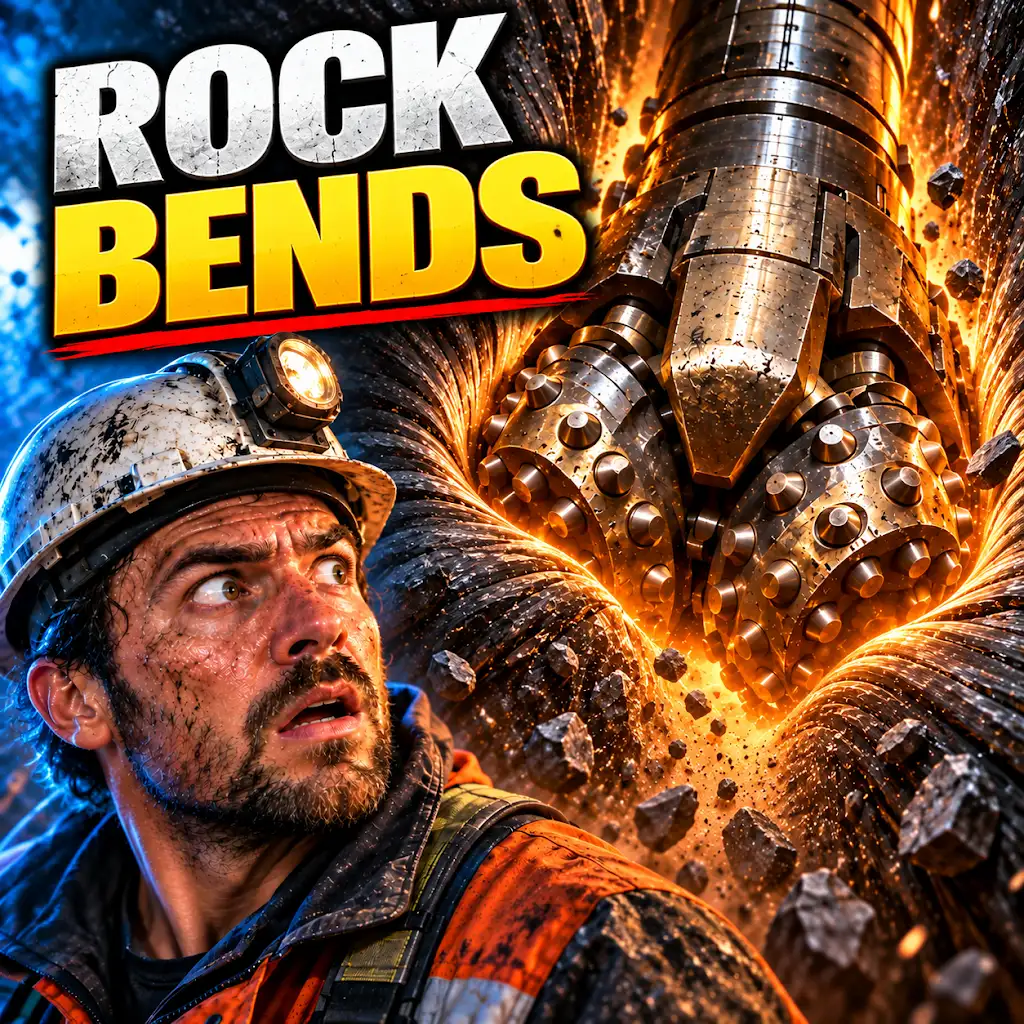
We Drilled 12 KM Into Earth—Then the Rock Started Bending
FAQs
1. Why can’t stronger drills drill deeper?
Stronger drills may have more power and torque, but they are limited by the strength and hardness of the materials they are drilling into. If the material is too hard or dense, even a stronger drill may struggle to penetrate deeper.
2. What factors limit the depth a drill can reach?
The main factors that limit the depth a drill can reach include the hardness and density of the material being drilled, the type and quality of the drill bit being used, the power and torque of the drill, and the stability of the drilling setup.
3. Can increasing the strength of a drill bit help it drill deeper?
While increasing the strength of a drill bit can improve its durability and performance, it may not necessarily help it drill deeper. The hardness and density of the material being drilled are key factors that determine how deep a drill can penetrate.
4. How can drilling depth be increased?
To increase drilling depth, it is important to use the right type of drill bit for the material being drilled, ensure the drill has sufficient power and torque, maintain proper drilling speed and pressure, and use cooling methods to prevent overheating.
5. Are there alternative methods to drilling deeper?
Yes, there are alternative methods to drilling deeper such as using specialized drilling equipment like rotary drilling rigs, directional drilling techniques, or even explosives for certain applications. These methods are often used in industries such as mining, construction, and oil and gas exploration.