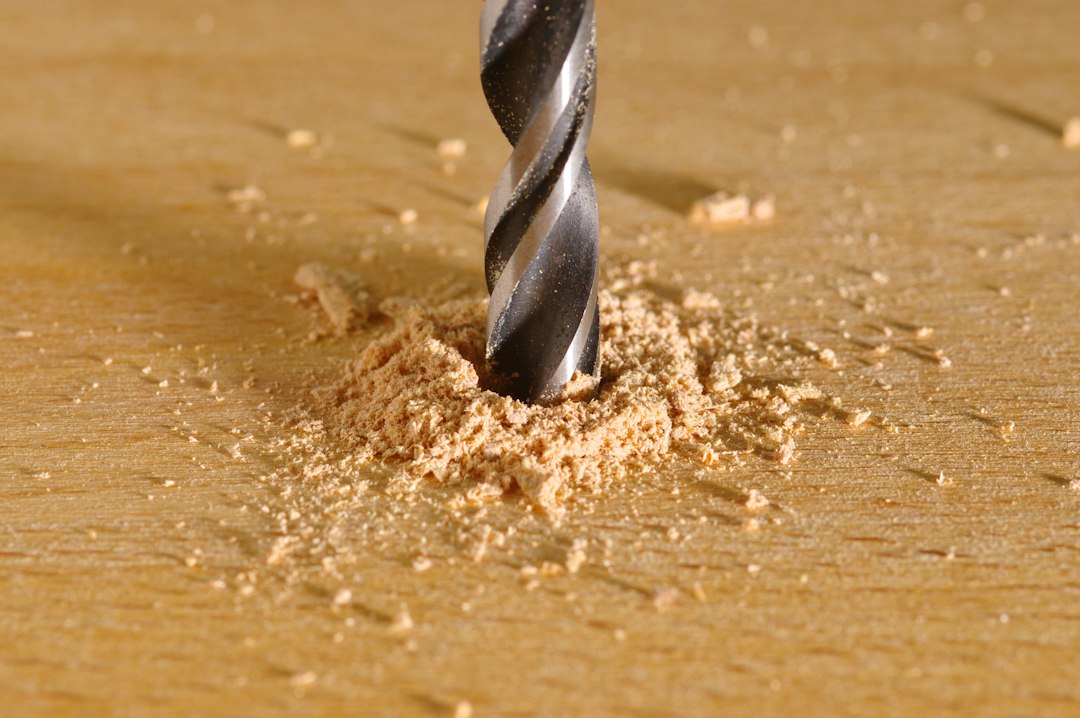
The Earth, a planet teeming with life and sculpted by unimaginable forces, holds a wealth of secrets hidden beneath its verdant surface. For centuries, humanity has gazed at the stars, unraveling cosmic mysteries, yet the profound depths of our own planet remain largely enigmatic. Deep drilling, the audacious act of penetrating the Earth’s crust and beyond, represents one of our most ambitious endeavors to understand the geological processes, resources, and even the very origins of our world. However, this quest is not for the faint of heart. The challenges of deep drilling are immense, pushing the boundaries of human ingenuity and technological prowess.
The drive to explore Earth’s inner realms is fueled by a potent combination of scientific curiosity, economic necessity, and a quest for sustainable energy solutions. Understanding what lies beneath our feet is fundamental to comprehending plate tectonics, the engine of continental drift and the cause of earthquakes and volcanic activity. The composition and evolution of the Earth’s mantle and core are keys to deciphering planetary formation and the magnetic field that shields us from harmful solar radiation.
Unveiling Geological Processes
Deep drilling provides invaluable direct access to rock formations and geological structures that are otherwise inaccessible. By extracting core samples from thousands of meters below the surface, scientists can analyze mineral composition, understand the history of rock formation under extreme pressure and temperature, and map out fault lines and subterranean water systems. This direct evidence is crucial for validating and refining theoretical models of Earth science.
Studying Plate Tectonics in Situ
The movement of tectonic plates is a slow but powerful force that shapes our planet. Deep boreholes, especially those placed near active fault zones, can provide real-time data on tectonic stress and strain. Instruments lowered into these wells can measure minute shifts and deformations, offering unprecedented insights into the mechanics of earthquakes and the long-term behavior of tectonic plates.
Understanding Mantle Dynamics
The Earth’s mantle, a vast layer of silicate rock, is responsible for driving convection currents that fuel plate tectonics. While our knowledge of the mantle is primarily derived from seismic wave analysis, deep drilling, though currently limited in depth, offers the tantalizing possibility of directly sampling mantle-like rocks. Such samples would be revolutionary for understanding mantle chemistry, mineral phases at high pressures, and the thermal regime of the Earth’s interior.
Harnessing Earth’s Resources
The economic imperative for deep drilling is undeniable. Beneath the Earth’s crust lie vast reservoirs of fossil fuels – oil, natural gas, and coal – that have powered human civilization for centuries. The ongoing search for these resources drives significant investment in deep drilling technologies. However, the dwindling of easily accessible reserves means that exploration must increasingly venture into more challenging and deeper geological formations.
The Quest for Hydrocarbons
The vast majority of deep drilling operations are motivated by the pursuit of oil and natural gas. As conventional fields are depleted, exploration shifts to deeper offshore locations, complex geological traps, and unconventional reservoirs like shale formations. This necessitates the development of more sophisticated drilling techniques capable of withstanding extreme pressures and temperatures found at great depths.
Exploring Geothermal Energy Potential
Beyond fossil fuels, deep drilling holds immense promise for tapping into Earth’s internal heat as a clean and sustainable energy source. Geothermal power plants harness the heat from underground reservoirs to generate electricity. In some regions, enhanced geothermal systems (EGS) involve drilling deep into hot, dry rock and then injecting water to create artificial reservoirs. This technology could unlock vast geothermal potential globally.
Advancing Scientific Knowledge
The pursuit of knowledge extends beyond immediate resource extraction. Deep drilling projects, often spearheaded by international scientific collaborations, aim to answer fundamental questions about Earth’s formation, the origin of life, and the potential for subsurface habitability. These ambitious undertakings push the limits of our understanding and inspire future generations of scientists and engineers.
The Deep Carbon Observatory
Projects like the Deep Carbon Observatory (DCO) aim to quantify and understand the global carbon cycle, with a significant focus on the carbon stored and cycled within the Earth’s interior. Deep drilling is a vital tool for sampling deep crustal and potentially upper mantle rocks, providing direct evidence of carbon’s fate beneath the surface.
Searching for Extraterrestrial Life Analogues
The extreme environments found in deep subsurface environments on Earth – high pressure, high temperature, and lack of light – are often considered analogues to conditions on other planets. Studying the microbial life that thrives in these seemingly inhospitable places can inform the search for life beyond Earth and help us understand the limits of habitability.
Drilling deep into the Earth’s crust presents numerous challenges, including extreme temperatures, high pressure, and the complexity of geological formations. These obstacles not only complicate the drilling process but also raise concerns about environmental impacts and the safety of drilling operations. For a deeper understanding of these challenges and the innovative solutions being explored, you can read a related article on the topic at Freaky Science.
The Technological Gauntlet: Overcoming Extreme Conditions
The challenges of deep drilling are intrinsically linked to the extreme environments encountered as one descends into the Earth. The deeper the drill goes, the greater the pressure, the higher the temperature, and the more complex the geological formations become, demanding constant innovation in materials, machinery, and operational procedures.
The Tyranny of Pressure
As drill bits penetrate deeper into the Earth’s crust, the weight of the overlying rock exerts immense pressure. This pressure can exceed thousands of atmospheres, capable of crushing conventional drilling equipment and even creating hazardous blowouts if not properly managed. Wellbore integrity is paramount, and the design of casings and drilling fluids must account for these crushing forces.
Wellbore Stability and Casing Design
Maintaining the structural integrity of the borehole is critical. The steel pipes, or casings, that line the wellbore must be strong enough to resist collapse under extreme external pressure. The design and installation of these casings are complex engineering feats, requiring precise calculations and specialized materials that can withstand both pressure and corrosive subsurface environments.
Managing Formation Pressures
Subsurface rock formations can contain trapped fluids (water, oil, gas) under significant pressure. If a drilling operation encounters a zone with higher pressure than the drilling fluid, a dangerous influx of formation fluids can occur, leading to a blowout. Advanced drilling techniques, such as managed pressure drilling (MPD), are employed to precisely control the pressure within the wellbore, mitigating this risk.
The Inferno Below: Battling Intense Heat
Temperature increases dramatically with depth, often referred to as the geothermal gradient. In many deep drilling scenarios, temperatures can exceed 200°C (400°F), and in some ultra-deep wells, they can reach hundreds of degrees Celsius. This intense heat poses significant challenges for equipment, personnel, and the very rock being drilled.
Material Science Under Duress
Standard steel and electronic components degrade rapidly at high temperatures. The development of specialized alloys, heat-resistant drilling fluids, and robust sensors capable of operating in these infernal conditions is essential. Research into new materials, including ceramics and advanced composites, is crucial for extending the lifespan and reliability of drilling equipment.
Drilling Fluids at Elevated Temperatures
Drilling fluids (or muds) serve multiple vital functions: cooling the drill bit, carrying rock cuttings to the surface, and maintaining wellbore stability. At high temperatures, traditional water-based drilling fluids can lose their viscosity and chemical stability. Specialized synthetic-based or oil-based muds, formulated with additives that can withstand extreme heat, are required.
Mitigating Thermal Stress and Expansion
The extreme temperature variations encountered during drilling and production can cause materials to expand and contract, leading to significant thermal stress. This can deform equipment, compromise wellbore seals, and even cause fractures in the rock formation. Careful consideration of thermal expansion coefficients in material selection and equipment design is paramount.
The Unforgiving Earth: Geological Hazards in Deep Drilling
Beyond the intrinsic challenges of pressure and temperature, the Earth itself presents a myriad of unpredictable geological hazards that can thwart even the most carefully planned deep drilling operations. Navigating these treacherous subsurface landscapes requires constant vigilance and adaptive strategies.
Navigating Complex Geological Formations
The deeper one drills, the more likely it is to encounter complex and often unstable geological formations. These can include fractured rock, salt domes, unconsolidated sediments, and zones of highly reactive minerals. Each presents unique drilling challenges that require specialized techniques and careful monitoring.
Fractured and Faulted Zones
Drilling through fractured or faulted rock can lead to loss of circulation, where drilling fluid escapes into the fractures, making it difficult to maintain wellbore pressure and remove cuttings. These zones are also prone to instability, increasing the risk of borehole collapse. Advanced techniques like hydraulic fracturing monitoring and specialized cementing strategies are employed to manage these risks.
Salt Domes and Evaporites
Salt formations, often found in sedimentary basins, can present significant drilling challenges. Salt is soluble in water-based drilling fluids, leading to borehole enlargement and potential instability. Specialized drilling fluids and techniques are required to navigate these formations, often involving oil-based muds and precise control of the drilling parameters.
Unconsolidated Sediments and Soft Formations
In some sedimentary basins, deep drilling may encounter layers of unconsolidated sediments or soft, pliable rock. These formations can slump or flow under the weight of the drilling equipment, leading to borehole instability and complications in casing placement. Techniques like underbalanced drilling can sometimes be employed to manage these issues.
The Specter of Seismic Activity
While deep drilling is often undertaken to understand seismic activity, the drilling process itself can sometimes interact with existing geological stresses, potentially triggering seismic events. This is a complex and sensitive issue, and significant research is dedicated to understanding and mitigating any potential risks.
Induced Seismicity and its Management
The injection of fluids into the subsurface, whether for hydraulic fracturing or waste disposal, has been linked to induced seismicity. While deep drilling for resource exploration is different, understanding the potential for interactions between drilling operations and existing fault stresses is crucial. Advanced seismic monitoring and risk assessment are vital.
Detecting and Avoiding Active Faults
Seismic surveys and geological mapping are used to identify potential fault zones prior to drilling. However, the resolution of these techniques can be limited, and the possibility of encountering unexpected active faults remains. Real-time seismic monitoring during drilling can help detect any anomalies, allowing for adjustments to the drilling plan.
Innovations in the Abyss: The Cutting Edge of Deep Drilling Technology
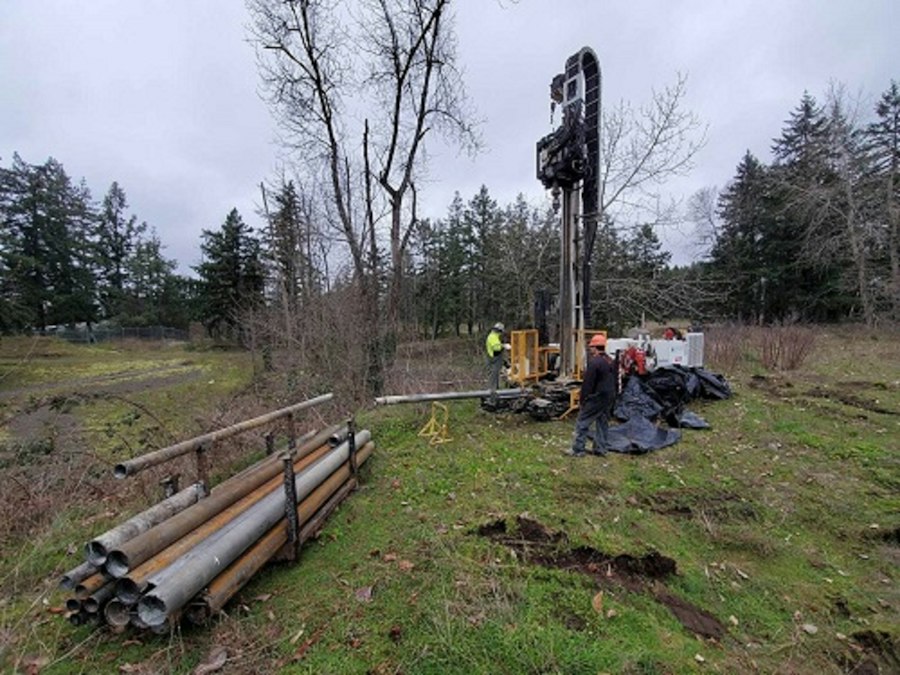
The formidable challenges of deep drilling have spurred an incredible wave of innovation across the engineering and technological landscape. From advanced drill bit designs to sophisticated directional drilling systems, the relentless pursuit of deeper and more efficient drilling operations continues to push the boundaries of what is possible.
Evolution of Drill Bits and Drilling Mechanics
The drill bit is the workhorse of any drilling operation. For deep drilling, the demands on this tool are extreme. Modern drill bits are designed to withstand immense forces, high temperatures, and abrasive rock formations while efficiently grinding through the Earth’s crust.
Advanced Materials and Designs
The development of polycrystalline diamond compact (PDC) bits, which incorporate extremely hard synthetic diamonds, has revolutionized drilling. These bits are significantly more durable and efficient than older roller cone bits, especially in harder rock formations. Ongoing research focuses on further improving diamond synthesis, bit geometry, and the integration of sensors directly into the bit.
Rotary Steerable Systems (RSS)
The ability to precisely control the direction of the borehole is critical for accessing complex geological targets. Rotary steerable systems are a significant advancement, allowing for continuous rotation of the drill string while simultaneously steering the wellbore. This technology is essential for drilling complex horizontal or extended-reach wells deep into reservoirs.
The Digital Revolution in the Subsurface
The integration of digital technologies and advanced data analytics is transforming deep drilling operations. Real-time monitoring, predictive modeling, and automated control systems are enhancing efficiency, safety, and the ability to adapt to changing subsurface conditions.
Real-Time Data Acquisition and Analysis
Sophisticated sensors are deployed throughout the drilling operation, collecting vast amounts of data on downhole conditions, fluid properties, and drilling performance. This data is transmitted to the surface in real-time and analyzed by advanced software to identify trends, predict potential problems, and optimize drilling parameters.
Automation and Remote Operations
The increasing automation of drilling processes, from rig operations to directional steering, reduces the need for manual intervention in hazardous downhole environments. This not only enhances safety but also improves efficiency and consistency. Remote operation centers allow experienced personnel to monitor and control drilling operations from geographically dispersed locations.
Machine Learning and Artificial Intelligence
The application of machine learning and artificial intelligence (AI) in deep drilling is a rapidly developing field. AI algorithms can analyze historical drilling data to predict drilling performance, identify potential equipment failures, and optimize drilling parameters for maximum efficiency. This data-driven approach is crucial for navigating the complexities of deep drilling.
Beyond Conventional Methods: Novel Drilling Techniques
The limitations of conventional rotary drilling have spurred research into entirely new methods for penetrating the Earth’s depths. While some are still in their nascent stages, these novel techniques hold the promise of unlocking access to previously unreachable geological frontiers.
Laser and Plasma Drilling
Emerging technologies like laser and plasma drilling aim to melt or vaporize rock rather than mechanically grind it. These methods have the potential to be faster and more efficient in certain formations, especially at very high temperatures. However, significant engineering challenges remain in terms of energy efficiency and material durability.
Bio-Inspired and Nanotechnology Approaches
Researchers are also exploring bio-inspired approaches, looking at how organisms can move through dense materials, and leveraging nanotechnology to develop novel drilling fluids and sensors. These futuristic concepts, while far from widespread application, represent the ongoing quest to find entirely new ways to explore Earth’s inner sanctum.
Drilling deep into the Earth’s crust presents numerous challenges, including extreme temperatures, high pressure, and the need for advanced technology to extract valuable resources. These obstacles not only complicate the drilling process but also raise concerns about environmental impacts and the safety of workers involved. For a deeper understanding of these issues, you can explore a related article that discusses the complexities of deep drilling and its implications for science and industry. This insightful piece can be found here.
The Future Frontier: Prospects and Perils of Ultra-Deep Drilling
| Challenge | Description | Impact on Drilling | Typical Depth Range Affected | Mitigation Strategies |
|---|---|---|---|---|
| High Temperature | Temperatures increase with depth, reaching up to 200°C or more at several kilometers. | Equipment failure, reduced drill bit life, and difficulty in maintaining drilling fluid properties. | 3 km to 12 km | Use of heat-resistant materials, specialized drilling fluids, and cooling systems. |
| High Pressure | Pressure increases approximately 10-30 MPa per kilometer of depth. | Risk of blowouts, casing collapse, and difficulty in controlling wellbore stability. | 3 km to 12 km | Advanced pressure control equipment, blowout preventers, and wellbore strengthening techniques. |
| Hard Rock Formations | Deep crust consists of very hard and abrasive rocks like granite and basalt. | Slower drilling rates, increased wear on drill bits, and higher energy consumption. | 5 km to 12 km | Use of diamond or polycrystalline diamond compact (PDC) drill bits and optimized drilling parameters. |
| Wellbore Instability | Fracturing and collapse of the borehole walls due to stress and rock properties. | Loss of drilling fluids, stuck pipe incidents, and potential well abandonment. | 3 km to 10 km | Proper mud weight management, casing design, and real-time monitoring. |
| Fluid Loss | Drilling fluids can be lost into porous or fractured formations. | Increased costs, reduced drilling efficiency, and risk of well control issues. | 3 km to 8 km | Use of lost circulation materials and sealing techniques. |
| Equipment Durability | Wear and tear on drilling equipment due to harsh downhole conditions. | Frequent equipment replacement and increased operational downtime. | All depths beyond 3 km | Regular maintenance, use of durable materials, and remote monitoring. |
The ambition to drill ever deeper into the Earth continues to grow, driven by the promise of scientific discovery and untapped resources. However, the prospect of ultra-deep drilling – penetrating tens of kilometers into the crust and potentially towards the mantle – is fraught with both immense opportunities and significant risks that demand careful consideration.
Unlocking Unprecedented Scientific Insights
The potential scientific rewards of ultra-deep drilling are immense. Accessing rocks from the lower crust and upper mantle would provide direct empirical data on the composition, structure, and dynamics of these enigmatic regions. This could revolutionize our understanding of plate tectonics, mantle convection, and the Earth’s thermal evolution.
Directly Sampling the Mohorovičić Discontinuity and Beyond
The Mohorovičić discontinuity (Moho) marks the boundary between the Earth’s crust and mantle. Reaching and sampling rocks below the Moho would be a monumental scientific achievement, providing direct insights into the composition and genesis of the mantle. This would be akin to humans finally reaching the bottom of the ocean.
Understanding the Earth’s Deep Carbon Cycle and Life
Ultra-deep drilling could provide crucial data on the deep carbon cycle, revealing how carbon is sequestered and transported within the Earth’s interior. Furthermore, the possibility of discovering entirely new forms of microbial life in these extreme, high-pressure, high-temperature environments would expand our understanding of life’s resilience and adaptability.
The Quest for Supercritical Geothermal Energy
As we drill deeper, temperatures increase, opening up the possibility of tapping into supercritical geothermal energy. Supercritical water, existing at temperatures above 374°C and pressures above 22.1 MPa, has unique properties that make it a highly efficient medium for energy transfer. Drilling into these depths could unlock a virtually limitless source of clean energy.
Enhanced Geothermal Systems (EGS) at Extreme Depths
The principles of EGS, involving injecting fluid into hot rock to create artificial reservoirs, could be applied at much greater depths. The immense heat available at these levels could generate significantly more power than current geothermal systems, offering a sustainable and globally deployable energy solution.
Challenges of Fluid Management and Reservoir Engineering
However, drilling into supercritical zones presents extreme engineering challenges. Managing the properties of supercritical fluids, preventing wellbore collapse at these temperatures and pressures, and effectively engineering these deep reservoirs are significant hurdles that require further research and technological development.
Ethical, Environmental, and Economic Considerations
The ambition for ultra-deep drilling must be tempered by a thorough assessment of the potential ethical, environmental, and economic implications. The sheer scale and complexity of such endeavors necessitate a precautionary approach and robust regulatory frameworks.
Environmental Impact and Risk Mitigation
The potential environmental impacts of ultra-deep drilling, including the risk of subsurface contamination, seismic disturbances, and the management of vast quantities of drilling fluids and waste, must be meticulously assessed and mitigated. The long-term consequences of such deep interventions require careful study.
Economic Viability and Resource Management
The colossal investment required for ultra-deep drilling projects must be justified by the potential returns, whether scientific or economic. Careful resource assessment and economic modeling are crucial to determine the feasibility and sustainability of such ambitious undertakings. The responsible stewardship of Earth’s resources, even those found at extreme depths, is paramount.
In conclusion, the journey into Earth’s depths through deep drilling is a testament to humanity’s insatiable curiosity and our drive to understand our planet. The challenges are profound, encompassing the crushing pressures, infernal temperatures, and unpredictable geological landscapes that lie beneath our feet. Yet, through relentless innovation and technological advancement, we continue to push the boundaries, uncovering secrets that promise to redefine our understanding of geology, unlock vital resources, and perhaps even reveal the very essence of what makes our planet unique. The abyss awaits, and the quest to explore it is far from over.
We Drilled 12 KM Into Earth—Then the Rock Started Bending
FAQs
1. Why is drilling deep into Earth’s crust challenging?
Drilling deep into Earth’s crust is challenging due to the extreme heat and pressure that increase with depth, making it difficult for drilling equipment to withstand these conditions.
2. What are some technical challenges faced when drilling deep into Earth’s crust?
Technical challenges include the need for specialized drilling equipment that can withstand high temperatures and pressures, as well as the risk of encountering unexpected geological formations or faults that can impede progress.
3. How does the composition of the Earth’s crust impact drilling operations?
The composition of the Earth’s crust varies widely, with different types of rock layers and formations presenting unique challenges for drilling operations. Harder rock formations can slow down drilling progress, while softer formations may collapse or erode, posing risks to the drilling equipment.
4. What are some environmental concerns associated with drilling deep into Earth’s crust?
Drilling deep into Earth’s crust can have environmental impacts such as the potential for groundwater contamination, seismic activity, and disruption of ecosystems. Proper safety measures and monitoring are essential to mitigate these risks.
5. What are some potential benefits of drilling deep into Earth’s crust despite the challenges?
Despite the challenges, drilling deep into Earth’s crust can provide valuable insights into the Earth’s geology, resources, and processes. It can also lead to the discovery of new mineral deposits, geothermal energy sources, and scientific discoveries about the Earth’s history.