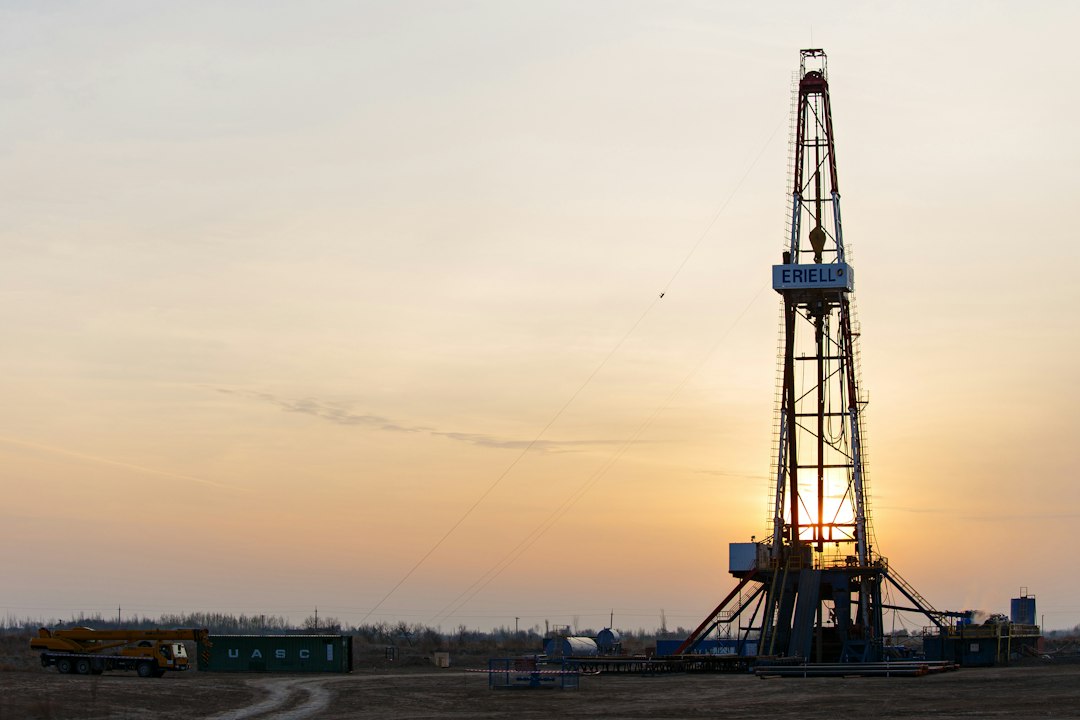
The relentless human drive to explore, to understand, and to harness resources has pushed the boundaries of technological innovation. Nowhere is this more evident than in the realm of deep drilling. This intricate and demanding field represents humanity’s ability to venture into the Earth’s crust, accessing reservoirs of energy, vital minerals, and crucial scientific data that lie far beneath the surface. Unlocking these subterranean secrets requires a sophisticated interplay of engineering prowess, advanced materials, and a deep understanding of the extreme conditions encountered miles underground.
The concept of extracting resources from below the ground is as old as civilization itself. Early wells, dug by hand or with rudimentary tools, provided access to shallow groundwater. The advent of the industrial revolution and the burgeoning demand for energy, particularly oil and natural gas, spurred the development of more effective drilling techniques. Initially, these were largely cable-tool drilling methods, a slow but effective process for reaching moderate depths. However, as the easiest-to-access surface reserves dwindled, the imperative to explore deeper geological formations became paramount. This necessity fueled the evolution of rotary drilling, a revolutionary approach that dramatically increased efficiency and the achievable depths.
Early Drilling Techniques: The Dawn of Subsurface Access
- Hand-Dug Wells: The most basic form of subsurface extraction, relying on manual labor and simple tools. These were primarily for water and limited mineral deposits.
- Cable-Tool Drilling: A percussion-based method where a heavy bit is repeatedly dropped onto the rock formation, shattering it. Cuttings are then removed by bailing. This was a significant advancement, enabling deeper wells than hand-digging.
- Spudding and Percussion: The initial stage of cable-tool drilling, where the drill bit is repeatedly lowered and raised.
The Rotary Drilling Revolution: A Paradigm Shift
- The Invention of the Rotary Rig: The development of the rotary drilling rig in the late 19th and early 20th centuries marked a watershed moment. This system uses a rotating drill string equipped with a cutting bit at the end to bore through rock.
- Continuous Rotation and Fluid Circulation: The key innovation was the continuous rotation of the drill string, allowing for faster penetration rates. Crucially, the circulation of drilling fluid (mud) played a vital role in cooling the bit, lubricating the drill string, and most importantly, carrying the rock cuttings to the surface.
- Increased Efficiency and Depth Capabilities: Rotary drilling dramatically reduced drilling times and opened up the possibility of reaching significantly greater depths, paving the way for modern oil and gas exploration.
Deep drilling technology has revolutionized our ability to explore and extract resources from beneath the Earth’s surface. For a more comprehensive understanding of this fascinating field, you can read a related article that delves into the various techniques and advancements in deep drilling. This article provides insights into the challenges faced by engineers and the innovative solutions being developed to enhance drilling efficiency and safety. To learn more, visit the article here: Deep Drilling Technology Explained.
The Pillars of Modern Deep Drilling Technology: Engineering Marvels in Action
Contemporary deep drilling operations are a testament to the convergence of multiple engineering disciplines. The demands of high pressures, extreme temperatures, and abrasive rock formations necessitate specialized equipment and materials that can withstand these punishing environments. The entire process is a carefully choreographed dance of mechanics, hydraulics, chemistry, and sophisticated monitoring systems.
The Drill String and Bit: The Cutting Edge of Exploration
- Drill Collars and Drill Pipe: The drill string, composed of robust steel pipes, transmits torque from the surface to the drill bit. Drill collars, heavier sections placed near the bit, provide weight and stability.
- The Drill Bit: The heart of the drilling operation, the drill bit is designed to fracture and penetrate the rock. Modern bits are highly engineered, often featuring:
- Roller Cone Bits: Used for harder formations, these bits have one or more conical cutters with teeth that rotate to crush the rock.
- PDC (Polycrystalline Diamond Compact) Bits: Featuring extremely hard diamond cutting elements, these bits are ideal for softer to medium-hard formations and offer higher penetration rates.
- Diamond Impregnated Bits: These bits have diamond particles embedded within a metal matrix, offering excellent wear resistance for very hard and abrasive formations.
- Bit Design and Selection: The choice of drill bit is critical and depends on the geological formation, desired penetration rate, and operational cost. Advanced bit designs incorporate specialized features like internal flushing ports and optimized tooth geometry.
Drilling Fluids (Mud): The Lifeblood of the Operation
- Composition and Functionality: Drilling fluid, commonly referred to as “mud,” is a complex mixture of water or oil, clays, polymers, and various additives. Its functions are multifaceted:
- Cuttings Removal: Transporting rock fragments (cuttings) from the bit face to the surface.
- Cooling and Lubrication: Dissipating heat generated by friction and lubricating the drill string.
- Pressure Control: Maintaining hydrostatic pressure in the wellbore to prevent formation fluids (oil, gas, water) from entering the wellbore uncontrollably (a “blowout”).
- Wellbore Stability: Preventing the collapse of the wellbore walls by forming a filter cake.
- Information Gathering: Cuttings brought to the surface by the mud provide geologists with crucial information about the rock formations being drilled.
- Types of Drilling Fluids:
- Water-Based Muds (WBM): The most common and environmentally friendly type, suitable for a wide range of formations.
- Oil-Based Muds (OBM): Used in challenging formations or when water sensitivity is a concern, offering superior lubrication and wellbore stability but with environmental considerations.
- Synthetic-Based Muds (SBM): Offer performance similar to OBMs but with a more environmentally friendly base fluid.
- Rheology and Filtration Control: The viscosity and flow properties (rheology) of the drilling fluid are carefully managed to ensure efficient cuttings transport and hydrostatic pressure. Filtration control additives prevent the loss of fluid into the formation.
The Blowout Preventer (BOP): The Guardian of Well Control
- Purpose and Mechanism: The Blowout Preventer (BOP) is a critical safety device installed at the wellhead. It is designed to seal off the wellbore in the event of an uncontrolled influx of formation fluids, preventing a potentially catastrophic blowout.
- Types of BOPs:
- Annular Preventers: These devices use a rubber-bonneted piston to close around any size or shape of drill string, including when no pipe is in the hole.
- Ram Preventers: These utilize steel blocks (rams) that move horizontally to seal the wellbore. Different types of rams exist, including blind rams (which seal an open hole) and pipe rams (which seal around a specific size of drill pipe).
- Redundancy and Testing: BOPs are equipped with multiple sealing mechanisms and are regularly tested to ensure their reliability.
Navigating Extreme Environments: The Challenges of Deep Drilling
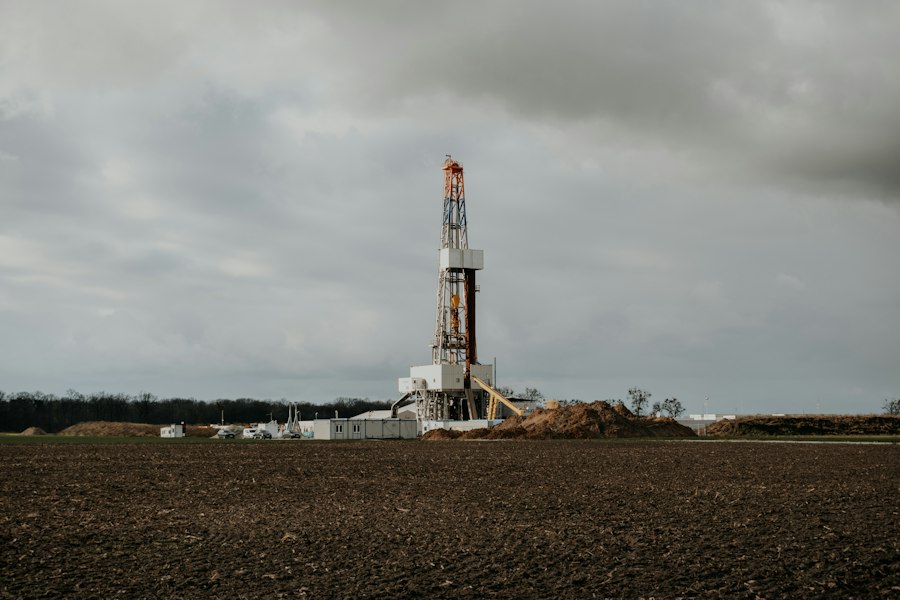
As drilling operations extend to greater depths, the Earth’s subsurface presents a formidable array of challenges. Extreme pressures, soaring temperatures, and the presence of corrosive substances demand constant vigilance and sophisticated technological solutions. These conditions not only test the limits of equipment but also require precise environmental controls and advanced geological understanding.
High Pressure and Temperature (HPHT) Conditions
- Geothermal Gradient: As depth increases, so does the Earth’s temperature. The geothermal gradient, the rate at which temperature increases with depth, can reach hundreds of degrees Celsius in deep wells.
- Formation Pressure: The pressure exerted by the fluids within the rock formations also increases with depth. In some cases, these pressures can be immense, far exceeding atmospheric pressure.
- Material Limitations: Standard steel and equipment can fail under extreme HPHT conditions. Specialized alloys, advanced materials science, and robust design are crucial for components exposed to these environments.
- Wellbore Stability in HPHT: Maintaining the integrity of the wellbore in high-pressure and high-temperature zones is a significant challenge. The rock can become weaker, and the drilling fluid properties can change drastically.
Corrosive Environments and Well Integrity
- Hydrogen Sulfide (H2S): Often found in oil and gas reservoirs, H2S is a highly corrosive and toxic gas that can degrade steel components. “Sour service” equipment, made from specialized alloys, is required to resist H2S corrosion.
- Carbon Dioxide (CO2): Another common formation fluid, CO2 can also contribute to corrosion, particularly in the presence of water.
- Formation Water: Highly saline or acidic formation waters can also accelerate corrosion processes.
- Materials Selection and Protection: Careful selection of corrosion-resistant materials, such as stainless steels and nickel alloys, is paramount. Protective coatings and inhibitors are also employed to extend the lifespan of equipment.
Geological Complexity and Unforeseen Formations
- Faults and Fractures: The presence of geological faults and natural fractures can lead to unpredictable pressure changes and fluid migration pathways.
- Unstable Formations: Some rock formations are inherently unstable and prone to collapse during drilling. This requires specialized drilling techniques and mud formulations to maintain wellbore integrity.
- Salt Formations: Drilling through thick salt layers presents unique challenges, including salt dissolution and the potential for wellbore deformation.
Innovations Driving Deeper Exploration: The Future of Drilling Technology
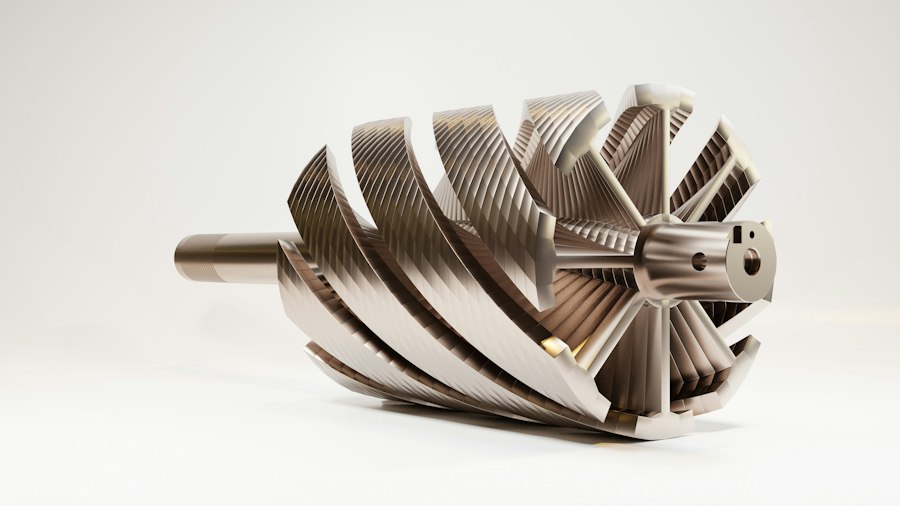
The pursuit of deeper resources and scientific understanding is a continuous cycle of innovation. Engineers and scientists are constantly developing new technologies and refining existing ones to push the boundaries of what is possible in deep drilling. These advancements often focus on increasing efficiency, improving safety, and minimizing environmental impact.
Advanced Drilling Techniques
- Managed Pressure Drilling (MPD): A sophisticated technique that allows for precise control of wellbore pressure throughout the drilling process. MPD systems use surface back-pressure to manage annular pressure, enabling drilling in depleted reservoirs or formations with narrow pressure windows.
- Underbalanced Drilling (UBD): In UBD, the wellbore pressure is intentionally kept lower than the formation pressure, allowing reservoir fluids to flow into the wellbore as drilling progresses. This can reduce formation damage and improve well productivity.
- Rotary Steerable Systems (RSS): These advanced downhole tools allow for continuous steering and directional control of the wellbore, eliminating the need to stop drilling to make directional changes. This significantly speeds up the drilling of complex well paths.
New Materials and Equipment
- High-Strength Alloys: The development of advanced steel alloys and composite materials with exceptional tensile strength and resistance to heat and corrosion is crucial for deeper drilling.
- Nanotechnology in Drilling Fluids: Research is ongoing into the use of nanoparticles to enhance the properties of drilling fluids, such as improving lubrication, reducing fluid loss, and increasing wellbore stability.
- Automated and Robotic Systems: The increasing integration of automation and robotics in drilling operations aims to improve efficiency, reduce human exposure to hazardous environments, and enhance precision.
Enhanced Data Acquisition and Analysis
- Real-time Logging While Drilling (LWD): LWD tools provide geologists and engineers with immediate data on rock properties, formation pressures, and wellbore conditions as the bit is drilling. This enables faster and more informed decision-making.
- Advanced Sensor Technology: Sophisticated sensors are being developed to monitor downhole conditions with greater accuracy, including temperature, pressure, vibration, and fluid composition.
- Artificial Intelligence (AI) and Machine Learning (ML): AI and ML algorithms are being applied to analyze vast amounts of drilling data, predict potential problems, optimize drilling parameters, and improve overall operational efficiency.
Deep drilling technology has revolutionized our understanding of the Earth’s subsurface, allowing scientists to explore geological formations and extract valuable resources. For those interested in a comprehensive overview of this innovative field, a related article can be found at Freaky Science, which delves into the various techniques and advancements that have shaped modern drilling practices. This exploration not only highlights the technical aspects but also emphasizes the environmental considerations that come with deep drilling operations.
Beyond Energy: The Scientific Significance of Deep Drilling
| Metric | Description | Typical Values / Examples |
|---|---|---|
| Drilling Depth | Maximum depth reached by deep drilling technology | Up to 12,000 meters (39,370 feet) |
| Drill Bit Type | Common types of drill bits used in deep drilling | Polycrystalline Diamond Compact (PDC), Roller Cone Bits |
| Drilling Speed | Rate of penetration (ROP) during drilling | 5 to 30 meters per hour depending on rock type |
| Drilling Fluid | Fluids used to cool drill bit and remove cuttings | Water-based mud, Oil-based mud, Synthetic-based mud |
| Torque | Rotational force applied to the drill string | Up to 100,000 Nm (Newton meters) |
| Downhole Pressure | Pressure exerted at the drill bit and borehole bottom | Up to 20,000 psi (pounds per square inch) |
| Directional Control | Ability to steer the drill bit along a planned trajectory | Measurement While Drilling (MWD), Rotary Steerable Systems |
| Temperature Range | Operating temperature range in deep wells | Up to 200°C (392°F) or higher |
| Drill String Length | Total length of connected drill pipes | Several kilometers, often exceeding 10,000 meters |
| Cuttings Removal Rate | Efficiency of removing rock cuttings from the borehole | Depends on fluid flow rate, typically 500-1000 liters per minute |
While the primary driver for much of deep drilling has historically been the extraction of hydrocarbons, the technology has also become an indispensable tool for scientific research. Venturing deep into the Earth allows scientists to study geological processes, understand seismic activity, and even search for signs of life in extreme environments.
Geothermal Energy Exploration
- Accessing Earth’s Heat: Deep drilling is essential for accessing the immense thermal energy stored within the Earth’s crust. Geothermal power plants harness this heat to generate electricity.
- Enhanced Geothermal Systems (EGS): EGS involves creating artificial reservoirs in hot, dry rock formations by fracturing them and circulating water to extract heat. Deep drilling is required to reach these formations.
Seismology and Earth Science Research
- Studying Earthquakes: Boreholes drilled in seismically active regions provide direct access to fault zones, allowing scientists to deploy sensitive instruments that monitor seismic activity and gather data on earthquake processes.
- Understanding Earth’s Structure: Deep boreholes provide core samples and downhole measurements that help scientists understand the composition, structure, and evolution of the Earth’s crust and upper mantle.
- Monitoring Subsurface Processes: Deep drilling enables the monitoring of various subsurface processes, such as groundwater flow, fluid migration, and rock deformation.
Astrobiology and the Search for Life
- Subsurface Microbial Life: Deep drilling has revealed the existence of diverse microbial ecosystems thriving in the deep subsurface, often in the absence of sunlight. These “deep biosphere” studies provide insights into the limits of life and the potential for life on other planets.
- Analogs for Extraterrestrial Environments: The extreme conditions found in deep Earth environments can serve as analogs for similar conditions on other celestial bodies, aiding in the search for extraterrestrial life.
The relentless pursuit of knowledge and resources continues to drive advancements in deep drilling technology. From the earliest hand-dug wells to the sophisticated rigs of today, humanity’s ability to penetrate the Earth’s crust has evolved dramatically. As we unlock deeper reserves of energy, uncover vital scientific insights, and push the boundaries of our understanding, deep drilling technology remains at the forefront of this extraordinary human endeavor, forever reminding us of the immense and largely unexplored world that lies beneath our feet.
We Drilled 12 KM Into Earth—Then the Rock Started Bending
FAQs
What is deep drilling technology?
Deep drilling technology refers to the process of drilling deep into the earth’s surface to extract resources such as oil, natural gas, or geothermal energy. This technology involves using specialized equipment and techniques to reach depths that were previously inaccessible.
How does deep drilling technology work?
Deep drilling technology works by using a drill bit attached to a drilling rig to bore into the earth’s surface. As the drill bit penetrates deeper into the ground, additional sections of drill pipe are added to reach the desired depth. Various drilling fluids are used to lubricate the drill bit, cool the equipment, and carry the rock cuttings to the surface.
What are the benefits of deep drilling technology?
Deep drilling technology allows access to valuable resources located deep underground, such as oil, natural gas, and geothermal energy. This technology also enables scientists to study the earth’s subsurface and gain a better understanding of geological formations and processes.
What are the challenges of deep drilling technology?
Some of the challenges associated with deep drilling technology include high costs, technical complexities, and environmental concerns. Deep drilling operations can be risky and require careful planning to ensure safety and minimize environmental impact.
What are some examples of deep drilling projects?
Examples of deep drilling projects include offshore oil drilling in the Gulf of Mexico, shale gas extraction in the Marcellus Shale formation, and geothermal drilling in Iceland. These projects demonstrate the diverse applications of deep drilling technology in extracting resources and generating energy.