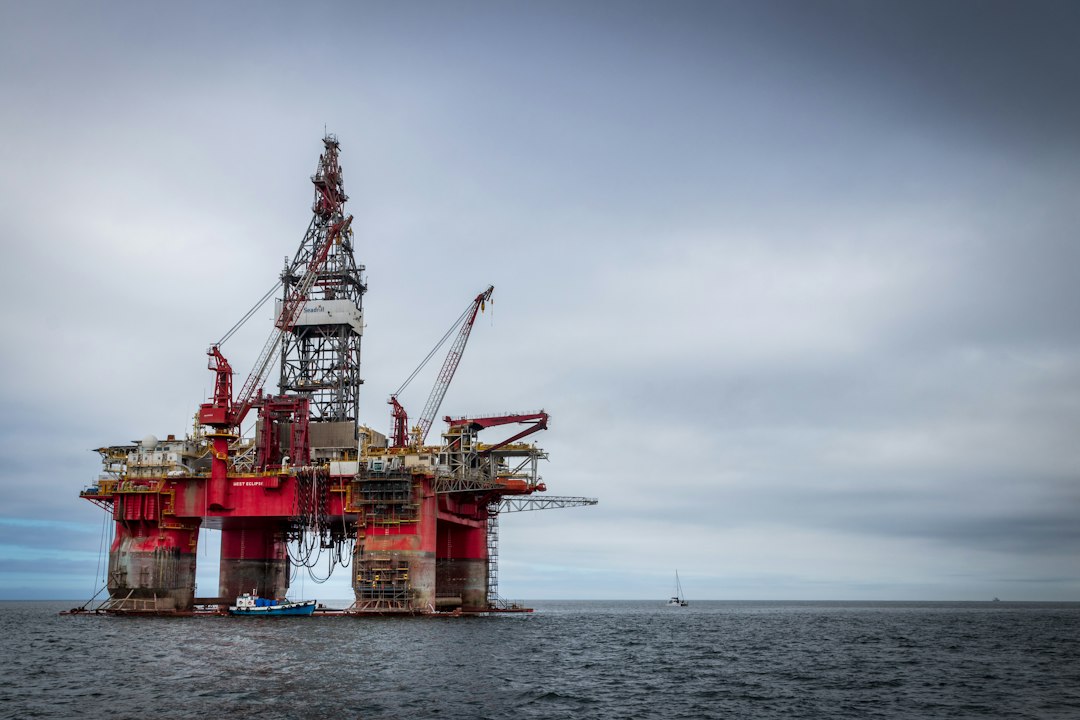
Deep drilling, a feat of modern engineering, pushes the boundaries of what is technically achievable, venturing into the Earth’s crust to unlock resources, understand geological formations, and even explore the potential for geothermal energy. However, the pursuit of these subterranean objectives is fraught with a multitude of intricate challenges that demand innovative solutions and meticulous planning. These challenges span from the immense physical forces at play to the complex chemical environments encountered, and the sheer logistical hurdles of operating miles beneath the surface. As engineers delve deeper, the stakes rise, and the margin for error diminishes significantly, making each successful deep well a testament to human ingenuity and perseverance.
As boreholes penetrate deeper into the Earth, they encounter conditions that are increasingly hostile to conventional drilling equipment and human safety. The weight of the overlying rock exerts immense hydrostatic and lithostatic pressure, creating a crushing force that can deform or even collapse wellbores. Simultaneously, the geothermal gradient dictates a steady increase in temperature with depth, reaching levels that can melt steel and compromise the integrity of downhole tools. Managing these extreme environmental parameters is paramount to the success of any deep drilling operation.
Battling the Crushing Forces: Pressure Management in Deep Wells
The immense pressures encountered at significant depths pose a constant threat to the stability of the wellbore. Understanding and controlling these pressures is a multi-faceted engineering challenge.
Lithostatic and Hydrostatic Pressure Dynamics
Engineers must meticulously account for both lithostatic pressure, which is the weight of the overlying rock mass, and hydrostatic pressure, which is the pressure exerted by fluids (water, oil, gas) within the rock pores. These pressures are not uniform and can vary significantly depending on the geological strata. Predicting these variations requires sophisticated geological modeling and real-time downhole measurements.
Blowout Prevention: A Constant Vigilance
The ultimate manifestation of uncontrolled pressure is a blowout, a catastrophic release of formation fluids and hydrocarbons that poses severe environmental and safety risks. The design and operation of Blowout Preventers (BOPs) are critical. These complex mechanical systems must be robust enough to seal off a wellbore under extreme pressure differentials and remain functional even when subjected to high temperatures and abrasive drilling fluids. Regular testing and maintenance of BOPs are non-negotiable safety protocols.
Casing Design and Cementing Strategies
The well casing, a series of steel pipes cemented into place, provides structural integrity to the wellbore and prevents the influx of unwanted fluids. For deep wells, casing strings must be designed to withstand immense axial and radial loads. Cementing operations, which fill the annular space between the casing and the borehole wall, are equally crucial. The cement slurry must be formulated to set under high pressure and temperature, effectively isolating different geological zones and preventing fluid migration. Specialized additives are often required to control rheology, set time, and prevent gas migration during the cementing process.
Taming the Fiery Depths: Temperature Mitigation and Material Science
The escalating temperatures at depth present a formidable obstacle, impacting the performance of equipment, the effectiveness of drilling fluids, and the safety of personnel.
High-Temperature Drilling Fluids
Conventional drilling fluids, often water-based, can degrade or lose their desired properties at elevated temperatures. This necessitates the development of specialized, high-temperature drilling fluids. These formulations often utilize synthetic or oil-based carriers with additives that can withstand thermal breakdown. Key properties to maintain include viscosity, lubricity, and filtration control, all of which are essential for efficient drilling and wellbore stability.
Thermal Degradation of Downhole Equipment
Drilling tools, sensors, and even the drill string itself are subjected to extreme heat. Materials used in these components must possess high thermal stability and resistance to degradation. This often involves the use of specialized alloys, ceramics, and advanced composite materials. Furthermore, cooling systems and thermal insulation techniques may be employed to protect sensitive components from overheating.
Personnel Safety in High-Temperature Environments
While automated systems perform much of the deep drilling, human oversight and intervention are still vital. Protecting personnel from the extreme heat during rig operations, especially in enclosed spaces, requires robust ventilation systems, personal protective equipment designed for high-temperature environments, and stringent safety protocols to limit exposure times.
Deep drilling presents a myriad of engineering challenges, ranging from equipment failure to geological unpredictability. For a comprehensive exploration of these issues, you can refer to a related article that delves into the complexities and innovative solutions in the field. This article provides valuable insights into the technological advancements and strategies employed to overcome the obstacles faced during deep drilling operations. To read more, visit this link.
Navigating the Geological Labyrinth: Formation Instability and Complexity
The Earth’s subsurface is a complex and heterogeneous environment, characterized by varying rock types, fluid saturations, and stress regimes. These geological complexities present significant challenges to maintaining wellbore stability and achieving drilling objectives.
Unpredictable Rock Behaviors
As drills penetrate deeper, they encounter formations with widely differing mechanical properties, ranging from soft, unconsolidated sediments to hard, brittle crystalline rocks. This variability can lead to unpredictable wellbore behavior.
Sloughing and Caving Formations
Certain geological formations, particularly those with low shear strength or high pore pressures, are prone to sloughing or caving. This means that sections of the borehole wall can collapse inwards, leading to borehole enlargement, pack-offs (where cuttings accumulate and obstruct the drill string), and lost circulation (where drilling fluid escapes into the formation).
Differential Sticking of the Drill String
When the drill string becomes lodged against a permeable formation under high pressure, it can become “stuck.” This is known as differential sticking. The pressure difference between the drilling fluid and the formation fluid creates a powerful suction that binds the drill pipe. Techniques to prevent and free differentially stuck pipe include maintaining proper drilling fluid properties, using specialized lubricants, and employing jarring tools.
Salt and Anhydrite Formations
The presence of soluble salts (like halite) and anhydrite in deep formations poses unique challenges. Water-based drilling fluids can dissolve salt, leading to borehole instability and the loss of wellbore integrity. Anhydrite can react with certain drilling fluid additives, causing undesirable changes in fluid properties. Specialized drilling fluids and careful formation evaluation are required when encountering these challenging lithologies.
The Enigma of Inaccessible Formations
Reaching and effectively exploiting resources in extremely deep or geologically complex formations presents its own set of hurdles.
Highly Fractured and Permeable Reservoirs
While fractured reservoirs can offer high permeability for resource extraction, they also present challenges for wellbore stability and fluid control. Lost circulation can become a major issue, making it difficult to maintain hydrostatic pressure and efficiently circulate drilling fluid. Specialized lost circulation materials and advanced fluid chemistries are employed to mitigate these problems.
Overpressured and Underpressured Zones
Deep geological formations can exhibit significant deviations from expected hydrostatic pressures, leading to overpressured or underpressured zones. Overpressured zones present a high risk of blowouts if not properly managed. Underpressured zones can lead to formation collapse and difficulties in wellbore cleanup. Accurate pore pressure prediction and advanced drilling techniques are crucial for safely navigating these anomalies.
Complex Structural Traps
The geometry and orientation of rock formations can be highly complex due to tectonic activity. This can create structural traps that are difficult to delineate and target effectively. Advanced seismic imaging and geosteological modeling are essential to understand these complexities and plan the drilling trajectory accordingly.
The Perils of Drilling Fluids and Wellbore Contamination
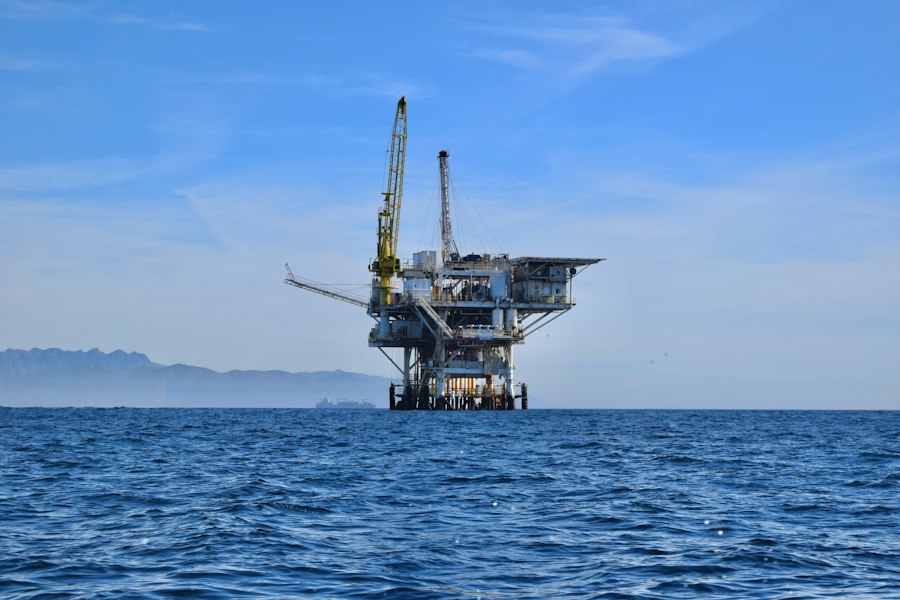
Drilling fluids, often referred to as “mud,” are essential for the drilling process. However, their composition and behavior at extreme depths can present significant challenges, and preventing contamination of the formation is critical for successful resource extraction and environmental protection.
The Multifaceted Role of Drilling Fluids
Drilling fluids are not merely lubricants; they serve a multitude of vital functions that are amplified in deep drilling scenarios.
Maintaining Wellbore Stability
As previously mentioned, drilling fluids are crucial for preventing borehole collapse by exerting hydrostatic pressure. Their rheological properties also help to suspend and remove cuttings from the wellbore.
Cooling and Lubricating the Drill Bit
The intense friction generated by the rotating drill bit at high speeds requires efficient cooling and lubrication to prevent overheating and premature wear. Drilling fluids achieve this by circulating around the bit and carrying away heat.
Transmitting Hydraulic Power
Hydraulic power for downhole motors and other tools is often transmitted through the drilling fluid. Maintaining consistent fluid properties is essential for the reliable operation of these systems.
Providing Information About the Formation
The cuttings brought to the surface by the drilling fluid provide geologists with valuable information about the rock formations being penetrated. The characteristics of the drilling fluid itself can also indicate changes in formation pressures or the presence of certain minerals.
The Double-Edged Sword: Fluid Degradation and Contamination Risks
The very fluids that enable drilling can become a source of problems when subjected to the extreme conditions of deep drilling.
Thermal and Chemical Degradation of Fluid Properties
High temperatures and pressures can lead to the breakdown of polymers and other additives in water-based drilling fluids, reducing their viscosity, suspension capabilities, and overall effectiveness. Oil-based and synthetic-based fluids offer greater thermal stability but can present their own environmental and disposal challenges. Chemical reactions with formation fluids and minerals can also alter drilling fluid properties.
Lost Circulation: A Persistent Threat
Lost circulation occurs when drilling fluid escapes into the formation, often through permeable zones or fractures. This reduces the hydrostatic pressure in the wellbore, increasing the risk of blowouts and wellbore instability. Moreover, lost circulation can lead to the loss of valuable drilling fluid components and even entire sections of the hole.
Formation Damage and Contamination
The introduction of drilling fluid solids or chemicals into a reservoir can plug pore spaces and reduce permeability, thereby damaging the reservoir’s ability to produce hydrocarbons or geothermal energy. Preventing formation damage requires careful selection of drilling fluid additives and effective wellbore cleanup procedures.
Environmental Concerns with Drilling Fluid Disposal
The disposal of large volumes of spent drilling fluid, especially those containing oil-based or synthetic carriers, presents significant environmental challenges. Rigorous regulations govern the treatment and disposal of these materials to minimize their impact on ecosystems.
The Logistical Nightmare: Equipment Reliability and Maintenance
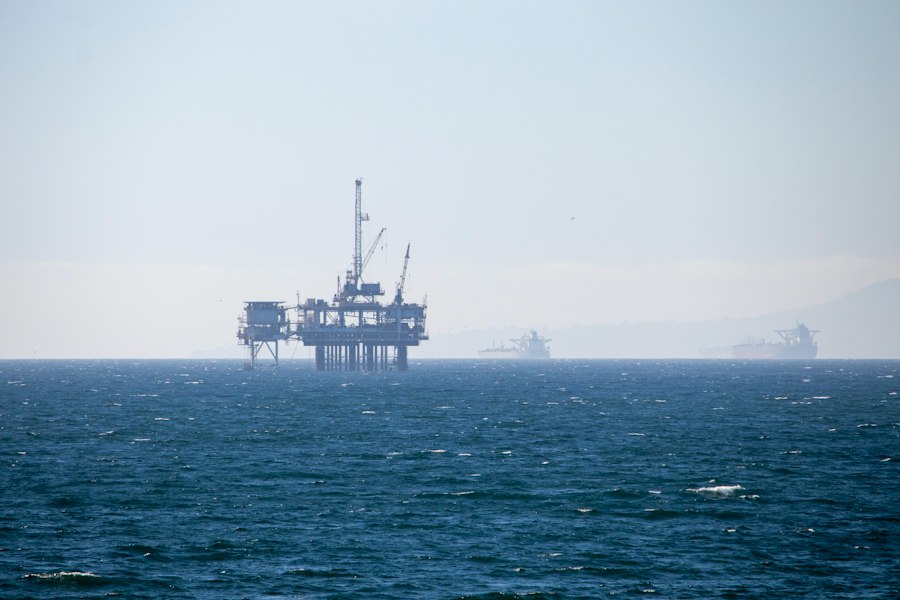
Operating miles beneath the Earth’s surface magnifies the challenges associated with equipment reliability and the complexity of maintenance and repair operations.
The Criticality of Robust and Reliable Equipment
In the hostile environment of deep drilling, equipment failure can have catastrophic consequences, leading to significant downtime, cost overruns, and safety hazards.
Downhole Tool Resilience and Redundancy
Drilling tools, including drill bits, motors, Measurement While Drilling (MWD) and Logging While Drilling (LWD) tools, and completion equipment, must be designed to withstand extreme pressures, temperatures, vibrations, and corrosive environments. Redundancy in critical systems is often incorporated to provide a backup in case of failure.
Drill String Integrity and Fatigue
The drill string, a long series of connected pipes, is subjected to immense torsional, tensile, and compressive loads. Fatigue is a major concern, as repeated stress cycles can lead to pipe failure. Regular inspection, maintenance, and careful handling of drill pipe are essential to prevent these failures.
Surface Equipment Robustness and Power Demands
The surface equipment, including drilling rigs, pumps, drawworks, and mud systems, must be robust enough to handle the extreme loads and continuous operation required for deep drilling. The power demands for these operations are substantial, requiring efficient and reliable power generation systems.
The Herculean Task of Maintenance and Repair
Performing maintenance and repairs on equipment located miles underground is a significant logistical and technical undertaking.
Limited Access and Difficult Conditions
Accessing downhole tools for repair or replacement is a complex and time-consuming process. It often involves tripping the drill string out of the hole, which can take days or even weeks for very deep wells. The conditions downhole are inherently difficult, with limited visibility and the need for specialized equipment.
The Importance of Preventative Maintenance and Monitoring
Given the difficulties of in-situ repairs, a strong emphasis is placed on preventative maintenance and continuous monitoring of equipment performance. This includes regular inspections of surface equipment, acoustic monitoring of the drill string, and the use of advanced diagnostic tools to detect potential problems before they lead to failure.
The Role of Advanced Technologies in Remote Diagnostics and Repair
Innovations in robotics, remote sensing, and artificial intelligence are beginning to play a greater role in deep drilling operations. These technologies can aid in monitoring equipment health, diagnosing problems remotely, and even assisting with certain repair tasks without the need for extensive tripping operations.
Deep drilling presents a variety of engineering challenges that require innovative solutions and careful planning. For instance, issues such as high pressure, extreme temperatures, and the need for advanced materials are critical considerations in the design and execution of drilling operations. To explore these challenges further, you might find it interesting to read a related article on engineering problems associated with deep drilling, which can be found here. This resource delves into the complexities faced by engineers in this demanding field, providing insights that can enhance our understanding of the subject.
The Unforeseen and the Unforeseen: Dealing with Unexpected Geological and Operational Issues
| Engineering Problem | Description | Impact on Drilling | Common Mitigation Techniques | Typical Metrics |
|---|---|---|---|---|
| High Temperature | Extreme downhole temperatures exceeding equipment limits | Equipment failure, reduced tool life, inaccurate measurements | Use of high-temperature resistant materials, cooling systems | Temperatures up to 200°C or higher |
| High Pressure | Encountering high formation pressures beyond design limits | Blowouts, well control issues, casing collapse | Blowout preventers, pressure control equipment, managed pressure drilling | Pressures exceeding 15,000 psi |
| Wellbore Instability | Collapse or fracturing of the wellbore during drilling | Non-productive time, stuck pipe, lost circulation | Optimized mud weight, casing design, real-time monitoring | Stuck pipe incidents per 1000 meters drilled |
| Drill String Fatigue | Fatigue failure of drill pipes due to cyclic stresses | Unexpected pipe failure, costly fishing operations | Fatigue-resistant materials, stress analysis, controlled drilling parameters | Fatigue life cycles, number of fatigue failures per well |
| Lost Circulation | Drilling fluid loss into formation fractures or pores | Reduced hydrostatic pressure, well control risks, increased costs | Use of lost circulation materials, adjusting mud properties | Volume of fluid lost (barrels per hour) |
| Directional Drilling Challenges | Difficulty in steering the drill bit accurately in deep wells | Deviation from target, increased drilling time and cost | Advanced downhole motors, rotary steerable systems, real-time telemetry | Deviation angle (degrees), rate of penetration (m/hr) |
| Corrosion | Degradation of metal components due to chemical exposure | Equipment failure, increased maintenance | Corrosion-resistant alloys, inhibitors, coatings | Corrosion rate (mm/year) |
Despite meticulous planning and advanced engineering, the inherently unpredictable nature of the Earth’s subsurface means that unexpected geological formations, operational anomalies, and equipment malfunctions are almost inevitable in deep drilling.
The Art of Contingency Planning and Adaptive Strategies
The ability to react quickly and effectively to unforeseen circumstances is a hallmark of successful deep drilling operations.
Unforeseen Geological Formations and Anomalies
Drilling plans are based on available geological data, which can be incomplete or inaccurate. Encountering unexpected rock types, unconsolidated zones, or sudden changes in pore pressure can necessitate immediate adjustments to drilling parameters, fluid formulations, and even wellbore design.
Equipment Malfunctions and Failures
Even with stringent maintenance protocols, equipment can fail. When this occurs deep in the wellbore, it can trigger a cascade of complex problems, requiring specialized procedures to retrieve damaged equipment or bypass it.
The Challenge of Bridging the Gap Between Prediction and Reality
The gap between theoretical geological models and the actual conditions encountered underground is a persistent challenge. Geologists and drilling engineers must work collaboratively, using real-time data from MWD/LWD tools and cuttings analysis to continuously update their understanding of the subsurface and adapt their drilling strategy.
The Ingenuity of Problem Solving in the Deep Subsurface
The successful resolution of unexpected issues often requires creative problem-solving and the application of specialized techniques.
Fishing Operations: Retrieving Lost or Damaged Equipment
When drill bits, tools, or sections of the drill string are lost or damaged downhole, complex “fishing” operations are required to retrieve them. These operations involve specialized tools and techniques designed to latch onto and extract the lost item without further damaging the wellbore.
Side-Tracking and Wellbore Redirection
In cases of severe wellbore damage or the need to bypass an obstruction, engineers may employ side-tracking operations. This involves drilling a new section of the wellbore from an existing one, effectively redirecting the path of the borehole.
The Value of Experience and Knowledge Transfer
The accumulated experience of seasoned drilling engineers and geoscientists is invaluable when facing unforeseen challenges. Knowledge transfer through mentorship and robust operational reporting is crucial for building the expertise needed to navigate the complexities of deep drilling.
In conclusion, deep drilling represents a frontier of engineering where innovation and resilience are constantly tested. The immense pressures and temperatures, the unpredictable geological formations, the intricate chemistry of drilling fluids, and the logistical complexities of operating miles below the surface all contribute to a challenging yet rewarding field. As technology advances and our understanding of the Earth’s interior deepens, engineers will continue to push the boundaries, overcoming these formidable obstacles to unlock the resources and knowledge hidden within our planet.

We Drilled 12 KM Into Earth—Then the Rock Started Bending
FAQs
What are some common engineering problems with deep drilling?
Some common engineering problems with deep drilling include high temperatures and pressures, wellbore instability, fluid loss, and equipment failures.
How do high temperatures and pressures affect deep drilling operations?
High temperatures and pressures can cause equipment failures, increase the risk of wellbore instability, and make it challenging to maintain drilling fluid properties.
What is wellbore instability and why is it a concern in deep drilling?
Wellbore instability refers to the tendency of the wellbore walls to collapse or fracture during drilling operations. This can lead to stuck pipe, lost circulation, and other drilling challenges.
How do engineers address fluid loss during deep drilling?
Engineers use specialized drilling fluids and additives to help control fluid loss and maintain wellbore stability during deep drilling operations.
What are some strategies for mitigating equipment failures in deep drilling?
Some strategies for mitigating equipment failures in deep drilling include regular maintenance, using high-quality materials, and implementing advanced monitoring and control systems.