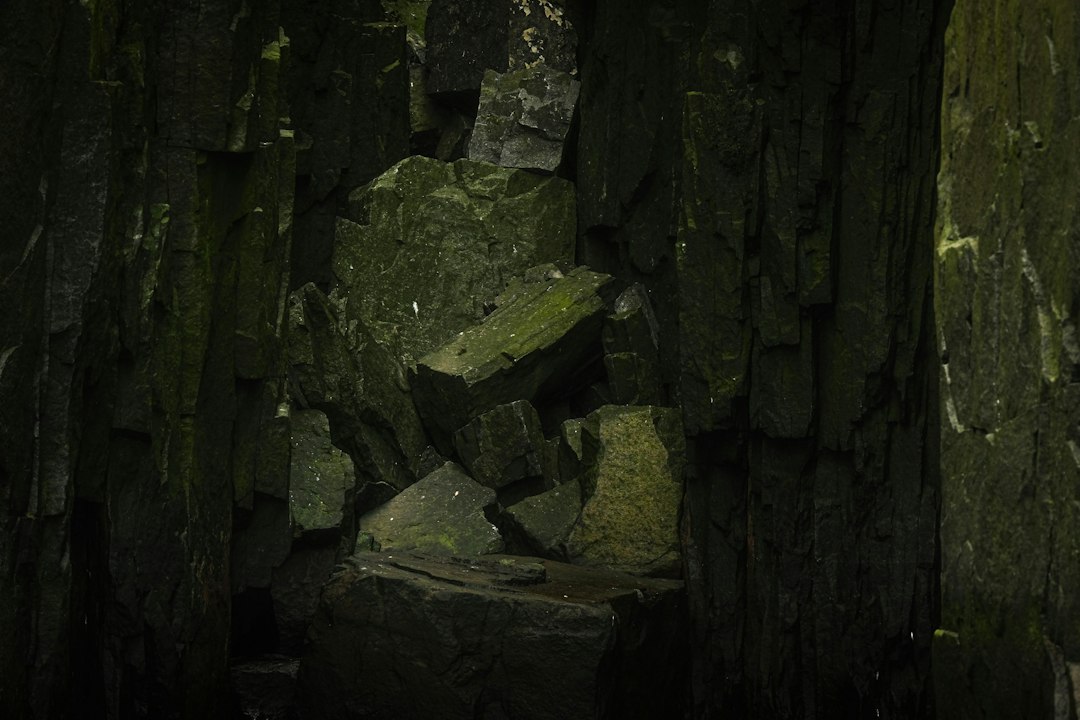
The earth’s crust, a seemingly solid shield, holds secrets far more dynamic and perplexing than its rigid exterior suggests. Among these enigmas, the phenomenon of “flowing solid rock” beneath our feet stands out as a captivating and deeply significant mystery. It challenges our intuitive understanding of solid matter and hints at forces and processes operating on scales that dwarf human experience. This isn’t about molten lava oozing from volcanoes, but rather about rock that, despite its geological classification as solid, behaves in ways that defy conventional physics when observed over geological timescales.
The ground beneath our feet, for most of human history, has been perceived as an unyielding, immutable foundation. Buildings stand upon it, our cities are carved into it, and our everyday lives are built with the assumption of its stability. This perception, while practical for daily existence, obscures a profound truth: the Earth is a living, breathing entity, its interior a cauldron of energy and movement. The concept of “flowing solid rock” shatters this illusion of stasis, revealing a planet in constant, albeit incredibly slow, flux. It’s a realization that necessitates a fundamental shift in how we comprehend our planet’s very structure and the immense geological forces that shape it.
Beyond the Surface: Understanding Rock Types and Properties
To grasp the mystery of flowing rock, one must first understand the nature of rock itself. Geologists classify rocks into three primary categories: igneous, sedimentary, and metamorphic.
Igneous Rocks: Born of Fire
Igneous rocks, formed from the cooling and solidification of molten magma or lava, represent the direct evidence of the Earth’s internal heat. While magma itself flows, the resulting solidified igneous rock is considered hard and brittle under surface conditions. The enigma lies not in the initial molten state, but in how these solidified rocks can, over vast periods, exhibit plastic deformation.
Sedimentary Rocks: Layers of Time
Sedimentary rocks are formed from the accumulation and cementation of mineral and organic particles. These often exhibit distinct layering, which can themselves be deformed by pressure and heat, hinting at their potential for plasticity. The compaction and lithification process, while creating solid rock, often leaves behind textural features that are susceptible to yielding under prolonged stress.
Metamorphic Rocks: Transformed by Pressure and Heat
Metamorphic rocks are formed when existing igneous, sedimentary, or even other metamorphic rocks are transformed by heat, pressure, or chemical reactions. This transformation process is crucial to understanding the phenomenon of flowing solid rock. The intense conditions deep within the Earth can alter the crystalline structure of minerals, making them more amenable to ductile deformation.
The Role of Temperature and Pressure
At the surface, rocks are subject to atmospheric pressure and relatively low temperatures. Under these conditions, they tend to fracture and break when subjected to stress – a process known as brittle deformation. However, as one descends into the Earth’s crust and mantle, both temperature and pressure increase dramatically.
Increasing Geothermal Gradient
The geothermal gradient, the rate at which temperature increases with depth, is a fundamental concept. In the upper crust, this gradient is around 25-30°C per kilometer. By the time one reaches the upper mantle, temperatures can soar into the hundreds or even thousands of degrees Celsius.
Lithostatic Pressure: The Weight of the World
Lithostatic pressure, the pressure exerted by the weight of overlying rocks, also increases significantly with depth. This immense pressure squeezes mineral grains together, influencing their behavior.
The intriguing question of whether solid rock can flow deep underground is explored in depth in a related article. This piece delves into the geological processes that allow for the movement of rock over long periods, highlighting the role of temperature and pressure in facilitating this phenomenon. For more insights on this topic, you can read the full article here: Does Solid Rock Flow Deep Underground?.
The Science of Viscosity and Ductility
The key to understanding how seemingly solid rock can flow lies in the scientific concepts of viscosity and ductility, concepts usually associated with liquids and malleable metals.
Viscosity: Resistance to Flow
Viscosity is a measure of a fluid’s resistance to flow. While we typically apply this term to liquids, geological materials, especially under extreme conditions, can exhibit a form of viscosity. Even though individual mineral grains are solid, the collective behavior of vast rock masses under immense pressure and elevated temperatures can mimic that of a very viscous fluid.
The “Solid” Fluid Analogy
It is often said that under the right conditions, even solid rock can behave like a very thick, slow-moving fluid. This is not to say that individual atoms are freely roaming, but rather that the mineral grains themselves can deform and slide past each other, or that new mineral phases can form and recrystallize in a manner that allows for bulk movement.
Ductility: The Ability to Deform Without Breaking
Ductility is the ability of a material to deform under tensile stress without fracturing. While metals are known for their ductility, certain rocks, particularly at high temperatures and pressures, also exhibit this property. Instead of shattering, they bend, stretch, and flow.
Mechanisms of Ductile Deformation
Several mechanisms contribute to ductile deformation in rocks:
Grain Boundary Sliding
At elevated temperatures, mineral grains can slide past each other, facilitated by thin films of melt or fluid along grain boundaries. This allows the rock mass to deform without breaking individual grains.
Diffusion Creep
In diffusion creep, atoms move within mineral grains, from areas of high stress to areas of low stress, causing the grains to elongate and the rock to deform.
Dislocation Creep
This is a more significant mechanism of ductile deformation, particularly in crystalline materials. Dislocations are line defects within the crystal lattice. Under stress, these dislocations move, allowing the crystal to deform. As temperatures increase, dislocation mobility increases, leading to enhanced ductile behavior.
Recrystallization
Under intense heat and pressure, existing mineral grains can dissolve and reprecipitate in new orientations, forming new, larger grains. This process can accommodate deformation and contribute to the overall flow of the rock mass.
Evidence of Underground Flow: Geological Manifestations
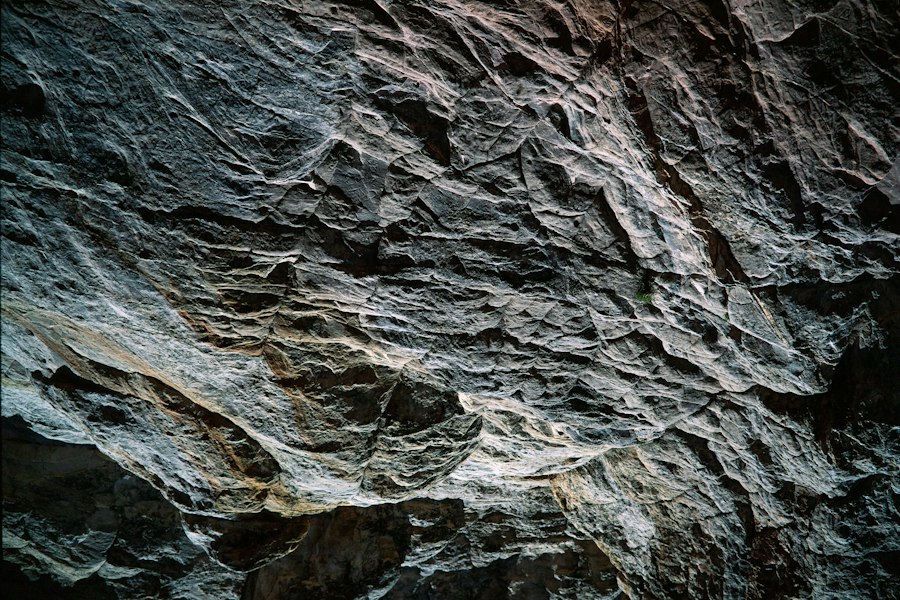
The concept of flowing solid rock might seem abstract, but its effects are etched into the very fabric of our planet, leaving behind undeniable geological evidence.
Folding and Faulting: The Wrinkles of the Earth
The most visible evidence of rock deformation underground is the formation of folds and faults. While faults represent brittle fracture, folds are the direct result of ductile deformation, where rock layers bend and curve under immense pressure.
Anticlinal and Synclinal Structures
Anticlines are upward-arching folds, while synclines are downward-arching folds. These structures are formed when layers of rock are subjected to compressional forces over millions of years, causing them to buckle and warp. The plastic nature of the rock allows it to bend rather than break.
Overturned Folds and Nappes
In extreme compressional environments, such as those found in continental collision zones, folds can become so severe that they are overturned. This can lead to the formation of large sheets of rock, known as nappes, being thrust over other rock units. This implies significant ductile flow and gravitational spreading.
The Asthenosphere: The Earth’s Rheological Layer
Perhaps the most compelling evidence for flowing solid rock is found in the Earth’s asthenosphere. This is a distinct layer within the upper mantle, lying beneath the lithosphere (the rigid outer shell of the Earth, including the crust and upper mantle).
A Zone of Reduced Rigidity
The asthenosphere is characterized by its significantly reduced rigidity compared to the overlying lithosphere. While still technically solid, the elevated temperatures and pressures in this region cause the rock to behave in a more ductile, plastic manner.
Mantle Convection: The Engine of Plate Tectonics
The asthenosphere is the primary driver of plate tectonics. The slow, viscous flow within the asthenosphere creates convection currents, much like those in a pot of boiling water. These currents exert forces on the rigid lithospheric plates above, causing them to move, collide, and separate.
Upwelling and Downwelling Mantle Material
Hotter, less dense mantle material rises from deeper within the Earth (upwelling), while cooler, denser material sinks (downwelling). This continuous circulation is the fundamental engine that reshapes the Earth’s surface over geological time.
Mid-Ocean Ridges and Subduction Zones
The consequences of asthenospheric flow are evident at mid-ocean ridges, where new oceanic crust is formed as plates diverge, and at subduction zones, where one plate dives beneath another. Both phenomena are directly linked to the movement and dynamism of the mantle.
Diapirs and Salt Tectonics: Underground Blobs
Diapirs are geological structures formed when a less dense, more buoyant material pieres through overlying denser rock. While not always rock, salt diapirs are a prime example of this phenomenon, where solid salt, under pressure and temperature, can flow like a very viscous liquid.
The Buoyancy of Salt
Salt deposits, often formed from evaporated ancient seas, are less dense than surrounding sedimentary rocks. When buried deeply enough, the immense pressure and elevated temperatures can cause the salt to deform plastically and rise through the overlying strata, creating dome-like structures.
Mud Diapirs and Intrusions
Similar diapiric structures can form from mud or other fine-grained sediments under specific conditions, further illustrating the potential for plastic flow in geological materials.
Why Doesn’t Our House Sink? The Timescale of Flow

If the rock beneath our feet is, in essence, flowing, why doesn’t our house, our city, or even entire continents slowly sink into the Earth? The answer lies in the extraordinary timescale over which these geological processes occur.
Geological Time: A Different Clock
Human perception of time is measured in seconds, minutes, years, and centuries. Geological time, however, operates on scales of millions and billions of years. The flow of rock, while measurable, is infinitesimally slow from a human perspective.
Millimeter-Scale Movement Per Century
The rate of asthenospheric flow, for instance, is typically on the order of centimeters per year for tectonic plates, which is facilitated by the underlying flow. The internal flow within the mantle rock itself is even slower. Individual mineral grains may be deforming and sliding at rates that, over human lifespans, are imperceptible.
The Strength of the Lithosphere
While the asthenosphere is ductile, the overlying lithosphere is considerably more rigid. This rigid layer acts as a protective shell, preventing immediate and catastrophic deformation of the Earth’s surface. It’s the strength of the lithosphere that provides the seemingly static foundation for our world.
Plate Boundaries: Where the Action Happens
The most significant deformation occurs at plate boundaries, where the immense forces of plate movement are concentrated. Here, we see dramatic geological events like earthquakes and volcanic eruptions, which are the surface expressions of the deeper, slower rock flow.
The fascinating concept of solid rock flowing deep underground has intrigued geologists for years, and it is essential to understand the processes that govern such phenomena. For a deeper exploration of this topic, you can read an insightful article that discusses the mechanics of rock deformation and the conditions under which solid materials can behave like fluids. This article provides valuable information on the geological processes at play, making it a great resource for anyone interested in the dynamic nature of Earth’s crust. To learn more, visit this article.
Implications and Future Research: Unlocking Earth’s Secrets
| Metric | Value/Description | Unit | Notes |
|---|---|---|---|
| Depth of Solid Rock Flow | ~100 km to 700 km | kilometers | Upper to lower mantle where solid rock behaves plastically |
| Viscosity of Mantle Rock | 10^19 to 10^24 | Pascal-seconds (Pa·s) | Indicates very slow, solid-state flow |
| Temperature Range | 1300 to 1600 | °C | Temperature at which solid rock can deform plastically |
| Pressure Range | 3 to 24 | GigaPascals (GPa) | High pressure conditions deep in the mantle |
| Deformation Rate | 10^-14 to 10^-12 | per second | Typical strain rates for mantle flow |
| Rock Type | Peridotite | N/A | Dominant mantle rock undergoing flow |
| Flow Mechanism | Dislocation creep and diffusion creep | N/A | Mechanisms enabling solid-state flow |
The mystery of flowing solid rock underground has profound implications for our understanding of geology, geophysics, and even planetary science. Continued research promises to unlock even deeper secrets.
Understanding Earthquakes and Volcanic Activity
A more refined understanding of rock rheology (the study of the deformation of matter) at various depths and under different conditions is crucial for improving models of earthquake generation and predicting volcanic eruptions. The way stress builds up and is released within the Earth’s crust and upper mantle is directly linked to the material properties of the rocks.
Stress Accumulation and Release
The ductile flow of rock in the deeper crust and upper mantle can accommodate some stress, but when stresses exceed the rock’s yield strength, brittle failure occurs, leading to earthquakes. Understanding the transition from ductile to brittle behavior is key.
Resource Exploration and Geohazards
Knowledge of underground rock flow is vital for exploring for mineral and hydrocarbon resources, as these often accumulate in geological structures formed by past deformation. Furthermore, understanding these processes helps in assessing geohazards like landslides and ground subsidence.
Oil and Gas Traps
Many oil and gas reservoirs are found in structural traps, such as anticlines and faults, which are the direct result of rock deformation driven by deeper flow.
Ground Stability and Subsidence
In areas with specific geological conditions, such as those with extensive salt deposits or permafrost, understanding the potential for underground flow is critical for managing ground stability and preventing subsidence.
Planetary Science and the Search for Life
The principles governing rock flow on Earth have relevance to understanding the geology of other planets and moons. Many terrestrial bodies exhibit evidence of past or present geological activity driven by internal heat and material flow.
Extraterrestrial Geology
The study of flowing rock on Earth provides a framework for interpreting the geological features observed on Mars, Venus, and icy moons like Europa, where similar processes might be at play, albeit with different compositions and conditions.
The enduring mystery of flowing solid rock underground is not a testament to our ignorance, but rather a powerful reminder of the dynamic and awe-inspiring nature of our planet. It is a realm where solid matter dances to the rhythm of immense pressures and unimaginable timescales, shaping the world we inhabit in ways that are both subtle and spectacular. As our understanding deepens, so too will our appreciation for the intricate geological symphony that plays out beneath our feet, a symphony of slow, inexorable flow that defines the very essence of Earth.

We Drilled 12 KM Into Earth—Then the Rock Started Bending
FAQs
What is the concept of solid rock flowing deep underground?
Solid rock flowing deep underground refers to the phenomenon where rocks, under immense pressure and heat, can deform and flow like a viscous fluid over long periods of time. This process is known as ductile deformation.
What are the conditions required for solid rock to flow deep underground?
For solid rock to flow deep underground, it requires high temperatures and pressures that are typically found at great depths within the Earth’s crust. These conditions allow the rock to deform and flow slowly over geological timescales.
How does the flow of solid rock deep underground affect geological processes?
The flow of solid rock deep underground plays a crucial role in various geological processes such as mountain building, plate tectonics, and the formation of mineral deposits. It helps in the redistribution of materials and the shaping of the Earth’s crust.
Can solid rock flow deep underground impact the stability of the Earth’s crust?
Yes, the flow of solid rock deep underground can impact the stability of the Earth’s crust. In areas where there is significant ductile deformation, such as near fault zones or mountain ranges, the movement of rock can lead to earthquakes, landslides, and other geological hazards.
What are some examples of regions where solid rock is known to flow deep underground?
Regions where solid rock is known to flow deep underground include the Himalayas, the Andes, and the Alps, which are all active mountain-building regions with significant ductile deformation. Additionally, areas with high geothermal activity, such as Yellowstone National Park, also exhibit signs of solid rock flow deep underground.