
The Earth’s crust, a seemingly solid and accessible shell, holds vast quantities of resources vital to modern civilization, particularly hydrocarbons and geothermal energy. For decades, humanity has sought to extract these treasures through drilling, pushing the boundaries of what is technologically and economically feasible. However, the dream of reaching the Earth’s core or unlocking every subterranean secret is profoundly limited by a complex interplay of physical, geological, and economic factors. This article will explore the multifaceted restrictions that define the limits of drilling depth, highlighting the challenges that restrict exploration efforts.
As drilling progresses deeper into the Earth’s crust, the overwhelming force of pressure becomes an increasingly significant impediment. This pressure is not a monolithic entity but a culmination of several contributing factors, each amplifying the challenge of maintaining borehole integrity and enabling continued descent.
Lithostatic Pressure: The Weight of the Overburden
The most fundamental source of pressure at depth is lithostatic pressure, often referred to as the weight of the overlying rock. Imagine stacking layers of rock one upon another; the deeper you go, the more rock sits above, and thus the greater the force pressing down. This pressure is directly proportional to the density of the rock and the depth of burial. In sedimentary basins, where thick sequences of porous and permeable rock accumulate over millions of years, lithostatic pressure can reach hundreds, even thousands, of megapascals at extreme depths.
Geostatic Gradient: A Measure of the Downward Push
Geologists quantify this pressure using the geostatic gradient, typically expressed in units of pressure per unit of depth (e.g., MPa/km or psi/ft). This gradient varies significantly depending on the lithology of the overlying rocks. Denser rocks, such as basalt or granite, exert a greater geostatic gradient than less dense sedimentary rocks. Understanding and accurately calculating this gradient is paramount for designing drilling programs. Exceeding a certain pressure threshold can lead to the catastrophic collapse of the borehole, rendering further drilling impossible. The forces involved are so immense that they can crush even the most robust drill pipes and wellbore structures.
Pore Pressure: The Hidden Force Within
Beyond the weight of the solid rock, the fluids trapped within the pores and fractures of the rock also exert significant pressure – known as pore pressure. In many geological formations, pore pressure is hydrostatic, meaning it is equivalent to the pressure exerted by a column of water from the surface to that depth. However, in certain geological settings, pore pressures can be significantly higher than hydrostatic, a phenomenon known as overpressure.
Mechanisms of Overpressure: Trapped Fluids and Compaction Differences
Overpressure can arise from several mechanisms. The most common is the rapid burial of sediments, where the rate of burial outpaces the rate of fluid escape. This traps pore fluids, preventing them from equilibrating with the surrounding environment and leading to an increase in pore pressure. Other causes include the generation of hydrocarbons and water from the maturation of organic matter, the presence of impermeable shale layers that act as seals, and the dissolution of minerals. Accurately predicting and managing pore pressure is critical. If the drilling fluid pressure is not carefully controlled to exceed the pore pressure, formation fluids will violently invade the wellbore, a hazardous event known as a kick, which can escalate into a blowout.
Differential Pressure: The Battle for Wellbore Stability
The interplay between the pressure exerted by the drilling fluid in the wellbore (mud pressure) and the pore pressure of the surrounding formation creates a differential pressure. This differential pressure is a key factor in maintaining wellbore stability.
Underbalanced Drilling and Its Risks: When the Formation Fights Back
If the mud pressure is significantly lower than the pore pressure, the formation fluids will tend to flow into the wellbore, potentially leading to instability, sloughing of the borehole walls, and loss of drilling fluid. This scenario, known as underbalanced drilling, is sometimes deliberately employed to improve production in certain reservoirs, but it carries substantial risks and requires meticulous control. Conversely, if the mud pressure is too high, it can fracture the formation, leading to lost circulation and potential damage to the reservoir. Maintaining the precise balance between mud pressure and pore pressure is a constant, critical challenge for drillers.
The depth to which we can drill into the Earth’s crust is influenced by a variety of geological and technological factors, including temperature, pressure, and the materials we encounter. For a deeper understanding of these limitations and the challenges faced by scientists and engineers in drilling operations, you can explore a related article that delves into the complexities of deep drilling. For more information, visit this article.
The Unyielding Grip of Temperature
As drilling equipment plunges deeper into the Earth, it encounters increasingly extreme temperatures. This geothermal gradient, the rate at which temperature increases with depth, presents a formidable barrier to exploration due to its detrimental effects on both the rock formations and the drilling equipment itself.
Geothermal Gradient: The Earth’s Internal Furnace
The geothermal gradient is not uniform across the globe. It is influenced by factors such as the Earth’s internal heat flow, the thermal conductivity of the crust, and the presence of volcanic or tectonic activity. In areas with high heat flow, such as near mid-ocean ridges or hot spots, the geothermal gradient can be significantly steeper, meaning temperatures rise much more rapidly with depth.
Factors Influencing the Gradient: From Tectonics to Hydrocarbons
Geological provinces with active tectonic processes, like subduction zones, often exhibit higher geothermal gradients due to increased friction and magma intrusion. Conversely, older, more stable continental cratons tend to have lower geothermal gradients. The presence of insulating layers, such as thick sequences of low-thermal-conductivity sediments, can also influence the temperature profile. Furthermore, the generation and accumulation of hydrocarbons at depth can also contribute to elevated temperatures within the reservoir itself. Understanding these variations is crucial for predicting the thermal environment at the target depth.
Material Limitations: The Heat-Induced Degradation
The extreme temperatures encountered at depth pose significant challenges for the materials used in drilling operations. High-grade steel, commonly used for drill pipes, drill bits, and casing, can lose its strength and ductility at elevated temperatures. This can lead to premature failure, buckling of the drill string, and compromised wellbore integrity.
Alloys and Heat Treatments: Pushing the Material Envelope
To combat these thermal limitations, specialized alloys and heat treatments are employed. These materials are designed to maintain their structural integrity and mechanical properties at temperatures exceeding several hundred degrees Celsius. However, these advanced materials are significantly more expensive, adding to the overall cost of deep drilling operations. Even with these advancements, there are practical temperature limits beyond which standard drilling equipment becomes unreliable.
Fluid Properties at High Temperatures: Viscosity and Lubricity
The properties of drilling fluids (muds) are also profoundly affected by temperature. As temperature increases, the viscosity of many fluid components decreases, reducing their ability to carry cuttings to the surface and lubricate the drill bit. Furthermore, some additives used to control viscosity or inhibit clay swelling can degrade or break down at high temperatures, diminishing their effectiveness.
Specialty Fluids and Additives: Tailoring for the Heat
The development of specialized drilling fluids and additives capable of withstanding high temperatures is a continuous area of research and development. These fluids often incorporate synthetic base stocks or advanced polymer systems. However, the cost and complexity of these formulations further contribute to the economic constraints of deep drilling. Maintaining the desired rheological properties and stability of the drilling fluid at extreme temperatures is a delicate balancing act.
The Intricacies of Rock Mechanics and Formation Integrity
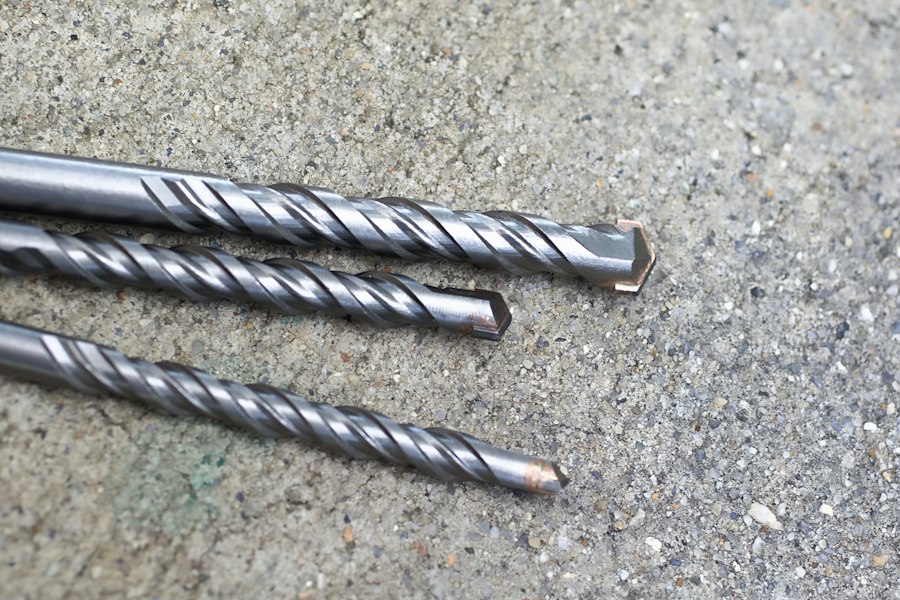
The very nature of the rock formations encountered at depth presents a complex set of challenges related to their mechanical behavior. Understanding how these rocks respond to the stresses and strains imposed by drilling is paramount for successful exploration.
Rock Strength and Brittleness: A Delicate Balance
Different rock types possess varying degrees of strength and brittleness. Hard, dense rocks like granite or basalt are generally strong but can be brittle, meaning they are prone to fracturing under stress. Softer, more deformable rocks like shale can be more forgiving but may slump or flow into the borehole if not properly supported.
Predicting Failure: From Lab Tests to Real-Time Monitoring
Geotechnical engineers and geologists use a combination of laboratory testing on rock samples and sophisticated modeling techniques to predict how formations will behave under drilling conditions. This includes determining compressive strength, tensile strength, and fracture toughness. Real-time monitoring of drilling parameters, such as torque and drag, can also provide clues about formation behavior, allowing for adjustments in drilling strategy.
Borehole Stability: Preventing Collapse and Blowouts
Maintaining the stability of the borehole is a fundamental requirement for any drilling operation. As mentioned earlier, excessive pore pressure or insufficient mud pressure can lead to wellbore collapse. Conversely, drilling into fractured or unstable formations can result in the loss of drilling fluid into the formation (lost circulation) or the uncontrolled influx of formation fluids (kicks and blowouts).
Casing and Cementing: The Backbone of Wellbore Integrity
To counteract these forces, boreholes are progressively lined with steel pipes called casing, which are then cemented in place. The casing provides structural support, isolates different geological zones, and prevents the migration of fluids. The design and installation of casing strings and the quality of the cementing job are critical for long-term wellbore integrity and are a significant factor in determining how deep a well can be drilled.
Formation Damage: Compromising Resource Extraction
In addition to stability issues, drilling can also cause damage to the reservoir rock itself, reducing the permeability and flow of hydrocarbons or geothermal fluids. This can occur through the invasion of drilling fluid solids into pore spaces, the precipitation of minerals due to chemical reactions between drilling fluid and formation fluids, or the physical plugging of fractures.
Minimizing Invasion and Reactivity: Advanced Drilling Fluid Design
Minimizing formation damage requires careful selection of drilling fluids and additives. Low-invasion drilling fluids are designed to create a thin, impermeable filter cake on the borehole wall, preventing the fine particles from entering the pores. Understanding the geochemistry of the formation fluids and the drilling fluid is also essential to avoid damaging chemical reactions.
The Economic Realities of Deep Drilling
Beyond the purely scientific and engineering challenges, the economic viability of deep drilling operations plays a crucial role in defining the practical limits of exploration. The costs associated with pushing the boundaries of current technology are immense and must be justified by the potential returns.
High Capital Expenditure: The Price of Progress
The sheer scale of operations required for deep drilling translates into extraordinarily high capital expenditures. This includes the cost of specialized drilling rigs capable of handling extreme pressures and temperatures, advanced drilling fluids, high-strength drill string components, sophisticated logging and monitoring equipment, and extensive geological and engineering expertise.
Rig Costs and Specialized Equipment: A Significant Investment
Deepwater drilling rigs, for example, are among the most expensive pieces of industrial equipment ever built, costing hundreds of millions, even billions, of dollars. The cost of specialized drill bits designed for high-temperature and high-pressure environments can also be substantial. Furthermore, the extended time required for deep drilling operations, often months or even years for a single well, contributes significantly to the overall cost.
Operational Expenses: The Running Costs of the Frontier
Once a well is drilled, the operational expenses for exploration and potential production also escalate dramatically with depth. This includes the cost of maintaining specialized equipment, the consumption of drilling fluids and other consumables, the energy required to power the operation, and the salaries of highly skilled personnel.
Logistics and Support: The Unseen Costs
The logistical challenges of operating in remote or deepwater environments add another layer of expense. Transporting personnel and equipment, providing accommodation and supplies, and managing waste all contribute to the overall cost of deep drilling. The need for specialized support vessels and services further amplifies these expenses.
Resource Potential and Risk Assessment: The Investment Calculus
The decision to invest in deep drilling is ultimately driven by the perceived potential of the resource and the acceptable level of risk. The higher the anticipated volume and value of the hydrocarbon or geothermal resource, the more likely it is that companies will be willing to absorb the significant costs and risks associated with deep exploration.
Probabilistic Economics: Quantifying Uncertainty
Exploration companies employ sophisticated probabilistic economic models to assess the potential return on investment. These models consider factors such as the probability of discovering a commercially viable resource, the estimated volume and price of that resource, and the projected production costs. The higher the uncertainty and the lower the estimated resource potential, the less attractive deep drilling becomes.
The depth to which we can drill into the Earth’s crust is influenced by various geological and technological factors, including temperature, pressure, and the composition of the rocks we encounter. For a deeper understanding of these limitations, you might find it interesting to explore a related article that discusses the challenges and advancements in drilling technology. This article delves into the intricacies of drilling deeper into the Earth and the scientific principles that govern these processes. You can read more about it in this fascinating article.
Technological Frontiers and Future Potential
| Limiting Factor | Description | Typical Impact on Drilling Depth | Example Metrics |
|---|---|---|---|
| Temperature | High temperatures at depth can degrade drilling equipment and affect drilling fluid properties. | Limits drilling to depths where temperatures remain below equipment tolerance (typically 150-200°C) | Temperature increase ~25-30°C per km depth; max operational temp ~200°C |
| Pressure | Increasing rock and fluid pressure can cause wellbore instability and equipment failure. | Limits depth due to risk of blowouts and casing collapse | Pressure gradient ~10-15 MPa/km; max casing pressure ~100-150 MPa |
| Rock Hardness and Composition | Hard or abrasive rock increases drill bit wear and slows penetration rate. | Reduces drilling speed and increases cost, limiting practical depth | Penetration rate varies from 1-10 m/hr depending on rock type |
| Drilling Fluid Properties | Fluids must cool the bit, carry cuttings, and maintain wellbore stability under extreme conditions. | Limits depth if fluids cannot perform under high temperature and pressure | Fluid density 1.0-2.0 g/cm³; max temp stability ~200°C |
| Equipment Strength and Durability | Drill pipes, bits, and casings must withstand mechanical stress and corrosion. | Limits maximum depth due to risk of equipment failure | Drill pipe tensile strength ~1000 MPa; fatigue life decreases with depth |
| Cost and Economic Viability | Deeper drilling exponentially increases cost and time, limiting practical depth. | Economic limits often reached before technical limits | Cost increases 10-20% per 1000 m depth |
| Geological Hazards | Faults, gas pockets, and unstable formations can cause drilling hazards. | May force abandonment or rerouting of wells | Incidence of lost circulation zones increases with depth |
Despite the formidable limitations, ongoing advancements in technology continue to push the boundaries of what is achievable in deep drilling. Innovation is the driving force behind overcoming the challenges of pressure, temperature, rock mechanics, and economics.
Advanced Drilling Fluids and Completion Technologies
The development of new drilling fluid formulations is crucial. This includes fluids that are stable at extreme temperatures and pressures, minimize formation damage, and can effectively carry cuttings. Similarly, advanced completion technologies, such as multistage hydraulic fracturing in unconventional reservoirs and smart well systems that allow for real-time control of production, are enabling the extraction of resources from previously inaccessible depths.
Nanotechnology and Smart Materials: The Next Generation
Emerging technologies like nanotechnology are showing promise in creating novel drilling fluid additives that can enhance lubrication, reduce friction, and improve wellbore stability. The use of smart materials that can adapt to changing downhole conditions is also an area of active research.
Enhanced Logging and Sensing Capabilities
Accurate subsurface characterization is vital for guiding drilling operations and assessing resource potential. Advancements in downhole logging tools allow for the collection of more detailed and real-time data about rock properties, fluid content, and stress regimes at extreme depths.
Real-Time Data Analysis and Interpretation: Making Sense of the Data
Sophisticated software and artificial intelligence are being employed to analyze the vast amounts of data generated by these logging tools, providing geoscientists and engineers with a more comprehensive understanding of the subsurface. This improved understanding helps in making informed decisions about drilling parameters, well placement, and reservoir development.
Robotics and Automation: The Future of Exploration
The increasing use of robotics and automation in drilling operations can improve safety, efficiency, and precision, particularly in hazardous environments. Autonomous drilling systems, capable of performing complex tasks with minimal human intervention, are on the horizon.
Remote Operation and Safety Enhancement: Minimizing Human Exposure
Robotic systems can be deployed to perform tasks that are too dangerous or difficult for human operators, such as inspecting wellheads, performing repairs in high-pressure environments, or operating in highly radioactive zones. This not only enhances safety but can also lead to more efficient and cost-effective operations.
The pursuit of energy and resources will undoubtedly continue to drive innovation in deep drilling technology. While the Earth’s crust presents a formidable array of obstacles, human ingenuity, coupled with continued technological advancement, will undoubtedly unlock new frontiers, albeit within the ever-evolving constraints of physics, geology, and economics. The limits of drilling depth are not static; they are a dynamic frontier, constantly being redefined by our ability to understand and overcome the profound challenges posed by the Earth’s deepest secrets.
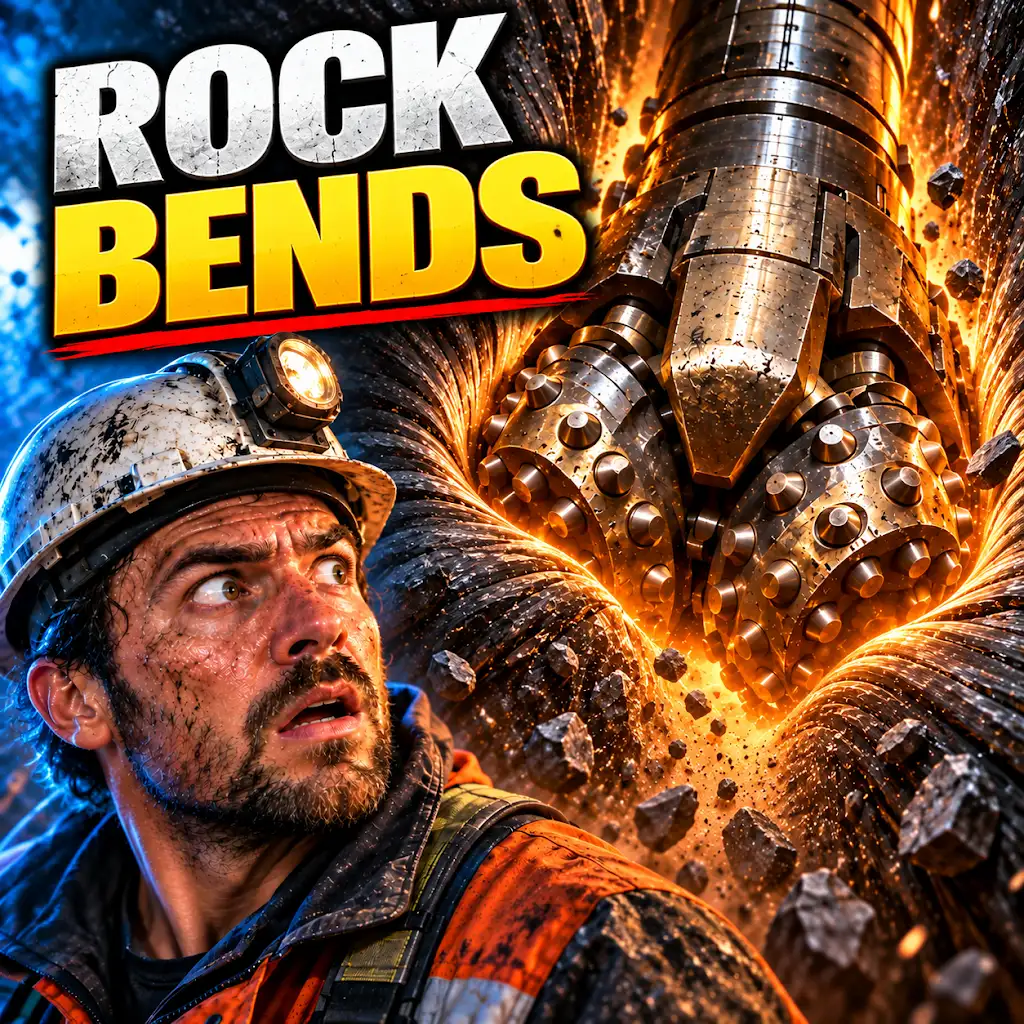
We Drilled 12 KM Into Earth—Then the Rock Started Bending
FAQs
What factors limit how deep we can drill?
Factors that limit how deep we can drill include the strength of the drilling equipment, the type of rock or material being drilled through, and the temperature and pressure conditions at deeper depths.
How does the strength of drilling equipment affect drilling depth?
The strength of drilling equipment, such as the drill bit and drill pipe, determines how deep we can drill. We need strong and durable equipment to withstand the forces and pressures encountered at greater depths.
Why does the type of rock or material being drilled through matter?
The type of rock or material being drilled through affects how deep we can drill because different materials have varying hardness and composition. Harder rocks require more powerful drilling equipment and techniques to penetrate deeper.
How do temperature and pressure conditions impact drilling depth?
Temperature and pressure conditions increase as we drill deeper into the Earth. These extreme conditions can affect the performance of drilling equipment and limit how deep we can safely drill without risking equipment failure or other complications.
Are there technological advancements that have allowed us to drill deeper?
Yes, technological advancements such as improved drilling techniques, stronger materials for drilling equipment, and advanced drilling fluids have enabled us to drill deeper than ever before. These innovations continue to push the limits of how deep we can drill into the Earth’s crust.