The Earth, a seemingly solid sphere beneath our feet, harbors mysteries that have long captivated the human imagination. For millennia, our understanding of its interior has been pieced together through indirect observation, seismic waves, and geological deductions. However, the insatiable human drive to explore and understand has pushed the boundaries of our ingenuity, leading to increasingly ambitious drilling endeavors. These efforts to plumb Earth’s depths are not merely academic pursuits; they are crucial for unlocking vital resources, unraveling geological processes, and perhaps even discovering life in unexpected places. The question that arises is not just if we can drill deeper, but how deep can humans truly go, and what challenges and revelations lie in wait?
Humanity’s quest to penetrate the Earth’s crust is a story of gradual progress, driven by necessity and technological innovation. Early drilling techniques were rudimentary, primarily focused on accessing water and shallow mineral deposits. Yet, even these early attempts laid the groundwork for more sophisticated methods that would emerge over centuries.
Early Ingenuity: From Water Wells to Coal Mines
The earliest forms of drilling were remarkably simple, relying on manual labor and basic tools. Digging wells for water was a practice as old as civilization itself, with evidence of rudimentary drilling techniques dating back to ancient China and Egypt. These wells, while shallow by modern standards, represented a significant achievement in overcoming the resistance of the Earth.
- Manual Excavation and Primitive Tools: The initial methods involved simply digging with shovels and using levers to remove soil. As the need for deeper wells arose, simple hand-operated augers, akin to giant screws, were developed to bore into the ground. These tools required immense physical exertion and were limited in the depth and the types of rock they could penetrate.
- The Dawn of the Industrial Revolution: The Industrial Revolution marked a turning point. The burgeoning demand for coal, a primary energy source, spurred the development of more efficient drilling technologies. Early mining operations, while not strictly “drilling” in the modern sense, involved significant excavation and the exploration of subterranean voids.
The Birth of Modern Drilling: Oil and Gas Exploration
The discovery of oil and gas in the 19th century catalyzed a revolution in drilling technology. The immense economic value of these resources fueled rapid innovation, leading to the development of techniques that could reach significantly deeper.
- Cable-Tool Drilling: This method, prevalent in the early days of oil exploration, involved repeatedly dropping a heavy chisel-like bit to fracture rock. The loosened debris was then removed using a bailer. While slow and inefficient compared to modern methods, it allowed for drilling depths previously unimaginable.
- Rotary Drilling’s Ascendancy: The development of rotary drilling in the late 19th and early 20th centuries was a paradigm shift. This technique uses a rotating drill bit, often equipped with teeth or cutting surfaces, powered by a motor. A drilling fluid (mud) is pumped down the drill string, lubricating the bit, cooling the formation, and carrying cuttings to the surface. This method significantly increased drilling speed and depth capabilities, paving the way for the exploration of vast oil and gas reserves.
The quest to understand how deep humans can actually drill into the Earth’s crust has fascinated scientists and engineers for decades. Recent advancements in drilling technology have allowed us to reach unprecedented depths, but the challenges remain significant. For a deeper exploration of this topic, you can read the article on Freaky Science that discusses the limits of human drilling capabilities and the implications for our understanding of the Earth’s geology. To learn more, visit this article.
The Science of the Subsurface: Why Do We Drill Deep?
The human motivation to drill deep is multifaceted, spanning the realms of resource extraction, scientific inquiry, and the pursuit of knowledge about our planet’s inner workings. Each deep drill hole represents an investment of immense resources and technical expertise, driven by compelling objectives.
Unlocking Earth’s Treasures: Energy and Minerals
The most immediate and historically significant driver for deep drilling has been the quest for valuable resources. Beneath the Earth’s surface lie vast deposits of fossil fuels and essential minerals that have powered human civilization and continue to underpin our modern economy.
- Fossil Fuels: A Double-Edged Sword: The pursuit of oil and natural gas has led to some of the deepest boreholes ever drilled. These hydrocarbons, formed over millions of years from organic matter, are trapped in porous rock formations deep within the Earth’s crust and upper mantle. Extracting them requires sophisticated drilling techniques capable of penetrating hundreds, even thousands, of meters. While these fuels have fueled industrial growth, their extraction and combustion also present significant environmental challenges.
- Mineral Exploration: Beyond fossil fuels, the Earth’s depths hold a wealth of metallic and non-metallic mineral deposits. Identifying and accessing these resources, often found in veins or disseminated through rock formations, requires targeted drilling and exploration. Advances in geophysics and geological modeling aid in pinpointing promising locations for mineral extraction.
Illuminating Earth’s Processes: Scientific Research
Deep drilling is not solely about extraction; it is also a powerful tool for scientific exploration. These boreholes act as windows into the Earth’s interior, providing invaluable data about its composition, structure, and dynamic processes.
- Understanding Plate Tectonics and Seismology: Deep boreholes can provide direct access to the tectonic plates, allowing scientists to study the stresses and strains that drive earthquakes and volcanic activity. Instruments lowered into these wells can record seismic data with unprecedented accuracy, helping to refine our understanding of earthquake mechanisms and potentially leading to better prediction models.
- Studying the Earth’s Thermal Gradient: The temperature of the Earth’s interior increases with depth. Deep boreholes allow scientists to measure this geothermal gradient directly, providing insights into the heat flow from the Earth’s core. This information is crucial for understanding planetary cooling and the generation of Earth’s magnetic field.
- Exploring Subsurface Microbiology: In recent decades, a new frontier has emerged: the study of life in extreme environments. Deep drilling projects have uncovered microbial ecosystems thriving kilometers beneath the Earth’s surface, living in conditions of high temperature, pressure, and darkness. These extremophiles challenge our definitions of life and could hold clues to the origins of life on Earth and the potential for life on other planets.
The Technological Frontier: Pushing the Limits of Depth
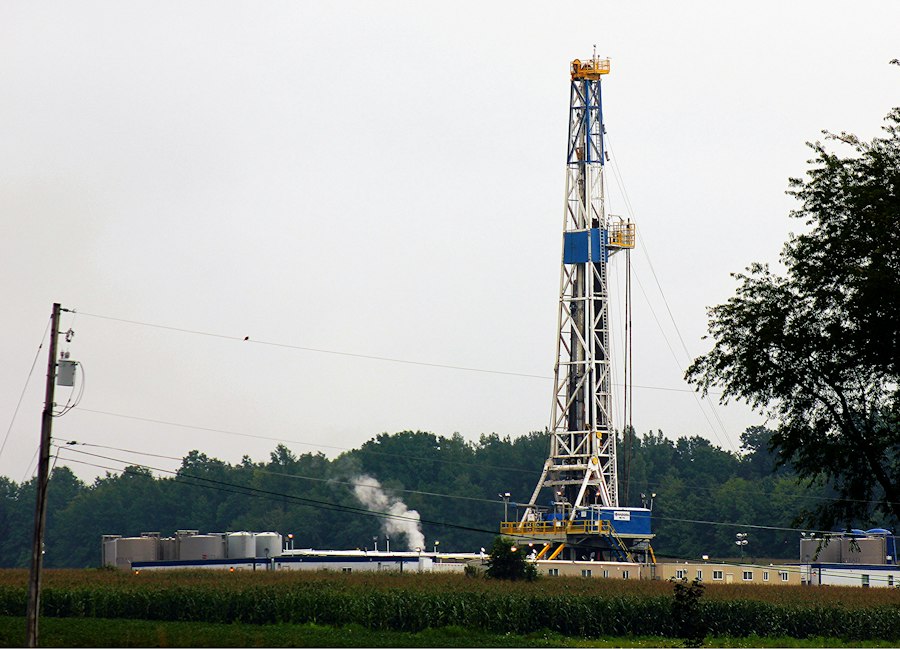
As the allure of deeper riches and scientific understanding grows, so too does the necessity for ever more advanced drilling technologies. The challenges of penetrating extreme pressures, temperatures, and rock types require continuous innovation and ingenuity.
Materials Science and Engineering: Building for the Abyss
The harsh conditions encountered at extreme depths place immense demands on the materials used in drilling equipment. The development of stronger, more resilient materials is paramount to success.
- Advanced Drill Bits: The cutting edge of drilling technology lies in the design of drill bits. Modern bits are often made from polycrystalline diamond compact (PDC) or tungsten carbide, materials capable of withstanding immense forces and abrasive rock. Innovations in bit geometry and internal cooling systems further enhance their efficiency and lifespan.
- High-Strength Drill Pipe and Casing: The immense weight of thousands of meters of drill pipe necessitates the use of exceptionally strong and lightweight materials. High-grade steel alloys are commonly used, with ongoing research exploring even more advanced composites. Similarly, the casing that lines the borehole must withstand enormous external pressures and prevent wellbore collapse.
Overcoming Extreme Conditions: Pressure, Temperature, and Chemistry
The deeper we drill, the more formidable the environmental challenges become. High pressures can crush equipment, extreme temperatures can degrade materials and fluids, and corrosive subsurface chemistry can attack vital components.
- Managing High Pressures: As depth increases, so does the hydrostatic pressure of the surrounding rock and any pore fluids. Drilling operations must be carefully managed to equalize pressures and prevent blowouts. This involves sophisticated mud weight control and the use of specialized wellhead equipment.
- Tackling Extreme Temperatures: The geothermal gradient means that temperatures can reach hundreds of degrees Celsius in very deep wells. This necessitates the use of specialized drilling fluids that remain stable at high temperatures and the development of equipment and seals that can withstand thermal expansion and contraction.
- Resisting Corrosive Environments: Subsurface fluids can be highly saline and contain dissolved gases like hydrogen sulfide, which are corrosive to metals. Advanced metallurgy, specialized coatings, and chemical additives in drilling fluids are employed to protect equipment from degradation.
Innovations in Drilling Fluids and Downhole Tools
The drilling fluid is the lifeblood of a rotary drilling operation, and its sophisticated formulation is critical for success at any depth, but especially in challenging environments. Likewise, the suite of downhole tools continues to evolve.
- Smart Drilling Fluids: Modern drilling fluids are complex chemical mixtures designed to perform multiple functions: cooling and lubricating the bit, carrying cuttings to the surface, controlling formation pressures, and stabilizing the wellbore. Research is ongoing to develop “smart” fluids that can react to changing downhole conditions and provide real-time diagnostic information.
- Logging While Drilling (LWD) and Measurement While Drilling (MWD): These technologies allow for the collection of geological and operational data while the drill bit is turning. Sensors integrated into the drill string transmit information about rock formations, fluid properties, and drilling parameters to the surface, enabling immediate adjustments to optimize drilling and enhance safety.
- Advanced Downhole Motors and Steering Systems: For directional drilling, where wells are not drilled straight down but curved or horizontal, advanced downhole motors and sophisticated steering systems are essential. These allow for precise control over the wellbore trajectory, enabling access to complex reservoirs and maximizing hydrocarbon recovery.
The Record Holders: Notable Deep Drilling Projects

Humanity’s drive to drill deep has resulted in several remarkable engineering feats, each pushing the boundaries of what was previously thought possible. These projects, often undertaken for scientific research or resource exploration, stand as testaments to human perseverance and technological prowess.
The Kola Superdeep Borehole: A Scientific Triumph
The Kola Superdeep Borehole, located in Russia, holds the distinction of being the deepest artificial point on Earth. Undertaken for scientific research into the Earth’s crust and upper mantle, it represents a monumental achievement in deep drilling.
- Objective and Significance: The primary goal of the Kola Superdeep Borehole was to study the continental crust and the Mohorovičić discontinuity (Moho), the boundary between the Earth’s crust and mantle. The project aimed to understand the composition, structure, and physical properties of these deep geological layers.
- Challenges and Discoveries: Drilling began in 1970 and continued intermittently until 1989, reaching a final depth of 12,262 meters (approximately 7.6 miles). The project encountered unexpected challenges, including extremely high temperatures (around 180°C at the bottom) and difficult rock formations. Despite these obstacles, the borehole yielded invaluable data, including the discovery of ancient microbial life in the deep subsurface and evidence of significant hydrocarbon deposits far deeper than previously anticipated. The project, however, was eventually shut down due to economic and technical difficulties, and the site has since been largely abandoned.
Deepwater Exploration: Offshore Miracles
The vast majority of the world’s remaining accessible oil and gas reserves lie beneath the ocean floor, often in water depths that dwarf land-based drilling operations. This has led to the development of highly specialized offshore drilling technologies.
- The Challenge of the Deep Sea: Drilling in deep water presents unique engineering hurdles. Platforms must be anchored or dynamically positioned to remain stable in turbulent seas, and the drill string must be guided and supported over immense vertical distances. The pressure at these depths is also significantly higher than on land.
- Semi-Submersible Rigs and Drillships: To access these challenging environments, massive semi-submersible drilling rigs and advanced drillships have been developed. These vessels are equipped with powerful drilling systems and the ability to withstand extreme weather conditions. They can operate in water depths of thousands of meters, allowing access to previously unreachable hydrocarbon reserves.
- Notable Deepwater Discoveries: Numerous significant oil and gas discoveries have been made in deepwater environments, particularly in the Gulf of Mexico, off the coast of Brazil, and in the waters of West Africa. These discoveries have reshaped the global energy landscape and continue to drive innovation in offshore drilling technology.
Future Prospects: The Next Frontiers
While the Kola Superdeep Borehole remains the record holder for land-based drilling, the quest for greater depths continues. Future drilling projects will likely focus on even more challenging environments and more ambitious scientific objectives.
- The Mariana Trench and Subduction Zones: There is growing scientific interest in drilling into subduction zones, areas where one tectonic plate slides beneath another. These regions are responsible for some of the most powerful earthquakes and volcanic eruptions on Earth. Accessing these zones through deep drilling could provide unprecedented insights into these geodynamic processes. The Mariana Trench, the deepest part of the world’s oceans, also presents an extreme environment for potential future exploration.
- Enhanced Geothermal Systems (EGS): The pursuit of clean, renewable energy has led to renewed interest in enhanced geothermal systems. EGS aims to extract heat from hot dry rock deep within the Earth’s crust by drilling wells and injecting water to create artificial reservoirs. While not as deep as scientific boreholes, EGS projects require significant advancements in drilling technology to reach economically viable depths and temperatures.
The quest to understand the depths of the Earth has led scientists to explore how deep humans can actually drill into the planet’s crust. Recent advancements in drilling technology have allowed researchers to reach unprecedented depths, but there are still significant challenges to overcome. For a fascinating exploration of this topic, you can read more in this article on Freaky Science, which delves into the limits of human drilling capabilities and the mysteries that lie beneath our feet.
The Unanswered Questions: What Lies Beneath?
| Drilling Project | Depth Achieved (meters) | Purpose | Location | Year Completed |
|---|---|---|---|---|
| Kola Superdeep Borehole | 12,262 | Scientific research on Earth’s crust | Russia | 1989 |
| Chikyu Hakken Deep Drilling Project | 7,740 | Scientific ocean drilling | Japan (Pacific Ocean) | 2012 |
| Bertha Rogers Well | 9,583 | Oil exploration | Oklahoma, USA | 1974 |
| Deepwater Horizon (Deepest offshore well) | 10,685 (measured depth) | Oil and gas extraction | Gulf of Mexico | 2009 |
| German Continental Deep Drilling Program (KTB) | 9,101 | Scientific research on crustal structure | Germany | 1994 |
As humans push the boundaries of drilling, the Earth continues to reveal its secrets, often in surprising and profound ways. The deeper we venture, the more the fundamental questions about our planet’s origins, composition, and the very nature of life become illuminated.
The Earth’s Mantle and Core: A Realm of Speculation
Our current understanding of the Earth’s mantle and core is largely based on indirect evidence and theoretical models. Direct sampling of these regions remains a formidable, if not currently impossible, challenge.
- The Mohorovičić Discontinuity (Moho): The Moho represents a significant boundary in Earth’s structure, separating the less dense crust from the denser mantle. The Kola Superdeep Borehole famously reached the Moho, providing crucial data about its composition. However, reaching and sampling the mantle in other locations or at greater depths remains a significant goal for geoscientists.
- The Earth’s Core: The Ultimate Frontier: The Earth’s core, comprising a solid inner core and a liquid outer core, is the source of our planet’s magnetic field. Understanding its composition, temperature, and dynamics is fundamental to comprehending Earth’s evolution. Direct drilling to the core is far beyond our current technological capabilities due to the immense depths, extreme pressures, and temperatures involved. However, future advancements in materials science and energy generation might one day bring such ambitious projects closer to reality.
The Search for Extraterrestrial Life: Implications for Astrobiology
The discovery of microbial life thriving in the extreme environments of Earth’s deep subsurface has profound implications for the search for extraterrestrial life.
- Life in Unexpected Places: The existence of life kilometers beneath the surface, independent of sunlight and relying on chemosynthesis for energy, suggests that life could exist in similar environments on other planets and moons, even those without surface oceans or atmospheres.
- Subsurface Oceans and Icy Moons: Moons like Europa (Jupiter) and Enceladus (Saturn) are believed to harbor vast subsurface oceans beneath their icy shells. If life can exist in Earth’s deep crust, it raises the tantalizing possibility that similar life forms could have evolved in these extraterrestrial ocean worlds. Future astrobiology missions will likely focus on developing drilling technologies capable of penetrating these icy barriers to search for signs of life.
The Future of Deep Drilling: Sustainability and Ethics
As humanity continues to exploit Earth’s resources, the question of sustainability and the ethical considerations of deep drilling become increasingly important.
- Resource Depletion and Alternative Energies: The finite nature of fossil fuel reserves and the environmental consequences of their extraction necessitate a shift towards renewable energy sources. While deep drilling will likely continue to play a role in energy production for some time, investment in solar, wind, and other sustainable technologies is crucial for long-term planetary health.
- Environmental Impact and Risk Management: Deep drilling operations, particularly in sensitive ecosystems or geologically unstable regions, carry inherent environmental risks. Careful planning, rigorous safety protocols, and continuous monitoring are essential to minimize the potential for pollution, habitat disruption, and seismic activity. The ethical responsibility to protect the planet for future generations must guide all deep drilling endeavors.
The human capacity for innovation and exploration seems boundless. From the earliest hand-dug wells to the colossal offshore drilling platforms, our journey into Earth’s depths is a testament to our unyielding curiosity. While the physical limits of how deep humans can drill are still being tested and redefined by technological advancements, the ultimate frontier remains the profound understanding of our planet’s intricate workings and its place in the cosmos. The answers to Earth’s deepest mysteries are not just buried in the ground; they are unearthed through the relentless pursuit of knowledge, one drill bit at a time.
We Drilled 12 KM Into Earth—Then the Rock Started Bending
FAQs
1. How deep have humans drilled into the Earth’s surface?
Humans have drilled as deep as 12,262 meters (40,230 feet) into the Earth’s surface. This record was set by the Kola Superdeep Borehole in Russia.
2. What are the main challenges of drilling deeper into the Earth’s crust?
Some of the main challenges of drilling deeper into the Earth’s crust include high temperatures, extreme pressure, and the need for specialized equipment that can withstand these harsh conditions.
3. What are the primary reasons for drilling deep into the Earth’s crust?
Drilling deep into the Earth’s crust is primarily done for scientific research purposes, such as studying the Earth’s geology, seismic activity, and the composition of the Earth’s layers.
4. Are there any limitations to how deep humans can drill into the Earth?
There are limitations to how deep humans can drill into the Earth due to technological constraints, such as the ability to withstand high temperatures and pressures, as well as the cost and feasibility of drilling to extreme depths.
5. What are some potential future advancements in deep drilling technology?
Potential future advancements in deep drilling technology include the development of more advanced drilling techniques, materials, and equipment that can withstand higher temperatures and pressures, allowing humans to drill even deeper into the Earth’s crust.