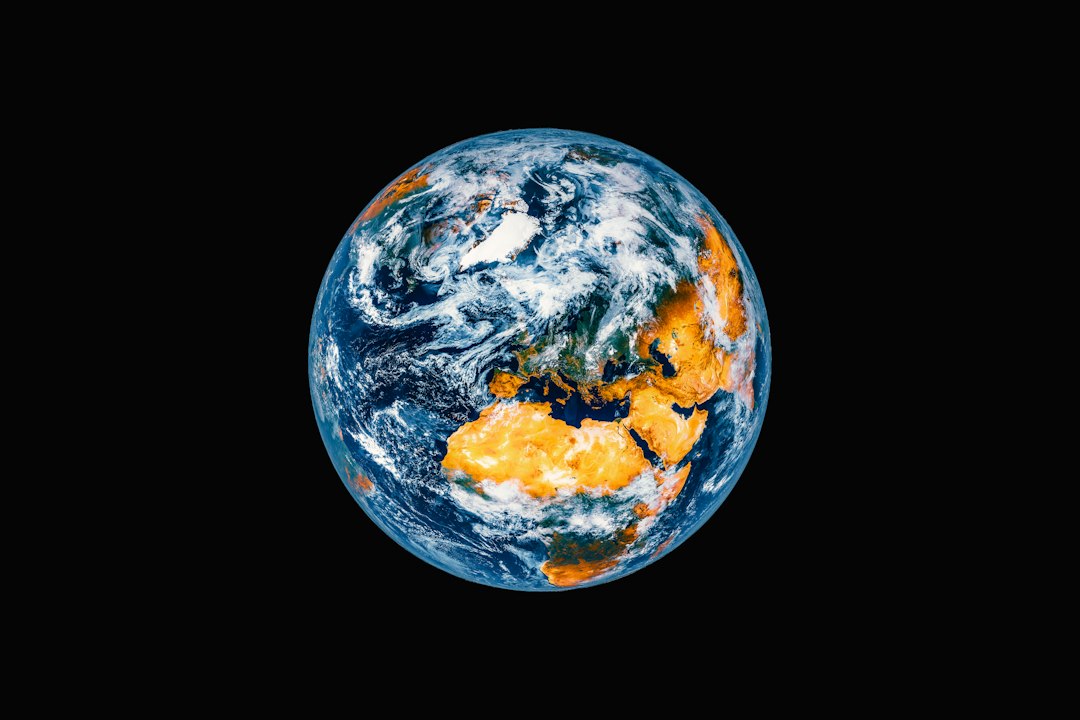
Earth’s crust, a thin, rocky shell that cradles continents and oceans alike, holds a profound allure. Beneath its familiar surface lies a realm of immense pressure, searing temperatures, and geological secrets whispered through eons. Humanity’s insatiable curiosity has driven a relentless quest to penetrate this enigmatic layer, to understand the processes that shape our planet, and to unlock its hidden resources. This exploration, however, is not a casual endeavor; it is a testament to human ingenuity, technological prowess, and an unwavering commitment to scientific discovery. The question then arises: how deep have we truly drilled into Earth’s depths, and what have we learned from these extraordinary subterranean expeditions?
The desire to probe the Earth’s interior is not a modern phenomenon. Ancient civilizations, observing volcanic activity and seismic tremors, pondered the nature of the world beneath their feet. However, it was the advent of more sophisticated drilling techniques that truly began to unlock the planet’s secrets. Early drilling efforts were often rudimentary, driven by the immediate need for resources like water and, later, oil and gas. These initial forays, while shallow by today’s standards, laid the groundwork for the more ambitious projects that would follow.
Water Wells: The Genesis of Subterranean Exploration
The earliest form of deep drilling was, undoubtedly, the construction of water wells. For millennia, humans have sought reliable sources of freshwater, leading to the development of methods to access underground aquifers. These wells, though primarily utilitarian, represented the first intentional penetration of the Earth’s crust.
Simple Digging and Hand Augers
Before the advent of mechanical drilling, wells were often dug by hand, a laborious and dangerous process. In some regions, simple hand augers were used to bore into softer soils and sediments, allowing access to shallow groundwater. These early tools, while basic, demonstrated an understanding of the principle of excavation to reach subterranean water.
The Impact of Mechanical Augers and Early Rigs
The development of mechanical augers and, eventually, the steam-powered drilling rigs in the 18th and 19th centuries marked a significant leap forward. These technologies allowed for deeper penetration and the ability to drill through harder rock formations. The pursuit of water, a fundamental necessity for agriculture and settlement, fueled innovation in drilling techniques.
The Oil and Gas Revolution: Fueling Deeper Incursions
The 19th and 20th centuries witnessed an unprecedented surge in drilling activity, driven by the insatiable global demand for oil and natural gas. This “oil and gas revolution” propelled drilling technology to new heights, pushing the boundaries of what was considered possible. The economic incentives were immense, spurring rapid advancements in equipment, methodologies, and safety protocols.
Rotary Drilling: A Paradigm Shift
The invention of rotary drilling, where a rotating drill bit cuts through rock, was a pivotal moment. This method, initially powered by steam and later by internal combustion engines, proved far more efficient than older percussive techniques. It allowed for the drilling of straighter, deeper holes and the efficient removal of cuttings from the wellbore.
Offshore Drilling: Venturing into New Frontiers
As onshore reserves began to dwindle, the focus shifted to the vast, untapped potential of the oceans. Offshore drilling presented immense logistical and engineering challenges, demanding the development of specialized platforms, vessels, and drilling techniques to operate in harsh marine environments. This expansion into the seabed marked a new era of deep drilling, pushing exploration far from the familiar landmass.
Humans have made significant strides in drilling into the Earth’s crust, with the deepest hole, the Kola Superdeep Borehole, reaching a depth of about 7.5 miles (12 kilometers). This remarkable feat of engineering has provided valuable insights into the geological composition of our planet. For those interested in exploring more about the depths we have reached and the scientific discoveries made, you can read a related article at Freaky Science.
Scientific Drilling: The Pursuit of Pure Knowledge
While the economic drivers of oil and gas exploration were powerful, a parallel, albeit often less publicized, movement emerged: scientific drilling. Scientists recognized the immense value of obtaining direct samples and measurements from deep within the Earth to understand its composition, history, and ongoing processes. These endeavors, characterized by their long-term goals and focus on fundamental research, have yielded some of the most significant discoveries about our planet.
The Ocean Drilling Program (ODP) and its Successors: Unveiling Earth’s History
Perhaps the most iconic example of scientific deep drilling is the Ocean Drilling Program (ODP) and its subsequent iterations, such as the Integrated Ocean Drilling Program (IODP). These international, collaborative efforts have deployed specialized research vessels to drill into the ocean floor, retrieving sediment cores and rock samples that provide a detailed record of Earth’s climate, tectonics, and life over millions of years.
The Glomar Challenger: A Pioneer of Deep-Sea Exploration
The drilling vessel Glomar Challenger, which operated from 1968 to 1983, was a true pioneer. It undertook 96 legs of scientific exploration, drilling more than 1,000 holes in ocean basins around the world. Its groundbreaking discoveries, such as evidence for seafloor spreading and the dating of oceanic crust, revolutionized our understanding of plate tectonics.
The JOIDES Resolution: Continuing the Legacy
The JOIDES Resolution, the flagship vessel for the ODP and IODP, has continued this vital work. Equipped with advanced drilling and sampling technologies, it has enabled scientists to collect pristine cores from some of the deepest parts of the ocean and from geologically significant sites. These cores are invaluable for studying past climate change, the evolution of life, and the dynamics of the Earth’s interior.
Continental Scientific Drilling: Probing the Land Beneath Our Feet
Scientific drilling is not confined to the oceans. Efforts have also been made to drill deep into the continental crust to investigate a range of geological phenomena. These projects often target areas of intense geological activity or unique geological features.
The Kola Superdeep Borehole: An Unprecedented Feat
The Kola Superdeep Borehole, located on the Kola Peninsula in Russia, stands as a monumental achievement in scientific drilling. Initiated in 1970 by the Soviet Union, this project aimed to explore the geological structure of the Baltic Shield down to the Mohorovičić discontinuity (Moho), the boundary between the Earth’s crust and mantle.
Reaching Unimagined Depths
The Kola Superdeep Borehole reached a staggering depth of 12,262 meters (40,230 feet), making it the deepest artificial point on Earth for many years. The project encountered extreme temperatures and pressures, pushing the limits of drilling technology and materials. The sheer scale of this undertaking is a testament to the dedication of the scientists and engineers involved.
Unveiling the Unexpected
The data and samples obtained from the Kola Superdeep Borehole yielded numerous surprising discoveries. Contrary to expectations, scientists found evidence of microbial life at depths previously thought to be sterile. They also discovered unexpected mineral formations and complex geological structures. The project provided invaluable insights into the composition and history of continental crust.
The German Continental Deep Drilling Program (KTB): A Comprehensive Study
The German Continental Deep Drilling Program (KTB) in the late 20th century was another significant scientific drilling endeavor. It involved drilling two boreholes, one main borehole and an additional shallower borehole, to a depth of approximately 9 kilometers (about 29,500 feet) in the Variscan Orogen of Bavaria.
Investigating Crustal Structure and Processes
The KTB project aimed to investigate the physical and chemical properties of the continental crust, particularly in a region characterized by complex tectonic history. The boreholes provided continuous core samples, allowing for detailed analysis of rock types, seismic velocities, fluid circulation, and geothermal gradients.
Insights into Fluid Flow and Seismicity
The KTB project provided crucial data on fluid circulation within the Earth’s crust and its potential role in tectonic processes, including seismicity. The findings helped to refine models of how fluids migrate and influence stress regimes in the subsurface.
Pushing the Limits: Technological Innovations and Record-Breaking Depths
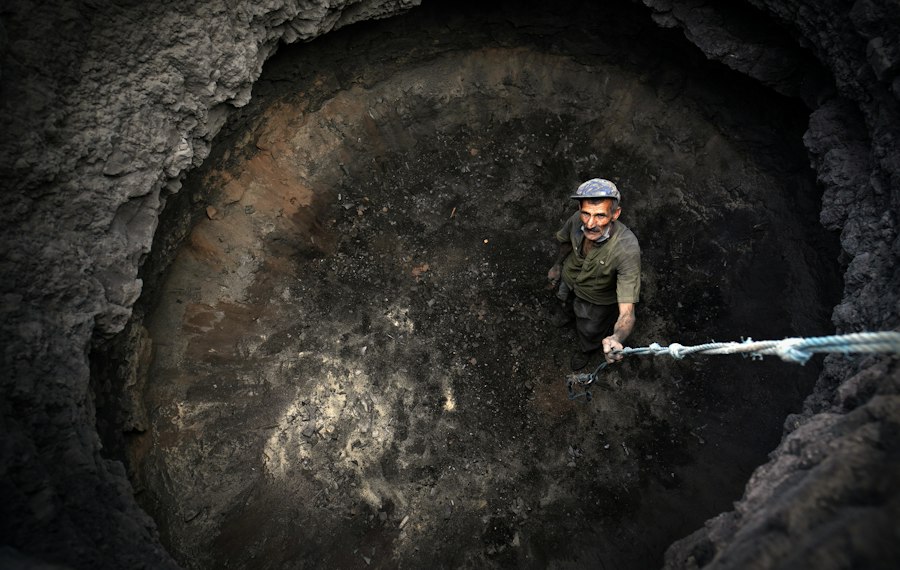
The ongoing quest to drill deeper into the Earth is a continuous cycle of innovation and problem-solving. Each increase in depth presents new challenges, from the immense pressures and searing temperatures to the need for increasingly robust and sophisticated drilling equipment. The pursuit of these extreme depths is not an end in itself, but rather a means to unlock scientific understanding and potentially discover new resources.
The Quest for the Mantle: The Mohorovičić Discontinuity
One of the ultimate goals of deep drilling is to reach the Mohorovičić discontinuity (Moho), the boundary between the Earth’s crust and the underlying mantle. This boundary represents a fundamental change in rock composition and seismic properties, and direct sampling of the upper mantle would provide unparalleled insights into the planet’s formation and evolution.
Project Mohole: An Ambitious Early Attempt
The ambitious Project Mohole, conceived in the late 1950s and early 1960s, was an early attempt to drill through the oceanic crust to reach the Moho. While the project ultimately faced significant funding and technical hurdles and was abandoned, it was a crucial precursor to later ocean drilling programs, demonstrating the feasibility and importance of such undertakings.
Modern Aspiration: Continued Pursuit of the Moho
Despite the challenges, the aspiration to reach the Moho persists. While no project has yet successfully penetrated this boundary, ongoing research and technological advancements continue to bring this ambitious goal closer. Future drilling expeditions, leveraging the lessons learned from past endeavors, may one day achieve this significant milestone.
Advanced Drilling Technologies: Facing Extreme Conditions
Drilling into the Earth’s deeper layers requires overcoming extreme conditions that would quickly destroy conventional drilling equipment. This has led to the development of highly specialized technologies.
High-Strength Materials and Downhole Tools
The immense pressures encountered at great depths necessitate the use of extremely strong and resilient materials for drill bits, drill pipes, and downhole sensors. Advanced alloys and composite materials are crucial for maintaining the integrity of the drilling system.
Temperature and Pressure Management Systems
Controlling the extreme temperatures and pressures within a deep borehole is paramount for operational success and safety. Sophisticated cooling systems, specialized drilling fluids, and robust casing designs are employed to mitigate these challenges.
Real-time Data Acquisition and Analysis
Modern deep drilling operations rely heavily on real-time data acquisition and analysis. Sensors deployed within the borehole transmit a constant stream of information about rock properties, fluid pressures, and drilling parameters, allowing for immediate adjustments and optimization of the drilling process.
What Lies Beneath: Discoveries and Implications of Deep Drilling
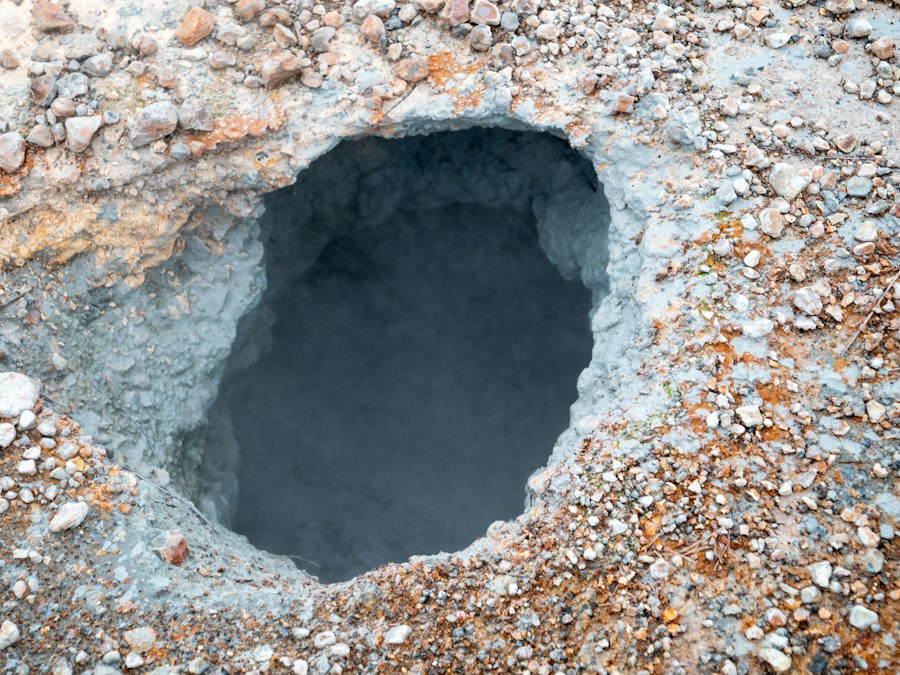
The information gleaned from deep drilling operations has fundamentally reshaped our understanding of Earth’s geology, its history, and the processes that drive its dynamism. From the microscopic world of extremophiles to the grand narrative of plate tectonics, deep drilling has provided irrefutable evidence and sparked new avenues of scientific inquiry.
Unveiling the Subsurface Biosphere: Life in Extreme Environments
One of the most profound discoveries from deep drilling has been the existence of a vast and diverse “deep biosphere” – microbial life thriving in conditions previously thought to be uninhabitable. These extremophiles, found in hot, high-pressure environments deep within the Earth’s crust, have significant implications for our understanding of the origins of life and the potential for life on other planets.
Microbial Communities in the Deep Crust
Samples from deep boreholes, including the Kola Superdeep Borehole and various ocean drilling projects, have revealed dense communities of bacteria and archaea living in seemingly barren rock. These microbes metabolize minerals and fluids, playing a crucial role in subsurface biogeochemical cycles.
Implications for Astrobiology
The discovery of life in Earth’s deep subsurface has energized the field of astrobiology. It suggests that life might exist in similar subsurface environments on other planets and moons, such as Mars or the icy moons of Jupiter and Saturn, where surface conditions are hostile.
Understanding Plate Tectonics and Earth’s Dynamic Processes
Deep drilling has provided invaluable data for understanding the mechanisms of plate tectonics, the fundamental theory that explains the movement of Earth’s lithospheric plates and the resulting geological phenomena like earthquakes and volcanic eruptions.
Seafloor Spreading and the Age of Oceanic Crust
Ocean drilling expeditions have provided direct evidence for seafloor spreading, the process by which new oceanic crust is formed at mid-ocean ridges. By dating the oldest oceanic crust drilled, scientists have been able to reconstruct the history of plate movements over millions of years.
Subduction Zones and Mantle Dynamics
Drilling into subduction zones, where one tectonic plate slides beneath another, has provided insights into the complex processes of material recycling into the Earth’s mantle. Understanding these zones is crucial for comprehending the driving forces behind earthquakes and volcanic arcs.
Resource Exploration: Balancing Need and Sustainability
While scientific curiosity is a primary driver, the pursuit of deeper drilling is also motivated by the need to access vital resources, particularly energy. However, this pursuit comes with the responsibility of ensuring that resource extraction is conducted sustainably and with minimal environmental impact.
The Search for Hydrocarbons in Ultra-Deep Formations
As shallower hydrocarbon reserves become depleted, exploration efforts are increasingly venturing into ultra-deep formations, both onshore and offshore. This requires advanced drilling techniques and a thorough understanding of the geological risks associated with these challenging environments.
Geothermal Energy: Tapping into Earth’s Internal Heat
Deep drilling also plays a critical role in developing geothermal energy, a renewable energy source that harnesses the Earth’s internal heat. By accessing hot rock or hydrothermal reservoirs at significant depths, geothermal power plants can generate electricity with a relatively low environmental footprint.
Humans have made significant strides in drilling into the Earth, with the deepest hole reaching approximately 7.5 miles beneath the surface. This remarkable achievement, known as the Kola Superdeep Borehole, has provided invaluable insights into the Earth’s crust and its geological processes. For a more in-depth exploration of this topic, you can read a related article that delves into the challenges and discoveries associated with deep drilling efforts. To learn more, check out this fascinating article that highlights the scientific advancements and mysteries still waiting to be uncovered beneath our feet.
The Future of Deep Drilling: Next Frontiers and Unanswered Questions
| Drilling Project | Location | Depth Reached (meters) | Year Completed | Purpose |
|---|---|---|---|---|
| Kola Superdeep Borehole | Russia | 12,262 | 1989 | Scientific research on Earth’s crust |
| Chikyu Hakken Deep Drilling Project | Japan (Pacific Ocean) | 7,740 | 2012 | Scientific ocean drilling to study plate tectonics |
| Bertha Rogers Well | Oklahoma, USA | 9,583 | 1974 | Oil exploration |
| Deepwater Horizon (Deepest offshore well) | Gulf of Mexico | 10,685 (measured from sea level) | 2009 | Oil and gas exploration |
| German Continental Deep Drilling Program (KTB) | Germany | 9,101 | 1994 | Scientific research on crustal structure |
The story of deep drilling is far from over. As technology continues to advance and our scientific understanding deepens, new frontiers beckon. The challenges remain immense, but the potential rewards – both in terms of scientific knowledge and practical applications – are equally profound.
Towards the Mantle: The Continuing Quest for the Moho
The ultimate goal of reaching the Mohorovičić discontinuity remains a significant aspiration for the scientific community. Future drilling projects will likely focus on overcoming the remaining technological hurdles and identifying suitable locations for such an ambitious undertaking.
Innovative Drilling Concepts and Technologies
New drilling concepts, such as laser drilling or plasma drilling, are being explored as potential solutions to the extreme conditions encountered at great depths. Advancements in materials science and robotics will also play a crucial role.
International Collaboration and Funding
Achieving such a monumental scientific feat will undoubtedly require unprecedented international collaboration and sustained funding, bringing together the expertise and resources of nations from around the globe.
Exploring Ultra-Deep Reservoirs and Novel Energy Sources
The ongoing search for energy resources will continue to drive innovation in deep drilling. This includes exploring previously inaccessible hydrocarbon reserves and investigating novel energy sources.
Advanced Techniques for Unconventional Hydrocarbons
The extraction of unconventional hydrocarbons, such as those found in shale formations or deep tight gas reservoirs, requires sophisticated hydraulic fracturing and horizontal drilling techniques, pushing the boundaries of current capabilities.
Enhanced Geothermal Systems (EGS) and Subsurface Energy Storage
The development of Enhanced Geothermal Systems (EGS) and subsurface energy storage solutions for renewables like solar and wind power represent exciting future applications of deep drilling technology. These initiatives aim to make cleaner energy sources more reliable and accessible.
The Unanswered Questions: What More Lies Beneath?
Despite our progress, the Earth’s interior remains largely a mystery. Deep drilling is our most direct window into this hidden world, and it continues to pose as many questions as it answers.
The Inner Workings of Earth’s Core
While direct drilling to the Earth’s core is currently beyond our technological reach, indirect methods like seismic tomography provide glimpses into its composition and dynamics. Future deep drilling efforts might indirectly inform our understanding of the processes that influence the core.
The Full Extent of the Deep Biosphere
The exploration of the deep biosphere is still in its nascent stages. Further drilling will undoubtedly reveal new microbial life forms and a deeper understanding of their ecological roles and evolutionary significance.
The Earth’s Magnetic Field and its Origins
The Earth’s magnetic field, crucial for protecting us from harmful solar radiation, originates in the molten outer core. While deep drilling cannot reach this far, understanding the deep crust and upper mantle provides clues about the heat flow and convection that ultimately drive the geodynamo.
In conclusion, humanity’s journey into Earth’s depths through drilling has been a remarkable saga of scientific inquiry, technological innovation, and sheer determination. From the humble water well to the ambitious scientific boreholes and the deep-sea exploration vessels, each endeavor has pushed the boundaries of human knowledge and capability. The deepest we have drilled is a testament to our relentless curiosity, revealing a world far more complex and dynamic than we could have ever imagined. As we continue to probe the planet’s hidden layers, the allure of the unknown beckons, promising further revelations that will undoubtedly reshape our understanding of Earth and our place within it.

We Drilled 12 KM Into Earth—Then the Rock Started Bending
FAQs
1. How far have humans drilled into the Earth?
Humans have drilled approximately 7.5 miles (12 kilometers) into the Earth’s crust, which is the deepest hole ever drilled by humans.
2. Where is the deepest hole drilled by humans located?
The deepest hole drilled by humans is located in Russia, specifically on the Kola Peninsula. The project was known as the Kola Superdeep Borehole.
3. What was the purpose of drilling the Kola Superdeep Borehole?
The main purpose of drilling the Kola Superdeep Borehole was to study the Earth’s crust and mantle, as well as to explore the possibility of drilling to unprecedented depths.
4. What did scientists discover from drilling the Kola Superdeep Borehole?
Scientists discovered valuable information about the Earth’s crust and mantle, including the presence of water at extreme depths, unexpected geological formations, and high temperatures.
5. Are there any plans to drill deeper into the Earth in the future?
There are currently no plans to drill deeper into the Earth than the Kola Superdeep Borehole. However, advancements in technology and scientific research may lead to future projects aimed at exploring deeper into the Earth’s layers.