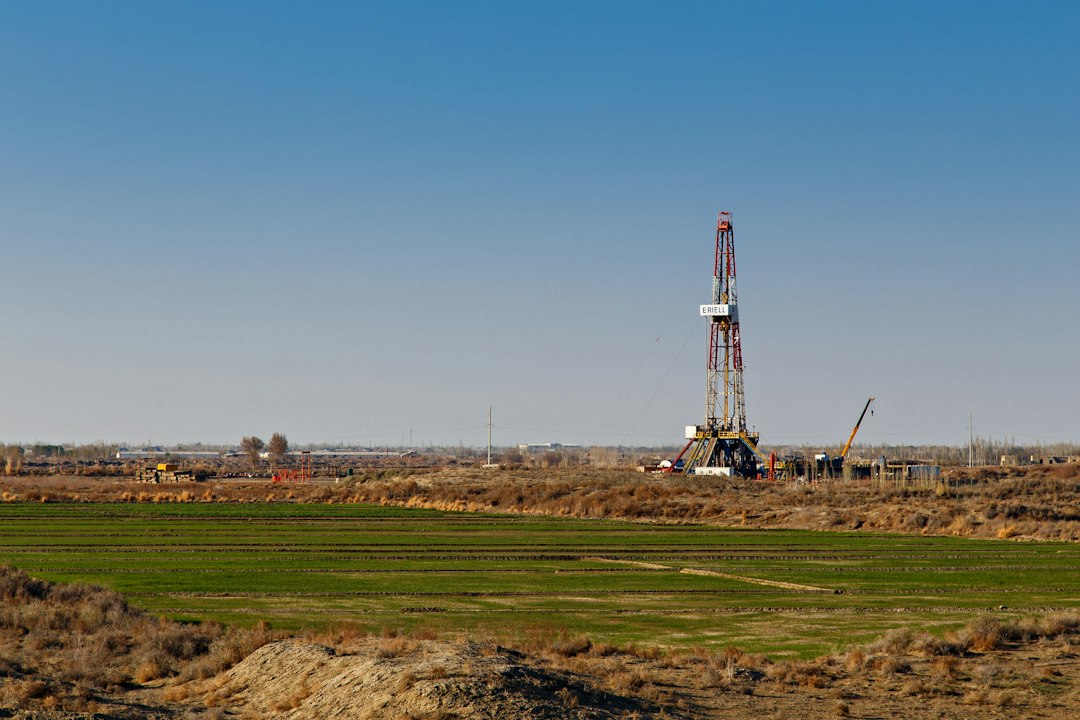
The quest to unlock the Earth’s secrets, whether for scientific understanding or resource extraction, has consistently driven humanity towards deeper and deeper subterranean ventures. From the shallow depths of early wells to the ambitious frontiers of ultra-deep drilling, the challenges have escalated exponentially. As drilling rigs penetrate further into the crust and mantle, they encounter an increasingly hostile and complex environment, demanding innovative solutions and pushing the boundaries of engineering and material science. The inherent difficulties associated with ascending depths transform simple mechanical processes into monumental feats of human ingenuity.
As drilling progresses, two of the most formidable adversaries emerge with relentless intensity: pressure and temperature. The weight of the overlying rock column exerts immense hydrostatic pressure, while the Earth’s internal heat radiates upwards. These factors do not merely increase linearly; their influence becomes amplified and interdependent, creating a synergistic challenge that complicates every aspect of the drilling operation.
The Crushing Embrace of Pressure
The immense pressure encountered at significant depths poses a fundamental threat to the integrity of the wellbore and the drilling equipment. This pressure arises from two primary sources: the lithostatic pressure exerted by the weight of the rock formations and the pore pressure within those formations, which is the pressure of the fluids (water, oil, or gas) trapped within the rock’s pores.
Lithostatic Pressure: A Mountain of Rock
Lithostatic pressure is a direct consequence of the cumulative weight of the rock layers above the drilling depth. As drills descend, the volume of rock overhead increases, leading to a proportional rise in this pressure. At extreme depths, this can reach tens of thousands of pounds per square inch (psi), a force capable of crushing conventional drilling equipment and causing borehole instability. Imagine the weight of an entire mountain pressing down on a single point – this gives a visceral understanding of the forces at play.
Pore Pressure: The Internal Struggle
While lithostatic pressure is external, pore pressure represents an internal struggle within the rock. Fluids trapped within the porous rock exert their own pressure. In some geological environments, particularly those with abundant shale formations or tectonically active regions, pore pressures can be abnormally high, sometimes exceeding hydrostatic pressure. This creates a differential pressure scenario where the internal fluid pressure attempts to push outwards, counteracting the external lithostatic pressure. Managing this delicate balance is crucial. If the drilling fluid’s hydrostatic pressure is not sufficient to counteract the pore pressure, formation fluids can flow uncontrollably into the wellbore, leading to blowouts – catastrophic events with severe environmental and safety consequences. Conversely, if the drilling fluid is too heavy, it can fracture the formation, leading to lost circulation.
The Interplay of Pressure and Wellbore Integrity
The interaction between lithostatic and pore pressure profoundly impacts wellbore integrity. High external pressure can cause the wellbore walls to collapse inwards, a phenomenon known as borehole breakout. This leads to the accumulation of debris, making it difficult to run casing and conduct further operations. Fracturing, on the other hand, occurs when the pressure exerted by the drilling fluid exceeds the tensile strength of the rock, creating new pathways for fluid loss. Maintaining the correct mud weight – the density of the drilling fluid – is therefore a constant balancing act, adjusted dynamically based on real-time pressure measurements.
The Fiery Heart of the Earth: Temperature’s Grip
As drilling operations penetrate deeper into the Earth’s crust, temperatures rise significantly. This geothermal gradient, the rate at which temperature increases with depth, varies geographically but can reach hundreds of degrees Celsius at extreme depths. The Earth’s internal heat, a consequence of radioactive decay and residual heat from its formation, becomes an omnipresent and potent challenge.
The Geothermal Gradient: A Steadily Rising Inferno
The geothermal gradient is not uniform across the globe. Areas with higher crustal thickness or volcanic activity tend to exhibit steeper gradients, meaning temperatures rise more rapidly with depth. For every kilometer drilled, temperatures can increase by tens of degrees Celsius. At depths of several kilometers, temperatures can easily exceed those found in a domestic oven, making equipment operation and personnel safety a paramount concern.
Material Degradation and Performance Limits
The extreme heat has a detrimental effect on drilling equipment and materials. Many conventional metals and polymers begin to lose their structural integrity, deform, or even melt at elevated temperatures. Seals can degrade, lubricants can break down, and electronic components can fail. This necessitates the use of specialized, high-temperature-resistant alloys and materials, which are often more expensive and difficult to source and manufacture. The viscosity and rheological properties of drilling fluids also change significantly with temperature, impacting their effectiveness in cooling, cleaning, and suspending cuttings.
Human Endurance and Safety
Beyond equipment, the human element is equally challenged. While drilling rigs are largely automated, operators and maintenance personnel still work in close proximity to extreme heat. Advanced cooling systems and specialized protective gear are essential for ensuring their safety and well-being. The psychological toll of working in such an environment, coupled with the constant vigilance required to manage the associated risks, also cannot be underestimated.
Drilling deeper into the Earth’s crust presents a myriad of challenges that increase significantly with depth, including rising temperatures, increased pressure, and the potential for encountering hard rock formations. These factors complicate the drilling process and require advanced technology and techniques to overcome. For a more in-depth exploration of these challenges and the science behind deep drilling, you can read the related article on this topic at Freaky Science.
The Unseen Obstacles: Geological Complexity and Formation Variations
Beyond the direct physical forces of pressure and temperature, the Earth’s subsurface is a heterogeneous and often unpredictable entity. As drilling progresses, geologists and engineers encounter a bewildering array of rock types, mineral compositions, and fluid chemistries, each presenting unique challenges. These variations are not always predictable and can shift dramatically over short distances, demanding constant adaptation and sophisticated analytical tools.
Heterogeneity of Rock Formations: A Patchwork of Challenges
The Earth’s crust is not a uniform blanket of rock. Instead, it is a complex tapestry woven from diverse geological eras and processes. As drills penetrate these layers, they encounter everything from hard, crystalline igneous rocks to soft, unconsolidated sediments, and from porous sandstones to impermeable shales.
Varying Mechanical Properties
Different rock types possess vastly different mechanical properties. Hard, abrasive rocks can quickly wear down drill bits and damage other drilling components, necessitating the use of specialized, durable drill bits. Soft, unconsolidated formations can lead to borehole instability, where the walls collapse into the wellbore. This requires careful control of drilling fluid properties and the timely installation of casing to support the borehole. The transition between these different rock types can be abrupt, demanding rapid adjustments to drilling parameters and equipment.
The Challenge of Reactive Formations
Certain rock formations, particularly clays and shales, can be highly reactive to the water-based drilling fluids typically employed. These clays can swell and hydrate when exposed to water, leading to a phenomenon known as “sloughing” or “heaving.” This causes the borehole to narrow, making it difficult to run casing and potentially leading to stuck pipe situations. Specialized drilling fluids, often oil-based or synthetic-based, are developed to minimize this reactivity, but they come with their own set of environmental and cost considerations.
The Unpredictable Nature of Fluids
The fluids present within subsurface formations add another layer of complexity. These can range from benign brines to highly corrosive or toxic substances. The presence of hydrogen sulfide (H2S), a highly toxic and corrosive gas, is a major safety concern and requires specialized handling and monitoring equipment. Other reactive fluids can attack drilling equipment or create hazardous conditions if not properly managed.
Formation Damage and Productivity Impairment
The interaction between the drilling fluid and the formation can also lead to formation damage, which reduces the permeability of the rock and hinders the flow of hydrocarbons or geothermal fluids to the wellbore. This can occur through the invasion of drilling fluid solids into the pore spaces or through chemical reactions between the drilling fluid and the formation. Minimizing such damage is crucial for maximizing the long-term productivity of the well.
The Quest for Accurate Subsurface Characterization
Accurate characterization of subsurface formations before and during drilling is paramount. Advanced seismic imaging techniques and geological modeling provide valuable insights, but real-time data acquisition during drilling is essential for making informed decisions. Logging tools, run inside the wellbore, provide measurements of rock properties, fluid content, and borehole conditions, helping engineers adapt their strategies to the encountered geology.
The Engineering Conundrum: Equipment and Material Limitations
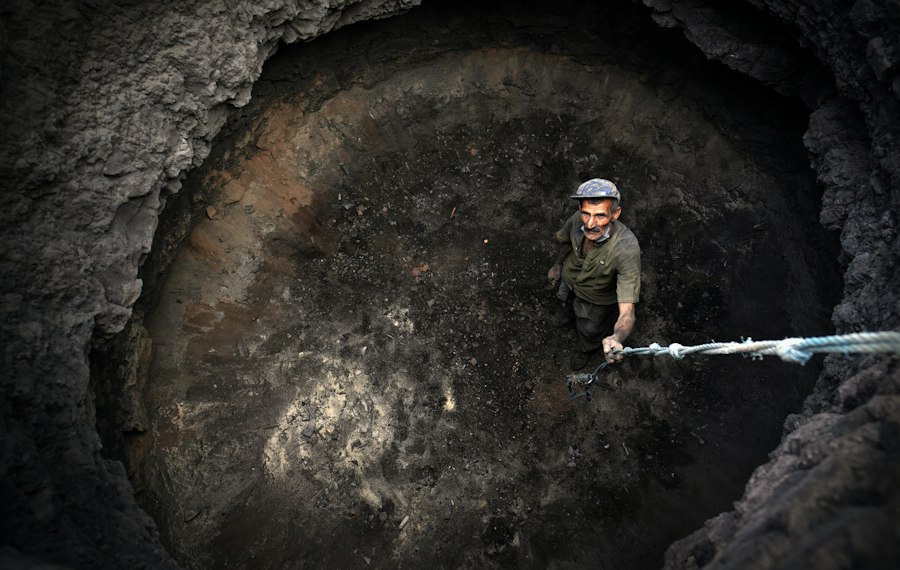
The extreme conditions encountered at depth push the limits of existing engineering capabilities. The development and deployment of specialized equipment and advanced materials are critical for overcoming the physical challenges of deep drilling. This involves not only designing for higher pressures and temperatures but also ensuring the reliability and longevity of components in such a demanding environment.
The Strain on Drilling Systems
The entire drilling system, from the surface rig to the downhole tools, is subjected to immense stress. The weight of the drill string alone can be hundreds of tons, and this load is amplified by the forces encountered in the wellbore.
Drill String Integrity: A Chain Under Tension
The drill string, the series of interconnected pipes that transmits rotational and axial force to the drill bit, is under constant tension and compression. At extreme depths, the sheer weight of the drill string can exceed the tensile strength of conventional steel, leading to potential failures. Furthermore, the abrasive nature of some formations can cause wear and tear on the pipes, necessitating regular inspections and replacements. The development of stronger, lighter, and more wear-resistant materials for drill pipe is an ongoing area of research.
Downhole Tools: Surviving the Gauntlet
The tools that operate at the bottom of the wellbore, including the drill bit, motors, measurement-while-drilling (MWD) tools, and logging instruments, face the harshest conditions. These tools must withstand extreme temperatures, pressures, and abrasive wear. Their components are often made from specialized alloys, ceramics, and composite materials. The reliability of these complex electronic and mechanical devices in such an environment is a critical factor in drilling success. Failures downhole can be incredibly costly and time-consuming to rectify.
The Evolution of Drilling Fluids: More Than Just Mud
Drilling fluids, commonly referred to as “mud,” are far more than just a lubricant. They are a critical component of the drilling operation, performing multiple vital functions that become increasingly challenging at depth.
Maintaining Wellbore Stability
As discussed, drilling fluids play a crucial role in preventing borehole collapse and controlling formation pressures. At higher temperatures and pressures, the rheological properties of the fluid must be carefully controlled to maintain its ability to suspend cuttings and prevent fluid loss.
Cooling and Lubrication
The friction generated by the rotating drill bit and the drill string produces significant heat. The drilling fluid acts as a coolant, dissipating this heat and preventing the drill bit from overheating. It also lubricates the drill string, reducing wear and tear.
Cuttings Transport: Clearing the Path
As the drill bit grinds away at the rock, it generates cuttings – small fragments of rock. The drilling fluid must have sufficient viscosity and flow rate to carry these cuttings to the surface, preventing them from accumulating at the bottom of the wellbore and hindering the drilling progress. At greater depths, the longer circulation path and increased borehole volume make this task more demanding.
Specialized Formulations for Extreme Conditions
For deep drilling, conventional water-based muds are often insufficient. High-temperature, high-pressure (HTHP) drilling fluids are specifically formulated with additives that can withstand extreme temperatures and pressures without degrading. These can include specialized polymers, viscosifiers, and weighting agents. The development and application of these advanced fluid systems represent a significant area of innovation in deep drilling.
The Operational Hurdles: Logistics, Cost, and Safety
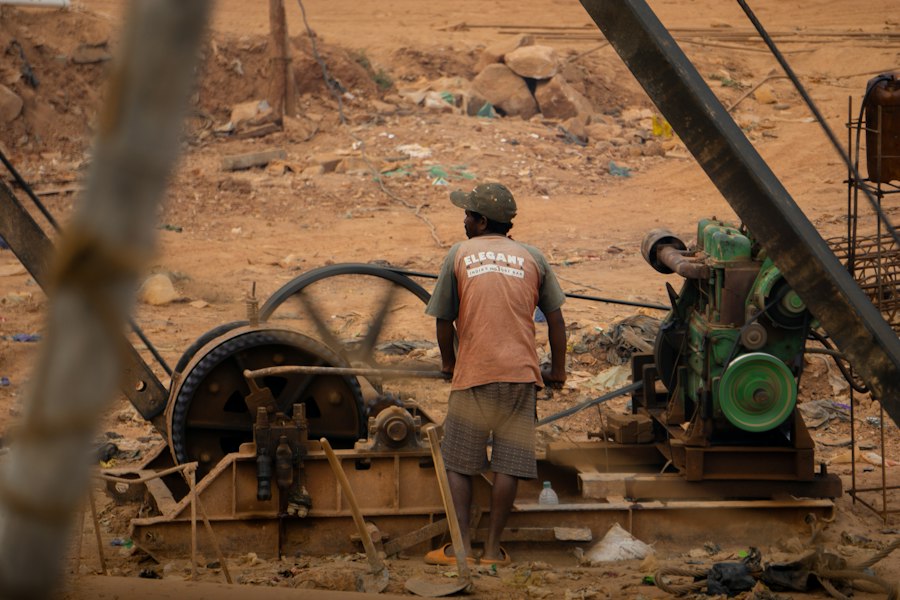
The sheer scale and complexity of deep drilling operations introduce a host of logistical, economic, and safety challenges that are amplified with increasing depth. These are not merely technical issues but encompass the entire lifecycle of a drilling project, from planning and execution to environmental stewardship.
The Escalating Cost of Entry and Operation
Deep drilling is an inherently expensive undertaking. The specialized equipment, advanced materials, and highly skilled personnel required translate into significant capital investment and ongoing operational costs.
High Initial Capital Expenditure
The construction and deployment of rigs capable of reaching extreme depths are massive engineering projects in themselves. These rigs are complex and expensive pieces of machinery, often costing hundreds of millions, if not billions, of dollars. The associated infrastructure, including pipelines, processing facilities, and transportation networks, also adds to the initial investment.
Running Costs: A Never-Ending Drain
Beyond the initial capital, the daily operating costs of a deep drilling operation are substantial. This includes the consumption of fuel, drilling fluids, specialized tools, maintenance, and the salaries of a highly specialized workforce. The longer a well takes to drill, the higher these cumulative costs become. Any unforeseen delays or technical issues can lead to significant cost overruns.
The Economic Viability Question
The economic viability of deep drilling projects is always a critical consideration. The potential return on investment must justify the immense expenditure. This often hinges on the estimated quantity and accessibility of the target resource (e.g., oil, gas, geothermal energy) and the market price of that resource. In a volatile market, deep drilling projects can become financially precarious.
The Intricacy of Logistics and Supply Chains
The remoteness of many deep drilling locations, coupled with the sheer volume of materials and personnel required, creates significant logistical challenges.
Mobilization and Demobilization
Moving large and heavy drilling rigs and associated equipment to remote locations can be a monumental task, requiring specialized transportation methods, including heavy-lift aircraft, barges, and extensive road construction. The demobilization process is equally complex.
Continuous Supply of Consumables
The continuous supply of drilling fluids, chemicals, spare parts, and even food and water for the crew requires a robust and reliable supply chain. Disruptions in this chain, due to weather, political instability, or transportation issues, can bring drilling operations to a standstill.
Specialized Personnel and Training
Deep drilling operations require highly specialized personnel with expertise in geophysics, reservoir engineering, drilling engineering, and materials science. Sourcing and training such a workforce, especially for remote or challenging locations, is a significant logistical undertaking.
Safety: The Ultimate Priority
The inherent risks associated with deep drilling are amplified by the extreme conditions. Safety is not just a consideration; it is the paramount priority, requiring rigorous protocols and constant vigilance.
Blowout Prevention and Well Control
As previously discussed, managing formation pressures to prevent blowouts is a critical safety concern. Advanced well control systems, including blowout preventers (BOPs), are essential safety devices. The training and preparedness of rig crews for well control emergencies are paramount.
Hazardous Material Handling
Many deep drilling operations involve the potential exposure to hazardous substances, such as H2S, flammable hydrocarbons, and various chemicals used in drilling fluids. Strict protocols for handling, monitoring, and mitigating exposure to these materials are essential.
Environmental Protection
Deep drilling operations, particularly in sensitive ecosystems, carry inherent environmental risks. Preventing spills, managing waste, and minimizing the ecological footprint are crucial aspects of responsible drilling. The potential for seismic activity induced by fluid injection or extraction is also a growing concern that requires careful monitoring and management.
As drilling operations progress deeper into the Earth’s crust, the challenges faced by engineers and geologists become increasingly complex. The increase in temperature and pressure at greater depths can lead to equipment failures and complications in the drilling process. For a more detailed exploration of these challenges, you can read about the difficulties associated with deep drilling in this insightful article on Freaky Science. Understanding these factors is crucial for developing effective strategies to overcome the obstacles encountered in deep drilling projects.
The Frontiers of Innovation: Pushing the Boundaries of Technology
| Factor | Description | Impact on Drilling Difficulty | Typical Data/Metric |
|---|---|---|---|
| Temperature Increase | Temperature rises approximately 25-30°C per kilometer depth due to geothermal gradient. | Higher temperatures degrade drilling equipment and mud properties, increasing wear and risk of failure. | ~25-30°C/km increase |
| Pressure Increase | Rock and fluid pressure increase with depth, leading to higher formation pressures. | Increased pressure requires stronger casing and mud weight to prevent blowouts and well collapse. | ~10-15 MPa per km depth |
| Rock Hardness and Abrasiveness | Deeper formations often consist of harder, more abrasive rock types. | Increases bit wear and reduces rate of penetration (ROP). | ROP decreases by 20-50% with depth |
| Wellbore Stability | Higher stresses and pressures can cause wellbore collapse or fracturing. | Requires careful mud weight management and casing design, complicating drilling operations. | Increased mud weight by 0.5-1.0 ppg (pounds per gallon) |
| Hydrostatic Pressure of Drilling Fluid | Fluid column pressure increases with depth, affecting formation pressure balance. | Excessive pressure can fracture formation; insufficient pressure risks influx of formation fluids. | ~0.052 psi/ft of mud column |
| Equipment Limitations | Deeper wells require longer drill strings and more robust equipment. | Increased risk of drill string fatigue, torque and drag issues. | Torque can increase by 30-50% in deep wells |
| Logistical Complexity | Longer drilling times and more complex operations. | Higher operational costs and increased risk of non-productive time (NPT). | NPT can increase by 10-20% with depth |
The escalating challenges of deep drilling have become a powerful catalyst for innovation. To unlock the Earth’s deepest resources and understand its internal workings, humanity is constantly pushing the boundaries of what is technologically possible. This pursuit of deeper knowledge and greater access drives advancements in a wide array of fields, from materials science and robotics to artificial intelligence and advanced sensing.
Advanced Materials: Building for the Extreme
The demand for materials that can withstand unprecedented pressures, temperatures, and corrosive environments is a constant driving force behind material science research.
High-Strength Alloys and Composites
The development of new generations of steel alloys with enhanced tensile strength and resistance to hydrogen embrittlement is crucial for drill strings and casing. Similarly, advanced composite materials, offering a combination of strength, lightness, and resistance to corrosion, are finding increasing applications in downhole tools and surface equipment.
Ceramic and Diamond-Impregnated Drill Bits
For drilling through exceptionally hard rock formations, specialized drill bits are essential. Ceramic materials and drill bits impregnated with diamond offer superior hardness and wear resistance, allowing for more efficient penetration of the toughest geological challenges.
Advanced Seals and Gaskets
The integrity of wellbore operations relies heavily on effective sealing. At extreme depths, conventional sealing materials degrade rapidly. Researchers are developing advanced elastomers, metallic seals, and innovative sealing geometries to ensure reliable containment under immense pressure and temperature.
Robotics and Automation: The Future of Downhole Operations
The inherent dangers and complexities of deep drilling are increasingly being addressed through the integration of robotics and automation.
Autonomous Drilling Systems
The goal is to develop drilling systems that can operate with minimal human intervention, making decisions based on real-time data and executing tasks autonomously. This not only enhances safety by reducing human exposure to hazardous conditions but also improves efficiency and consistency.
Downhole Robotics for Inspection and Intervention
Small, robust robotic devices are being developed to navigate the wellbore for inspection, cleaning, and even minor repair tasks. These “borebots” can access areas that are difficult or impossible for humans to reach, providing valuable diagnostic information and potentially reducing the need for costly rig interventions.
AI and Machine Learning for Optimization
Artificial intelligence and machine learning algorithms are being deployed to analyze the vast amounts of data generated during drilling operations. These systems can predict potential problems, optimize drilling parameters for maximum efficiency, and improve the overall decision-making process, leading to safer and more cost-effective operations.
Enhanced Sensing and Data Acquisition: Seeing the Unseen
The ability to accurately measure and interpret conditions deep within the Earth is fundamental to successful deep drilling.
Advanced Logging Tools
New generations of logging tools are being developed to provide more detailed and accurate information about rock properties, fluid content, and borehole conditions. This includes tools that can operate at higher temperatures and pressures and provide real-time data streams.
Fiber Optics and Distributed Sensing
The use of fiber optic cables deployed within the wellbore or along the drill string allows for continuous, distributed sensing of temperature, pressure, and acoustic vibrations. This provides a comprehensive and real-time picture of the downhole environment.
Seismic and Electromagnetic Imaging
Advanced geophysical imaging techniques, both surface-based and downhole, are crucial for understanding the subsurface geology ahead of the drill bit. This helps in identifying potential hazards and optimizing drilling trajectories.
The persistent drive to reach greater depths in our exploration of the Earth is a testament to human curiosity and our need to harness its resources. While the challenges are undeniable, the relentless pursuit of technological advancement ensures that the frontiers of deep drilling will continue to be pushed, revealing new insights and unlocking the planet’s deepest secrets. Each meter drilled deeper represents a triumph of human ingenuity over the formidable forces of nature.

We Drilled 12 KM Into Earth—Then the Rock Started Bending
FAQs
1. Why does drilling deeper become harder with depth?
Drilling deeper becomes harder with depth due to increased pressure and temperature underground, which can cause equipment failure and make drilling more challenging.
2. How does increased pressure affect drilling at greater depths?
Increased pressure at greater depths can cause the formation of high-pressure zones that can lead to blowouts, equipment damage, and safety hazards for drilling operations.
3. What role does temperature play in making drilling deeper more difficult?
As drilling goes deeper, the temperature underground increases, which can affect the performance of drilling fluids, equipment, and materials, making the drilling process more complex and costly.
4. How does the geology of the subsurface impact drilling at greater depths?
The geology of the subsurface can vary greatly at different depths, with harder rock formations, faults, and unstable formations posing challenges for drilling operations and increasing the risk of complications.
5. What are some technological advancements that help overcome challenges in drilling deeper?
Technological advancements such as advanced drilling techniques, improved drilling fluids, stronger materials for equipment, and real-time monitoring systems have been developed to help overcome the challenges of drilling deeper and make the process more efficient and safer.